BFCM acquisition gets tricky when you have multiple audiences, offers, creatives, and channels to prepare at once.
This 10-day BFCM launch kit gives you a clear plan for getting your acquisition strategy ready before traffic picks up. It covers:
- Auditing your existing acquisition funnel and BFCM performance
- Setting budgets, CAC guardrails, and acquisition channels
- Preparing affiliates, creators, and paid creative
- Optimizing landing pages, social proof, and checkout
- Finalizing BFCM offers, bundles, and incentives
- Producing and repurposing creative across channels
- Building and testing email, SMS, and revenue-recovery flows
- Personalizing campaigns through audience segmentation and customer intent
- Testing paid social and activating affiliates before BFCM
- Warming up audiences and locking your launch and scaling plan
Day 1: Audit your existing acquisition funnel
Start with last year’s BFCM performance to understand how you can improve your strategy this year.
Review last year’s BFCM performance
Break performance down by channel and funnel stage:
- Traffic: Compare sessions, CPM, and CPC year over year to spot channels where acquisition costs increased.
- CAC and payback: Check whether your BFCM CAC stayed within your usual payback window.
- Channel profitability: Compare platform-reported revenue with incremental revenue so you don’t over-credit paid channels.
- Customer value: Compare 7-, 14-, and 30-day LTV for BFCM-acquired customers against your normal customer cohorts.
Use these insights to plan which channels to prioritize and invest more in.
Check attribution
Compare Shopify, GA4, your ESP, and ad platforms side by side. Standardize UTMs, test your tracking journeys, and check attribution windows before you use last year’s numbers to set this year’s budgets.
Also, check for email and SMS overlap. A conversion credited to Meta, for example, could have already been influenced by an email or SMS campaign. If you need a consolidated view of spend, sales, and profitability, Triple Whale can bring those metrics into one dashboard.
Find your biggest funnel leaks
Look at your highest-traffic PDPs and landing pages first. Check:
- Conversion rate and bounce rate
- Cart and checkout drop-off
- Mobile page speed and checkout
- CTA performance
- Retargeting gaps
Use behavior data to identify pages where shoppers exit, stop scrolling, or repeatedly click without progressing. Fix those issues before you increase acquisition spend.
By the end of Day 1, you should have clear channel benchmarks and a prioritized list of funnel issues to fix before you scale BFCM acquisition.
Day 2: Set up your acquisition channels and creatives
Turn your Day 1 findings into a BFCM acquisition plan: decide which channels and partners you’ll use, how much you’ll spend, and what creative each channel needs.
Paid ads: Set your budget and CAC guardrails
Start with the channels that gave you the strongest customer economics last year. Adjust your budget split if CAC or customer quality changed.
- Set channel budgets: Base your split on CAC, NC-ROAS, and customer value.
- Set CAC ceilings: Define the maximum CAC you can afford for each product line.
- Plan pre-launch and live campaigns: Use pre-launch campaigns to build demand and switch to urgency-led campaigns during BFCM.
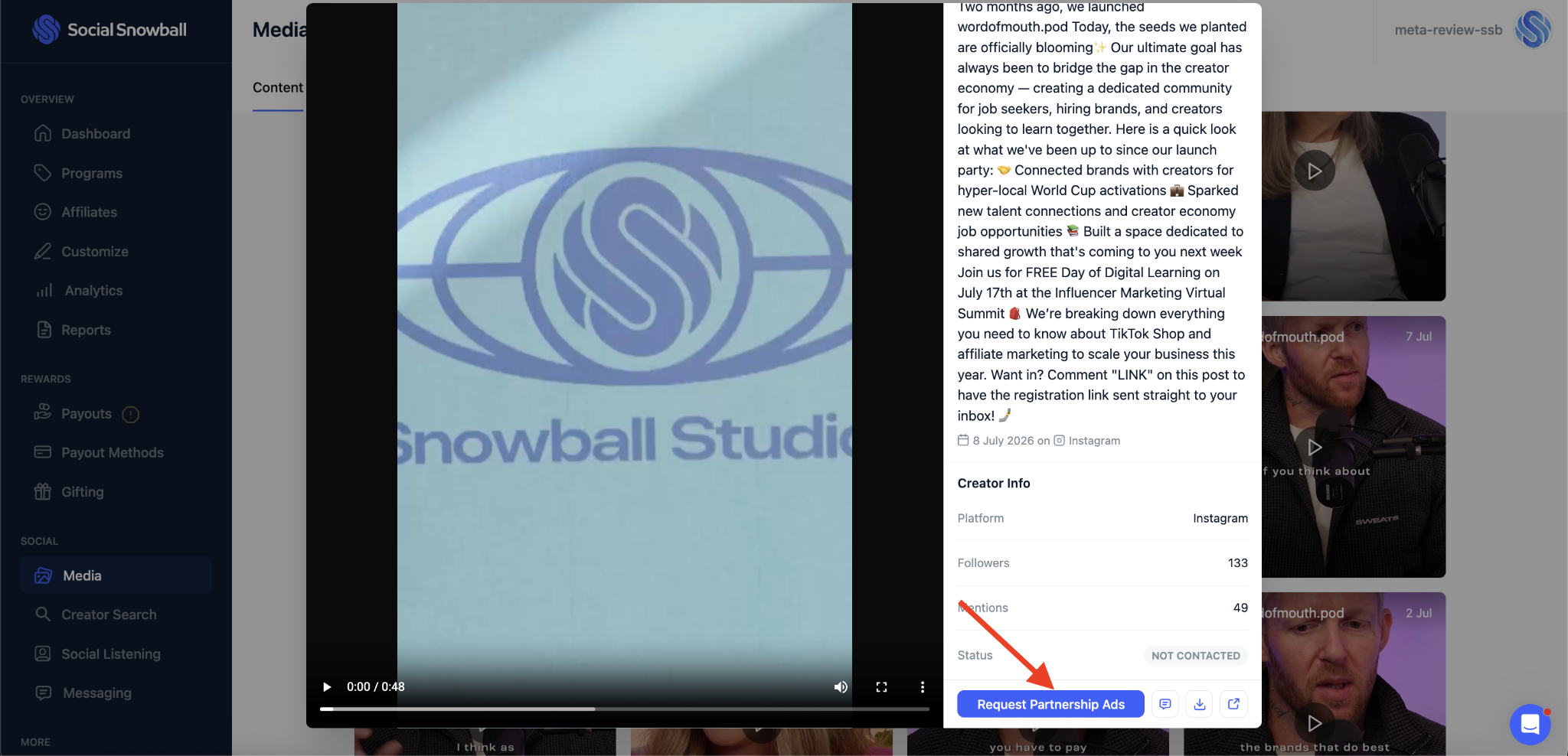
- Prepare partnership ads: Identify your strongest creator content and turn it into winning paid ads. With Social Snowball, you can request and manage Meta Partnership Ads access from your dashboard, track creator permissions, and find ad-eligible content in your media library.
- Target high-LTV customers: Build lookalikes from your highest-value customer cohorts.
“Target lookalike audiences based on high-LTV customers to acquire new shoppers who are more likely to become loyal, profitable buyers.”
- Triple Whale
Affiliates and influencers: Prioritize your strongest partners
Start with affiliates and influencers who already drive sales or consistently produce strong content. Give them the final BFCM offer, commission structure, key deadlines, and assets early enough to plan and produce their content.
When picking new partners, reverse engineer what makes your best creators effective. For example, the team at Warmies built its creator scoring system by studying the traits shared by its strongest existing affiliate creators, including audience, geography, content themes, and engagement. The team filtered out creators below its 70/100 qualification threshold before reviewing them.

For BFCM, build a simple qualification rubric around the signals that matter to your brand. You can score creators on:
- Audience fit
- Content quality and themes
- Engagement
- Past sales or affiliate performance
- Geography
- Ability to produce content consistently
Owned channels: Build your lists and flows
Use popups, giveaways, and early-access waitlists to grow your email and SMS lists before BFCM. At the same time, quality-check your abandoned-cart, browse-abandonment, price-drop, and early-access flows.
Segment your audience so each group gets a relevant offer:
- VIPs: Early access or exclusive bundles
- Past buyers: Relevant bundles and cross-sells
- Seasonal shoppers: Stronger discounts and urgency
Creative foundations: Define angles and prep assets early
Start by deciding which customer motivations you want your BFCM campaign to cover. Choose a few clear angles around urgency, gifting, exclusivity, and value, and use them consistently across creator content, paid ads, and owned channels.
Give creators enough structure to execute those angles without turning every piece of content into the same ad. Provide the product, key benefits, BFCM offer, campaign objective, customer problem or outcome, and any required claims or brand guidelines. Leave the hook, format, wording, pacing, and delivery to the creator.
For paid creator content, provide more prescriptive scripts and shot lists when the format requires them.
Electro took a similar approach with its creator program. Instead of waiting for creators to produce everything themselves, the team gave each athlete 5 custom graphics, personalized messaging, unique, one-time codes using Safelinks, and a custom Notion onboarding page with digital rewards. That meant athletes had promotional material ready from the start.
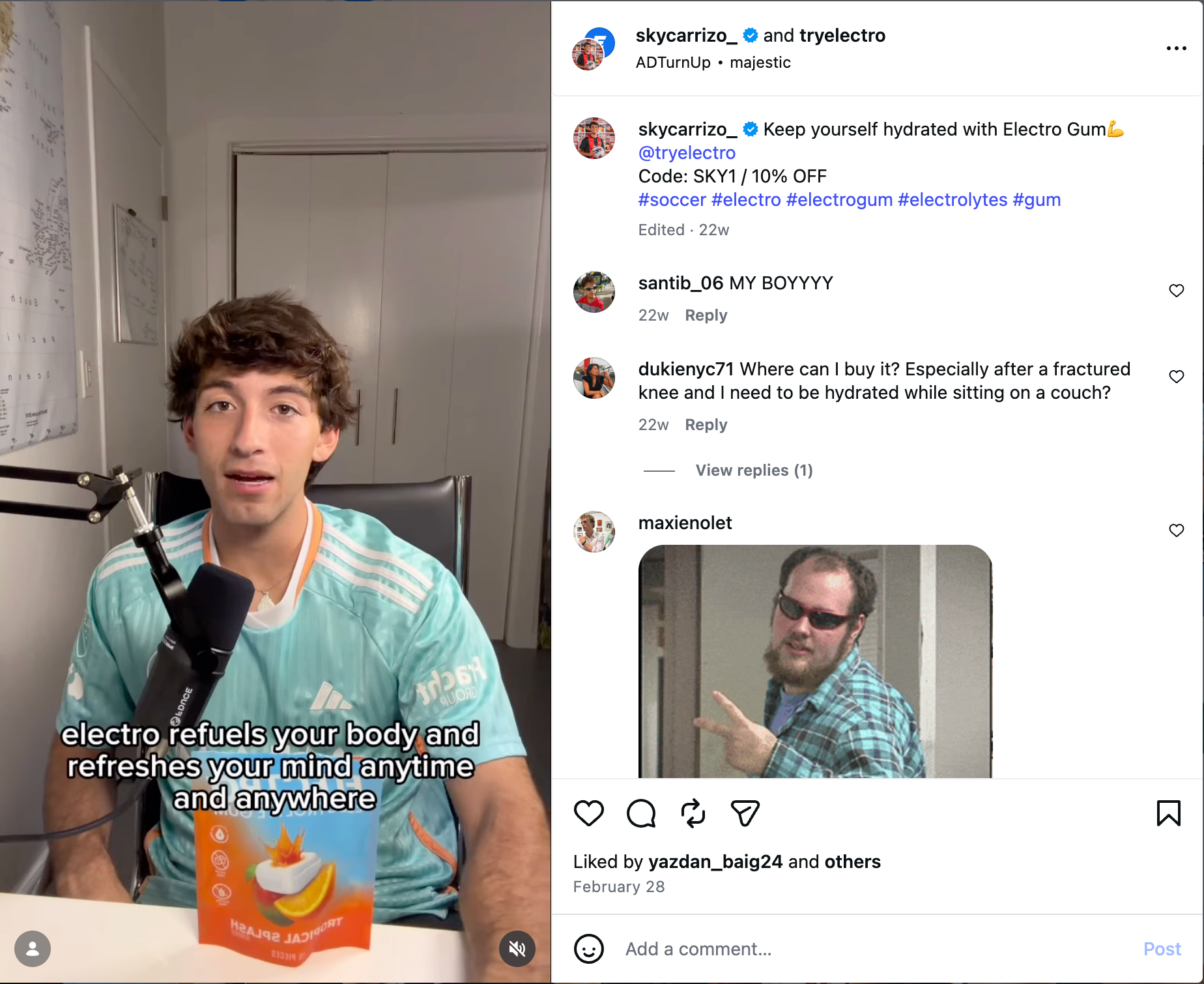
For more on building creator content that converts, read our blog on ‘The Creative Strategies Behind High-Converting Creator Campaigns.’
Day 3: Optimize landing pages
BFCM sends more high-intent traffic into the same funnel, so small points of friction or uncertainty can become expensive at scale.
Focus your landing-page work on the moments most likely to change the purchase decision: proof, offer clarity, and checkout.
Add social proof where it influences purchase
Put your strongest proof close to the buying decision rather than making shoppers search for it.
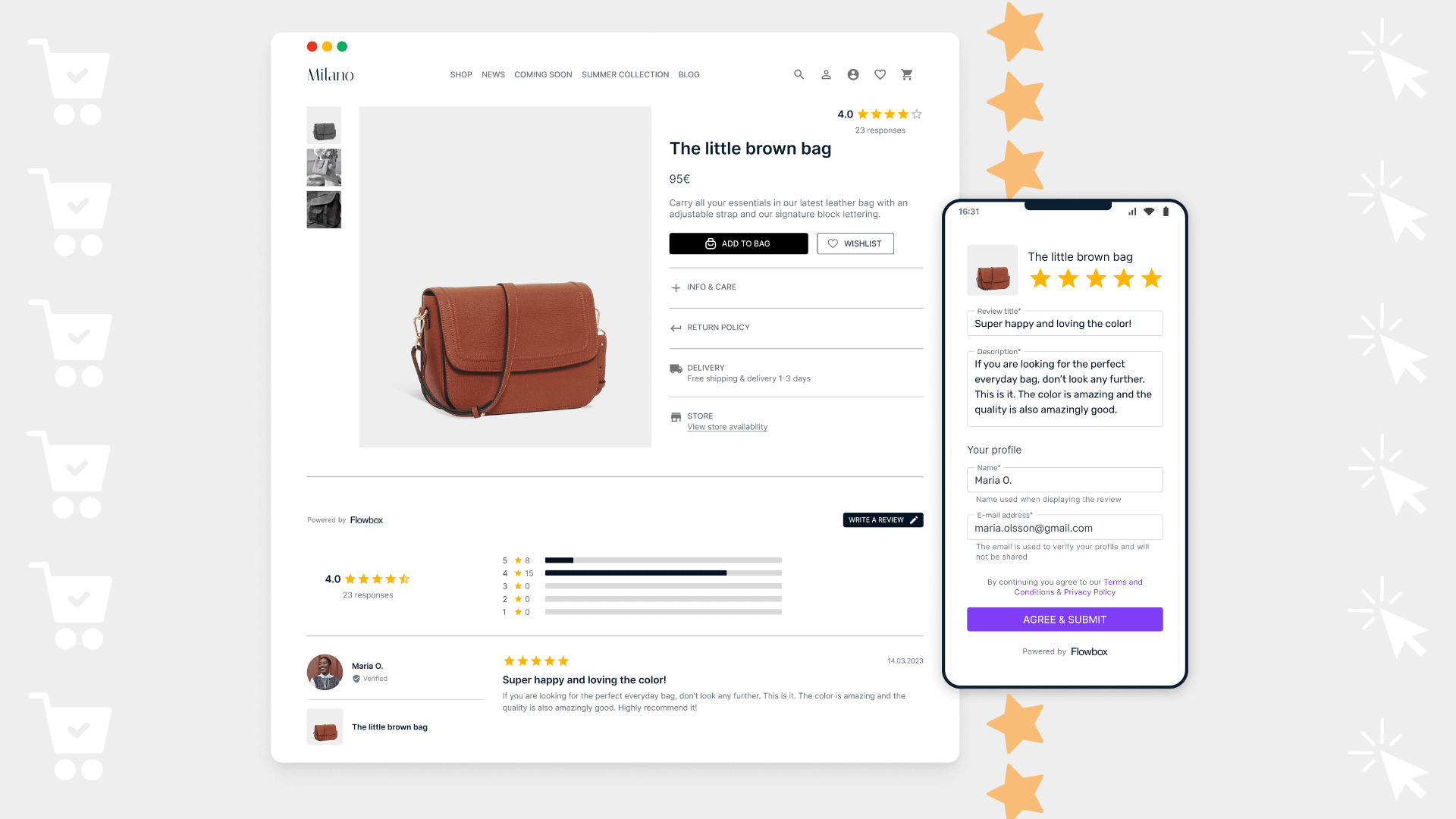
- Reviews and star ratings: Place ratings with tools like Yotpo below the product title and surface 2–3 reviews that address common BFCM objections, such as shipping or product quality.
- UGC placement: Place relevant customer photos and videos alongside the product and offer.
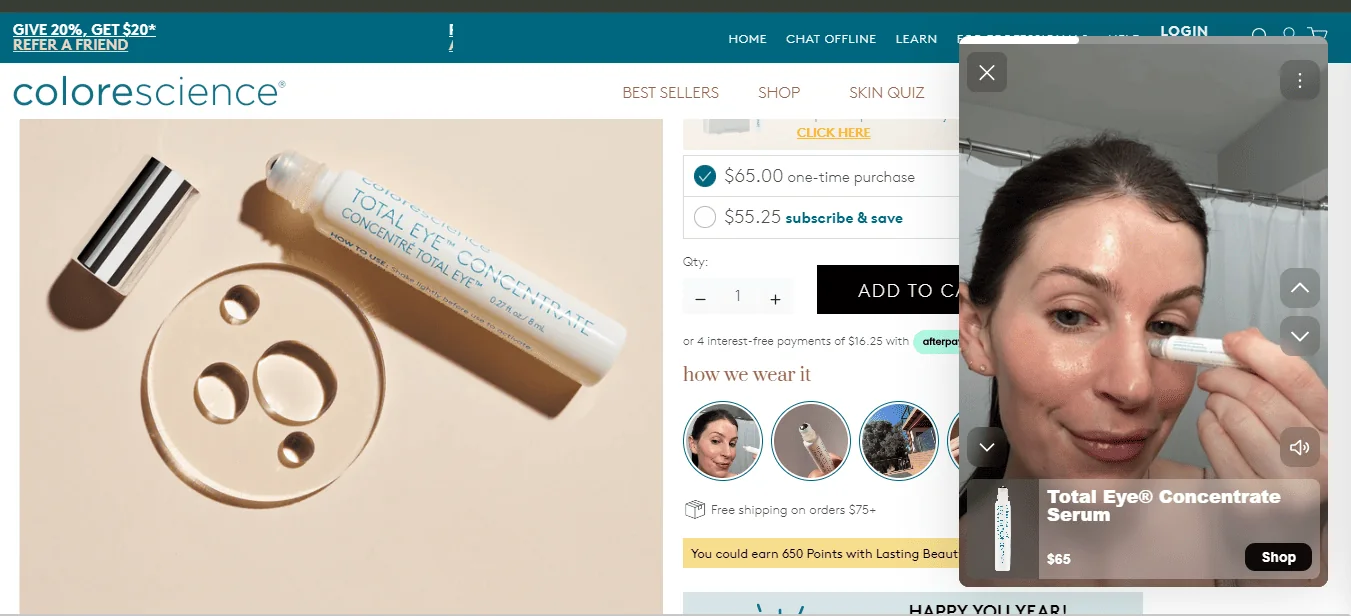
- Dedicated BFCM page: Give high-intent traffic one place to compare your key offers, bestsellers, bundles, and proof.
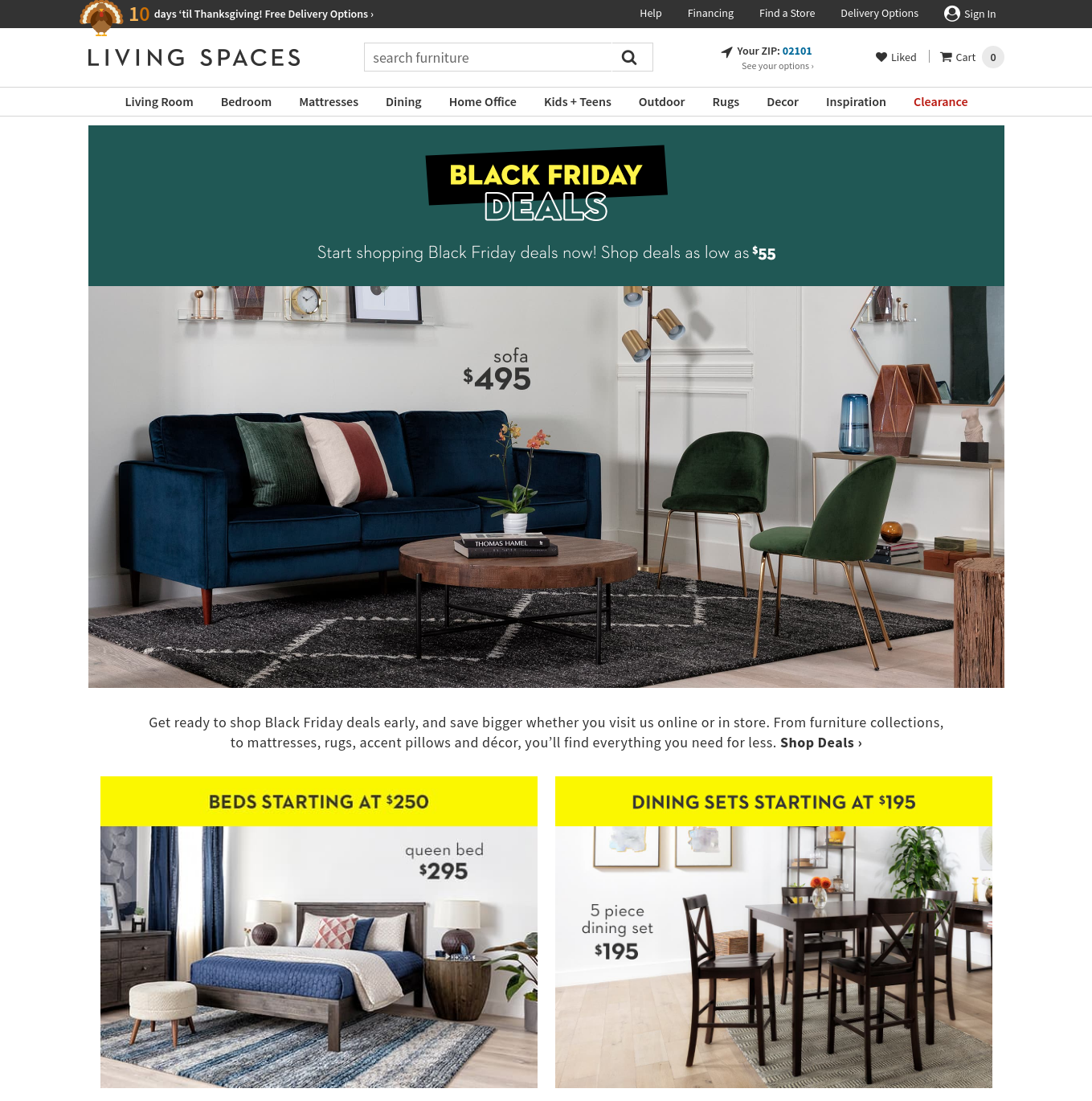
- Shoppable video: Add interactive product videos with Videowise to showcase demonstrations and UGC, helping shoppers see the product in use and reducing purchase hesitation.
Make the offer impossible to miss
BFCM shoppers shouldn't have to piece together the offer, its deadline, or any relevant restrictions while moving through the funnel.
- Offer visibility: Make the discount, bundle terms, and end date clear near the purchase decision.
- Urgency: Use countdowns or inventory signals where they reflect a genuine deadline or constraint.
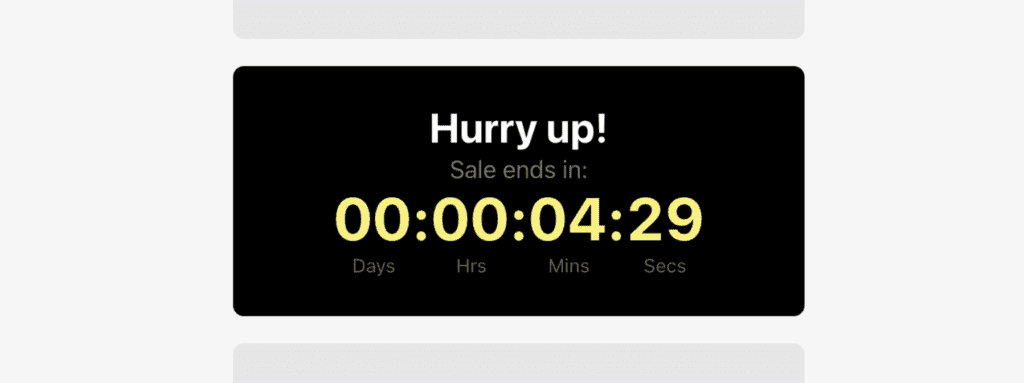
- Mobile purchase path: Keep the primary action accessible as shoppers move through the PDP.
Remove friction from the purchase path
Prioritize QA based on traffic and revenue exposure, not a generic site-wide checklist. Test your highest-volume acquisition paths across devices and browsers, from the first landing page through checkout.
- Speed test: Run a complete purchase on your highest-traffic PDPs and landing pages across iOS, Android, and multiple browsers. Check for page-speed issues, broken redirects, or checkout friction.
- Mobile checkout QA: Test every payment method, redirect, and checkout step on mobile. Compress oversized images, lazy-load UGC blocks, and remove unused apps or scripts that slow down key pages.
- Distraction audit: Remove unnecessary popups, navigation elements, and other interruptions that can pull shoppers away from checkout.
Day 4: Finalize offers
Work backward from contribution margin, AOV, and customer value to determine where discounting creates incremental value and where bundles, loyalty, referrals, or subscriptions can do the job without deeper markdowns.
Build your core BFCM offers
Build the offers that will anchor your acquisition and retention campaigns.
- Set discounts around your margins: Avoid blanket discounts when different product lines have different margins. Use deeper discounts selectively where the economics support them. A 20% discount on core products and 30% on higher-margin products can give you more room to sell without applying the deepest discount everywhere.
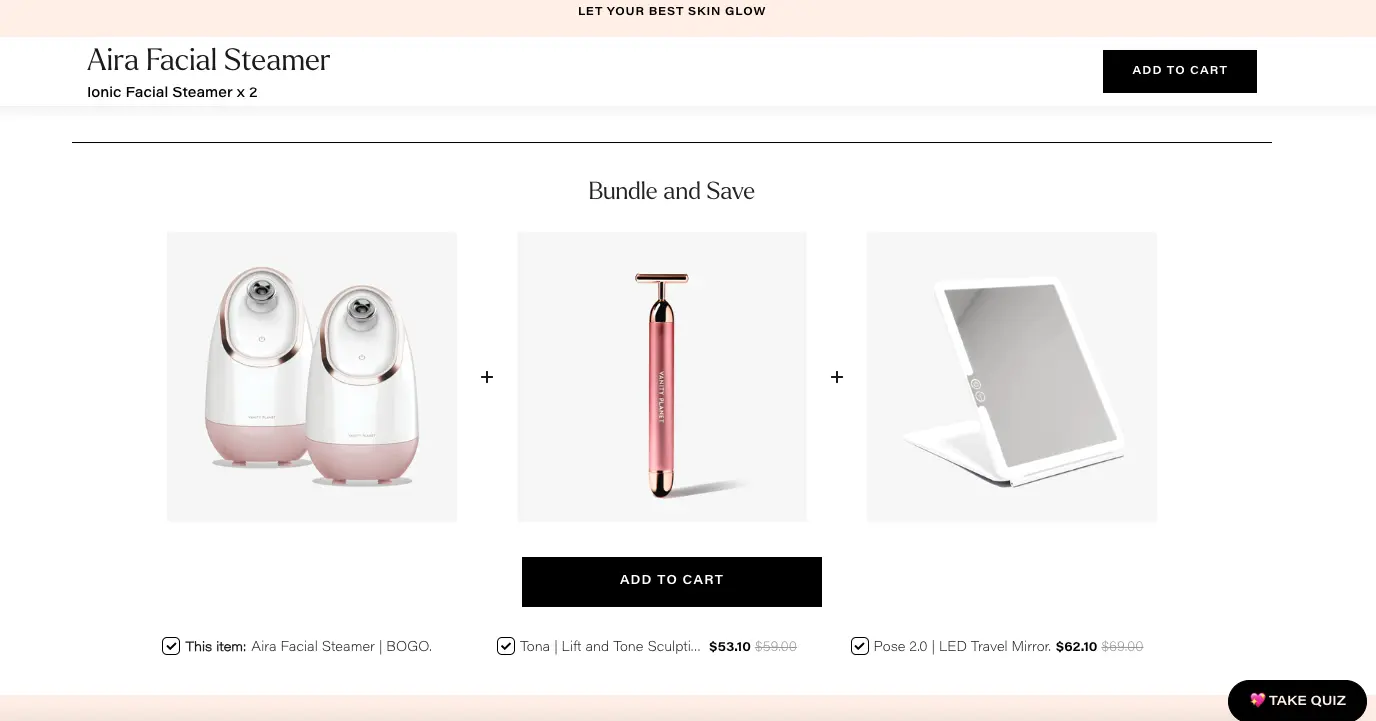
- Use bundles to raise AOV: Package complementary products into a single offer instead of discounting individual SKUs more heavily. For example, Henson Shaving used Simple Bundles to increase Q4 AOV by 21% using two curated bundles with light or no discounting.
- Add referral incentives: Give customers an additional referral reward for driving a purchase during BFCM, creating another acquisition path without relying entirely on paid spend.
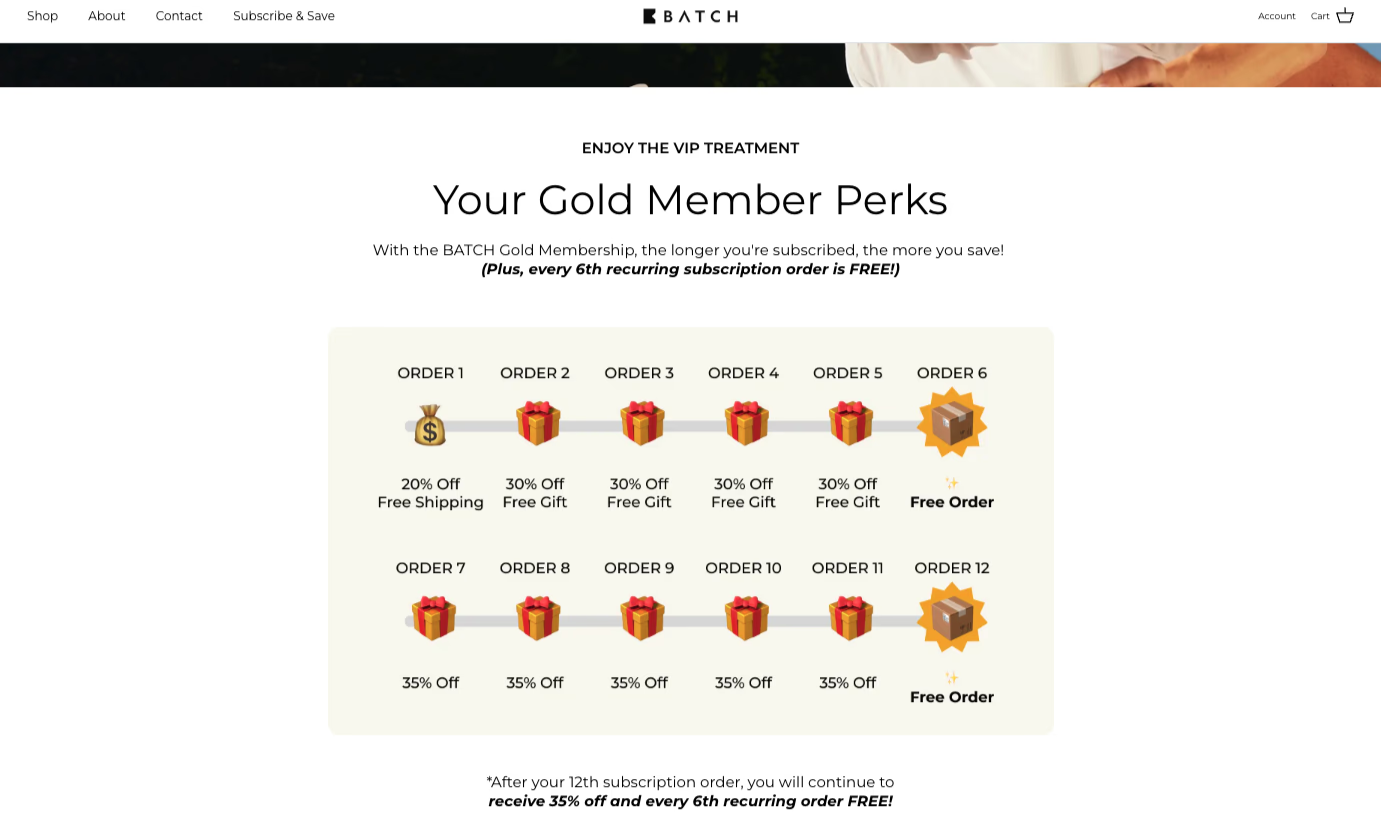
- Build subscription offers into the promotion: Use BFCM to trade a short-term incentive for longer-term customer value through subscription upgrades, recurring-order incentives, or one-time add-ons. With Skio, you can set up these subscription offers and let existing subscribers add one-time products without re-entering payment details.
Give loyal customers a reason to buy first
Reserve differentiated access or incentives for your highest-value customers rather than giving every audience the same promotion.
Give your top 10–15% of customers 24-hour early access, double loyalty points, exclusive bundles, or member-only discounts. Keep the messaging separate from your general BFCM campaigns so these customers know they're getting a specific perk.
“The most common mistake we see brands make with loyalty programs is failing to differentiate messaging for members versus non-members. When brands treat loyalty members the same as everyone else, they miss out on major revenue opportunities from their most valuable customers.”
- Yotpo
Use spend tiers to increase AOV
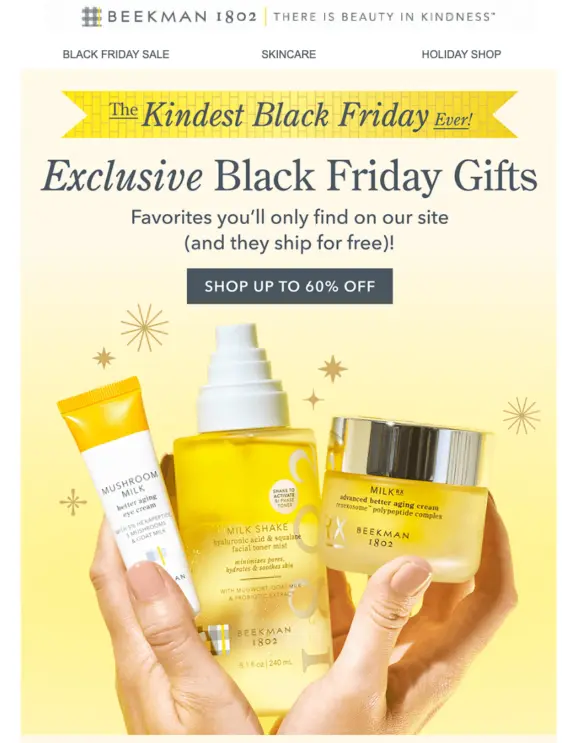
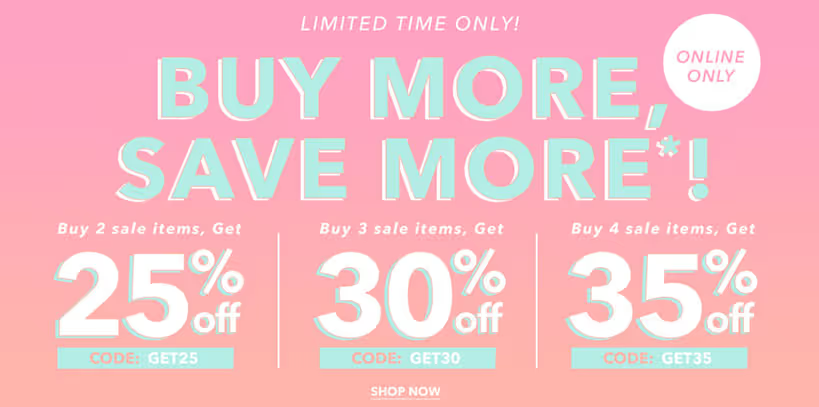
Set thresholds against your existing AOV and margin structure to create a reason to add to the cart. For example:
- Spend $100 → 15% off
- Spend $200 → 25% off
- Spend $300 → 30% off + free gift
If your current AOV is $85, a $100 first tier gives shoppers a realistic next target without setting the threshold too high.
Give affiliates one clear offer sheet
Once the offers are final, package the information affiliates and creators need into one BFCM partner kit:
- Discounts, bundles, and tier rules
- BFCM commission rates/flat-fees and bonuses
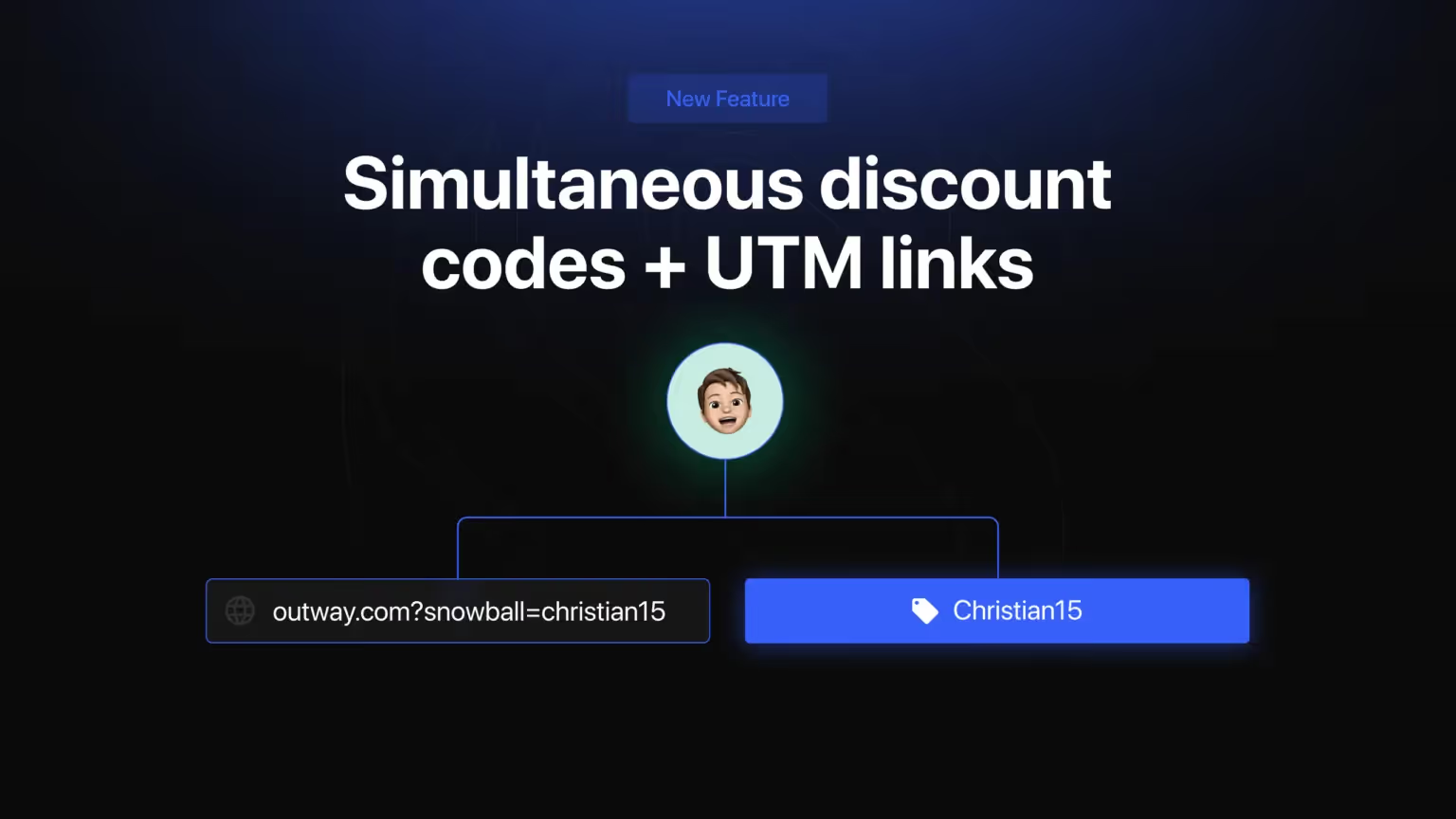
- Safelinks or other approved discount links
- Ready-to-use copy and creative assets
- Promotion dates and deadlines
Keep the final offers in one shared hub, so partners always have the latest version.
Day 5: Creative production
Build a testing matrix around customer buying moments, hooks, creators, and formats so you can identify which combinations drive acquisition. Prioritize creative diversity where it gives you a meaningful variable to test, rather than producing more versions of the same concept.
Collect authentic UGC you can repurpose
Your affiliates, creators, and customers are already a source of BFCM creative. Focus on collecting content that gives you different customer perspectives, product use cases, and creative angles.
- Commission creator content: Give creators the customer problem, product benefits, and desired outcome, then let them shape the hook and delivery in their own style. For paid UGC, use a tighter brief with specific shots and talking points.
- Secure usage rights: Get permission to repurpose creator content across paid ads, email, your website, and other marketing channels. Clarify the platforms, usage period, and whether paid media is included.
- Pull existing UGC: Review tagged posts, TikToks, and Instagram Reels from the past 6–12 months. Prioritize content that demonstrates the product clearly or offers a distinct customer perspective.
- Organize your library: Tag content by product, customer problem, format, hook, and use case so your team can quickly find assets for different campaigns.
- Keep discovery running: Pull new TikTok and Instagram mentions into your content library throughout BFCM rather than treating UGC sourcing as a one-time exercise.
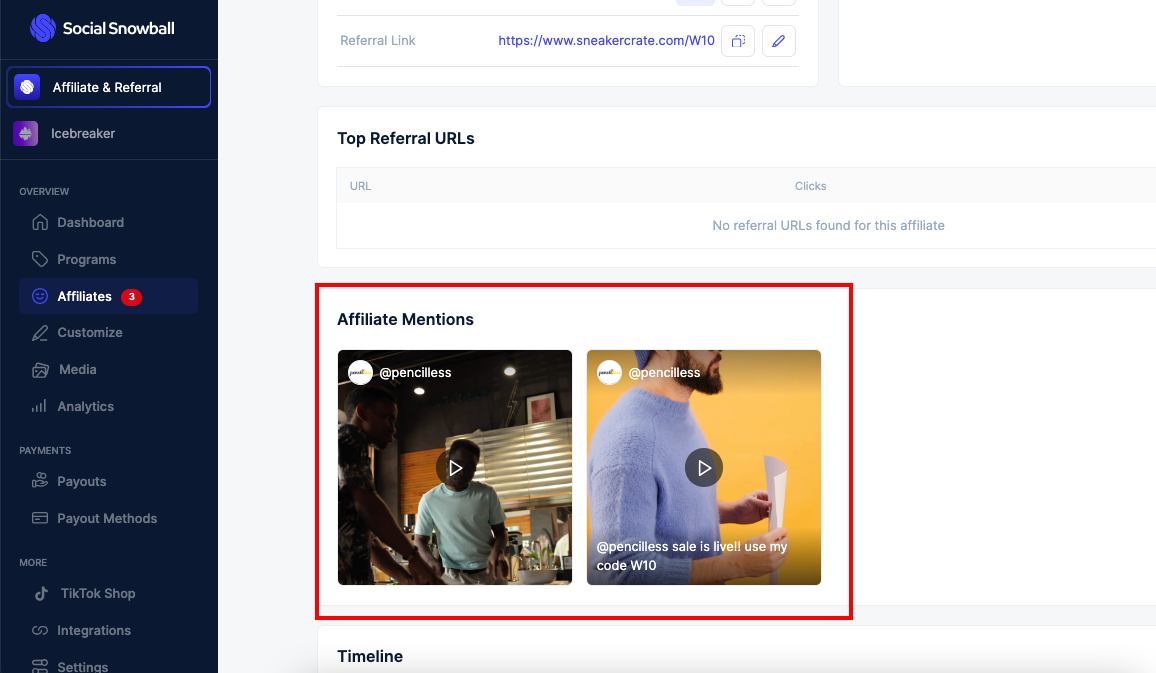
Social Snowball can save affiliate and TikTok Shop UGC directly to your media library, giving your team one place to find and reuse creator content.
Build creative around buying moments
The strongest BFCM creative gives shoppers a reason to care about the product, not just another version of the promotion. Start with the situation that prompted someone to look for the product: a problem they need to solve, a gift they need to buy, or something they want to replace or upgrade.
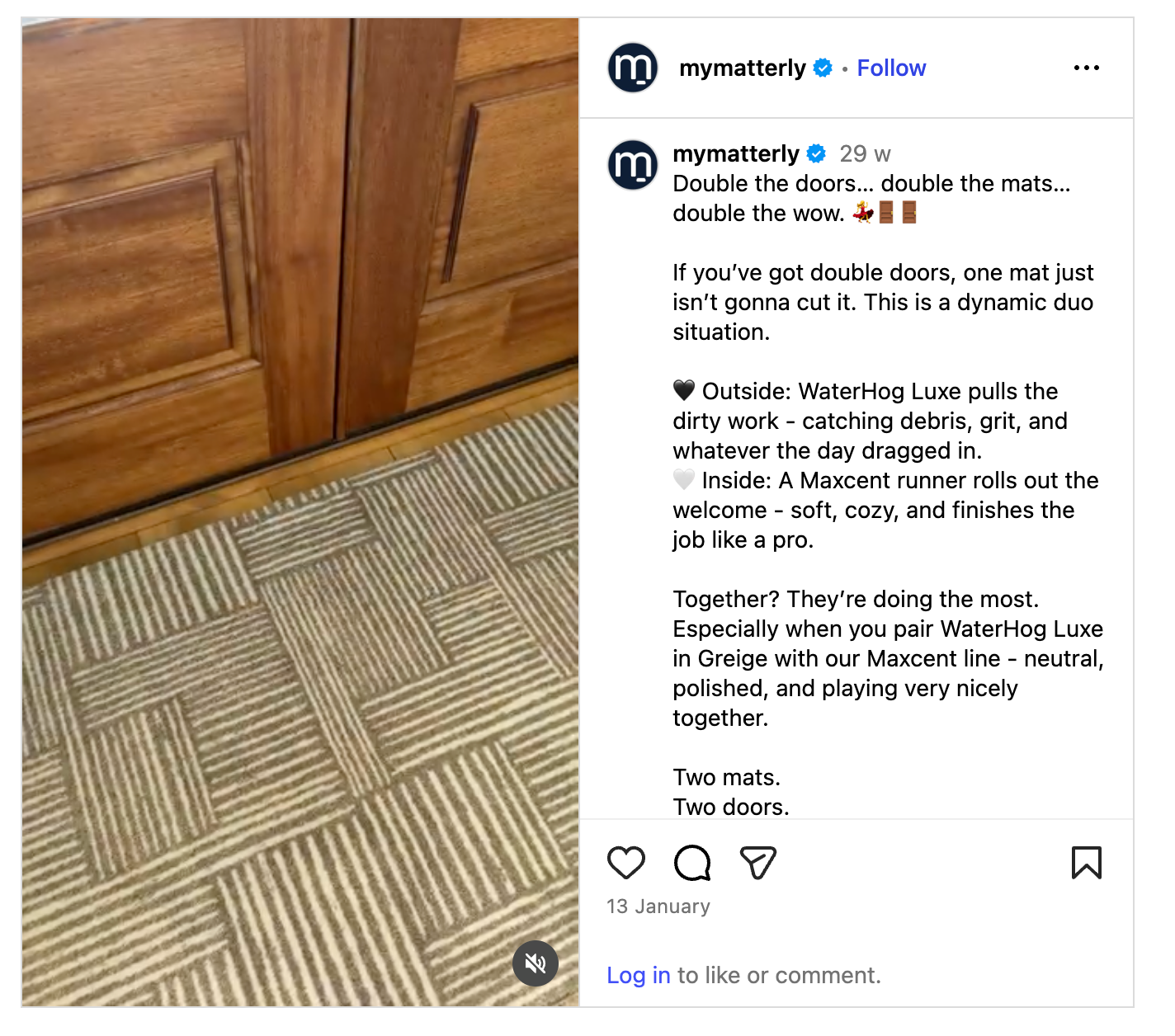
For example, WaterHog built creator content around situations such as muddy dogs coming into a clean home and homeowners struggling to find a mat wide enough for their entrance, rather than leading with product features. One angle became “I finally found a doormat big enough for my double doors.”
Build your BFCM testing matrix around distinct customer stories:
- Problem: “My dog keeps tracking mud through the house.”
- Gifting: “The gift your sister will actually use.”
- Upgrade: “I needed a mat that would last.”
- Outcome: “I wanted my entryway to look finished.”
Adapt winning concepts across channels
Once you identify concepts that resonate, adapt them to each channel rather than simply resizing the same asset.
- Meta: Test different hooks across video, carousel, and static ads. Use urgency-led creative for retargeting.
- TikTok: Test different creators, hooks, formats, and customer stories while preserving natural creator delivery.
- Google Display: Distill the winning product and offer message into simple display creative.
- Email, SMS, and push: Carry proven creative angles into headers, testimonials, GIFs, and short-form copy.
- On-site: Bring strong creator videos onto PDPs as shoppable content.
Make your creative easy to repurpose
Make strong concepts easy to refresh as the BFCM offer and customer urgency change. Keep hooks, overlays, CTAs, products, and offers modular so you can update an asset without starting from scratch.
Keep your creator pipeline active throughout BFCM. Creative performance changes, so you need a steady flow of new creators, hooks, angles, and briefs instead of relying on the same few videos.
Day 6: Build & test communication flows
By this point, you’ll have the creative and audience inputs to connect acquisition activity with the flows that move shoppers from interest to purchase. Use those inputs to make recovery messaging more relevant to the intent that brought each shopper in.
Build revenue-recovery flows
Set up your key recovery flows before traffic picks up:
- Abandoned cart: Bring shoppers back with the product they viewed, the BFCM offer, and a direct path to checkout.
- Browse abandonment: Use product-specific messaging and relevant UGC or reviews for shoppers who showed strong buying intent.
- Price-drop alerts: Re-engage shoppers who viewed a product before your BFCM offer went live.
- Early-access flows: Move waitlist subscribers into your BFCM launch sequence, so they receive the offer they signed up for.
Keep recovery messaging connected to the acquisition experience. If someone clicks through after seeing a creator explain a specific product benefit, carry that same benefit into the landing page and follow-up messaging.
Capture pre-BFCM visitors with targeted popups
Turn pre-BFCM traffic into identifiable shoppers before the main sale starts.
- VIP waitlist: Offer early access in exchange for an email or SMS signup.
- Early-access signup: Tell shoppers exactly what they'll get and when.
- Product-led giveaways: Use your hero product as the incentive to attract shoppers with genuine product interest rather than generic giveaway entrants.
Use tools like Alia to capture and identify high-intent visitors with targeted popups, so you can build your BFCM email and SMS audiences before the sale starts.
QA tracking and attribution before scale
Test the complete customer journey before you increase spend. Prioritize the paths carrying the most traffic and revenue exposure.
- UTMs: Standardize naming across paid, creator, email, and SMS campaigns.
- Pixels and events: Verify Meta, TikTok, and Google events from landing page through purchase.
- Affiliate tracking: Test links, attribution, and commissions through a real customer journey.
- Email and SMS triggers: Confirm browse, cart, price-drop, and early-access flows fire correctly under the right conditions.
- Mobile and desktop: Test the journey across mobile and desktop, including guest checkout.
By the end of Day 6, your key acquisition and recovery flows should be live, tested, and correctly attributed.
Day 7: Personalization & segmentation layer
Use customer value, purchase behavior, and recent intent to decide which audiences should receive specific offers, messages, and campaign treatments.
Segment audiences by buyer type
Start with segments where the difference in treatment can materially affect revenue or margin:
- Loyal customers: Prioritize early access, exclusive bundles, or loyalty rewards over deeper discounts.
- Lapsed buyers: Use a stronger offer or reactivation bundle to bring them back.
- Seasonal buyers: Lead with BFCM urgency, limited availability, and products they typically buy during the holidays.
- First-time shoppers: Use product proof and education to reduce purchase hesitation.
- Gift shoppers: Show curated bundles, gift guides, and relevant shipping deadlines.
Match the offer to the customer
Use customer value and purchase behavior to decide who gets access, what they see, and how much incentive they need. High-LTV customers, for example, may respond to access or exclusivity without requiring your deepest discount.
Sunday Swagger illustrates the value of differentiated access: the brand launched 13 products exclusively through its Tapcart app before BFCM and saw a 25% increase in app conversion rates.
For discount-sensitive or lapsed shoppers, use stronger offers selectively on products or bundles where the margin supports them. You can also use purchase history to tailor bundles, such as showing a replenishment bundle to a repeat buyer or a starter kit to someone exploring a new category.
Use customer intent to shape the message
Use recent engagement to decide what each shopper needs to move forward.
A product viewer who hasn't purchased needs a different message from someone who started checkout, while a repeat buyer browsing a complementary category may be ready for a cross-sell.
Build audiences using combinations of recency, frequency, product/category interest, checkout activity, and engagement with your BFCM campaigns.
Then map each audience to a specific message: product proof for researchers, urgency for active shoppers, shipping information for last-minute gift buyers, or a targeted incentive for engaged non-buyers.
Orchestrate the experience across channels
Once segments are defined, make sure the customer's state carries across paid, CRM, and onsite experiences.
Klaviyo found that shoppers reached through both email and SMS placed 11% more orders and added 34% more items to cart than those reached through a single channel.
- Prioritize the highest-intent channel: Use email for product discovery and consideration, SMS for time-sensitive or high-intent moments, and paid media for acquisition and retargeting.
- Suppress competing campaigns: Remove purchasers and shoppers already in relevant CRM flows from overlapping paid and promotional campaigns.
- Change the next touch based on behavior: Move clickers who haven't purchased into product-specific messaging, cart abandoners into urgency messaging, and purchasers out of acquisition campaigns.
- Sync audience rules: Keep behavioral segments consistent across your ESP, SMS platform, ad accounts, and onsite tools so channels respond to the same customer state.
Day 8: Paid social testing & affiliate activation
Put your prepared creative and affiliate program into market and use early performance to decide where to concentrate spend, creative production, and partner attention.
Test creative before you scale spend
Run a small set of controlled tests to identify which combinations of creator, customer story, hook, and format are producing efficient acquisition.
- Test different hooks, customer stories, and formats, and build a mix of creator content and creative angles. Different customer stories and content styles can appeal to different buyer motivations, giving you more ways to turn new audiences into customers.
- Judge creative on CAC alongside downstream signals such as add-to-cart rate, checkout starts, and AOV.
- Move budget toward creative that meets your CAC target without weakening downstream customer behavior.
- Cut weak variations quickly enough to replace them with new concepts.
Keep the variables you’re testing clear. If you change the hook, format, and offer simultaneously, you won't know what drove the result.
Put winning creator content into paid social
Treat strong affiliate content as another source of paid creative. When a creator video already shows strong engagement or conversion potential, test it with paid spend to reach audiences beyond the creator's organic following.
Test strong TikTok Shop content on Meta as well. The same creative can perform differently when introduced to a new audience.
Meta Partnership Ads let you run creator content through the creator's Instagram or Facebook account, keeping their handle and social context attached to the ad. You can request access to individual posts or broader account-level access for ongoing creator relationships.
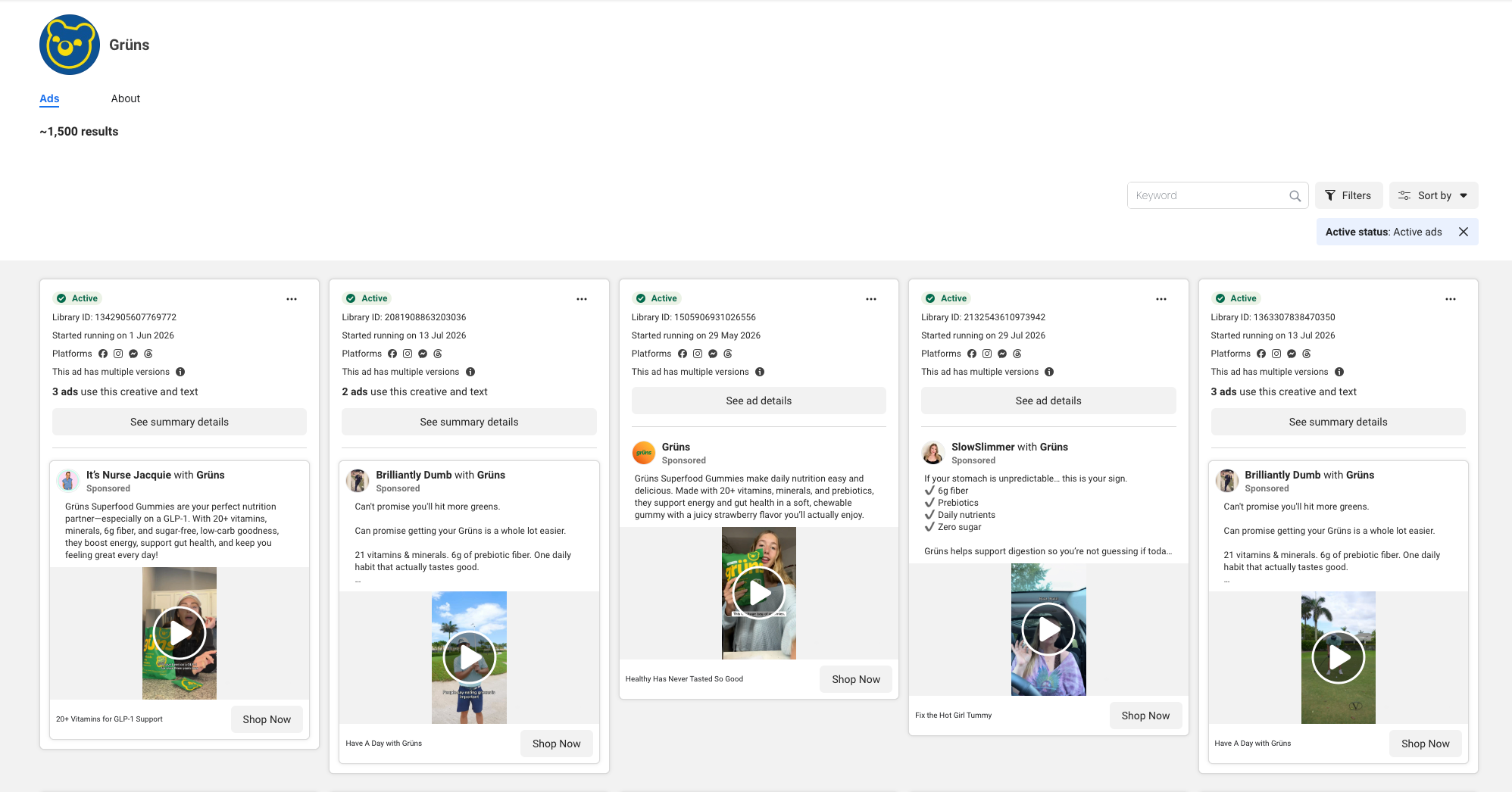
For example, Grüns has roughly 1,600 active Meta ads, with 33% of a 613-ad sample coming from creator accounts. Those ads came from 55 creator partners and covered different product angles, from nutrition and digestion to testimonials, product demos, and offers.
Social Snowball lets you manage Meta Partnership Ads from your dashboard: find ad-eligible creator content, request Partnership Ads access, track creator permissions, and hand approved content to your paid team without managing the process across spreadsheets and DMs.
Keep affiliates engaged and activated with the right resources and messaging
Set up a communication cadence that keeps affiliates informed as BFCM offers, incentives, products, and priorities change, so they can act quickly when an opportunity comes up.
- Keep payout communication running: Automate emails around rewards and payouts so affiliates can see when they've earned and been paid.
- Send timely campaign updates: Share BFCM offers, new products, commission changes, challenges, and key campaign dates as they come up.
- Adjust incentives: Use bonuses, commission changes, or product priorities to encourage high-performing partners to promote during key BFCM moments.
- Give each group relevant information: Send different announcements to specific programs or affiliates when an offer, incentive, or product only applies to them.
- Keep resources accessible: Make current offers, creative, affiliate links, and campaign details easy to find so partners can act without waiting on your team.
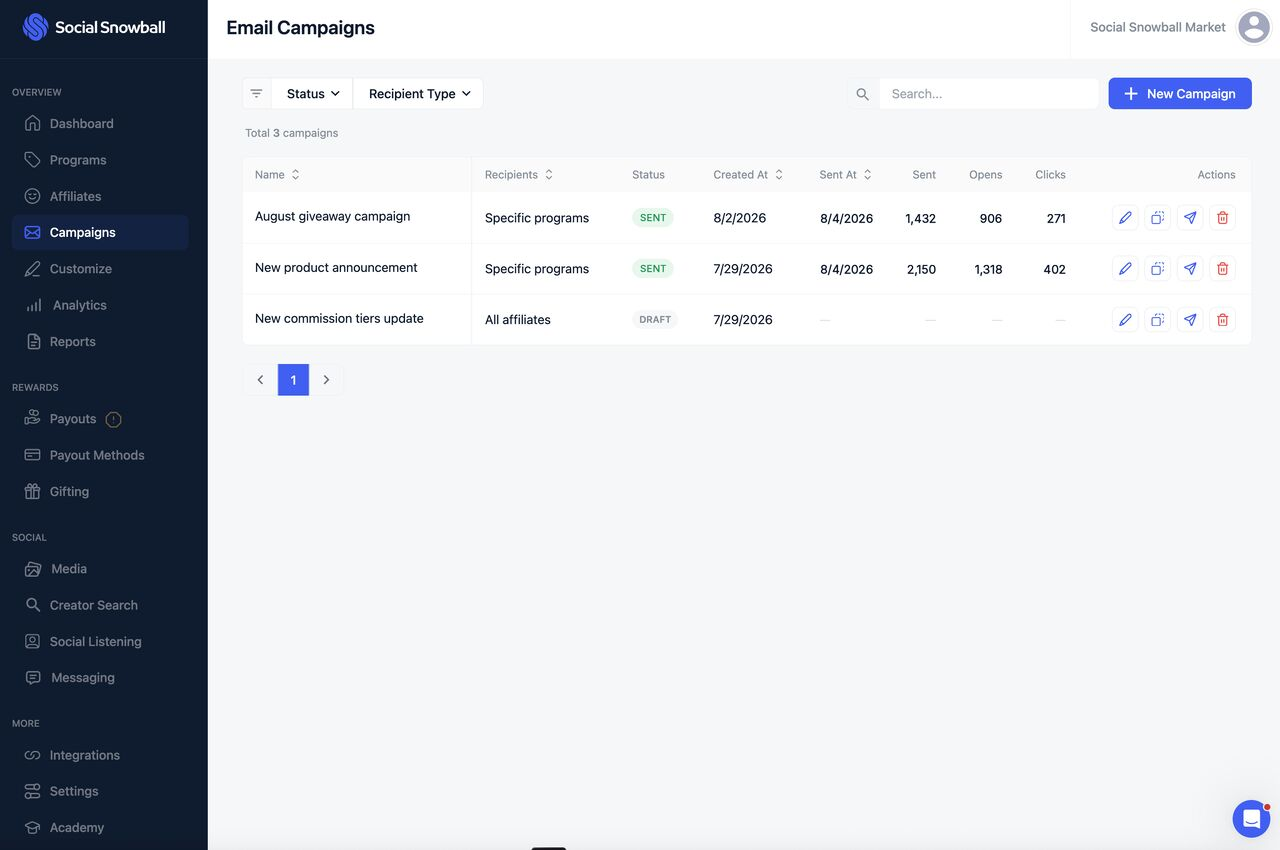
Social Snowball's Email Campaigns lets you send branded, one-time emails to all affiliates, specific programs, or individual partners, with personalization and performance tracking built in.
Day 9: Run warm-up campaigns
Use the days leading up to BFCM to build high-intent audiences, activate demand, and prepare your email and SMS programs for increased volume.
Build your early-access audience
Use teaser campaigns to turn pre-BFCM traffic into identifiable, high-intent shoppers.
- Teaser ads: Promote the upcoming sale or early access without revealing the full offer.
- Waitlist pages: Give shoppers a clear reason to sign up before sending them into the broader shopping experience.
- Retargeting audiences: Build audiences from people who engage with your ads, visit your site, or join the waitlist.
Keep the promise specific. Tell shoppers what they'll get by signing up and when they'll hear from you.
Activate creators and affiliates before launch
Start affiliate communication early enough for creators to plan, produce, and schedule their BFCM content. Your first message should give them the sale dates, offer, priority products, commission or bonus structure, and key campaign deadlines so they know what to promote and when.
A simple sequence could look like:
- Announcement: Share the BFCM offer, dates, priority products, and campaign brief.
- Content reminder: Follow up with creative assets, product talking points, affiliate links, and the date you want content live.
- Launch reminder: Send the final offer details and remind creators when the sale goes live.
- Mid-sale update: Share performance highlights, remaining time, or any changes to the offer to give affiliates a reason to keep promoting.
Warm up email & SMS deliverability
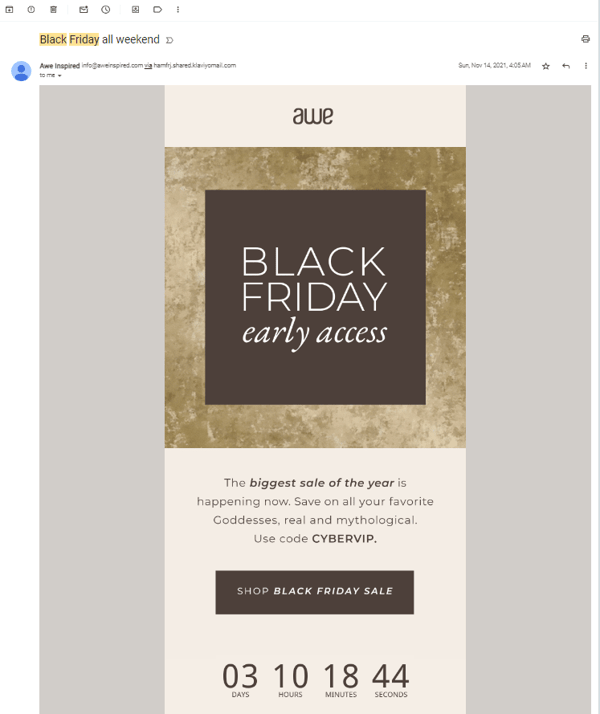
Don't wait until Black Friday to send your first major campaign. Build toward higher BFCM volume with engaged subscribers first, using early-access announcements, product recommendations, gift guides, BFCM previews, and segmented offers.
Postscript recommends mixing full-list campaigns with segmented messages and automated sends during the BFCM period rather than relying on the same message for everyone.
“Send full-list campaigns on major sale days, but mix in segmented messages and automations the rest of the week. To stand out and avoid overwhelming people, send at slightly off-the-hour times when inboxes are less crowded. When paired with clear value in every send, this cadence lets you increase frequency without losing trust.”
- Postscript
Watch engagement and deliverability as your send volume increases. If a segment is consistently disengaged, avoid pushing the same frequency to them as your active subscribers.
Day 10: Lock your BFCM launch plan
At this point, your campaigns, audiences, offers, and creatives should already be in place. Use the final day to lock the rules for how you’ll manage performance once BFCM is live: where to scale, when to pull back, how audiences move between campaigns, and which metrics trigger a change.
Set your scaling and cut rules
Define the thresholds that will determine when you increase spend, shift budget, refresh creative, or pull back. For example:
- Scale: Increase budget when a campaign meets your CAC or NC-ROAS target without a deterioration in customer quality.
- Cut: Pause or reduce spend when CAC exceeds your ceiling or downstream conversion starts to weaken.
- Refresh: Rotate creative when frequency rises or performance declines, rather than waiting for the campaign to fully fatigue.
- Protect: Set limits around inventory, contribution margin, and discount depth so a high-converting campaign doesn't create a problem elsewhere in the business.
Lock your campaign sequencing
Define clear start and stop conditions for pre-launch, early-access, and BFCM campaigns.
Make sure audiences move between campaigns as they take action, so you don't keep spending on customers who have already converted or send them conflicting offers.
Create a live BFCM decision dashboard
Put the metrics that inform your scaling rules in one place. Monitor CAC, NC-ROAS, N-CPA, contribution dollars, AOV, conversion rate, spend, and customer quality against the benchmarks you established earlier.
At the same time, keep an eye on underlying systems that can disrupt performance, like checkout, inventory, affiliate tracking, landing pages, and campaign links. Fix anything that breaks before you increase spend.
By the end of Day 10, your team should have clear rules for what happens when performance changes, rather than having to make those decisions from scratch once BFCM is underway.
Ready to scale your acquisition before BFCM hits?
You’ve spent the last 10 days getting your acquisition strategy ready, from auditing your funnel and tightening your offers to preparing creative, testing paid campaigns, and activating your affiliates.
Now you can go into BFCM knowing which channels to scale, which audiences to prioritize, and where your acquisition spend should go.
Social Snowball gives your team the infrastructure to turn creator and affiliate activity into an acquisition channel. The platform helps you recruit and onboard creators, turn customers into ambassadors, run gifting campaigns, manage affiliate links and Safelinks, run Meta Partnership Ads, track commissions, process payouts, and measure performance from one dashboard.
.png)
.avif)