The rewards you offer for referring determine whether customers actually share your brand or ignore your referral program entirely. When the incentive feels valuable and easy to understand, customers start recommending your products to friends, family, and followers.
This guide explains how to choose referral rewards that fit your goals, margins, and customer behavior. You’ll learn how different reward models work and how to structure them so your referral program consistently brings in new customers.
What are referral rewards?
Referral rewards are incentives that brands offer to existing customers or affiliates when they successfully bring in new customers. The reward activates once the referred friend completes their first purchase, creating a simple exchange: a customer shares the brand with someone they know, and both sides receive a benefit.
Within an ecommerce referral program, these incentives could be cash rewards, store credit, discounts, loyalty points, gift cards, or free products. The referral rewards you choose plays a role in how actively customers participate in your referral marketing efforts and how often they share your brand.
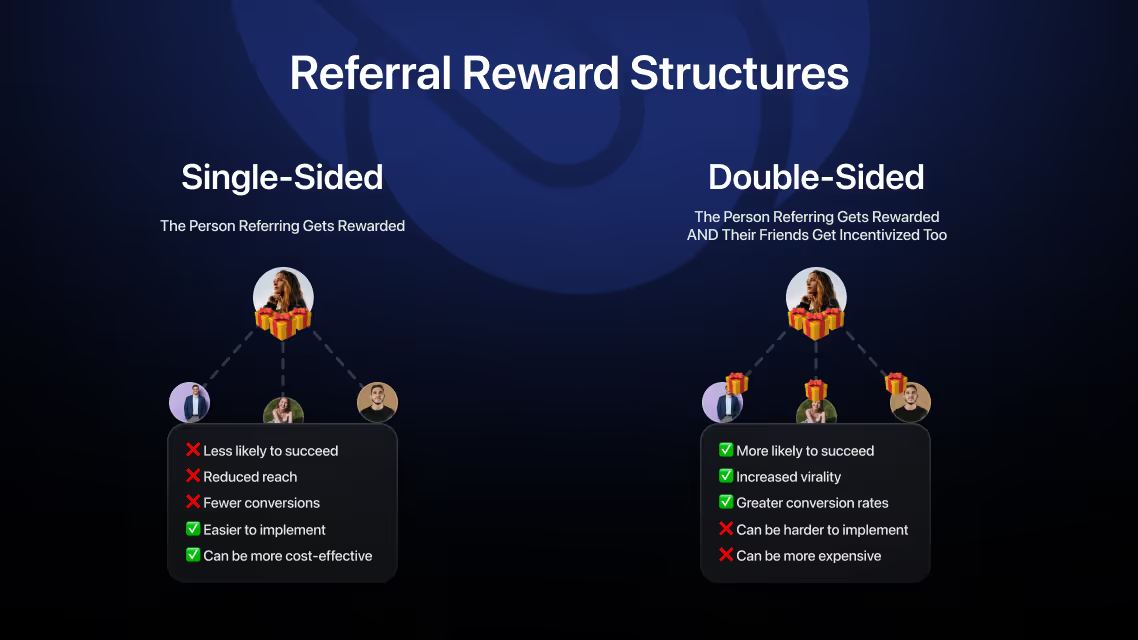
For example, haircare brand Divi built its referral marketing program around a clear incentive that customers immediately understand. The referred friend receives an immediate $10 discount on purchases of $45 or more, while the referrer earns $10 in store credit.
After launching the program through Social Snowball, customer referrals grew from under 1% to about 4% of total GMV within a few months. The program turned satisfied customers into promoters and created a scalable word-of-mouth marketing channel that consistently brings in new customers.
Why having the right referral rewards is important
When the right incentive aligns with your product and audience, referral marketing becomes a cost-effective customer acquisition channel. Choosing the right reward structure creates several advantages:
- Higher referral participation: Attractive rewards motivate loyal customers to actively share referral links with friends, family, and followers.
- Lower customer acquisition costs: Referral marketing brings in new customers through recommendations from satisfied buyers, reducing dependence on paid advertising.
- Higher-quality customers: Referred customers often trust the recommendation more, which boosts conversion rates and increases lifetime value.
- Sustained referral activity: Structures such as tiered rewards, loyalty points, or store credit encourage customers to keep sharing instead of making a single referral.
- Predictable economics: A clearly defined reward system helps brands estimate referral payouts and control costs as the program scales.
How referral rewards work
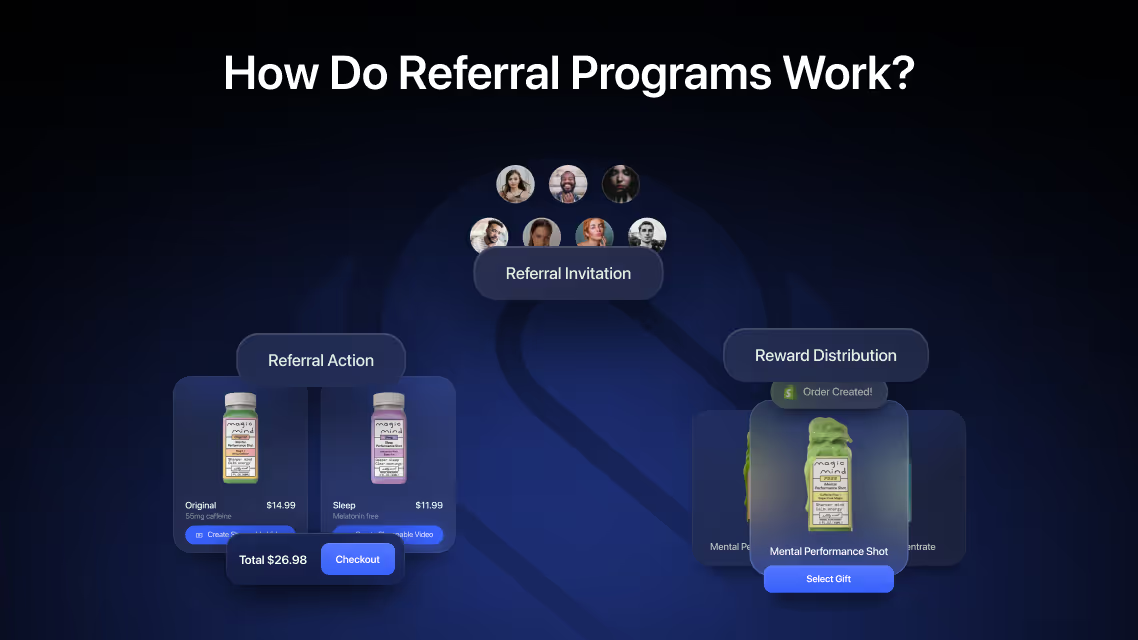
Referral rewards follow a simple operational flow:
- A customer completes a purchase and becomes eligible to join the reward program.
- The platform generates a unique referral link tied to that customer.
- The customer shares the referral link with friends through social media, email, or messaging apps.
- The referred friend clicks the link and lands on a page explaining the referral offer.
- The referred shopper completes their first purchase.
- The system tracks the referral and confirms the order.
- The reward is issued to the referrer through store credit, cash rewards, loyalty points, or gift cards.
- If the program uses a dual reward structure, the referred customer also receives their incentive.
Platforms like Social Snowball automate this entire process by generating referral links, tracking conversions, and issuing rewards automatically after a qualifying purchase. This allows brands to scale referrals without manual tracking or payout management.
Types of referral rewards
Different referral rewards motivate customers in different ways. The right option depends on your product price, margins, and how often customers purchase. Below are some of the most common reward types used in ecommerce referral programs and when each works best.
1. Cash back
Cash back rewards give the referrer a direct monetary payout once a referred friend completes a qualifying purchase. The reward usually arrives as cash, a bank transfer, or a digital payment.
Cash rewards work well when:
- Your product has a higher price point or high-value order size
- Customers need a strong incentive to actively promote the product
- You want to motivate creators or affiliates alongside customers
Since cash incentives have universal value, they often drive higher participation and stronger conversion rates in competitive markets.
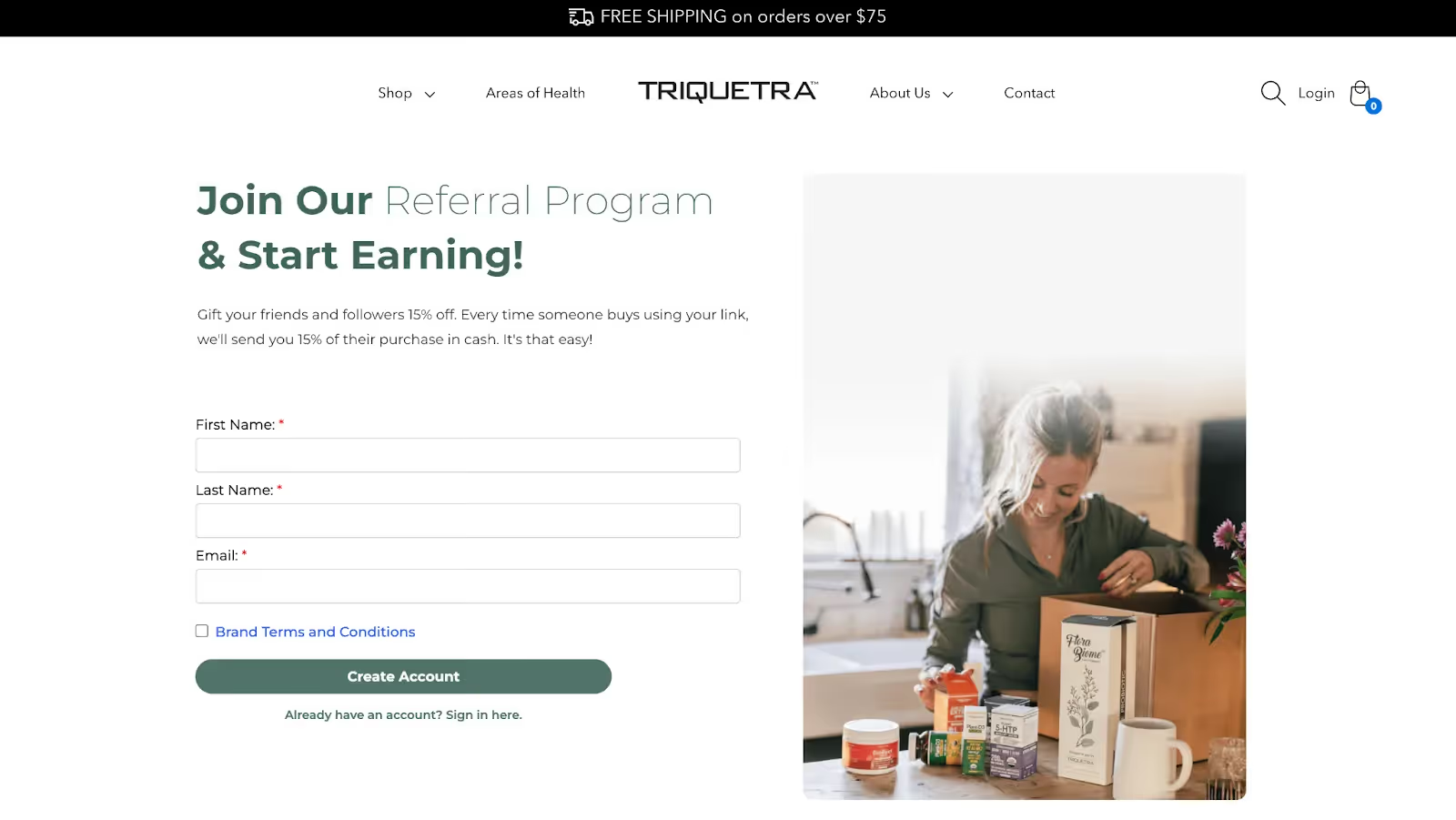
Triquetra Health structured its referral and affiliate program around commission-based cash rewards. Customers and creators receive a percentage payout whenever someone purchases through their referral links, which encourages ongoing promotion of the brand.
Using Social Snowball to automate onboarding, tracking, and payouts, the brand scaled its affiliate channel to generate over $350K in revenue per month.
2. Gift cards
Gift card rewards give customers store-based or third-party credits instead of cash. Customers receive a digital gift card after a referred friend completes their first purchase.
Gift cards work well when:
- You want a simple and flexible reward system
- Your customers prefer options like PayPal, brand gift cards, or digital payouts
- You want to keep rewards easy to distribute and track
Gift cards often feel tangible and immediate, which helps increase participation in referral campaigns.
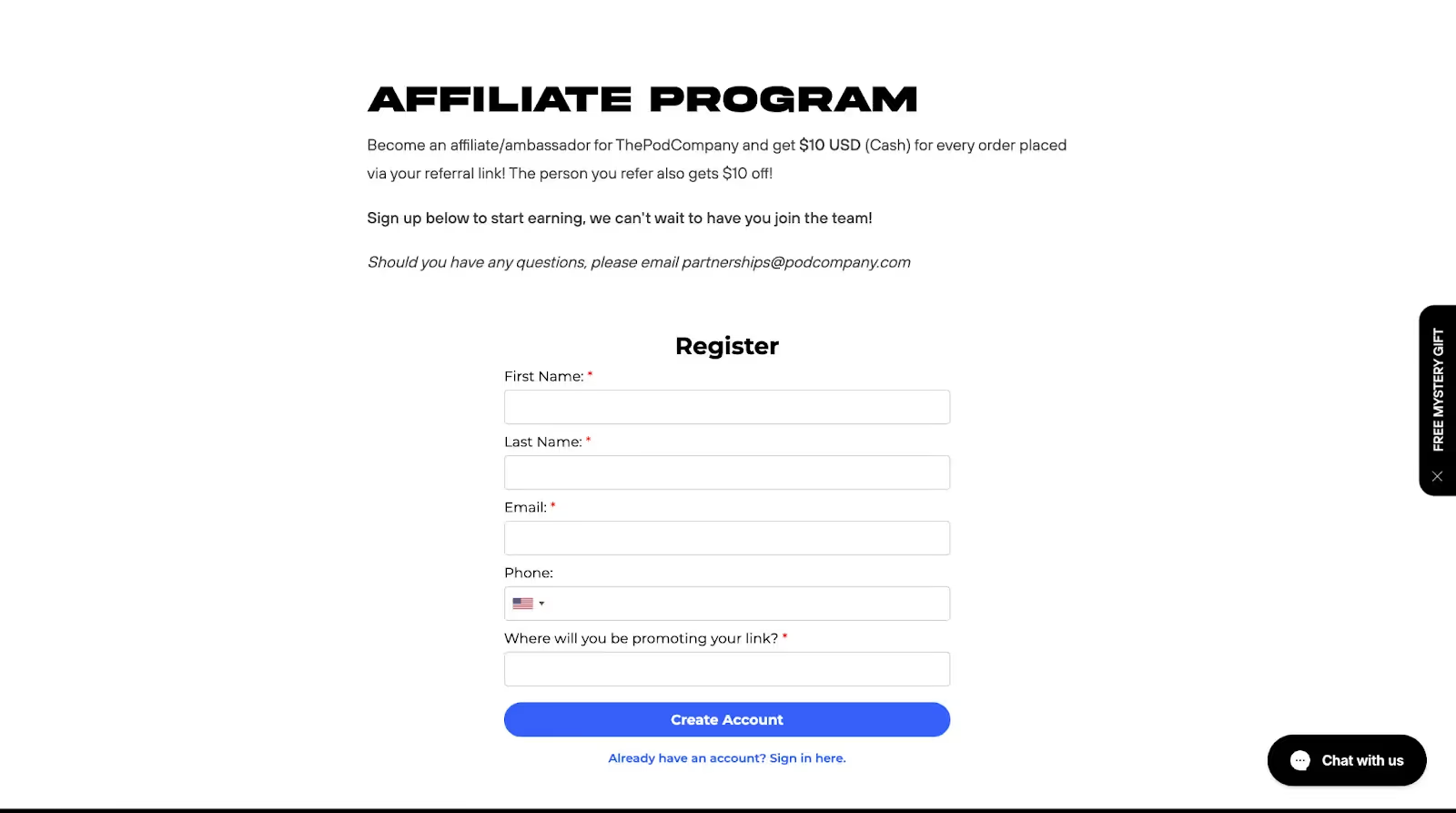
The Pod Company uses Social Snowball to run a dual-sided referral program where both participants benefit from the referral. The structure is simple: the referrer earns a $10 reward, and the referred shopper receives $10 off their first purchase.
Customers join the program automatically after their first order and can redeem rewards through gift cards, PayPal, or bank transfers. With this structure in place, the brand generated $320K in referral-driven revenue within four months.
3. Discount
Discount rewards reduce the price of a product for the referred shopper and, sometimes, for the referrer as well. This structure often appears as “Give X%, Get X%.”
Discount rewards work best when:
- Your primary goal is to increase conversion rates on the first purchase
- You want a simple referral offer that customers can easily explain
- Your product encourages repeat purchases
Discount-based incentives also integrate well with loyalty programs and limited-time referral campaigns.
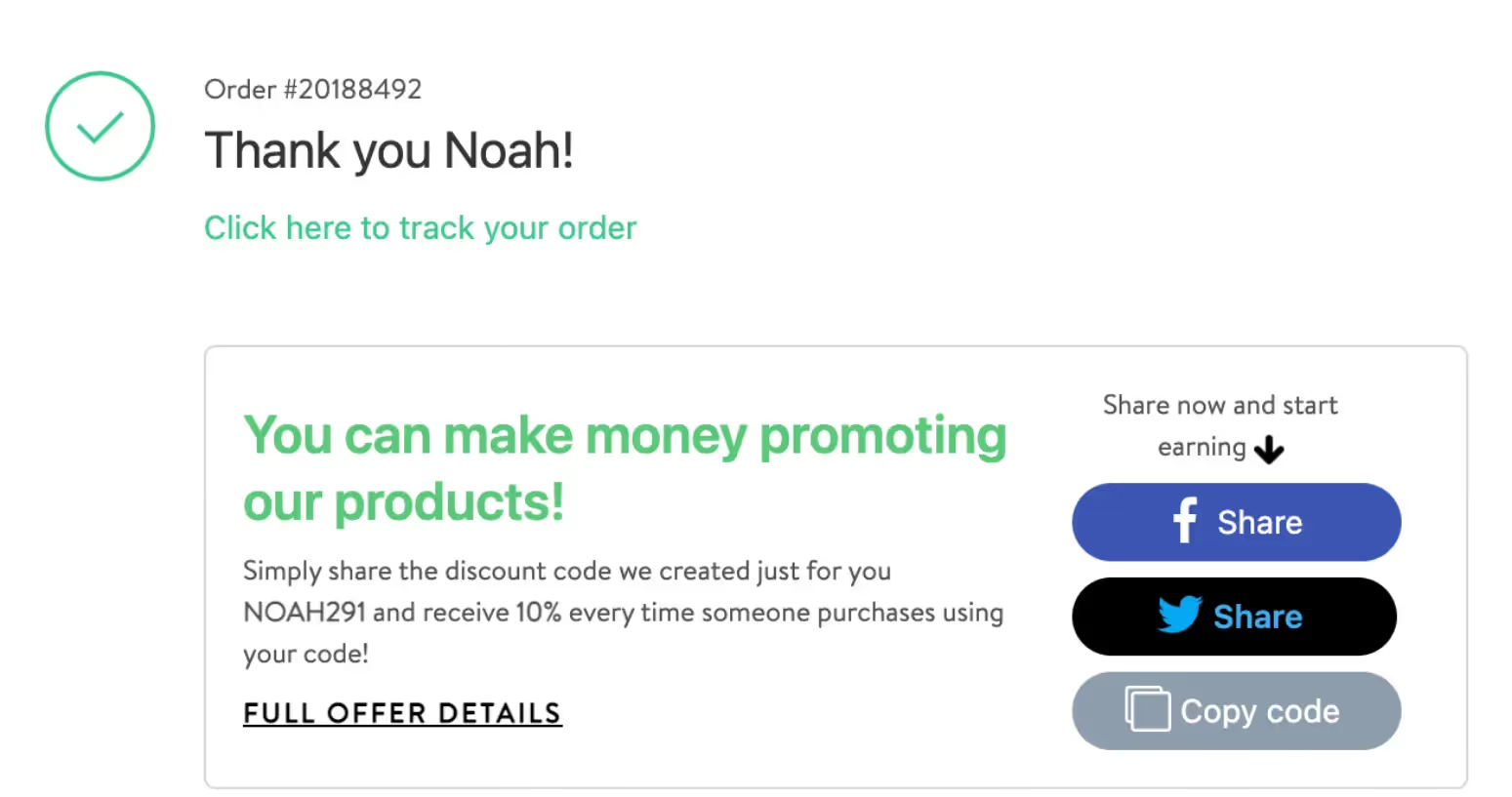
Bees Mission set up a referral program that automatically converts customers into affiliates after they make a purchase. Each customer receives a referral code they can share with friends, allowing them to earn rewards whenever someone completes a purchase using that code.
After launching the program through Social Snowball, the brand increased overall revenue by 12% while turning its customers into an ongoing referral channel.
4. Tiered rewards
Tiered rewards increase the value of incentives as customers refer more people. Each milestone unlocks a larger benefit. For example:
- 1 referral → $10 reward
- 3 referrals → $30 reward
- 5 referrals → free product or VIP perks
This structure creates a gamified referral program that encourages ongoing participation.
Tiered referral programs work well when:
- You want customers to make multiple referrals
- Your product has strong repeat purchase potential
- You want to build stronger brand loyalty and customer retention
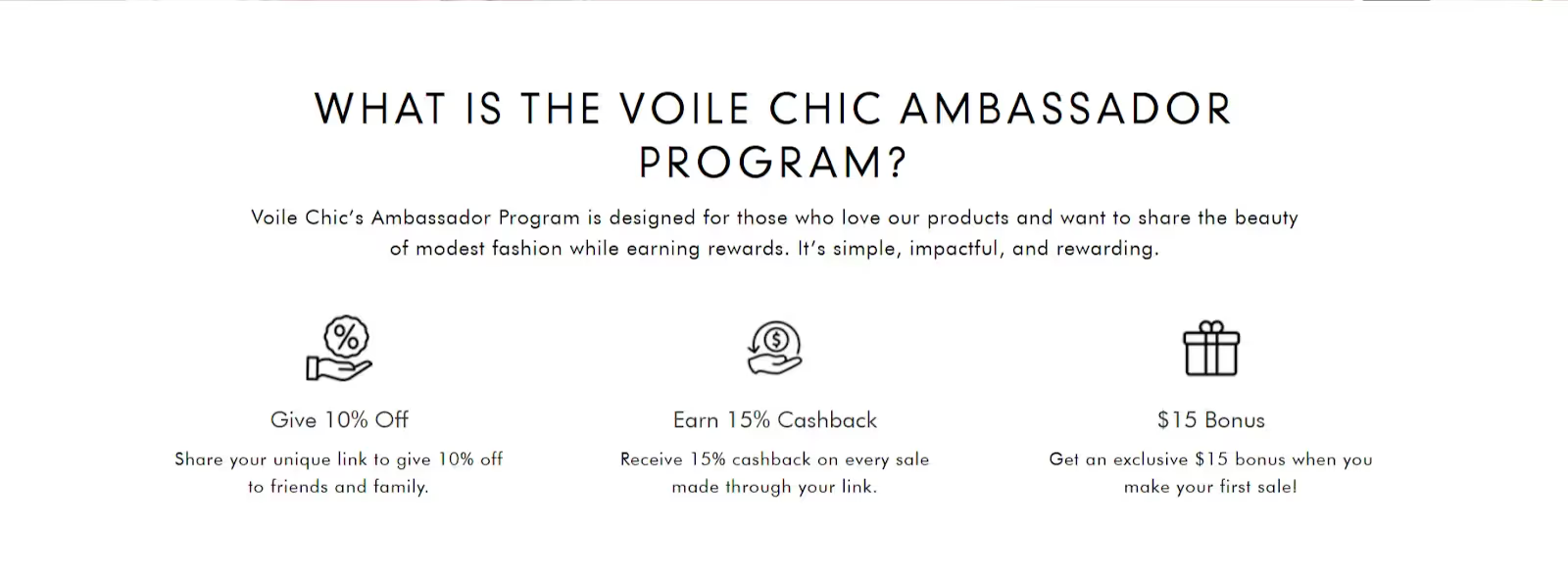
Voile Chic set up a tiered affiliate and referral structure where creators unlock higher commission levels and additional perks as they generate more sales. The program rewards performance while motivating affiliates to continue promoting the brand.
After switching to Social Snowball to manage onboarding, tracking, and payouts, affiliate sales grew to account for 10% of the brand’s total GMV.
5. Points
Points-based rewards give customers points that accumulate in a loyalty program. Customers can redeem these loyalty points for discounts, products, or perks.
Points systems work well when:
- Your brand already runs a loyalty program
- Customers make frequent purchases
- You want referral activity to support long-term customer loyalty
Points-based rewards also help brands build high-quality customer relationships because customers stay engaged with the brand ecosystem.
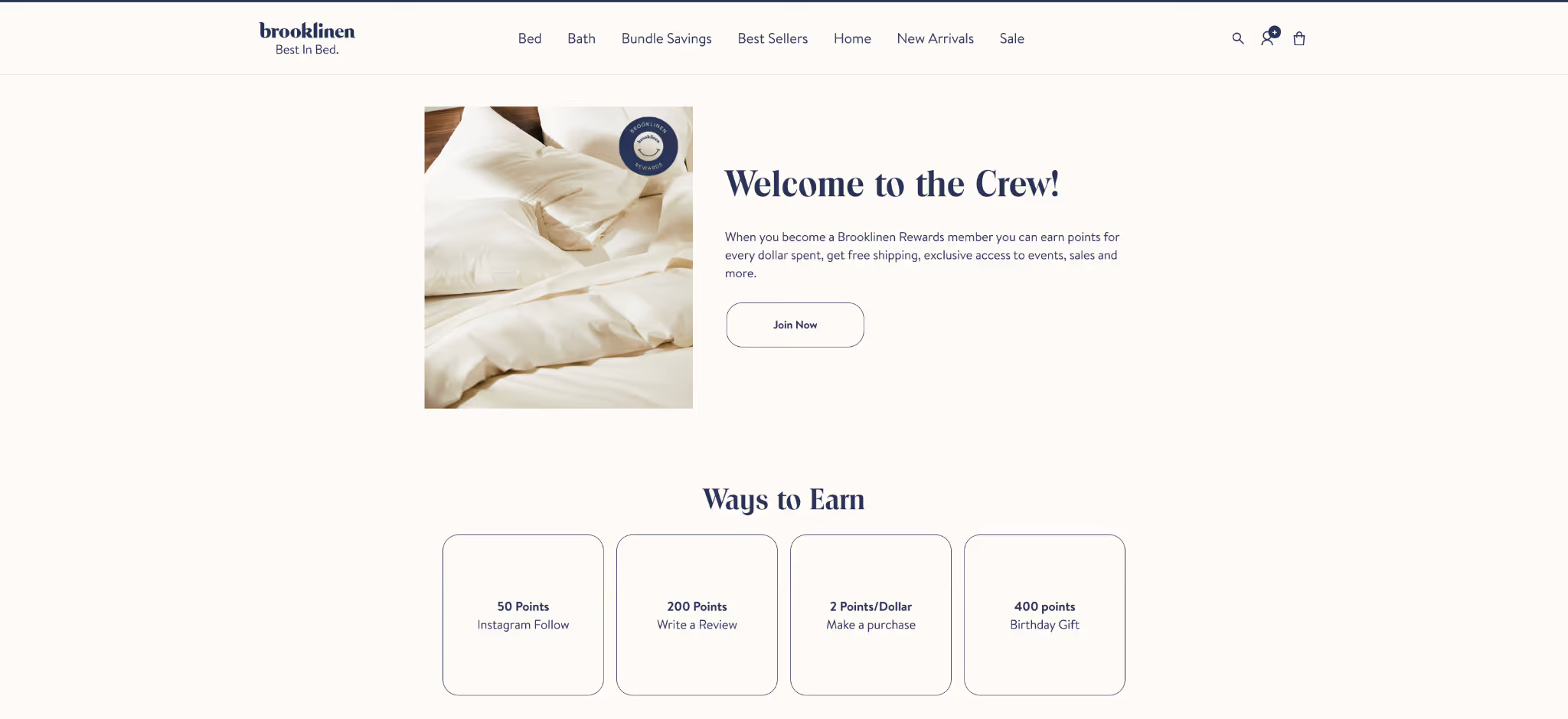
Brooklinen integrates referrals directly into its loyalty program. Their reward structure includes 1,000 loyalty points for the referrer and $25 off for the referred friend.
This strategy strengthens brand loyalty while consistently bringing in new customers.
6. Store credit/commission
Store credit rewards give referrers credit toward their next purchase, while commission-style rewards pay affiliates a percentage of each sale they generate.
Both models connect referral activity directly to future purchases.
Store credit or commission works well when:
- Your brand wants to increase customer retention
- You want referral rewards to drive the next purchase
- Your product has strong repeat purchase behavior
These rewards often create a cost-effective referral marketing channel because the value returns directly to the brand.
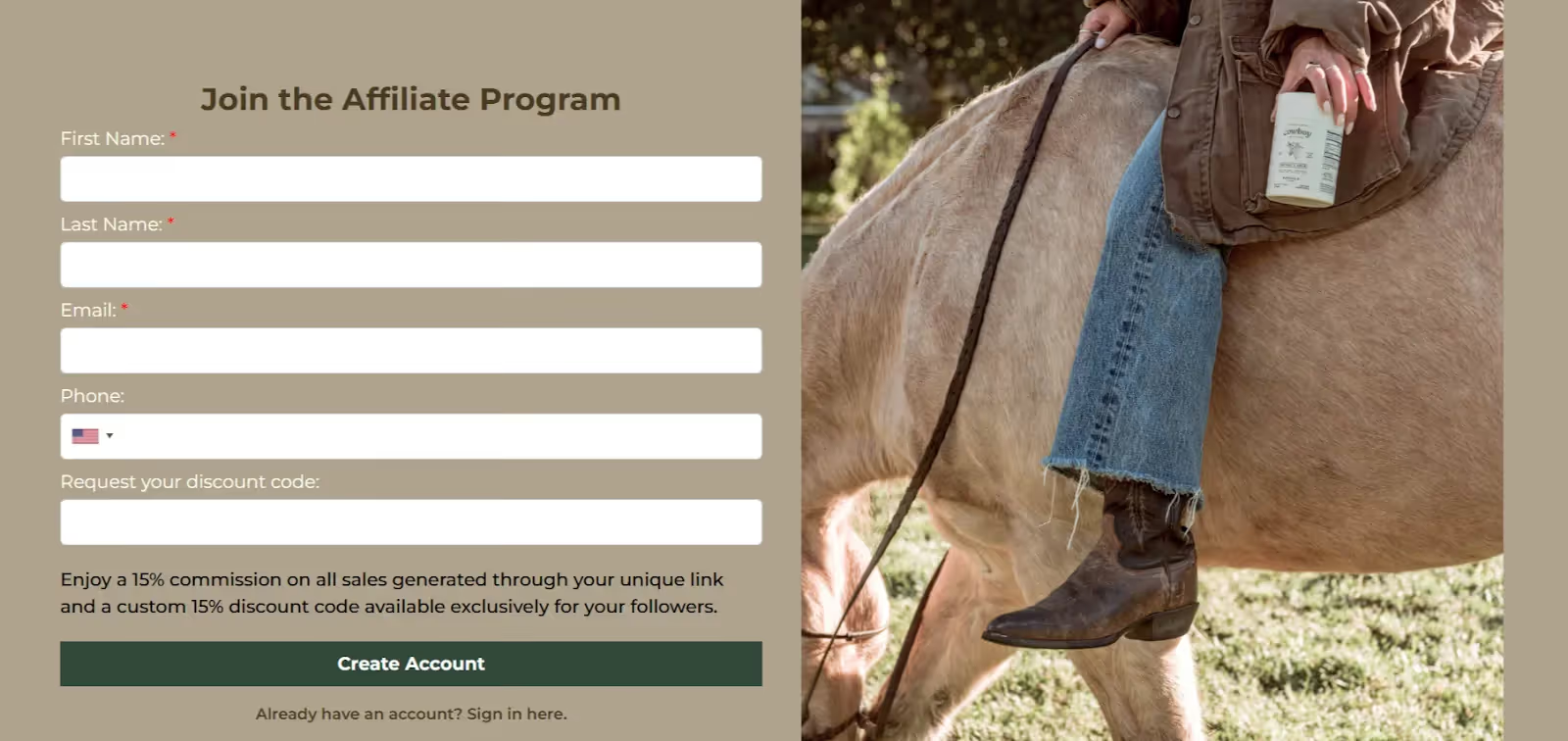
Cowboy Colostrum structured its affiliate and referral program around commission payouts for customers and creators who promote the brand through referral links.
With Social Snowball managing onboarding, tracking, and automated payouts, the program has generated over $473K in affiliate-driven revenue while maintaining a CPA of $10.79.
Read our blog about the best referral program examples to see how leading ecommerce brands structure rewards that consistently drive new customers.
How to pick and set up the right rewards for your referral program
The reward you choose for your program should align with your growth objectives, profit margins, and how your existing customers interact with your brand.
When these elements work together, referrals become a consistent customer acquisition channel instead of a one-time promotion. Here’s a step-by-step guide that brands can use to structure referral rewards effectively.
1. Define your growth goals
Start by identifying what you want your referral program to achieve. The structure of your rewards should support that goal. For example:
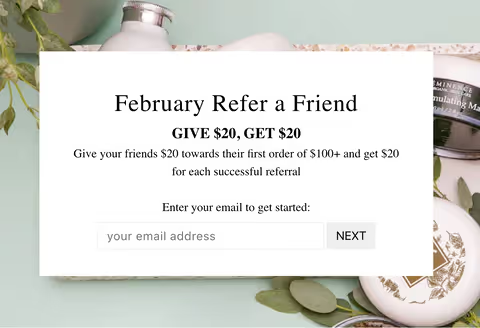
- Customer acquisition: Use a clear dual reward such as “Give $20, Get $20.” This creates a win-win structure where both the referrer and the referred friend benefit, encouraging more customers to participate.
- Repeat referrals: Introduce tiered rewards that unlock larger perks after multiple successful referrals. This structure motivates loyal customers to keep sharing instead of making a single referral.
- Higher order value: Set a minimum purchase requirement before the reward activates. For example, referrals count only when the referred customer spends $50 or more. This approach reduces customer acquisition costs while attracting high-value customers.
When the reward structure aligns with your growth goals, the referral program produces more predictable results and stronger conversion rates.
2. Choose the right reward model
After defining your goal, the next step is deciding how the reward will work within your referral program. The structure determines who receives the incentive and when the referral bonus activates.
Most ecommerce reward programs use one of these structures:
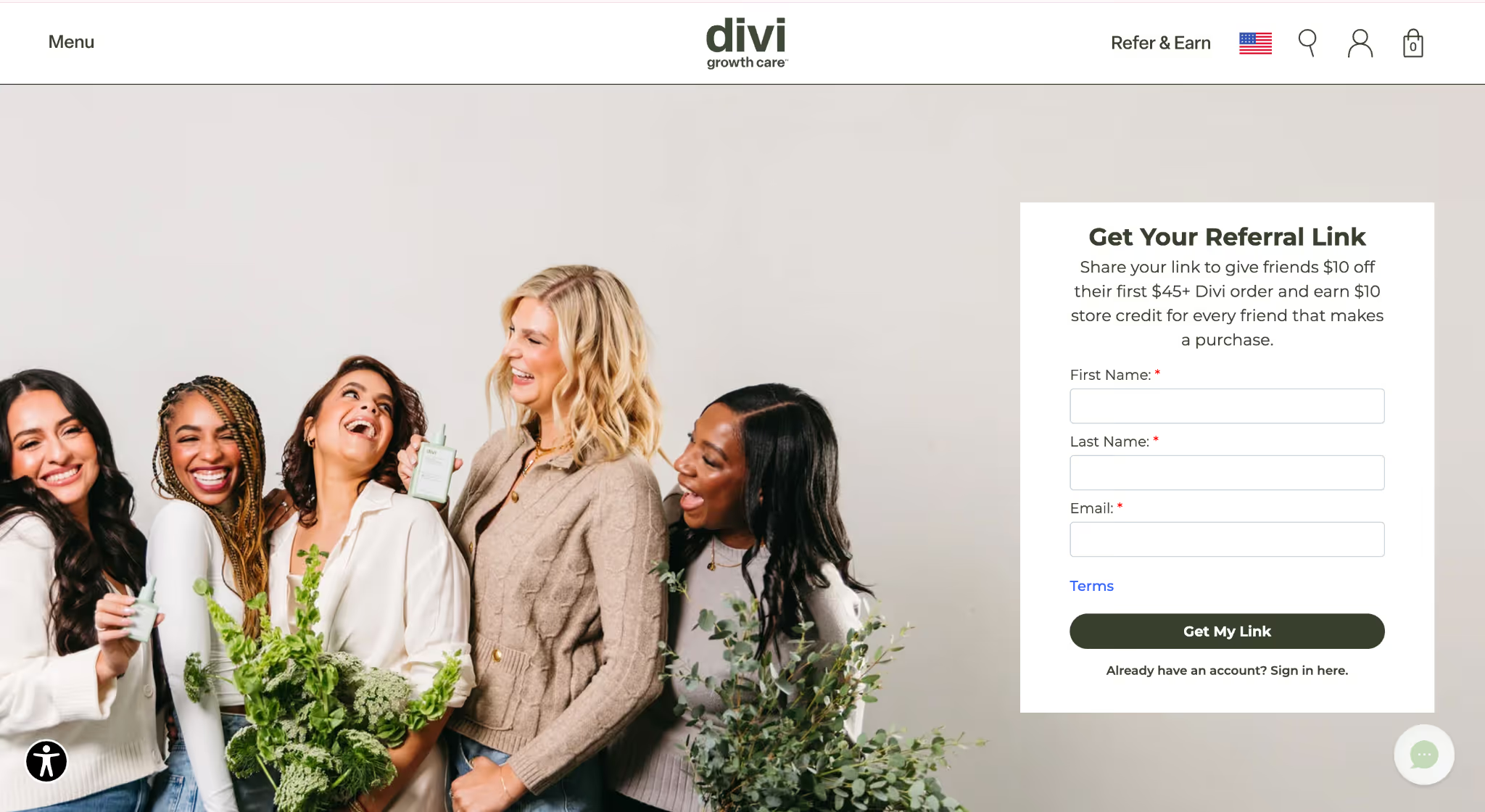
- Dual-sided rewards: Both the referrer and the new customer receive an incentive. This format increases participation because both sides get immediate value. Many successful referral programs use messaging like “Give $20, Get $20.”

- Referrer-only rewards: The existing customer earns the reward after their friend completes a first purchase. This approach works well for brands with strong communities or products that customers naturally recommend through word-of-mouth marketing.
- Tiered referral incentives: Customers unlock larger perks after reaching referral milestones. For example, the first referral might earn store credit, while five successful referrals unlock free products or upgrades. This gamified reward system encourages ongoing participation across referral campaigns.
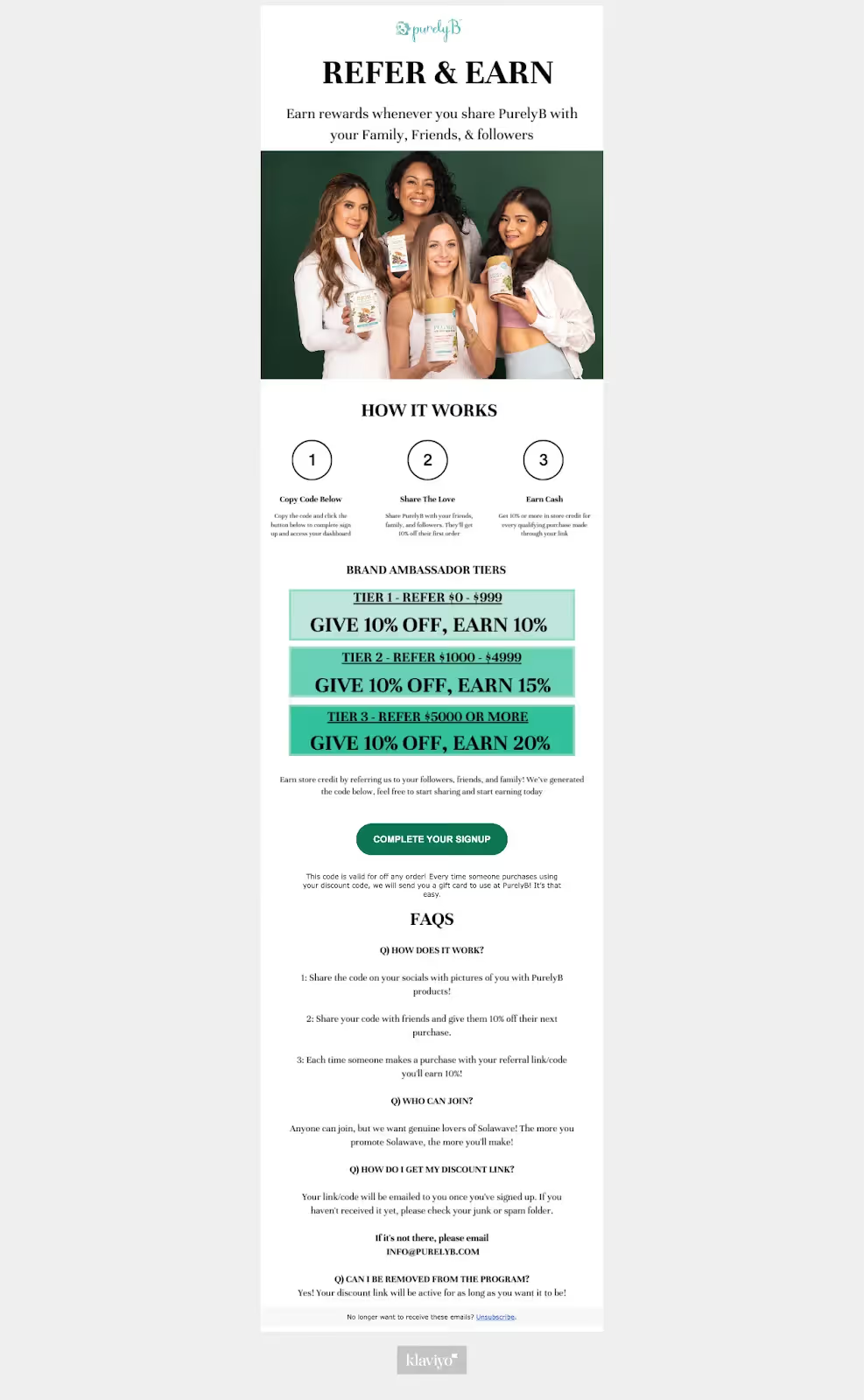
When the structure is simple and the referral offer is clear, customers quickly understand how to share and what they will earn.
3. Align rewards with your margins and AOV
Your referral reward should motivate customers without eroding your margins. The goal is to keep the program attractive for participants while maintaining a sustainable customer acquisition cost.
Many ecommerce brands follow a simple guideline:
- Referral rewards should range between 10–20% of the average order value (AOV).
- Higher-priced products can support larger rewards because each referral generates more revenue.
- Brands with tighter margins often structure rewards differently, using store credit, discounts, or loyalty points instead of direct cash payouts.
For example, if your average order value is $80, a referral reward between $10–$15 usually strikes the right balance. It feels meaningful to customers while keeping acquisition costs predictable.
4. Set up fraud protection
Referral programs operate through shareable links and incentives, which could be misused. Fraud protection keeps rewards tied to genuine customer acquisition. Effective safeguards include:
- Unique referral links tied to each customer
- Minimum purchase requirements before rewards activate
- One reward per new customer account
- Single-use discount codes that prevent coupon sharing
For example, Safelinks by Social Snowball generates unique referral links and single-use codes, tracking referrals, and validating orders before issuing rewards. This protects margins while allowing the program to scale.
5. Match the incentive message to customer psychology
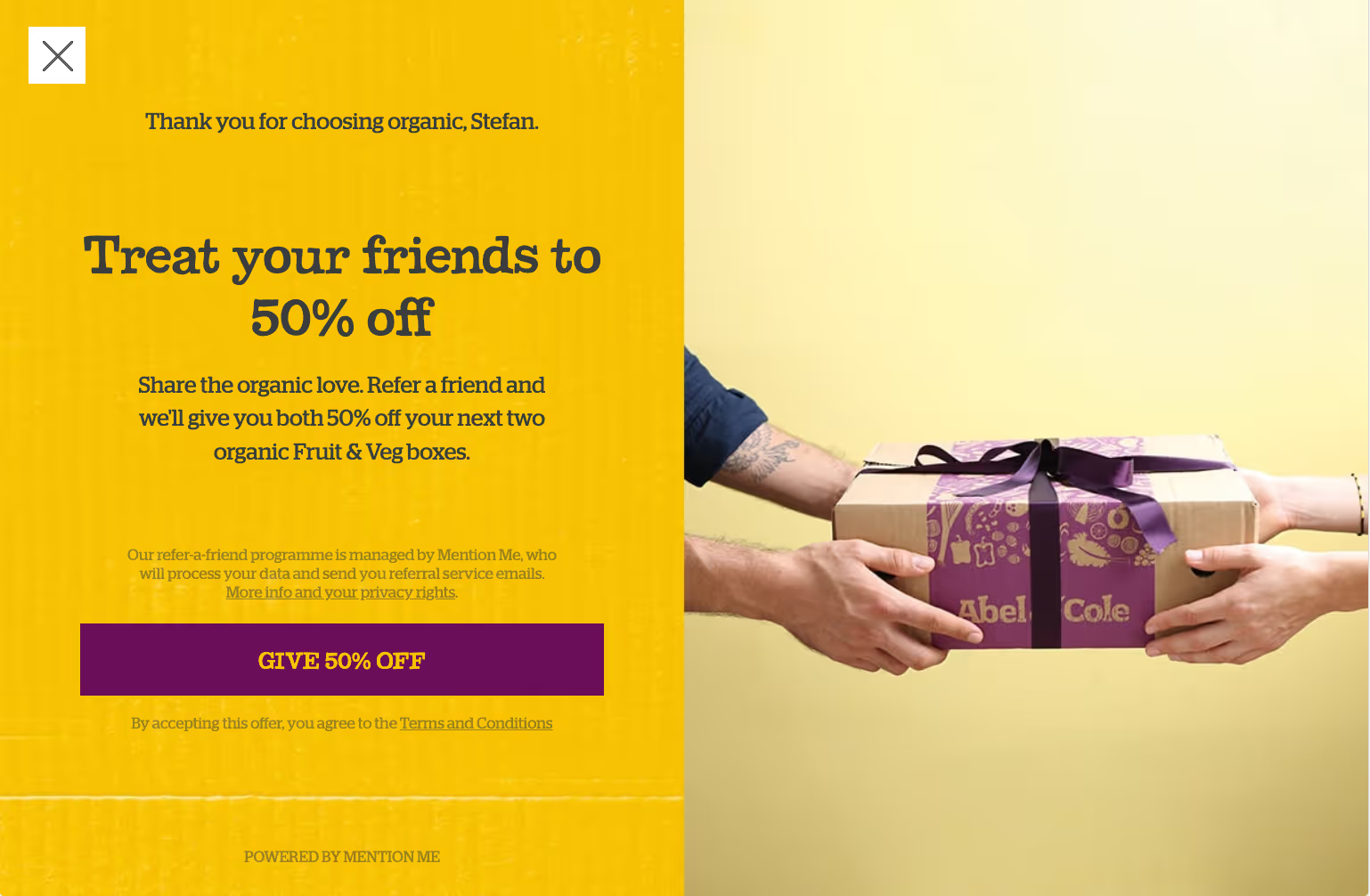
The way you present the reward influences whether customers share it. Customers respond best when the value is simple, clear, and immediate. A straightforward message increases participation because people quickly understand the benefit.
Some examples of effective referral messaging include:
- “Give $20, get $20 when your friend orders.”
- “Share your link and earn $15 store credit.”
- “Refer three friends and unlock a free product.”
Short, specific messaging keeps the referral action easy to explain and easy to share. When the incentive structure, reward value, and messaging align with customer motivation, referral programs grow organically through customer recommendations.
Common referral reward mistakes
Referral programs perform best when the reward structure is clear, sustainable, and easy for customers to understand. Several common mistakes can reduce participation or create unnecessary costs as the program grows.
Here are a few issues ecommerce brands should watch for when designing referral rewards.
Copying competitor rewards without margin analysis
Many brands look at competitors and replicate their referral incentives. While this approach seems convenient, reward structures work best when they reflect your brand’s margins, pricing, and average order value.
For example, a brand selling products with a $120 AOV can comfortably offer a $20 reward. A brand with a $35 AOV may struggle to sustain the same incentive without increasing acquisition costs.
Before setting referral rewards, calculate how much you can spend per referral while keeping customer acquisition profitable.
Over-incentivizing early and scaling poorly
High rewards can drive quick participation when a referral program launches. But as referral volume grows, large incentives increase acquisition costs and reduce profitability.
Many brands start with a balanced reward tied to AOV, then introduce additional incentives later for high-performing referrers. This structure keeps the program financially sustainable as referral activity increases.
Making rules too complicated
Customers share referral links when the process feels simple. Complex rules make the program harder to understand and reduce participation. For example, requirements such as multiple spending thresholds, limited redemption windows, or unclear reward conditions create confusion.
Effective referral programs typically follow a clear structure that customers can explain in one sentence, such as:
“Share your link. Your friend gets $15 off, and you earn $15 after their first purchase.”
Offering rewards that don’t feel meaningful
Customers participate when the reward feels valuable in relation to the purchase they are recommending. A small reward tied to a high-value purchase often reduces motivation. For instance, a $5 reward tied to a $100 purchase may not feel compelling enough to encourage sharing.
Brands often structure rewards around a noticeable portion of the purchase value, which helps customers feel the incentive is worth the effort.
Launching without fraud controls
Referral programs rely on links, discount codes, and incentives. Clear guardrails protect the program from misuse and maintain accurate attribution.
Good referral programs typically include:
- Unique referral links tied to each customer
- Minimum purchase requirements before rewards activate
- One reward per new customer account
- Single-use discount codes
These controls keep rewards connected to genuine new customer purchases and protect the program’s profitability as it grows.
Ready to boost acquisition from referrals?
A well-structured reward keeps your program financially sustainable. By aligning rewards with your margins, average order value, and growth goals, you can increase referral participation while maintaining healthy customer acquisition costs.
Managing referral rewards manually becomes difficult as the program grows. Tracking links, validating purchases, and issuing rewards would all require consistent oversight.
Social Snowball simplifies the entire referral process. The platform automatically generates referral links, tracks conversions, and assigns rewards after qualifying purchases. Brands can set reward rules, run referral programs alongside affiliate and influencer campaigns, and manage everything from a single dashboard.