
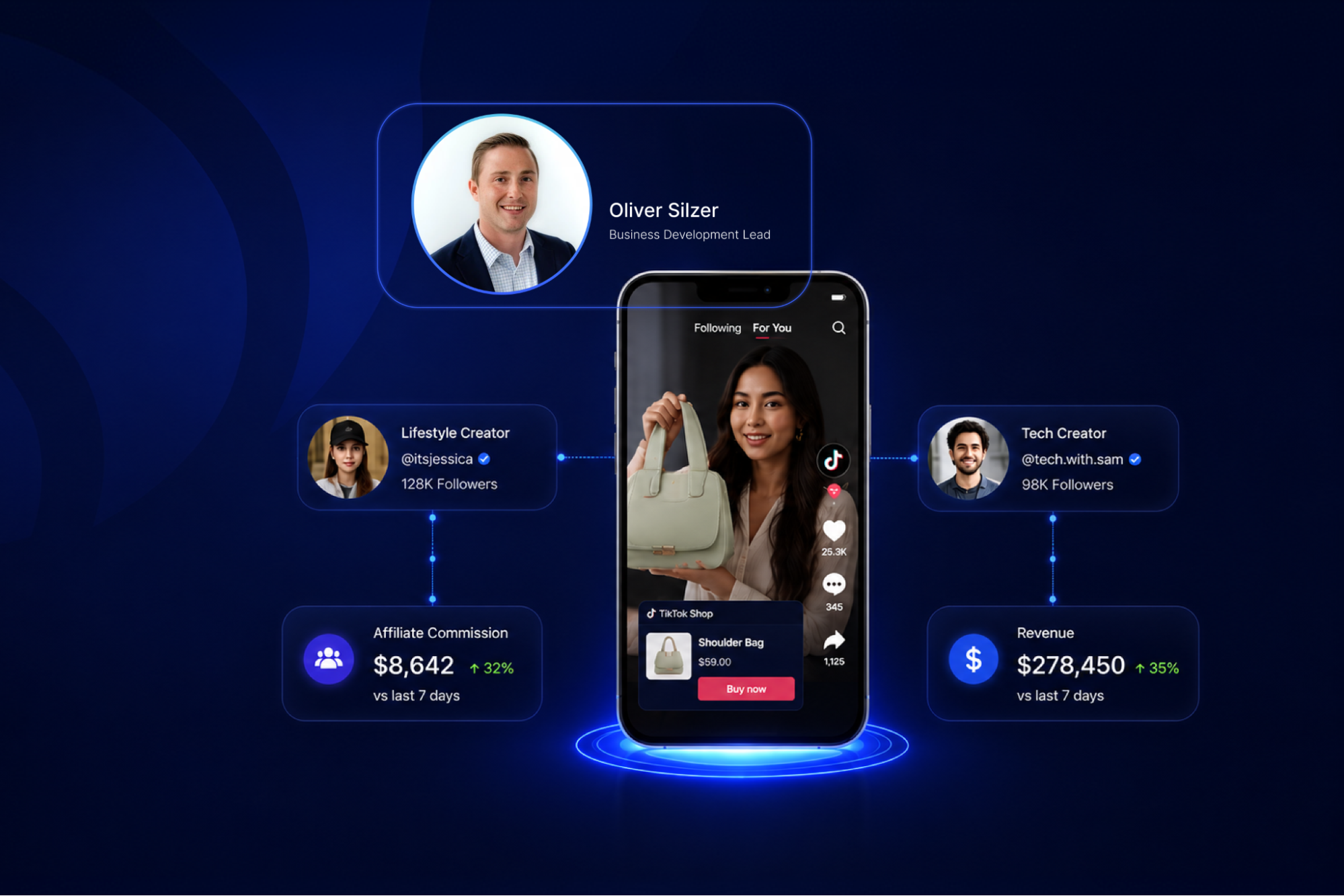
TikTok Shop is changing how ecommerce brands drive growth because discovery, content, and checkout now happen in the same place. Instead of relying only on search intent, brands can generate sales directly through creator videos, livestreams, and TikTok-native content that shoppers already engage with daily.
A lot of brands struggle early because they treat TikTok Shop like a traditional marketplace instead of a creator-led platform.
In this guide, based on Oliver Silzer’s Social Snowball Academy course, you’ll learn how to launch, scale, and grow through creator-led commerce on TikTok Shop without overcomplicating your operations.
What is TikTok Shop?
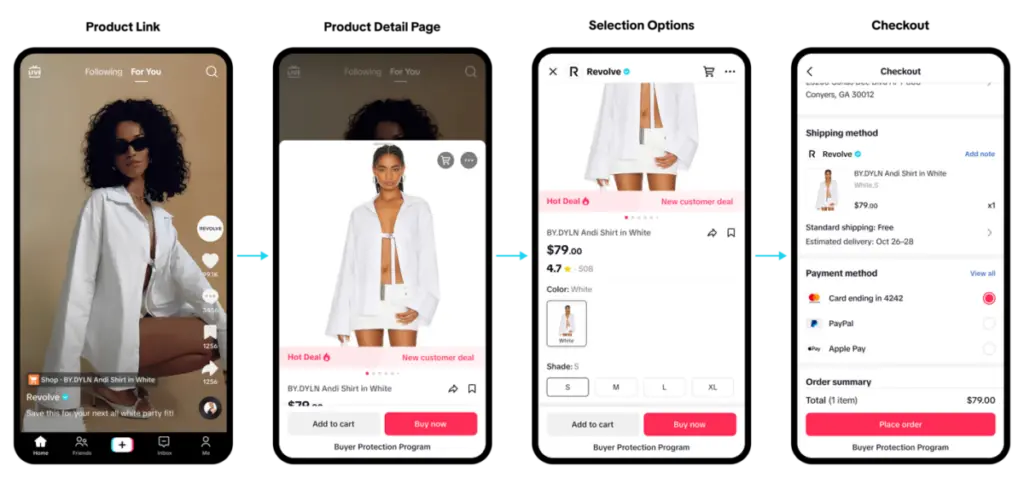
TikTok Shop is TikTok’s built-in shopping experience that allows people to discover and buy products directly inside the app.
According to Oliver Silzer, TikTok Shop combines product discovery, consideration, and checkout into one seamless experience powered by TikTok’s recommendation algorithm and creator content. Instead of shoppers leaving the platform to make a purchase, the entire buying journey happens within TikTok itself.
For brands, this creates a new way to drive sales through creators, shoppable videos, livestreams, and native content that already fits how users consume TikTok.
What makes TikTok Shop different from traditional marketplaces?
TikTok Shop runs on content and discovery.
Products gain traction because creators introduce them naturally through videos, recommendations, tutorials, and livestreams that appear on users’ For You Pages. That’s what makes the platform feel very different from traditional ecommerce channels.
Oliver Silzer explains that TikTok users are open to discovering new products directly from creators they already trust.
“TikTok is not a town hall meeting. It's a collection of tiny clubs where people can find new ideas on how to explore their passions and live their lives. TikTok Shop takes that experience to the next level, enabling the ability to go through awareness, consideration, and ultimately conversion, all within a few clicks.”
That changes how brands need to approach growth on the platform. Instead of relying heavily on polished storefronts or traditional product listings, brands need to focus on:
- Creator collaborations
- Consistent content testing
- Shoppable videos
- Livestream selling
- Understanding TikTok culture and trends
The brands that succeed on TikTok Shop usually lean into the platform’s native content style instead of treating it like a standard marketplace.
How to launch your TikTok Shop without rebuilding your operations
One of the biggest concerns brands have before launching on TikTok Shop is operational complexity.
Most teams assume they need to rebuild their entire ecommerce setup to support the platform. In reality, TikTok Shop is designed to plug into your existing operations through Seller Center and partner integrations.
Here’s how you can launch your TikTok Shop without rebuilding your operations:
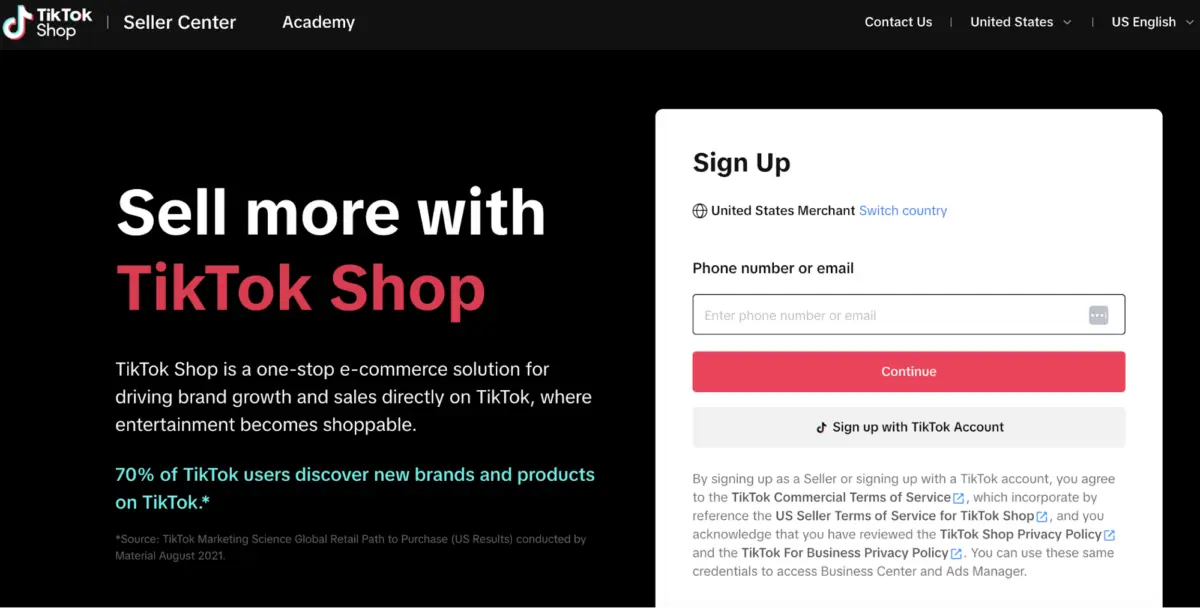
Set up your Seller Center
TikTok Shop Seller Center acts as the operational hub for your storefront. This is where you manage product listings, orders, returns, customer support, and shipping workflows.
TikTok also offers fulfillment support through Fulfilled by TikTok for brands that want logistics support directly through the platform.
Connect your existing ecommerce stack
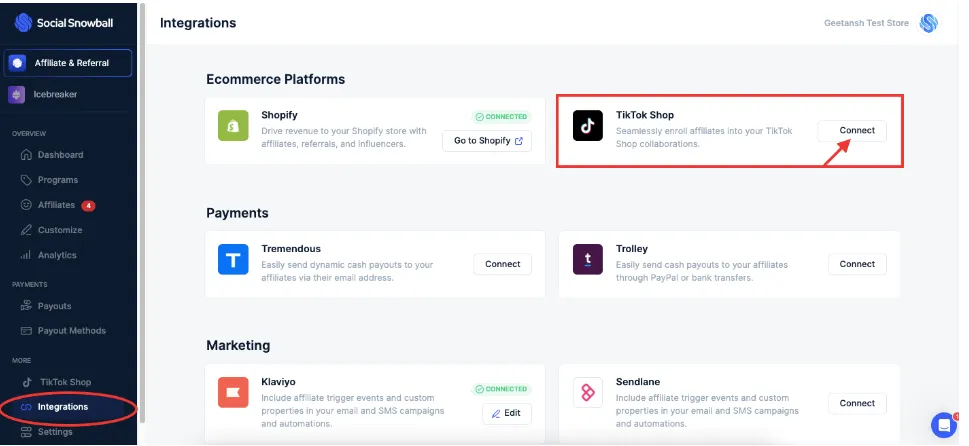
Instead of manually managing TikTok Shop separately, most brands connect their existing ecommerce infrastructure directly to Seller Center. TikTok Shop supports integrations across Shopify, ShipStation, OMS platforms, feed management tools, logistics providers, and print-on-demand systems
These integrations help sync inventory, orders, and operational workflows automatically so your team can manage TikTok Shop alongside existing sales channels. For Shopify brands, especially, this reduces a huge amount of operational overhead during onboarding.
“Our integrations are designed to seamlessly help you sync your existing operations from other channels and your ecommerce infrastructure with TikTok Shop, so that you can focus on running your business and driving sales. Partners are also a great resource to help you manage your operations as you scale on the platform.”
Use partners to speed up onboarding
As brands start scaling on TikTok Shop, partner platforms usually become a major part of the workflow.
Oliver Silzer specifically highlights partner ecosystems as an important part of growing on the platform because they help brands manage creator collaborations, operations, and scaling more efficiently.
This becomes especially important once you start working with larger creator volumes. For example, platforms like Social Snowball help brands manage onboarding, creator tracking, commission payouts, TikTok Shop campaign management, UGC organization, and tracking.
Instead of managing creators manually through spreadsheets and DMs, brands can centralize creator operations and scale partnerships much faster.
Build your creator strategy before you scale ads
Creators sit at the center of TikTok Shop.
According to Oliver Silzer, creators are what make TikTok unique because shoppers already trust them for product discovery, recommendations, and buying decisions. Before increasing ad spend, focus on understanding which creators, content styles, and audiences actually drive engagement and sales for your brand.
Some ways to do this are:
Start with creators already close to your brand
Your first creator partnerships do not need to start from scratch. Oliver recommends beginning with creators you have already worked with on other channels or creators who already engage with your products organically.
This usually gives you faster onboarding, better brand alignment, more authentic content, and higher trust from creators.
For example, if customers already mention your products in TikTok videos or Instagram content, those creators are often strong candidates for TikTok Shop partnerships because they already understand the product naturally.
Focus on content fit, not follower count
A large following does not automatically translate into sales on TikTok Shop.
Oliver Silzer recommends testing different creator styles and creative profiles early to understand what actually connects with your audience.
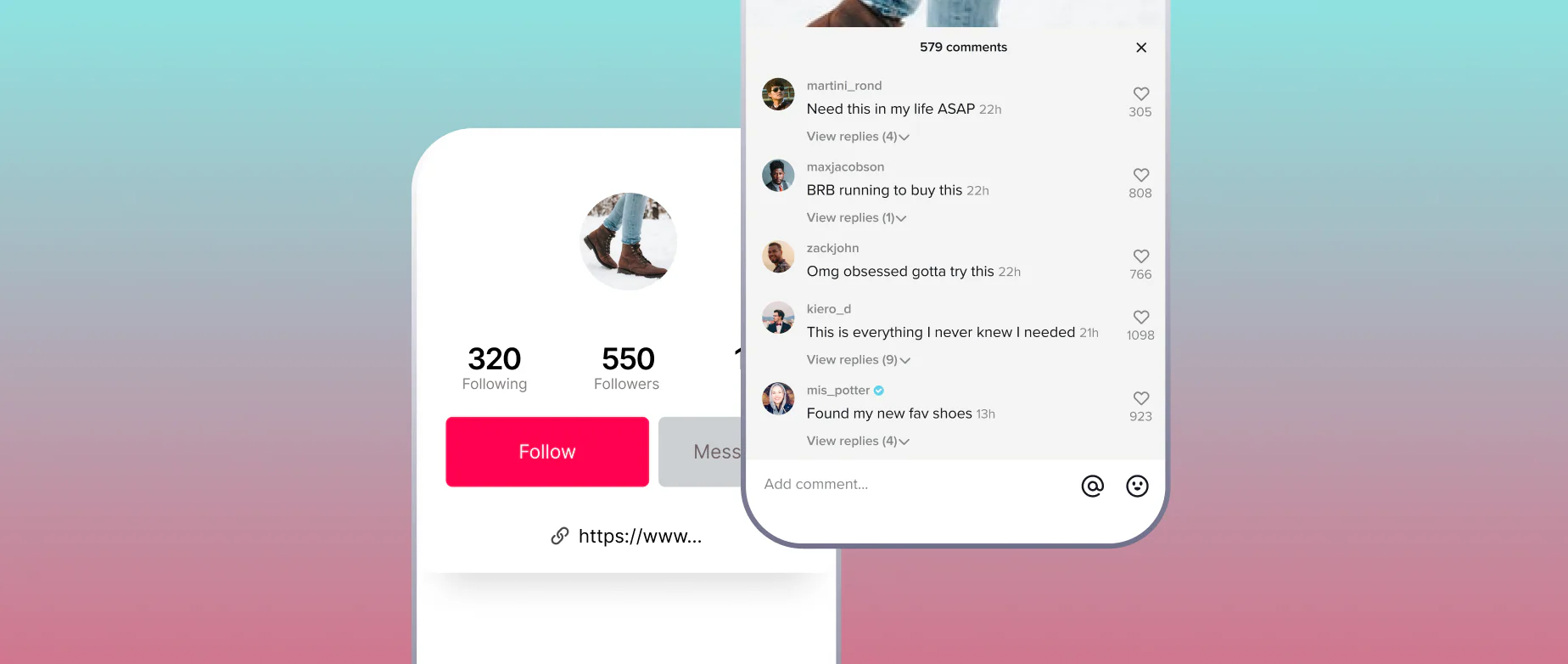
“Try different types of creators to see which content styles and creative profiles resonate most. This does not need to be a perfect match between your brand and creator because you never know when different types of creators are going to help you be successful.”
Many brands see stronger results from creators with smaller but highly engaged communities because their content feels more authentic and trusted. For example, a creator consistently posting product tutorials, routines, or niche recommendations will often drive more conversions than a larger creator posting broad entertainment content with little buying intent.
Choose the right collaboration structure
TikTok Shop supports two main affiliate collaboration models:
Open collaborations
Open collaborations allow eligible TikTok Shop creators to discover and apply to your affiliate campaigns directly. This model works well when:
- You want broader creator exposure.
- You are testing new audiences.
- You have strong inventory availability.
- You want more creators discovering your products organically.
Many brands use open collaborations early to quickly understand which creator segments naturally connect with their products.
Targeted collaborations
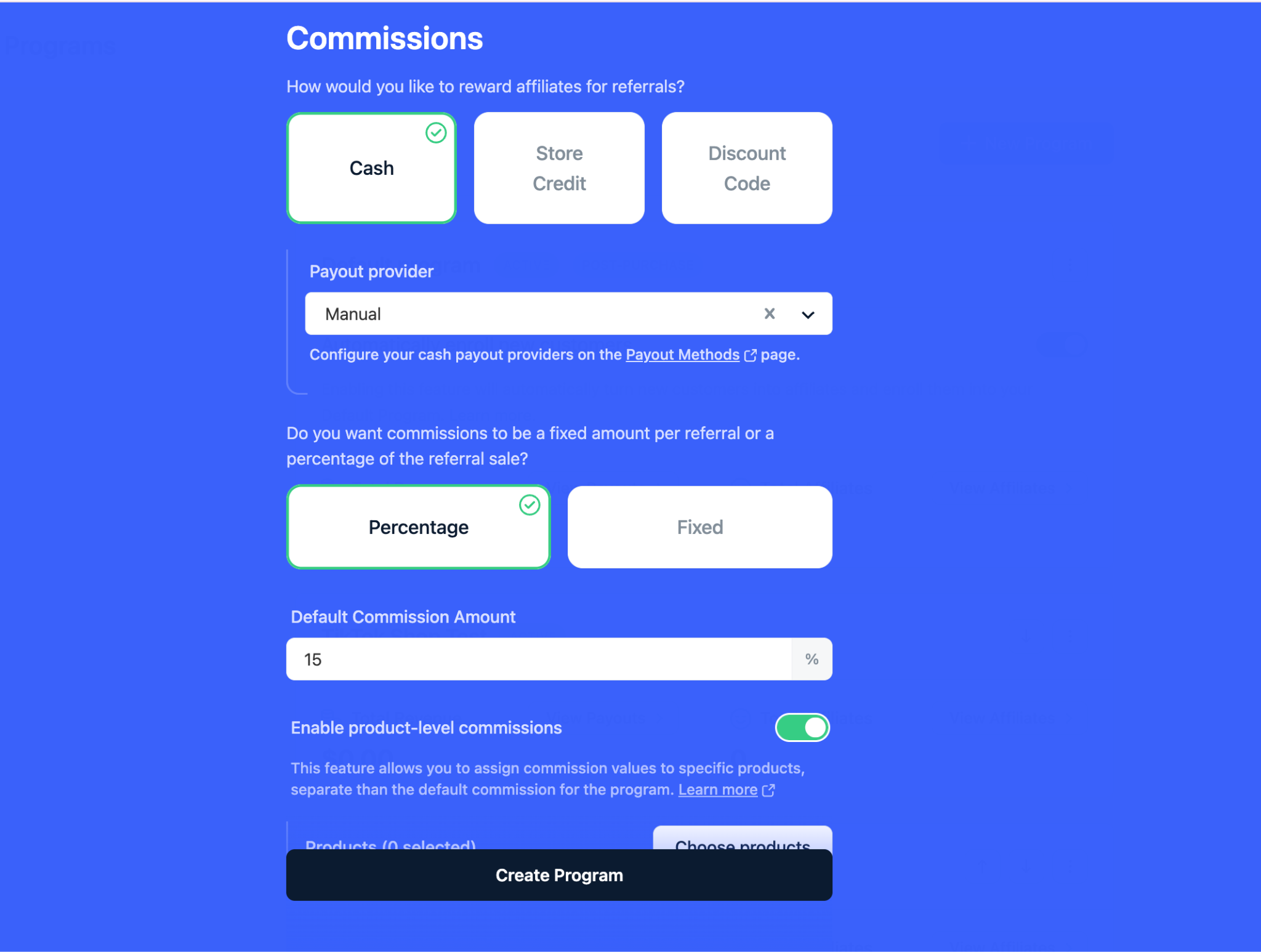
Targeted collaborations allow you to invite specific creators into campaigns directly. This works better for product launches, limited inventory drops, brand-sensitive campaigns, custom commission structures, and higher-control creator partnerships.
As programs scale, many brands use platforms like Social Snowball to organize creator onboarding, affiliate tracking, commission structures, and TikTok Shop creator management from one place instead of handling campaigns manually.
How to recruit TikTok Shop creators effectively
Recruiting creators on TikTok Shop is less about sending mass outreach and more about finding creators who can naturally sell your product through content.
Oliver Silzer emphasizes that creator recruitment works best when brands stay authentic, test different collaboration styles, and pay attention to which creators actually drive results. Let’s discuss these in detail.
Write outreach that does not sound transactional
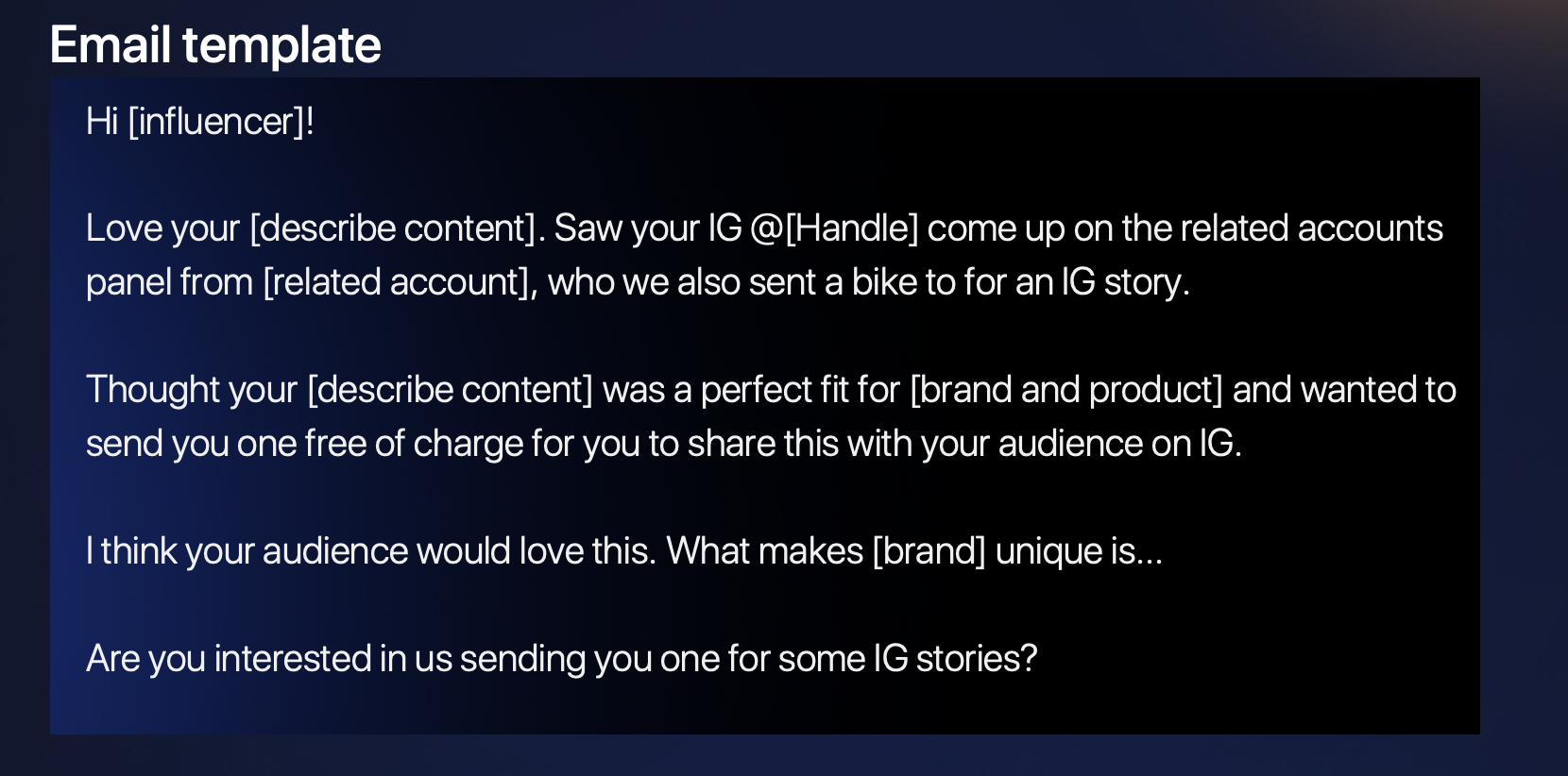
Most creators receive partnership messages constantly, so generic outreach usually gets ignored. Oliver specifically recommends keeping creator outreach authentic, personable, and relevant to the creator’s content style.
“Contact creators via DMs and make sure your outreach is authentic. Be presentable and personable, not spammy, in order to drive interest. Message creators that are a good fit for your product and help them understand why.”
The strongest influencer outreach messages usually:
- Mention specific content that the creator already makes.
- Explain why the product fits their audience.
- Keep the ask simple.
- Avoid sounding overly scripted or sales-heavy.
Creators are far more likely to respond when the partnership feels aligned with the type of content they naturally post.
Use product seeding strategically
Sending product samples is one of the fastest ways to get creators familiar with your product before asking them to promote it.
But product seeding works best when you stay selective. Instead of sending products to hundreds of creators immediately, start with smaller test groups across different creator categories:
- Product reviewers
- Lifestyle creators
- Niche educators
- Tutorial-focused creators
- Livestream sellers
This helps you identify which creator types actually convert before scaling gifting campaigns further.
Track which creator segments actually convert
One of the biggest advantages of TikTok Shop is the amount of creator performance data available once campaigns start running. Oliver recommends analyzing which creators, audiences, and content styles consistently drive sales so you can scale what is already working.
“Assess what creator communities are engaging with your brand. You never know when your product will resonate with a new audience. Analyze the data coming through your dashboards to determine which creators and which types of content are driving success.”
For example, you may find:
- Tutorial-style creators outperform aesthetic content creators
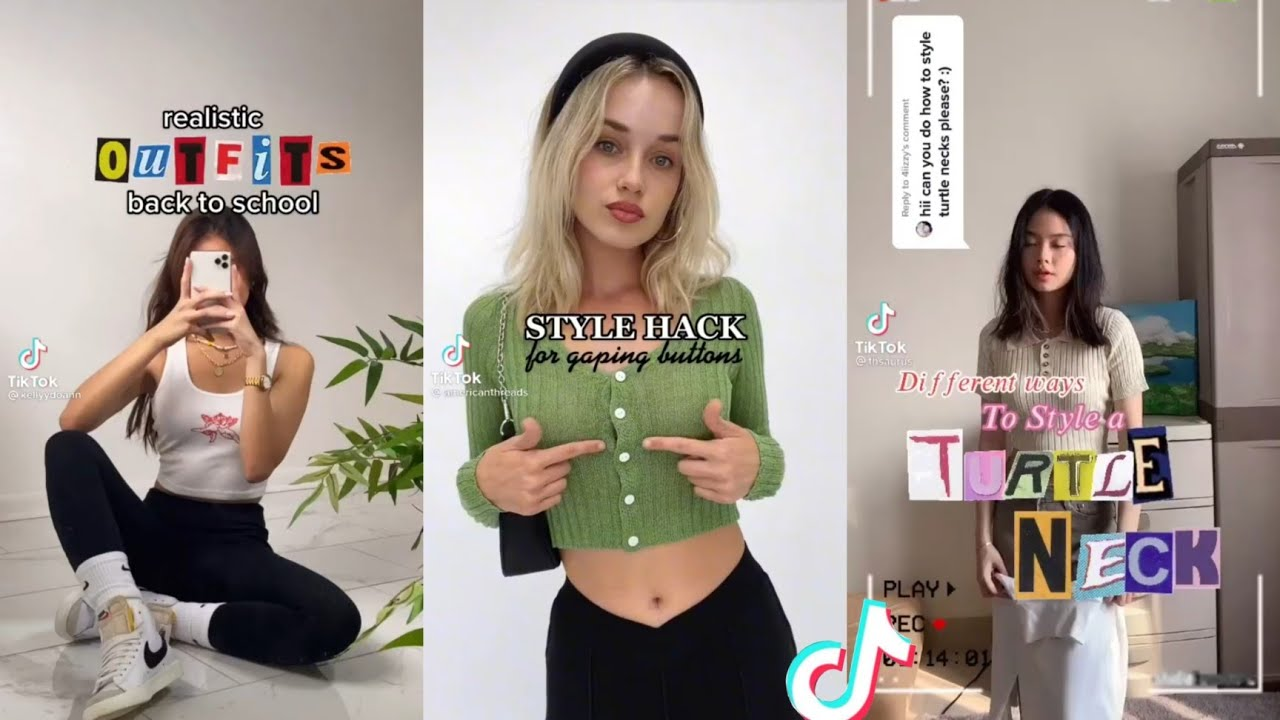
- Livestream TikTok Shop affiliates drive stronger conversion rates
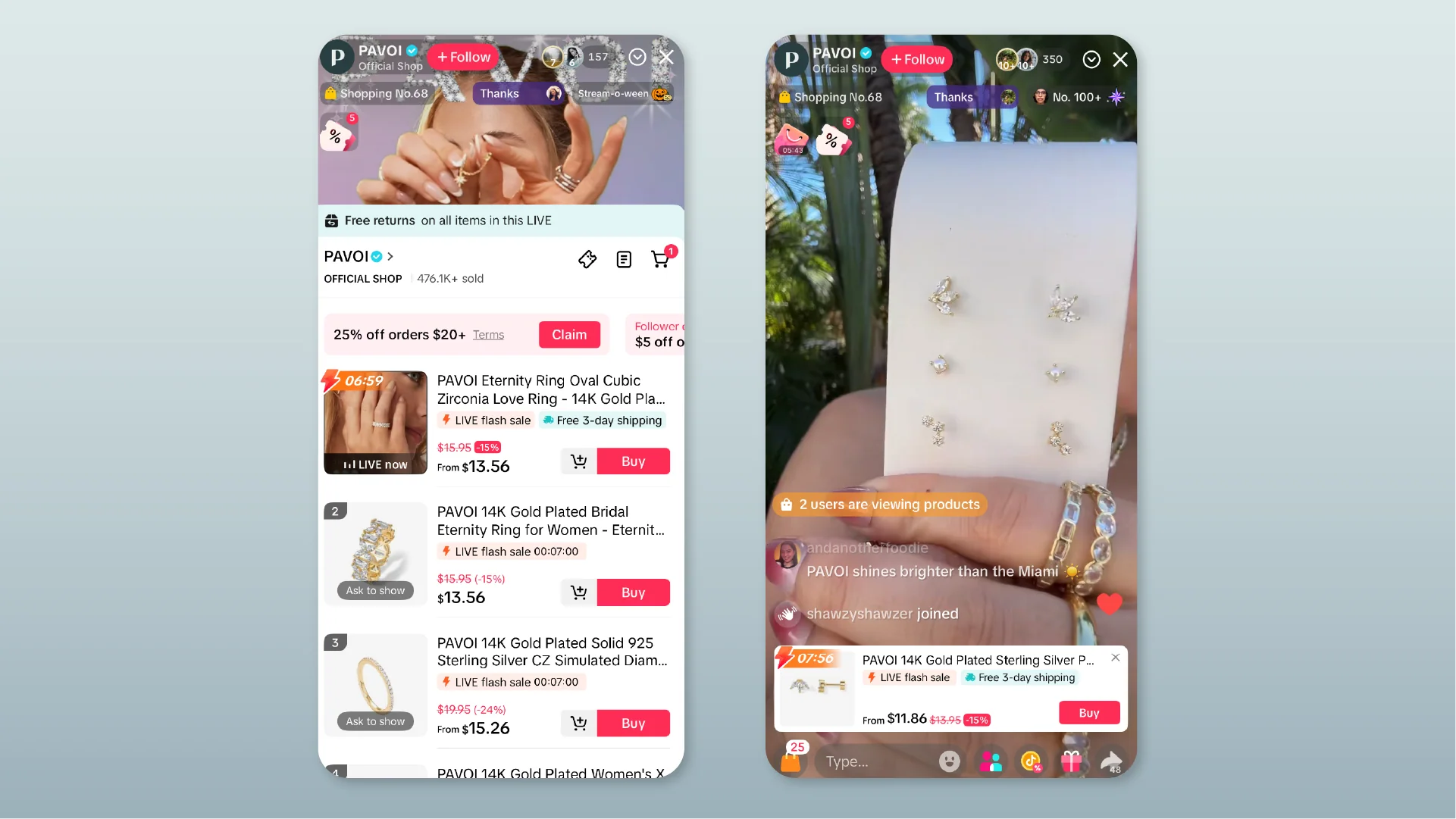
- Smaller niche creators generate higher repeat purchases
- Certain hooks or product angles consistently increase sales
As creator programs grow, platforms like Social Snowball help brands centralize affiliate tracking, creator performance analysis, payouts, and TikTok Shop UGC management, enabling teams to scale creator operations without relying on spreadsheets and manual reporting.
How to turn creator content into paid growth
Once you start identifying creator content that performs organically, you can begin scaling that reach through TikTok Shop ads. Oliver Silzer explains that TikTok Shop becomes much more powerful when brands combine creator-led commerce with TikTok’s advertising ecosystem.
“You can work with creators and use your affiliate and creator content that is shoppable to drive advertising success. Think of it as using creator-generated content and supercharging it with visibility and impressions through paid media.”
Below are some ways you can use creator content to grow your ecommerce brand:
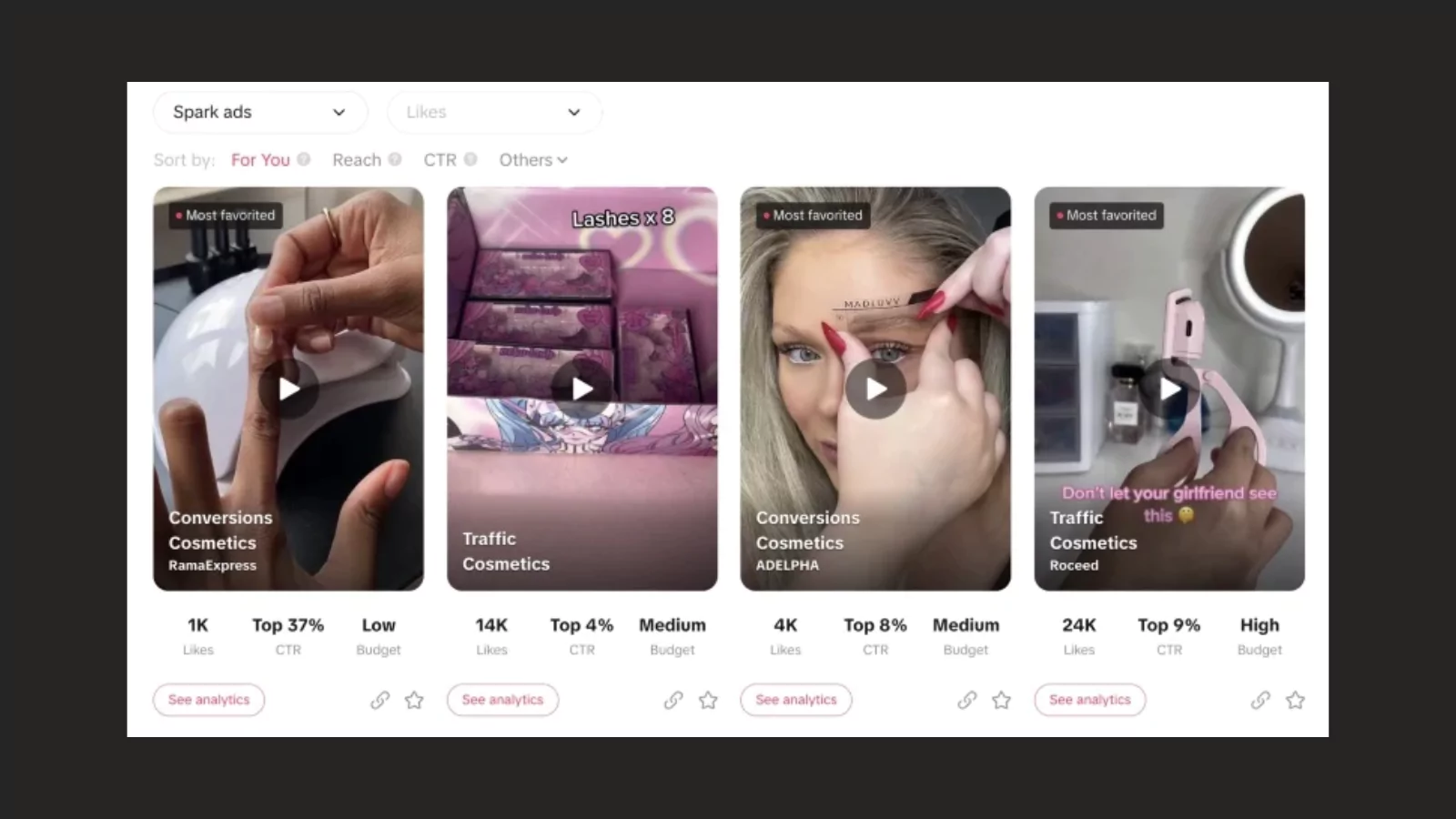
Use Spark Ads to amplify winning content
Spark Ads allow you to promote existing TikTok content as paid ads. This can include:
- Organic brand posts
- Creator videos
- Affiliate content
- TikTok Shop videos already generating engagement
Instead of producing separate ad creatives from scratch, many brands simply put paid spend behind content already performing well organically. This works well on TikTok because creator-style content feels more native to the feed and less disruptive to users.
Promote live shopping sessions
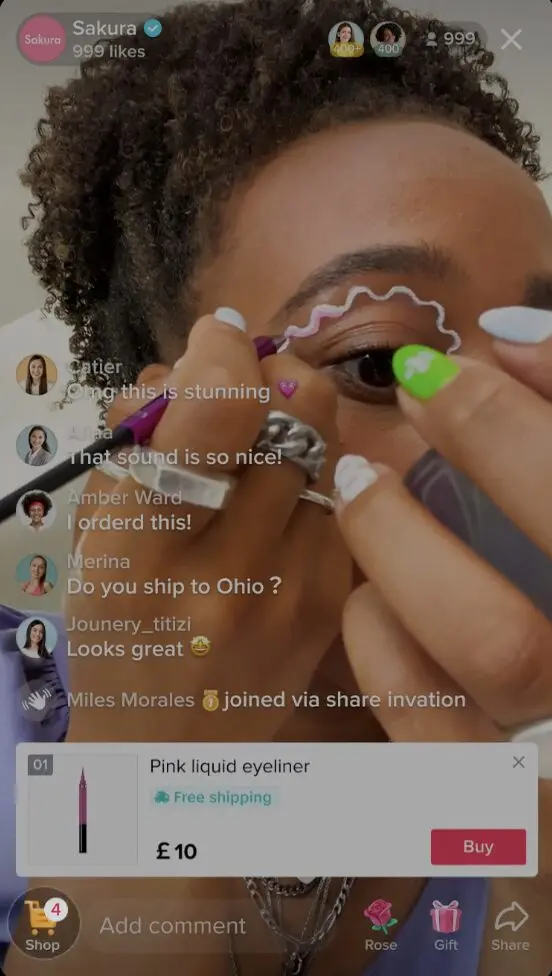
Live shopping can become a major sales channel once you start building momentum on TikTok Shop. Oliver recommends supporting livestream selling efforts with paid promotion to increase reach and visibility during live events.
For example, brands often run paid traffic toward product launches, limited-time offers, creator-hosted livestreams, and seasonal campaigns. This helps bring more viewers into the live while keeping the checkout experience entirely within TikTok.
Combine affiliate content with paid media
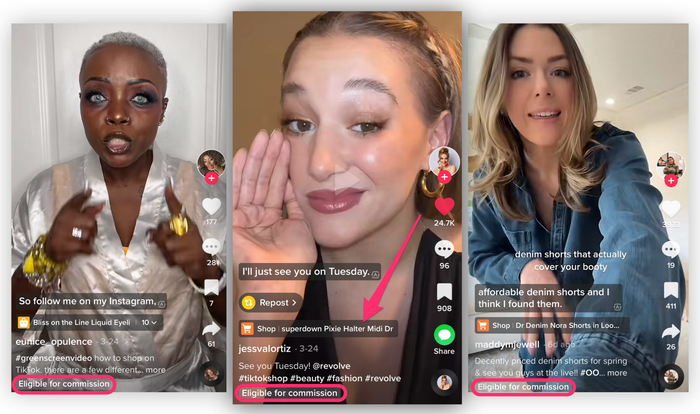
One of the biggest advantages of TikTok Shop is that affiliate content can continue generating value long after the original post goes live. Brands often identify top-performing affiliate videos and repurpose them into:
- Spark Ads
- Retargeting campaigns
- Product page content
- Social proof creatives
This gives strong creator content a much longer lifecycle while helping brands scale campaigns using content that has already proved it can convert organically.
The TikTok Shop strategies that actually drive growth
Brands that succeed on TikTok Shop usually spend less time trying to perfect every campaign and more time learning what the platform responds to. Throughout the course, Oliver Silzer repeatedly emphasizes testing, iteration, and adapting to platform behavior as the biggest drivers of long-term growth on TikTok Shop.
A few TikTok Shop strategies that actually drive growth are:
Prioritize volume and testing
TikTok Shop rewards brands that test consistently. This includes testing creator styles, video hooks, product angles, livestream formats, paid creatives, and collaboration structures.
Oliver specifically mentions “quantity over quality” and encourages brands to get comfortable trying new formats instead of overthinking every piece of content. In many cases, a simple creator video filmed casually on a phone will outperform heavily produced brand content because it feels more natural within the feed.
“TikTok Shop is a unique channel with different inputs. We encourage you to think outside the box, get comfortable, try new things, and lean into the features of the platform. Also remember: quantity over quality. Test and learn.”
Follow platform behavior closely
TikTok trends move quickly, and successful brands pay close attention to how users interact with content on the platform. That includes monitoring:
- Trending sounds
- Creator formats
- Editing styles
- Community conversations
- Content patterns gaining traction
Oliver highlights the importance of understanding what creators, competitors, and users are already responding to before building campaigns around those behaviors.
Treat TikTok like its own ecosystem
Brands usually struggle on TikTok Shop when they recycle the same strategy used on other channels. TikTok content performs best when it feels native to the platform’s culture and viewing behavior.
“If you want to have success on TikTok Shop, you've got to lean into TikTok Shop. While that might feel intimidating for some brands, it is an opportunity you can and should take advantage of.”
Here’s how:
- Lean into creator-led content
- Prioritize authenticity over polish
- Test quickly
- Stay flexible as trends shift
Oliver’s overall message throughout the course is simple: brands that lean into how TikTok already works tend to scale faster on TikTok Shop.
Ready to scale your TikTok Shop growth?
TikTok Shop gives ecommerce brands a completely different way to grow through creator-led commerce, native content, livestream selling, and in-app purchases. As Oliver Silzer explains throughout the course, success on the platform usually comes from a few core principles:
- Move quickly and test consistently
- Focus on creators who naturally fit your product
- Build around TikTok-native content
- Use affiliate marketing and creator partnerships to scale discovery
- Combine organic creator content with paid amplification
- Lean on integrations and partners to simplify operations as you grow
Brands that approach TikTok Shop with a strong creator strategy and a willingness to experiment are often able to scale much faster than they expect.
As your creator program grows, managing affiliate onboarding, creator recruitment, commission payouts, performance tracking, and TikTok Shop content can quickly become difficult to manage manually.
Social Snowball helps simplify those workflows by centralizing creator and affiliate operations in one place. As an official TikTok Shop partner, it helps brands manage creator collaborations, automate payouts, track performance, organize UGC, and scale affiliate programs more efficiently.
Ready to build a scalable TikTok Shop growth engine? Book a demo!

.avif)