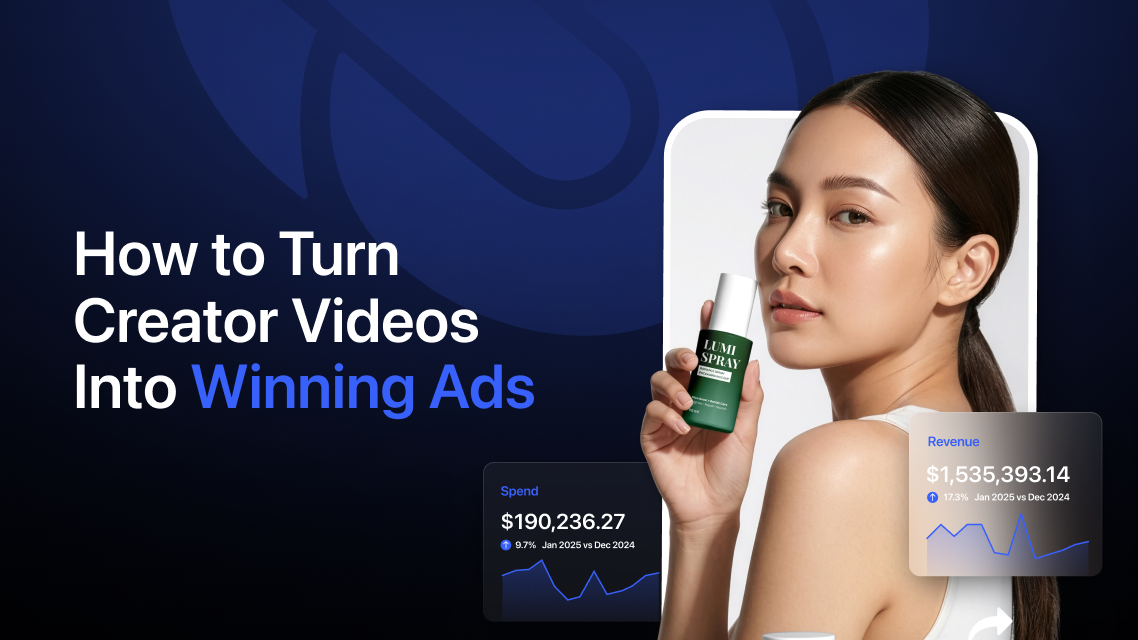
Turning creator videos into winning ads is about building a system that identifies and scales what already works.
At the Influencer Marketing Summit, operators across brands and agencies pointed out a clear pattern: the teams seeing consistent results treat creator videos as a steady stream of ad creative that gets tested, refined, and scaled every week.
They run this like a system. Creators produce multiple variations, strong hooks and formats get identified quickly, and those winning videos are turned into assets for paid ads across channels. Each round of performance feeds into the next set of content, so results improve with every cycle.
In this blog, we talk about how to build a system that turns creator videos into high-performing ads through structured testing, paid amplification, and continuous iteration.
Treat creator videos as performance assets (not influencer content)
Creator videos start to perform very differently once they are used as assets for your paid marketing. Nik Sharma, CEO of Sharma Brand, described this shift in a simple way:
“Influencers are like the new TV.”
That framing shows up in how brands are using user-generated content across the funnel. The same video can introduce the product, build familiarity, and drive action once it moves into paid.
What makes this work is how creators approach content. Jeremy Fenderson, Senior Director of Strategy at AdQuadrant, pointed out:
“Creators drive reach, build trust brands can’t replicate, and bring angle diversification. They live on the platform and see angles brands miss.”
You start to see this play out quickly. Creators spend time on the platform, understand how people watch, and approach the same product from completely different angles. One creator focuses on a routine, another on a problem, another on a quick demo.
That variation adds up fast. After a few cycles, it becomes easier to spot what matters in each video:
- Does the opening grab attention?
- Does the product make sense within a few seconds?
- Are people asking where to buy?
- Does the same angle show up across multiple creators?
With those signals, the role of the video becomes clear. It is no longer just a post. It becomes something you can build on.
From there, teams follow a consistent flow:
- Pull the video from organic once it shows traction.
- Secure usage rights early.
- Create a few variations with different openings or lengths.
- Run it across paid and watch how it performs.
Each video feeds into a system where it gets tested, reused, and expanded. Over time, you start to see a steady stream of creatives that are ready to scale because the ideas behind them are already proven.
Build a structured creator system to generate consistent ad-ready content
A steady flow of ad-ready creator videos comes from structure.
Kelsey Eyers from Collab Collective explained this directly:
“The winning brands on TikTok Shop are not lucky, they’re just more structured.”
That structure shows up in how creators are sourced, briefed, and managed week-over-week. Start by defining how content gets produced. Select a mix of creators:
- New creators who bring fresh angles.
- Proven creators who can repeat what already works.
- High-volume creators who can produce multiple variations quickly.
Then set output expectations upfront. Many teams working with Eyers contract creators for batches of content, often 10 to 30 videos per creator. That volume gives you enough variation to test hooks, formats, and messaging without waiting weeks to see results.
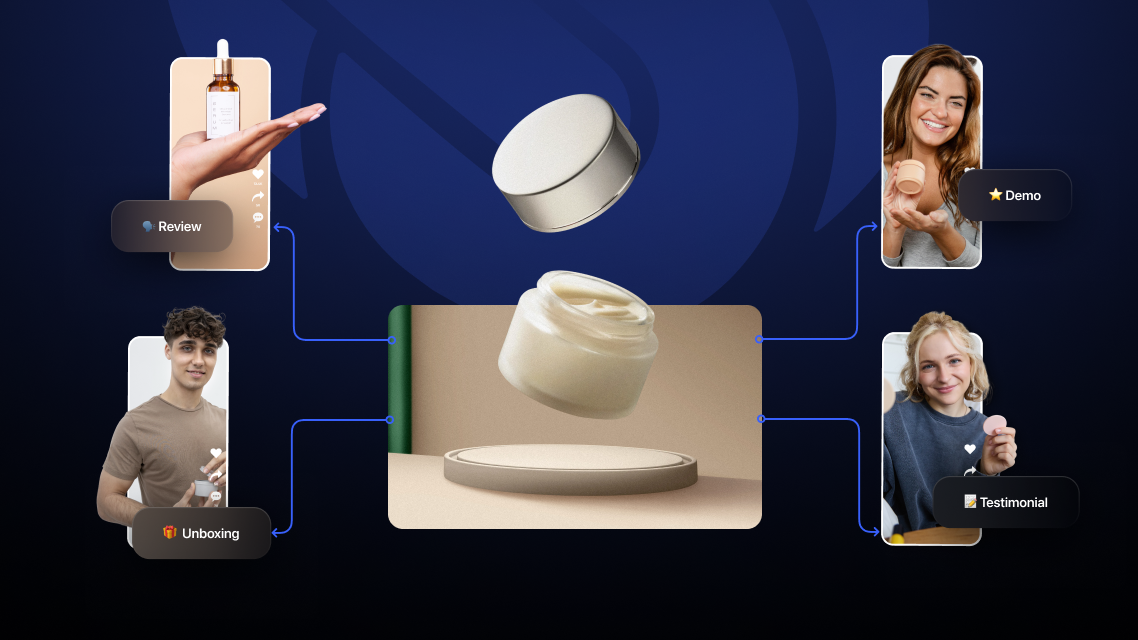
Next, build a clear workflow for how content gets produced and improved:
- Standardized briefs that define the angle, use case, and outcome
- Simple direction that guides the creator without over-scripting
- Fast feedback loops based on what’s actually converting
Sambhav Chadha, Co-founder of Augmentum Media, describes this as building an “influencer engine”—a system designed to produce repeatable results. That engine runs on:
- Continuous sourcing from customers, competitors, and lookalike creators
- Consistent onboarding so creators can start producing quickly
- Weekly production cycles that keep content flowing
When this is set up properly, content stops coming in randomly or in bursts.
Instead, it follows a predictable cadence. You know how many videos are coming in each week, you can run structured testing cycles, and you can move winning ideas into paid as soon as they show traction.
Test multiple creator variations to find repeatable winning ad angles
To find winning ad creatives, test enough variations to see what consistently drives action.
Jeremy Yaoxin Ding, co-founder of Euka AI, shared a clear benchmark:
“You need to post at least 3 to 5 videos to have a real chance of driving a sale.”
That’s why one post from a creator rarely gives you enough information. Performance shows up across attempts.
Each creator brings a different hook, use case, and way of explaining the product. That variation is what helps you identify what actually converts.
Jeremy Fenderson pointed out where most teams go wrong. They focus on follower count, aesthetics, and brand fit.
The signals that matter are much more specific:
- How clearly the product is demonstrated
- How quickly the value is understood
- Whether the format can be repeated
That shifts how you run testing. You are not looking for a single strong video, but for patterns:
- Hooks that consistently grab attention in the first few seconds
- Problem statements that people recognize instantly
- Demonstrations that make the product easy to understand
- Calls to action that drive clicks and purchases
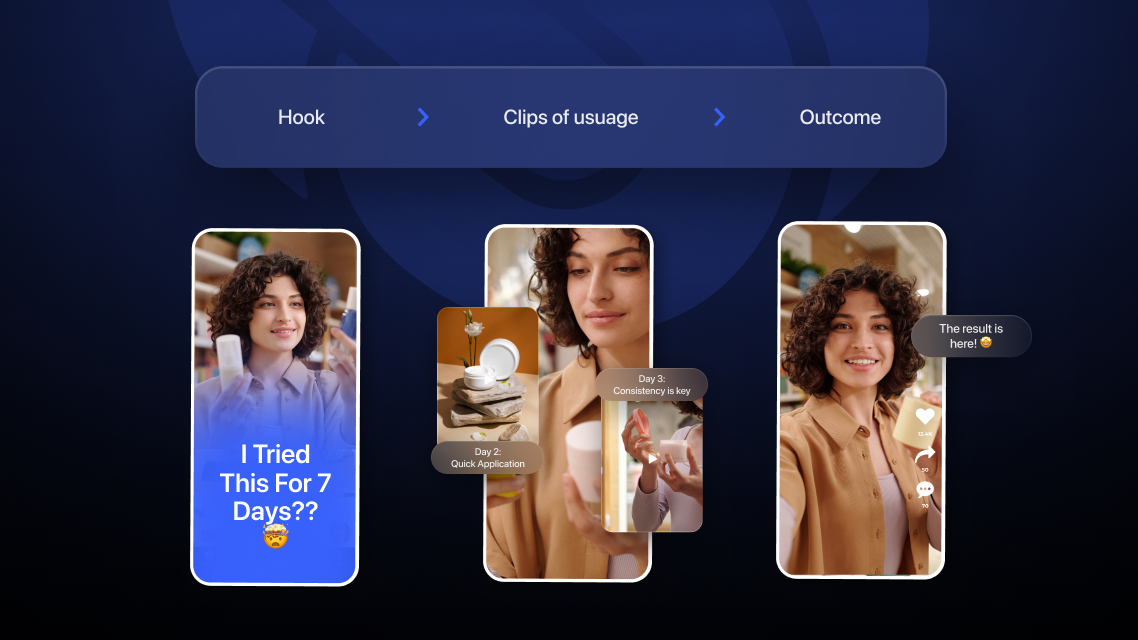
Those patterns show up when you test multiple creators, multiple angles per creator, and multiple posts per angle. For example, one creator might film three versions of the same concept: a direct product demo, a before-and-after transformation, and a storytelling format.
If two of those formats start generating comments like “where do I get this?” or consistently drive conversions, you have a signal you can build on.
This approach gives you clarity faster. Instead of guessing which idea will work, you see how different angles perform across real audiences. Once a pattern holds across multiple posts, it becomes something you can scale into paid ads.
Use paid creator briefs to control quality, messaging, and output volume
Paid creator briefs give you control over what gets produced and how often it gets delivered. Kelsey Eyers described how this changes output:
“By owning this content, we are also creating a content flywheel for the brand to use in other areas.”
That ownership comes from clear agreements, defined deliverables, and a steady production rhythm. Teams working this way contract creators for batches of content, often 10 to 30 videos per creator. Each batch focuses on specific angles: problem–solution demos, before-and-after transformations, lifestyle use cases, and objection handling.
The brief sets direction without scripting every line. It outlines the product context, the key message to land, and examples of successful formats.
Creators still film in their own style. That keeps the content native while making the output usable for ads.
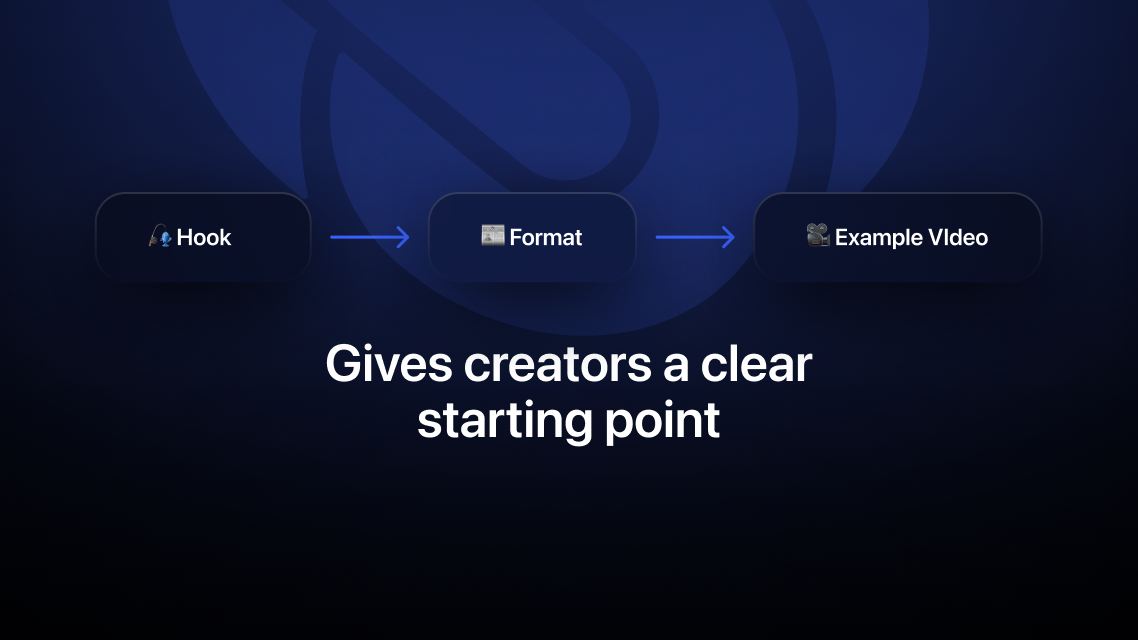
Sambhav Chadha framed this as building systems that drive repeatable results. With paid briefs, you decide how many videos get produced each week, which angles get tested, and how quickly new concepts move into production.
This creates a reliable stream of content you can act on immediately. For example, a brand testing a skincare product might brief creators around:
- A morning routine format
- A “day 1 vs day 7” transformation
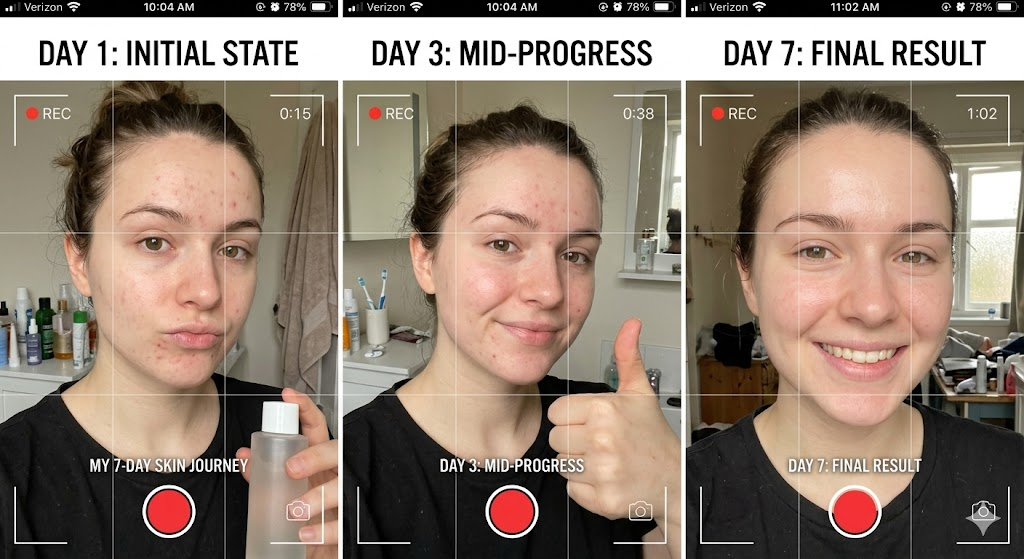
- A quick problem-focused hook
Each creator produces multiple versions. Within a week, you have dozens of videos testing the same core ideas from different perspectives. Strong formats stand out quickly, and those ideas move straight into paid.
Paid briefs also make iteration faster. When a hook or format performs well, you can push that direction back into the next round of briefs. Creators then produce new variations using that winning angle, which increases the quality of output over time.
This is how content production stays aligned with performance.
Turn high-performing creator videos into paid ads across channels
Once a creator video shows strong signals, it moves into paid. Sambhav Chadha explained what makes a video ready for that transition:
“You’re looking for creators whose content would make sense without context.”
Paid distribution reaches people who have never seen that creator before. The video needs to stand on its own. That shows up in a few ways:
- The hook explains the problem immediately
- The product is visible and easy to understand
- The benefit is clear without relying on creator familiarity
When those elements are present, the video can scale beyond organic reach. From there, teams can push distribution through whitelisting and partnership ads, paid ads across TikTok and Meta, and placements on landing pages and PDPs.
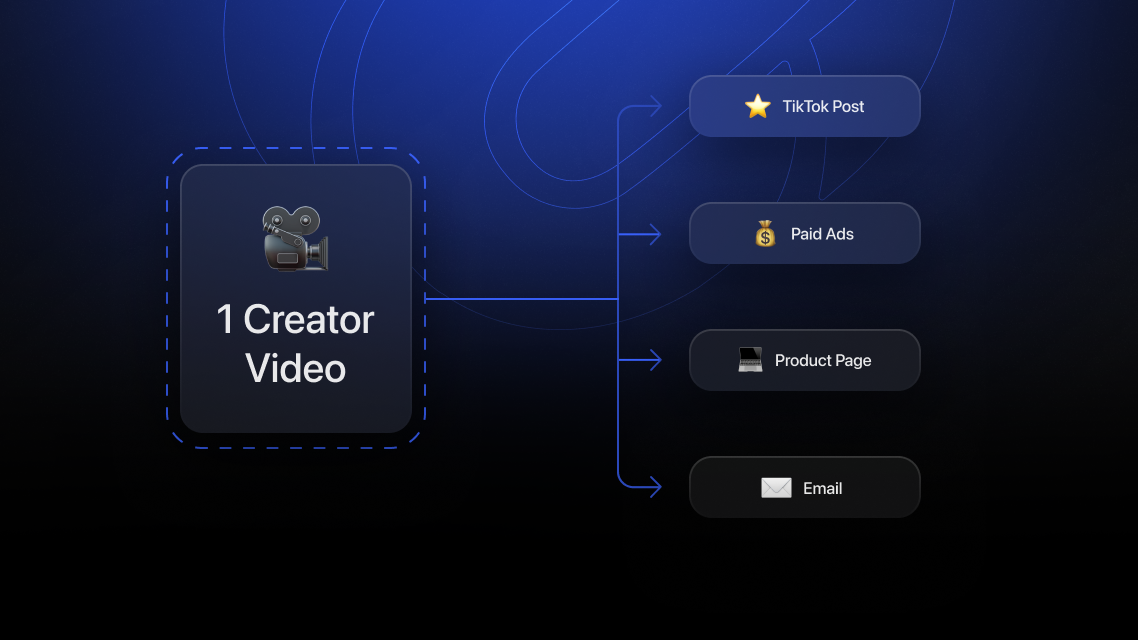
Chadha shared a concrete outcome from this approach. His team saw that whitelisted creator content delivered 15–20% lower CAC than ads run from the brand handle. The difference comes from how the content feels. Creator-led videos carry trust and attention into paid environments.
Amplification also expands the value of a single video. A strong piece of content can run as a paid ad, be part of a product page to support conversion, and used in retargeting flows. This turns one creator video into a multi-channel asset.
Distribution is where performance compounds. Once a format proves it can convert, paid channels allow you to scale impressions, reach new audiences, and drive consistent sales from the same creative.
Increase content velocity to scale the number of winning creatives
A higher volume of creator videos gives you more chances to identify winning ads.
Tamanna Bawa, Tech Partner Manager at Triple Whale, described what this looks like within top programs. Teams that cross $100K per month on TikTok Shop keep three aspects running smoothly: consistent creator recruitment, a strong affiliate layer, and high content velocity. They generate dozens of creator videos every week and keep testing cycles active.
That volume produces a steady stream of formats you can evaluate:
- Problem–solution demos that show the product in action
- Before-and-after transformations that highlight outcomes
- Short storytelling clips that hold attention through the full video
Each format enters your testing pipeline. Some will convert immediately. Others show early signals that can be refined in the next round of content.
Velocity depends on how you source and manage creators.
Myah Christenson, Affiliate & Creator Partnerships Manager at SEEQ, shared how teams keep creators engaged and producing. They build a funnel that brings creators in, then move them into a tighter community where performance is visible. When a video performs well, it gets shared with the group. Creators pick up the hook or format and produce their own variations.
That creates a loop where output increases and quality improves at the same time.
You can see this in how content flows each week:
- New creators enter and submit their first videos
- Existing creators produce additional variations
- Top-performing formats get replicated across the group
This keeps the pipeline active and gives you enough volume to identify strong signals quickly. With consistent velocity, you always have new creatives to test, new angles to explore, and a steady set of videos ready for paid amplification.
Feed winning ads back into your creator pipeline to improve future output
Every winning ad gives you direction for what gets produced next.
Chadha described how top programs operate once they start seeing consistent performance. They track which hooks, formats, and product angles are converting, then carry those learnings into the next round of creator briefs.
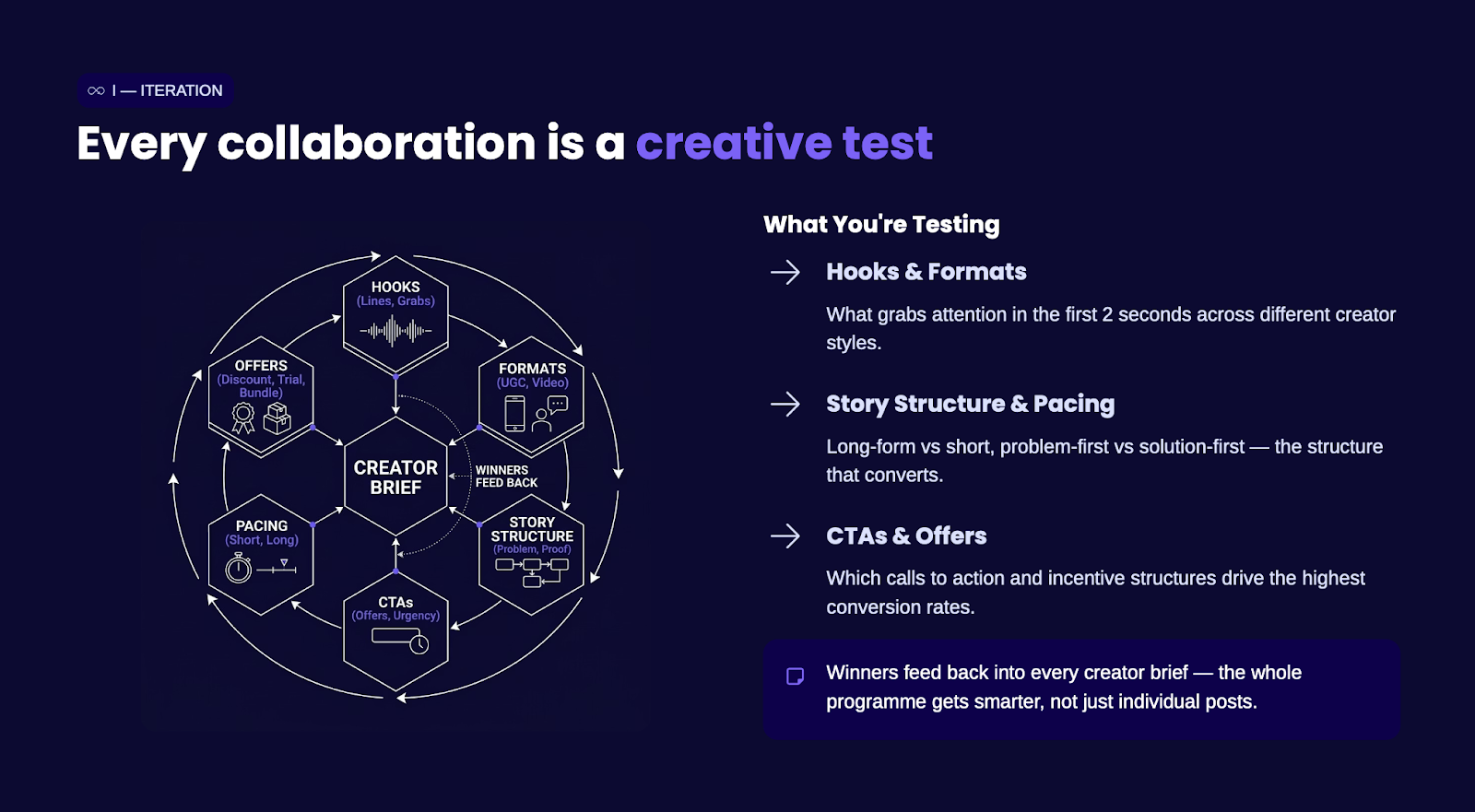
That changes how content evolves.
Instead of starting from scratch each time, creators build on ideas that already work. A hook that drives conversions shows up across multiple creators. A format that performs gets repeated with new variations. Over a few cycles, those ideas become sharper and more consistent.
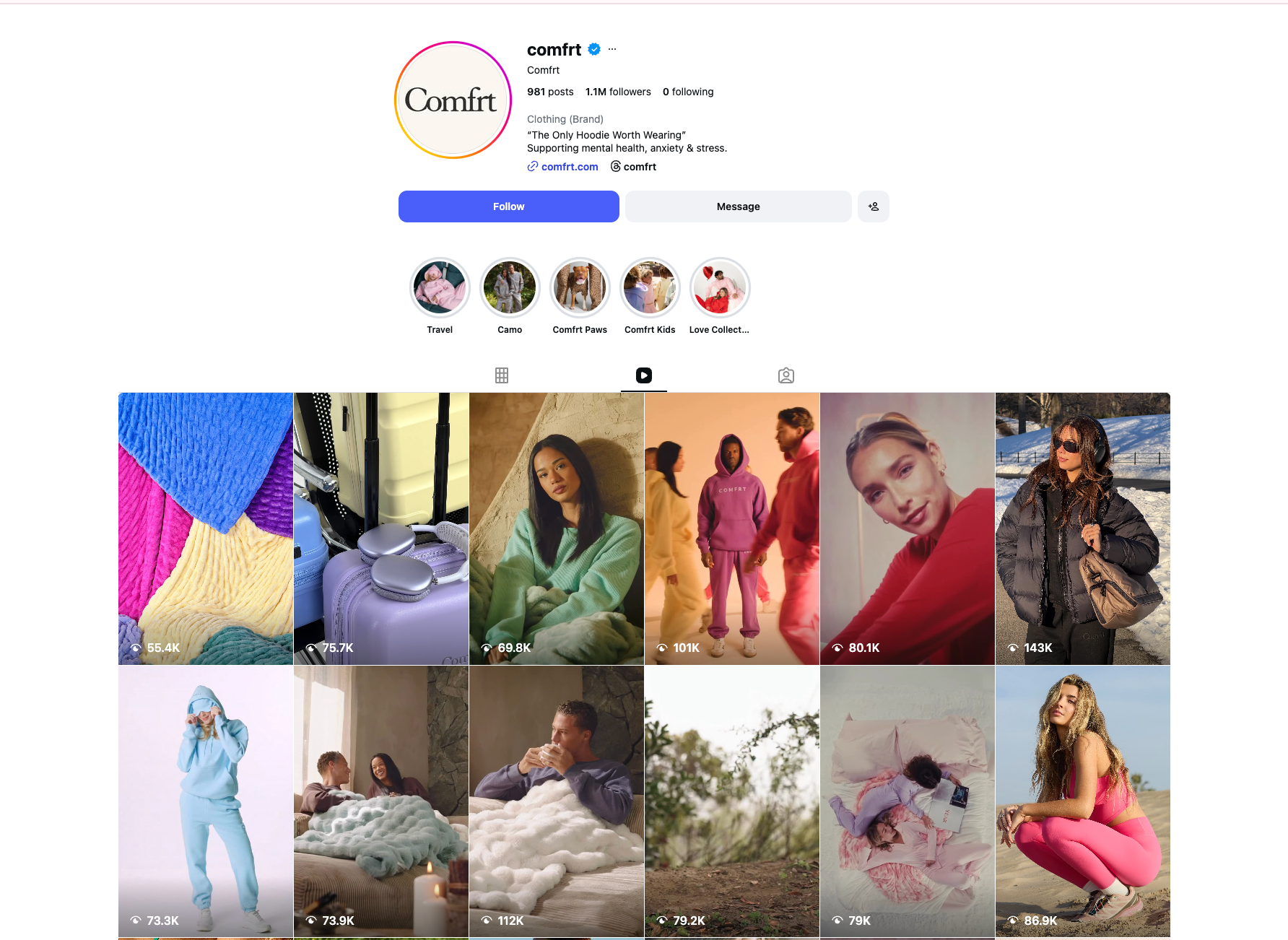
For example, Comfrt, a clothing brand, built a creator ecosystem where TikTok Shop affiliates alone were producing 30+ videos per day, alongside content from ambassadors and even athletes organically wearing the product. That level of activity keeps the brand constantly present within audience feeds.
The brand also pushes hundreds to thousands of creatives every week across different niches. What drives results is how quickly insights move through the system. When a hook starts converting, it gets shared across creators. When a concept performs, more creators are asked to produce their own versions of it.
That creates momentum within the pipeline. Each round of content is shaped by real performance data:
- Creators produce variations of proven angles
- New videos improve on what already converts
- Stronger creatives move into paid faster
Katelyn Masek, Social and Creator Lead at Genexa (formerly at Ghost), added another layer to this by showing how brands activate multiple creator groups at once. Affiliates, ambassadors, and paid creators all contribute content, and all of it feeds into the same learning system.
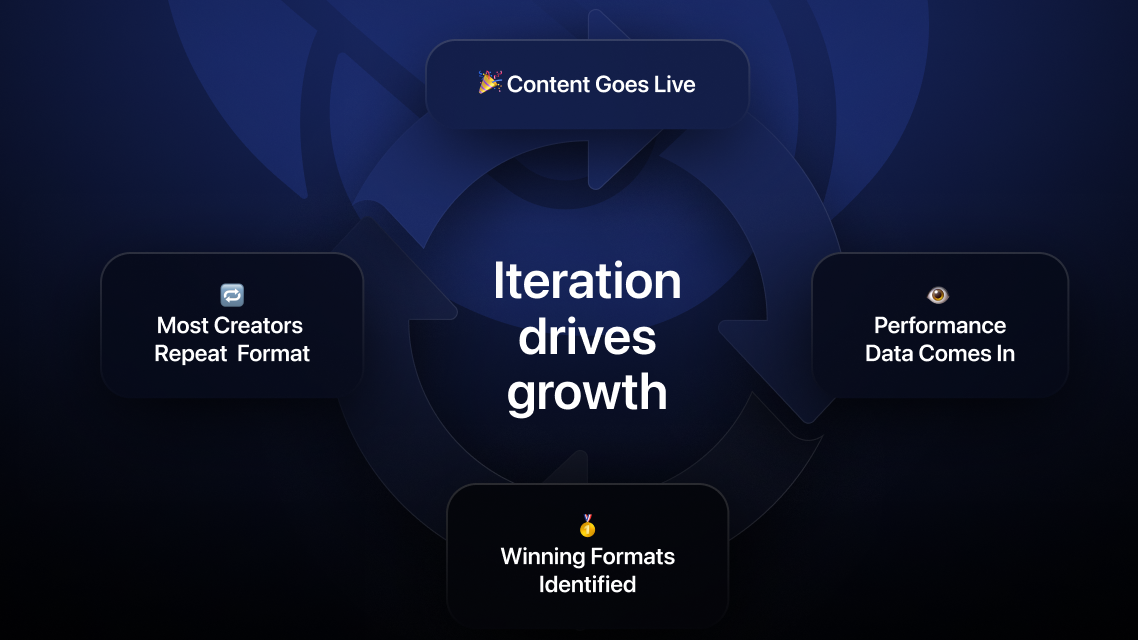
As more creators participate, the feedback loop strengthens. Strong ideas spread faster, More variations get tested, and the quality of output improves without slowing down production.
This is where the system compounds. Winning ads shape what gets produced next, and each cycle builds on the last. Over time, the entire creator pipeline becomes more efficient, more focused, and more aligned with what actually drives conversions.
Implement this: A practical workflow for turning creator videos into ads
Once you have a steady flow of creator content, clear testing signals, and a process to scale winning videos through paid, this workflow ties everything together into a repeatable system you can run every week:
Ready to turn creator videos into your highest-performing ads?
Creator videos start driving results when they move through a system you run every week.
You bring in creators, test multiple variations, and watch what actually converts. Strong hooks stand out, certain formats repeat across creators, and a few angles keep driving clicks and sales. Those insights shape what gets produced next.
Winning videos can be turned into paid assets, scale across channels, and keep generating revenue beyond the original post. Each cycle builds on real performance, so your content gets sharper and more effective over time.
Social Snowball connects this entire loop by giving you:
- Trackable links and codes tied to each creator
- Fraud-protected single-use codes for every shopper
- Automated payouts based on actual sales
- Clear visibility into which videos drive revenue
That visibility turns creator content into something you can scale with confidence.

.png)
.avif)


