.png)
Many creator partnerships drive attention without generating consistent revenue.
The creator posts once, the campaign gets a temporary spike in engagement, and the partnership disappears a few weeks later. No repeat content, no long-term creator relationship, and no scalable growth channel behind it.
Cassandra Bankson, a professional influencer, and Norman Chu, VP of Marketing at KAHI Cosmetics and Founder of Digital AgenZ, have seen this problem from both sides: receiving partnership pitches as creators and managing creator partnerships as ecommerce operators.
One of the biggest takeaways from their conversation was that strong creator partnerships are built through audience fit, thoughtful outreach, smart incentives, and long-term relationship building long before the first post goes live.
This blog covers what actually makes creator partnerships work, from choosing the right creators to building incentive structures that keep them posting consistently.
Start with creators who naturally fit your brand
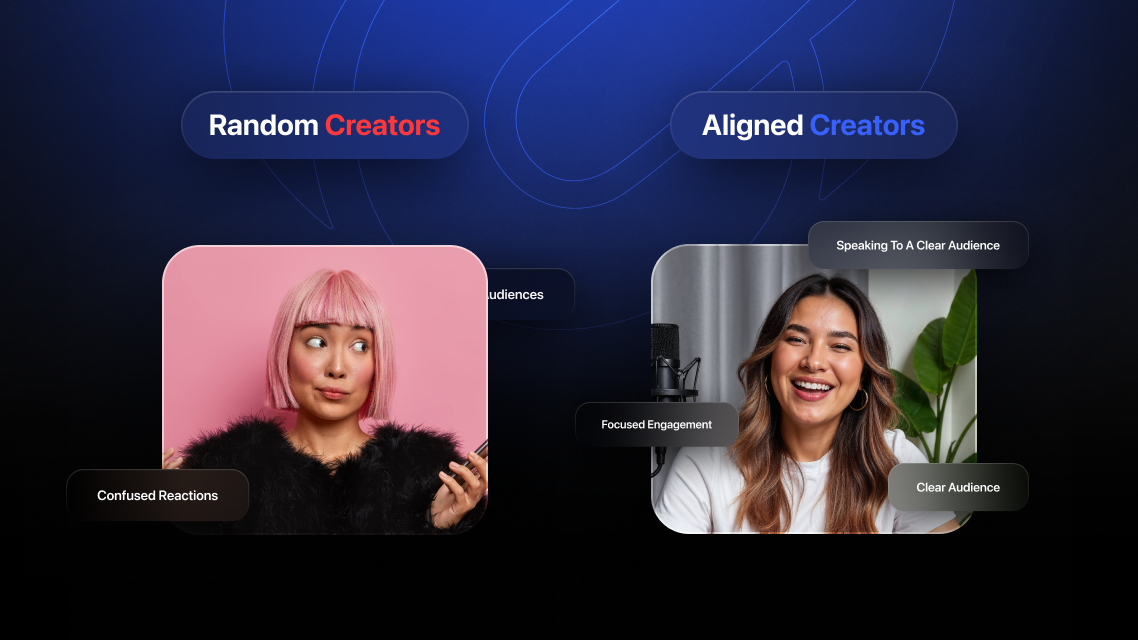
Strong creator partnerships start with audience alignment, not follower count.
A large audience means very little if the product feels disconnected from the creator’s content. Audiences spot forced partnerships quickly, and when that happens, engagement drops and conversions usually follow.
Bankson Bankson explained that when brands reach out to her, she first looks at fit, not compensation.
“Even if I have millions of followers online, even if I promote it, they're not going to get the same ROI that they would if this were a vegan, plant-based burger reaching out to me. Or, even more aligned, some sort of skincare that actually speaks to my audience.”
She shared that she once turned down a lucrative partnership from a steakhouse brand because her audience knows her for cruelty-free beauty and plant-based living. Even with a large audience, she knew the partnership would not perform because the product did not naturally belong in her content.
This is what many brands overlook.
Creators already understand what their audience trusts them for. When your product fits naturally into that relationship, the content becomes easier to create and more convincing to watch. The creator does not need to force talking points or overexplain the product. The recommendation already makes sense in the context of their content.
This is also why smaller creators often outperform larger ones in affiliate programs. A niche creator with a highly engaged audience can drive stronger conversions than a broad lifestyle account posting generic sponsored content.
Before reaching out to affiliate creators, look closely at how they already speak to their audience:
- What products do they naturally discuss?
- What problems does their content solve?
- Would your product feel normal in their content without a heavy brief?
The strongest creator partnerships feel believable from the first post. That is usually what drives revenue consistently over time.
Personalize creator outreach if you want responses
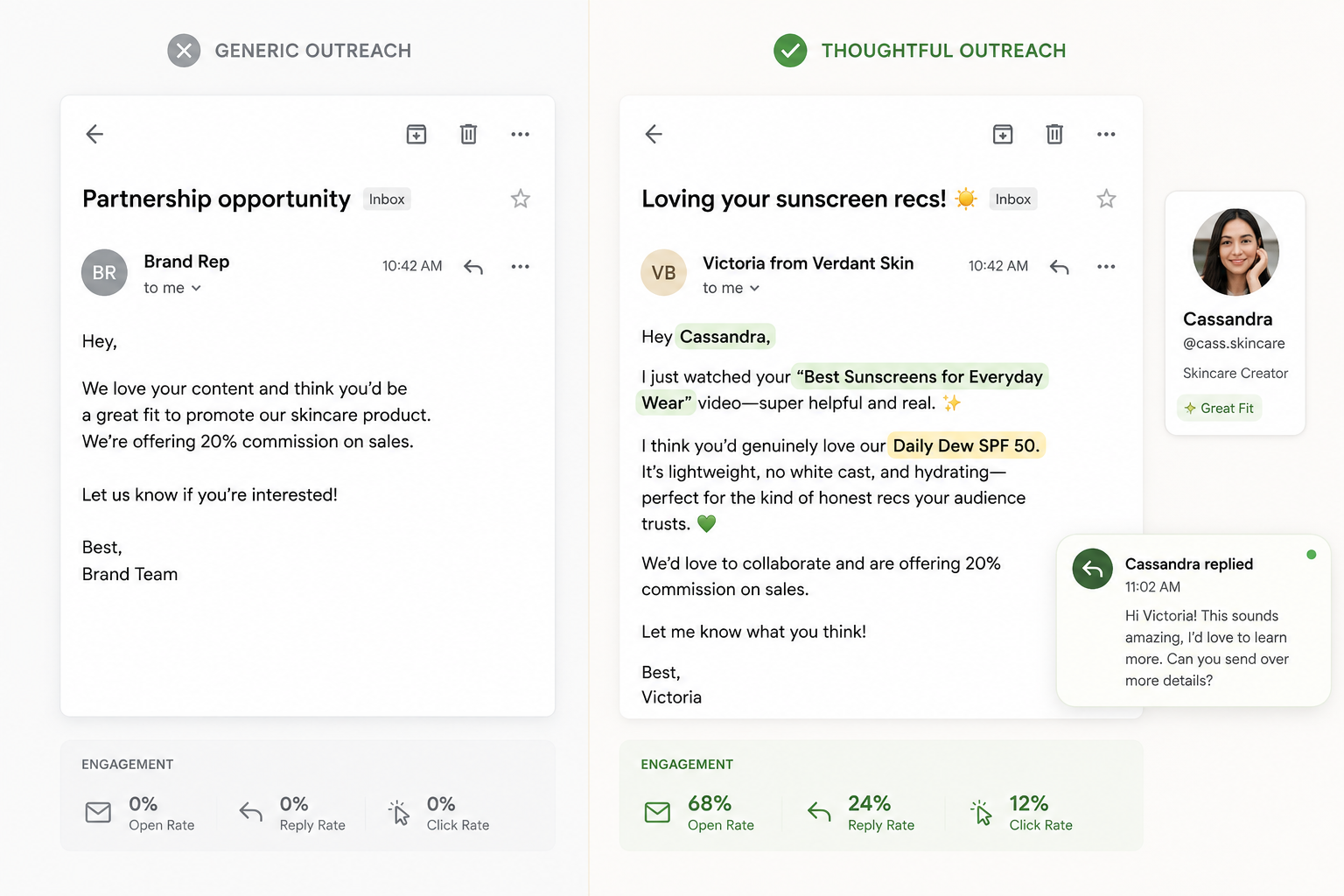
Creators receive partnership requests every day, and most of them sound identical. Generic pitches, obvious mass messaging, and zero creator context immediately make the outreach feel transactional.
Bankson mentioned that her team constantly receives messages that say, “Hi, we love your content. Please promote our product,” followed by a pitch unrelated to her niche. That usually tells creators two things:
- The brand did not research its content
- The partnership likely won't make sense for their audience either
Once that happens, the conversation usually ends there.
“Making sure that you're saying why you like their content... we've seen your viral video on [topic], we really liked it, and we want you to create something similar for us.”
What better outreach actually looks like
Strong outreach feels specific from the first sentence. You do not need a long pitch or an elaborate creator brief upfront. You need to quickly show the creator why the partnership makes sense:
- Reference a specific video or content format
- Explain why your product fits their audience
- Keep the ask simple
- Make the next step easy
Even small details change how the message feels. Mentioning a recent post or calling out a specific way the creator talks about products immediately makes the outreach feel more intentional.
“A friend who texted me and said, ‘Hey, you need to meet this brand’, that is going to be a much more high-touch thing and get the best conversions.”
Warm introductions create faster trust
Norman Chu also emphasized how well warm introductions perform compared to cold outreach.
A message from a mutual connection immediately lowers friction because creators already have some level of trust attached to the introduction. That matters even more now as creators receive increasing amounts of outreach every week.
Creators are not just evaluating compensation. They are evaluating whether your brand feels credible enough to associate with publicly.
Build creator partnerships around the right creator tiers
A lot of brands approach creator partnerships with one goal: source the biggest creator possible. But strong creator programs usually grow through creator mix, not creator size alone.
“There is a nano, a micro, and a macro influencer. Knowing which one you're trying to reach, or which groups you're trying to reach, can really come into play when these incentive structures play in.”
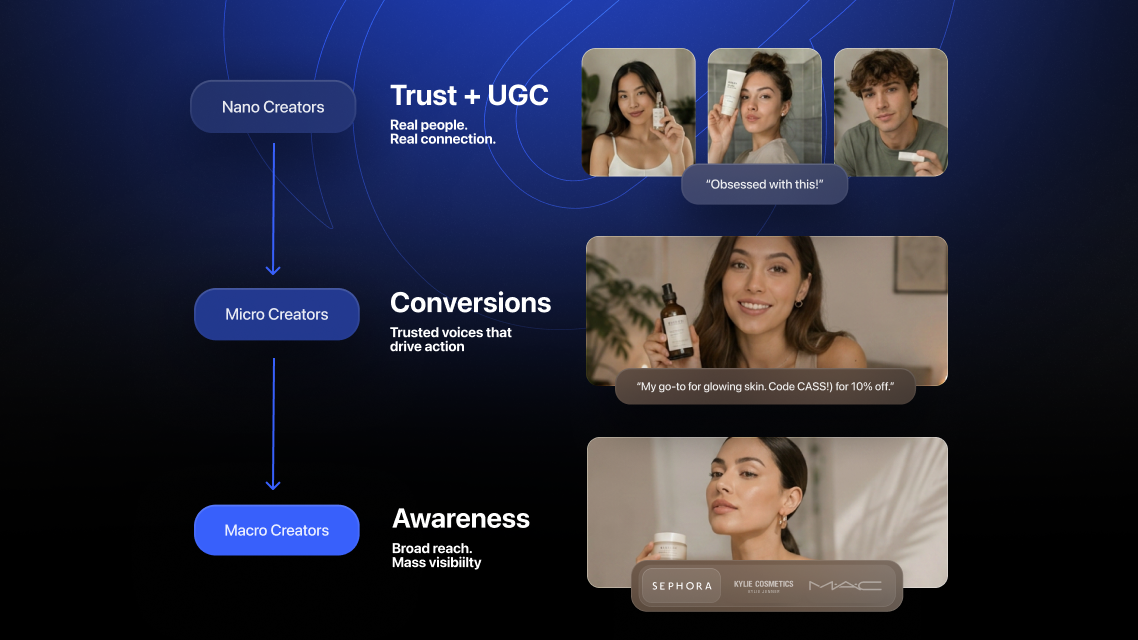
Different types of influencers solve different problems for your brand. Once you understand that, it becomes much easier to structure partnerships that drive both content volume and revenue.
Nano creators for niche trust and UGC
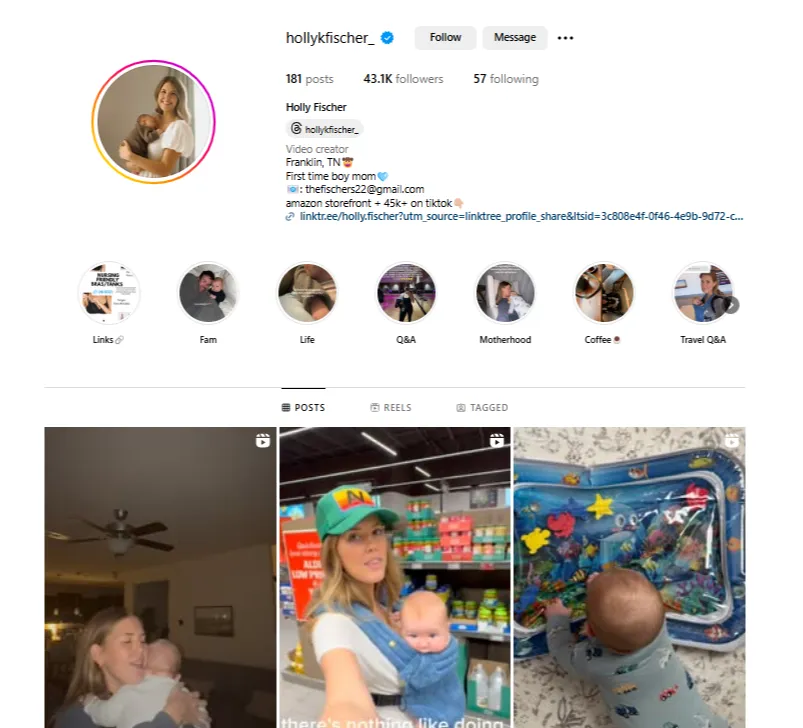
Nano creators typically have smaller but highly niche audiences. Their content usually feels more personal, less polished, and closer to everyday consumer behavior.
“The nano usually has less than 10,000 followers and can be a little bit more UGC, but is really niched down.”
That makes them extremely valuable for:
- Authentic product reviews
- Product seeding
- Testimonial-style content
- UGC libraries
- Early product feedback
Since their audiences are smaller and more engaged, recommendations often feel more believable. For DTC brands, nano creators can become a consistent source of reusable content at scale.
Micro creators for conversions and engagement
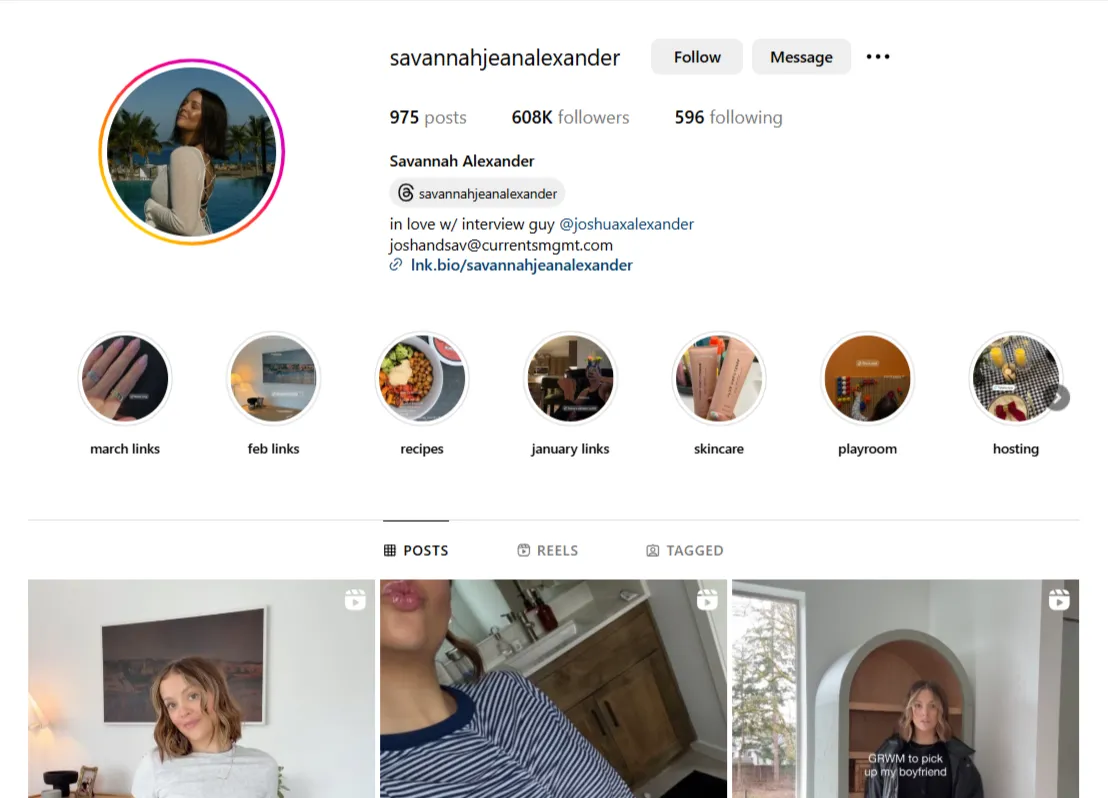
Micro creators usually offer the best balance between reach, trust, and engagement.
“Micro is under 100,000. They have great engagement.”
Their audiences are still niche enough to trust recommendations, but large enough to drive meaningful sales volume. They also tend to create content that feels more educational and community-driven compared to heavily sponsored creator accounts.
This is why many affiliate programs scale primarily through micro creators instead of celebrity-level influencers. If you are optimizing for direct-response performance, micro creators are often where the strongest long-term partnerships happen.
Macro creators for reach and awareness
Macro creators play a different role. They help create awareness, accelerate discovery, and give your brand social proof at scale.
“They're very top-of-funnel, awareness-driven.”
A large creator partnership can quickly expose your product to entirely new audience segments and create momentum around launches or campaigns.
But a larger reach doesn’t automatically mean stronger conversions. Macro creator partnerships usually perform best when supported by smaller creators generating consistent trust-driven content underneath them.
The strongest creator ecosystems combine all three creator tiers instead of expecting one creator type to solve every growth problem.
Use incentive structures that keep creators posting
A higher commission percentage does not automatically create a stronger creator partnership.
Most creators are not choosing brand partnerships based on commission alone. They are looking at whether the product converts, whether the partnership feels worth prioritizing, and whether the brand is creating opportunities that continue beyond one post.
That is why strong creator programs usually combine multiple incentive structures.
Tiered bonuses
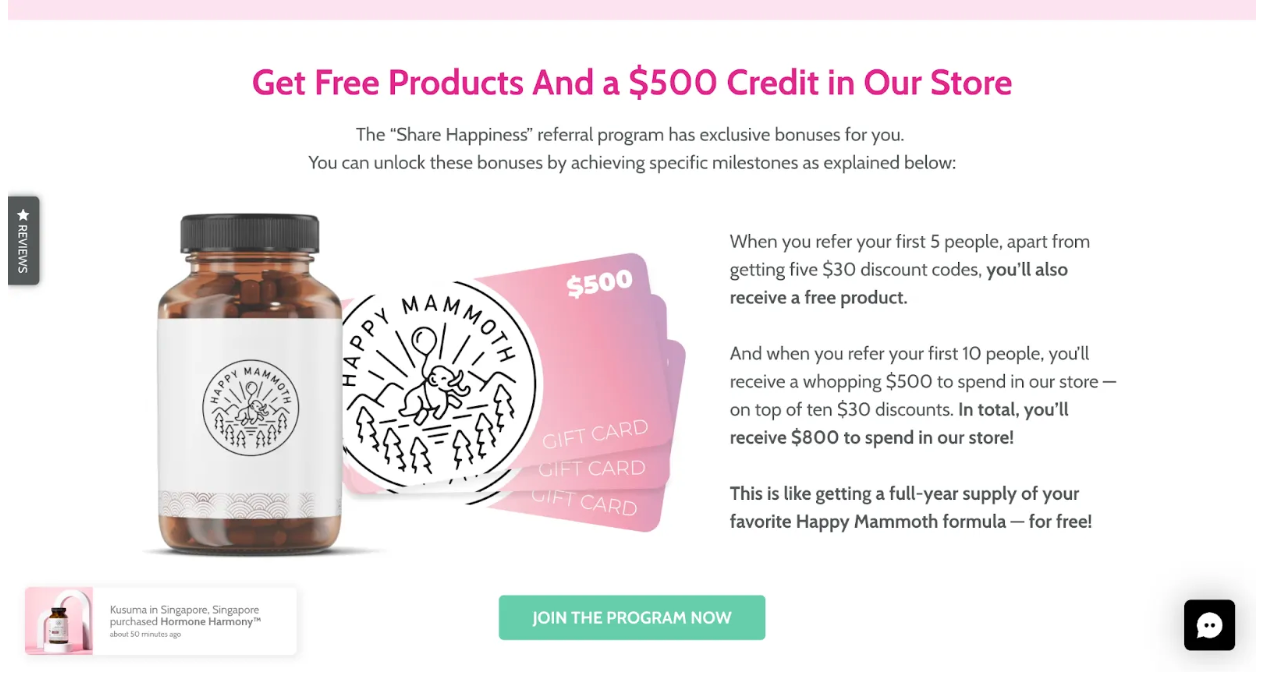
Tiered referrals work well because they reward momentum.
“There's increased commission, but there's also bonus commission tiering. I don't think this is tapped into enough, but it can work really well.”
Instead of offering a static commission rate forever, you can reward creators as performance increases:
- Additional commission after a revenue threshold
- Bonus payouts after a sales milestone
- Gifting or exclusive rewards for top performers
This creates a reason for creators to keep posting instead of treating the partnership like a one-time campaign.
Flat fee + content rights
For many brands, especially in ecommerce, creator content itself becomes one of the most valuable outputs of the partnership. Flat fee structures work well when you want creators producing multiple pieces of content that you can later reuse across:
- Paid ads
- Landing pages
- Product pages
- Email campaigns
- Social content
This is especially effective with nano and micro creators who consistently create strong UGC but may not have a massive reach.
Retainers
Retainers work well when you want ongoing creator presence instead of isolated campaign spikes.
Once creators already understand your product, audience, and messaging, the process becomes much smoother. You spend less time briefing creators repeatedly, and the creator builds more familiarity with your brand over time.
That consistency usually creates stronger content and more believable recommendations.
Events and experiences
One of the most overlooked creator incentives is access.
Norman Chu pointed out that events and creator experiences can create stronger long-term partnerships because they give creators something beyond compensation.
Brand trips, launch events, creator dinners, or in-person activations often lead to more organic content, stronger creator relationships, and additional customer referrals.
Creators talk to other creators constantly. A strong creator experience often becomes recruitment for future partnerships as well.
Newer brands may need stronger upfront offers
Creators evaluate brands the same way customers do.
If your brand has limited reviews, low social proof, or very little market presence, creators may hesitate to commit to commission-only partnerships because they are unsure whether the product will convert.
“Creators look at your reviews, the number of sales that you have, so if you're cold start, it makes it much more difficult.”
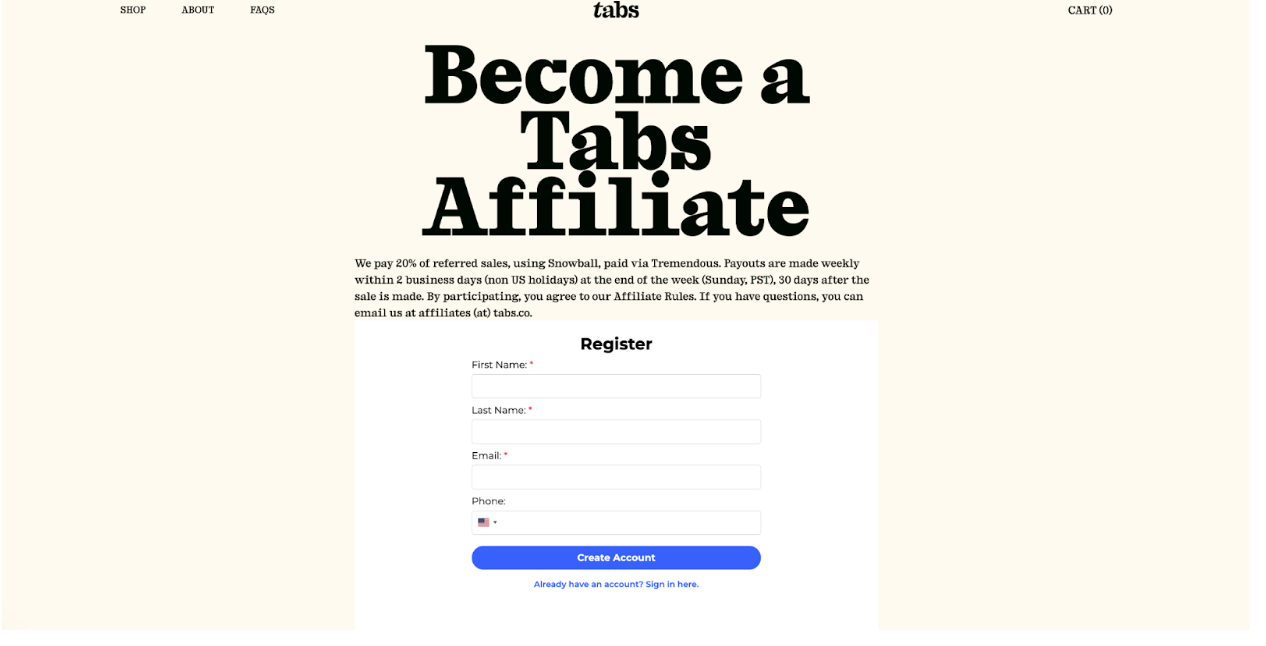
That is why many newer brands start with a flat fee plus commission structure. The upfront payment lowers creator risk, while commissions create additional incentive to keep producing content that performs.
As your brand grows and gains stronger conversion proof, it becomes much easier to build partnerships that lean more heavily on affiliate performance.
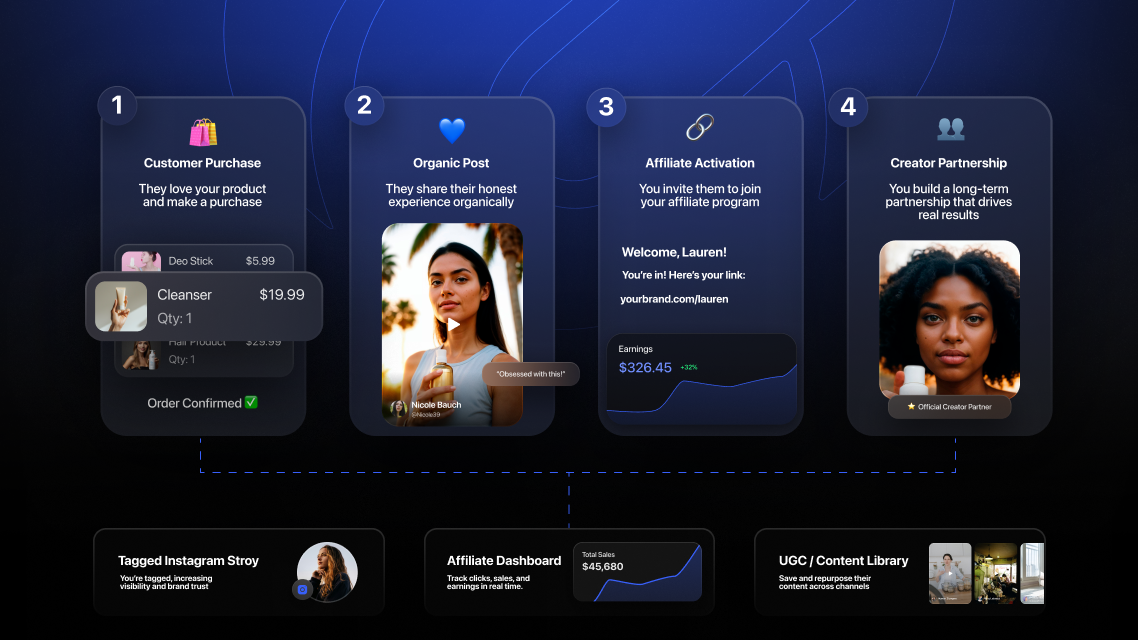
Turn existing customers into creator partners
Some of your best future creators are probably already buying from you.
They already understand the product, know how to talk about it naturally, and often create more believable content than cold creator partnerships. This familiarity matters because audiences can usually tell the difference between someone trying a product for a campaign and someone who genuinely uses it.
This is why customers turned into creators often perform extremely well in affiliate marketing programs.
Instead of starting every creator relationship from scratch, look at the people already engaging with your brand:
- Customers tagging your products on social media
- Repeat buyers
- Creators already mentioning your brand organically
- Customers leaving detailed reviews, tutorials, or testimonials
These customers already have context around your product, which means you can build partnerships that feel credible from the start.
Many ecommerce brands now actively recruit creators from their customer base, turning existing buyers into long-term affiliates, UGC creators, or ambassadors over time.
Use social listening to find organic advocates
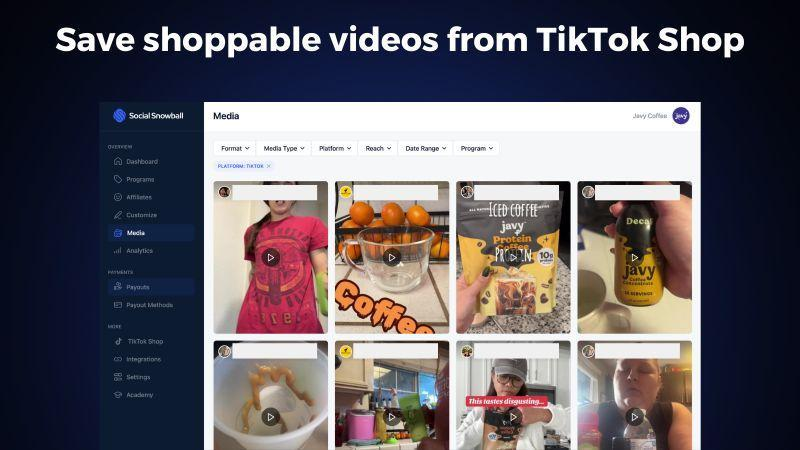
A lot of brands overlook the amount of creator-ready content already being shared around their products.
Tools like Social Snowball’s social listening help you identify:
- Creators already posting about your brand
- Existing customers creating UGC
- Affiliates driving conversations without formal partnerships
These creators are often much easier to onboard because the interest already exists before outreach begins.
Make it easy for new customers to become affiliates
One of the biggest reasons brands struggle to scale creator programs is friction.
If customers need to fill out long applications, wait for approvals, or go through multiple onboarding steps, most will never join your program, even if they genuinely like the product.
The easier you make the transition from customer to affiliate, the easier it becomes to increase creator volume consistently.
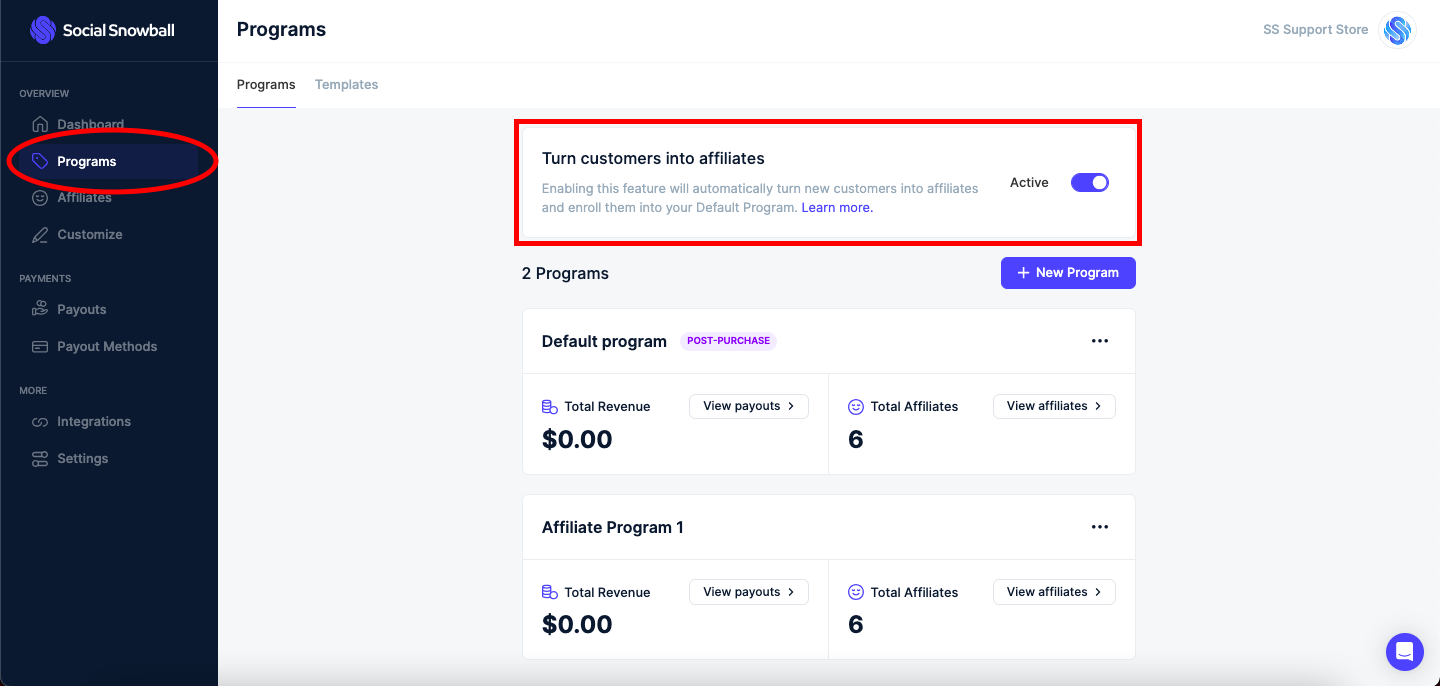
That is why many Shopify brands activate customers as affiliates immediately after purchase. At that point, customers already have product familiarity and recent purchase intent, making it one of the highest-intent moments to introduce an affiliate or creator program.
Tools like Social Snowball help automate this by turning customers into affiliates directly after checkout, giving them referral links, discount codes, or creator opportunities without requiring extra setup.
Over time, this creates a larger pool of creators and affiliates who already understand your product before the partnership even begins.
Ready to build creator partnerships that consistently drive revenue?
Strong creator partnerships are rarely built through one viral post or one large creator deal.
The brands that consistently grow through creator marketing build systems that keep creators engaged over time. They focus on creator fit, personalized outreach, sustainable incentives, and long-term relationship building instead of treating every partnership like a one-off campaign.
That is also why the operational side matters just as much as the creative side. As your program grows, managing outreach, affiliate tracking, payouts, gifting, customer-creators, and UGC manually becomes difficult to scale.
Social Snowball helps ecommerce brands manage all of this in one powerful dashboard, from creator onboarding and affiliate tracking to customer-to-affiliate activation, payouts, social listening, and UGC management.