Brands have never had more opportunities to work with creators. Between Instagram, TikTok, YouTube, affiliate programs, and creator marketplaces, finding potential creator partners is easier than ever.
Yet many creator programs struggle to produce consistent results.
A campaign generates a burst of content. A few creators drive engagement. Some sales come in. Then the campaign ends, and the entire process starts over with a new group of creators.
The brands seeing the strongest results approach creator marketing differently. Instead of treating creators as one-off campaigns, they build systems for discovering creators, testing partnerships, measuring performance, and turning top performers into long-term partners.
Over time, those systems create a repeatable engine for content generation, customer acquisition, and revenue growth.
This guide breaks down how creator marketing works, the partnership models ecommerce brands use, and how to build a creator program that can scale alongside your business.
What is creator marketing?
Creator marketing is the practice of partnering with creators to generate content, build trust with potential customers, and drive measurable business outcomes.
Ecommerce brands use creator marketing to reach new audiences, produce a steady stream of content, and influence purchasing decisions through people consumers already follow and trust.
As creator programs have matured, creator marketing has expanded beyond sponsored posts. Today, brands work with creators across affiliate creator programs, product launches, paid advertising, TikTok Shop, customer acquisition campaigns, and long-term ambassador programs.
Creator marketing vs influencer marketing
The terms are often used interchangeably, but they typically serve different business objectives.
Influencer marketing is usually campaign-driven. Brands partner with creators to promote a product, increase awareness, drive engagement, or generate sales during a specific campaign.
Creator marketing takes a broader approach. Instead of focusing on individual campaigns, brands build ongoing creator programs that consistently generate content, customer acquisition opportunities, and long-term creator relationships.
The table below breaks down the differences in more detail.
Many ecommerce brands use both approaches together.
For example, a creator might start as part of a sponsored product launch, move into an affiliate partnership that generates measurable revenue, and eventually become a long-term ambassador who consistently creates content for the brand.
That evolution—from one-off sponsorships to ongoing creator partnerships—is one of the reasons creator marketing has become a core growth channel for ecommerce brands.
Creator marketing vs paid ads: Should brands choose one?
The question isn't whether brands should invest in creator marketing or paid ads. The strongest ecommerce brands use both together.
- Creator partnerships help brands generate authentic content and build credibility with potential customers.
- Paid advertising helps brands put that content in front of more people and scale their reach.
When combined, creator content and paid media often produce stronger results than either channel can deliver on its own.
Why creator content often performs well in paid campaigns
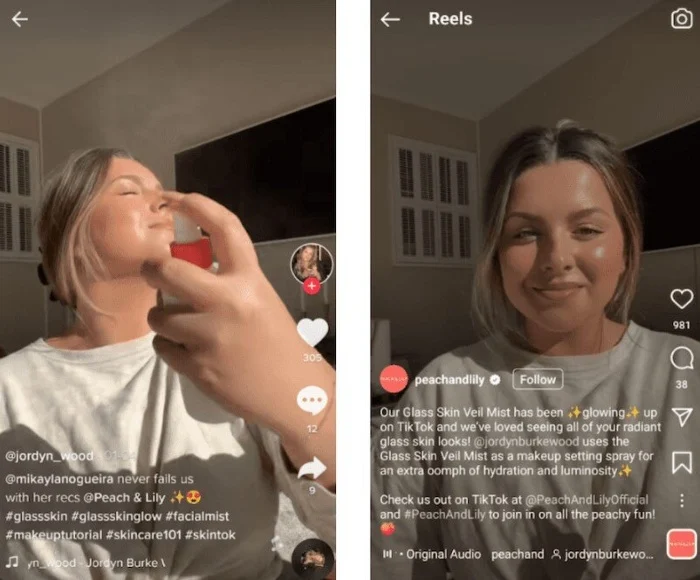
Consumers spend most of their time on social platforms engaging with creator content rather than traditional advertisements. As a result, creator-led videos, product reviews, tutorials, and demonstrations often feel more native to the feed than polished brand creative.
Since the content feels familiar, it often drives stronger engagement and more efficient customer acquisition when used in paid campaigns.
For example, a skincare brand might receive 20 pieces of content from creators during a product seeding campaign. After reviewing their organic performance, the team can identify the strongest creator assets and launch them as paid ads.
This creates a feedback loop between creator marketing and paid media. Creator partnerships generate a steady stream of new content, while paid advertising helps brands scale the highest-performing assets to larger audiences.
How ecommerce brands combine creator marketing and paid ads
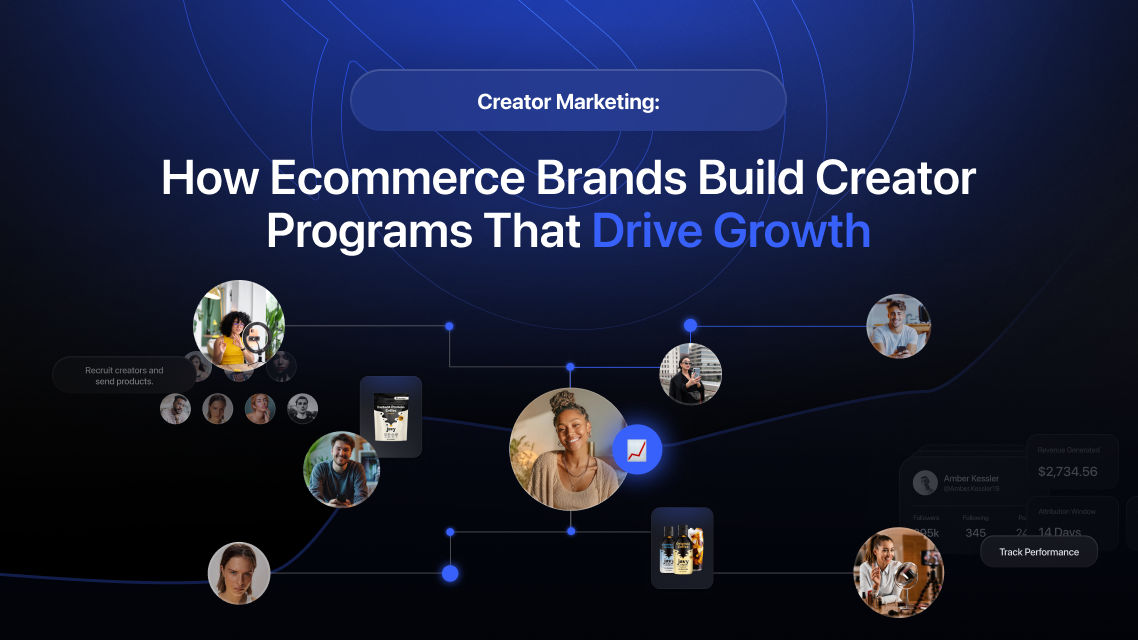
A common workflow to use both creator marketing and paid ads looks like this:
- Recruit creators and send products.
- Collect videos, reviews, and product demonstrations.
- Identify content that performs well organically.
- Launch paid campaigns using the strongest creator assets.
- Measure results and invest further in creators who consistently produce winning content.
Over time, creator programs become both a content engine and a customer acquisition channel, giving brands a repeatable system for generating content, testing creative, and driving growth across paid, owned, and earned media.
Why creator marketing works for ecommerce brands
Most ecommerce brands don’t struggle to reach people. They struggle to convert them.
Even after discovering a product, customers often hesitate. They need proof that it works, clarity on how it fits into their lives, and reassurance that it’s worth the purchase.
Creator marketing helps solve those challenges by combining trusted recommendations with content that can influence customers throughout the buying journey.
Here are the core benefits of implementing creator marketing:
- Builds trust faster: Consumers often trust creators more than brand messaging because creators show products in real-world situations. Product reviews, tutorials, unboxings, and demonstrations help potential customers understand how a product works before they buy. That context makes it easier for brands to build credibility and reduce purchase hesitation.
- Creates a content engine: Every creator partnership has the potential to generate assets that can be reused across the business. Brands regularly turn creator content into paid ads, product page content, email campaigns, social posts, and TikTok Shop assets, extending the value of a single creator partnership across multiple marketing initiatives.
- Supports the entire customer journey: Creator content can influence customers at multiple stages of the funnel. It introduces products to new audiences, helps shoppers evaluate their options, and provides social proof when they're ready to purchase. As a result, the same piece of content can contribute to awareness, consideration, and conversion simultaneously.
- Generates measurable business results: Modern creator programs are no longer limited to awareness campaigns. Through affiliate partnerships, attribution tools, discount codes, and creator-specific tracking links, brands can directly link creator activity to revenue, customer acquisition, and ROI.
Types of creator partnership models
Creator marketing can take several forms, and each partnership model serves a different purpose. Some help brands generate awareness, others focus on content production, and some are designed to drive measurable revenue.
The strongest creator programs rarely rely on a single model. Instead, brands combine different partnership types based on their goals and the creator's position within the relationship lifecycle.
Here are the most common creator partnership models used by ecommerce brands.
Sponsored content partnerships
Best for: Product launches, seasonal campaigns, and brand awareness
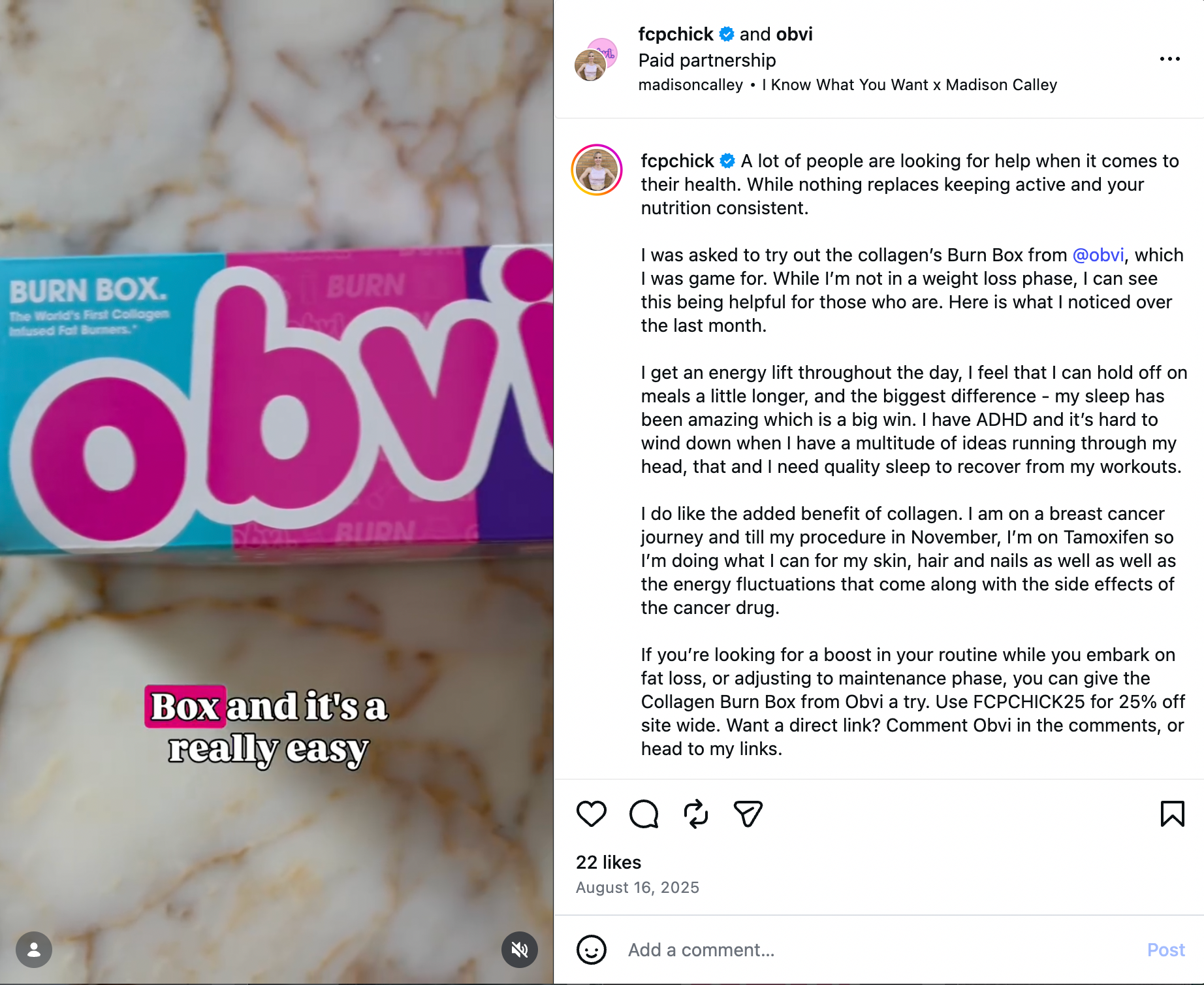
Sponsored content partnerships involve paying creators a fixed fee to create and publish content featuring your product. The creator's compensation is tied to the deliverables rather than the sales generated.
This model works well when the goal is to reach a specific audience quickly or to create momentum around a launch. Brands gain immediate exposure and content, while creators maintain creative control over how they present the product.
Pros
- Predictable campaign costs
- Fast way to reach new audiences
- Useful for launches and promotional campaigns
Cons
- Performance can be difficult to predict
- Results are often limited to a campaign window
- Brands assume most of the financial risk upfront
Affiliate creator partnerships
Best for: Performance marketing and measurable ROI
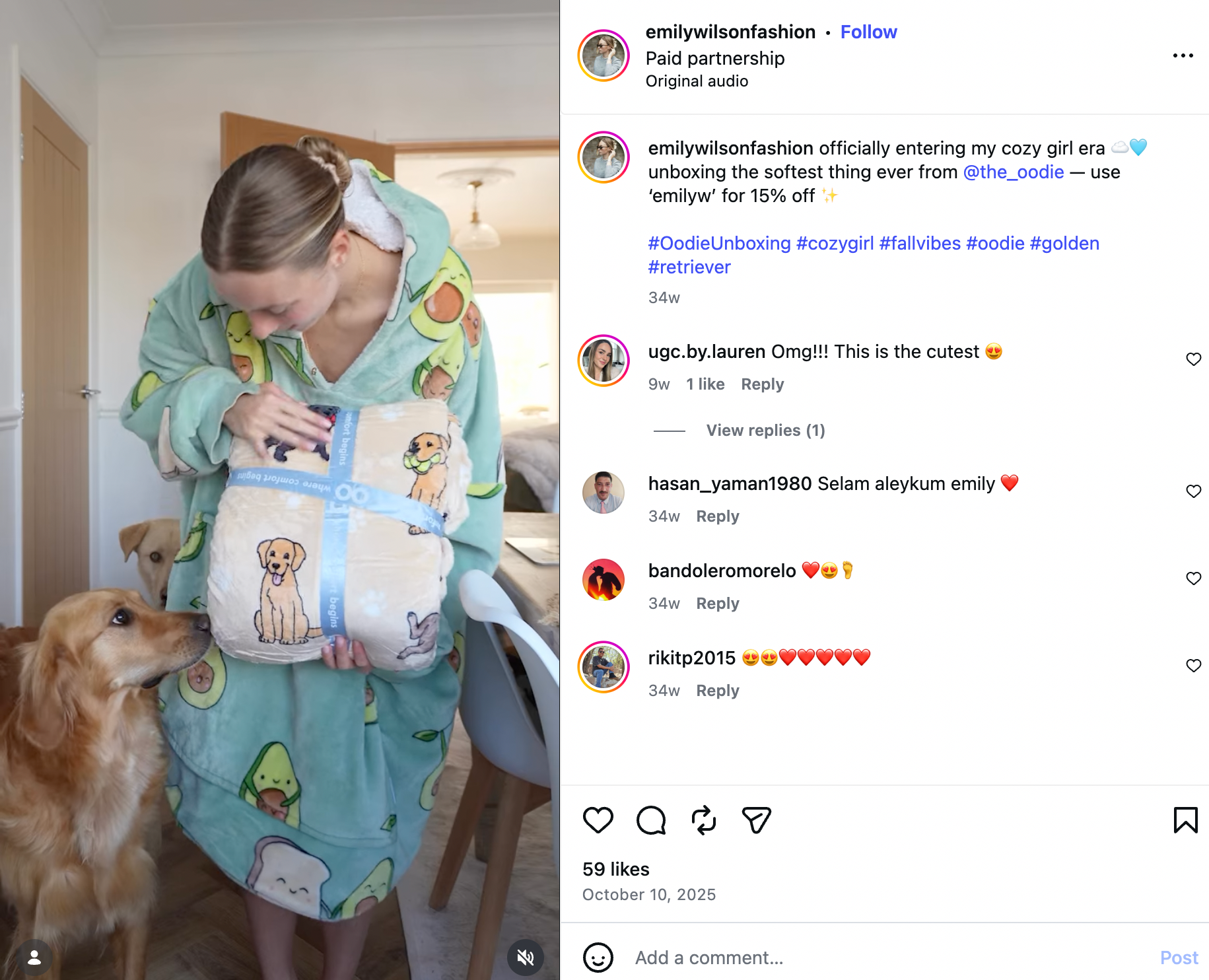
Affiliate partnerships reward creators based on the sales they generate. Instead of receiving a flat fee, creators earn a commission whenever a customer purchases through their link or discount code.
This model has become increasingly popular because it aligns incentives for both sides. Brands pay for results, while affiliate creators have a clear financial reason to continue promoting products that resonate with their audience.
Pros
- Easier to measure ROI
- Direct connection between spend and revenue
- Encourages long-term creator engagement
Cons
- Strong creators may still expect guaranteed compensation
- Results depend on creator motivation and audience fit
- Requires reliable tracking and commission management
Product seeding
Best for: Testing creators before making larger investments
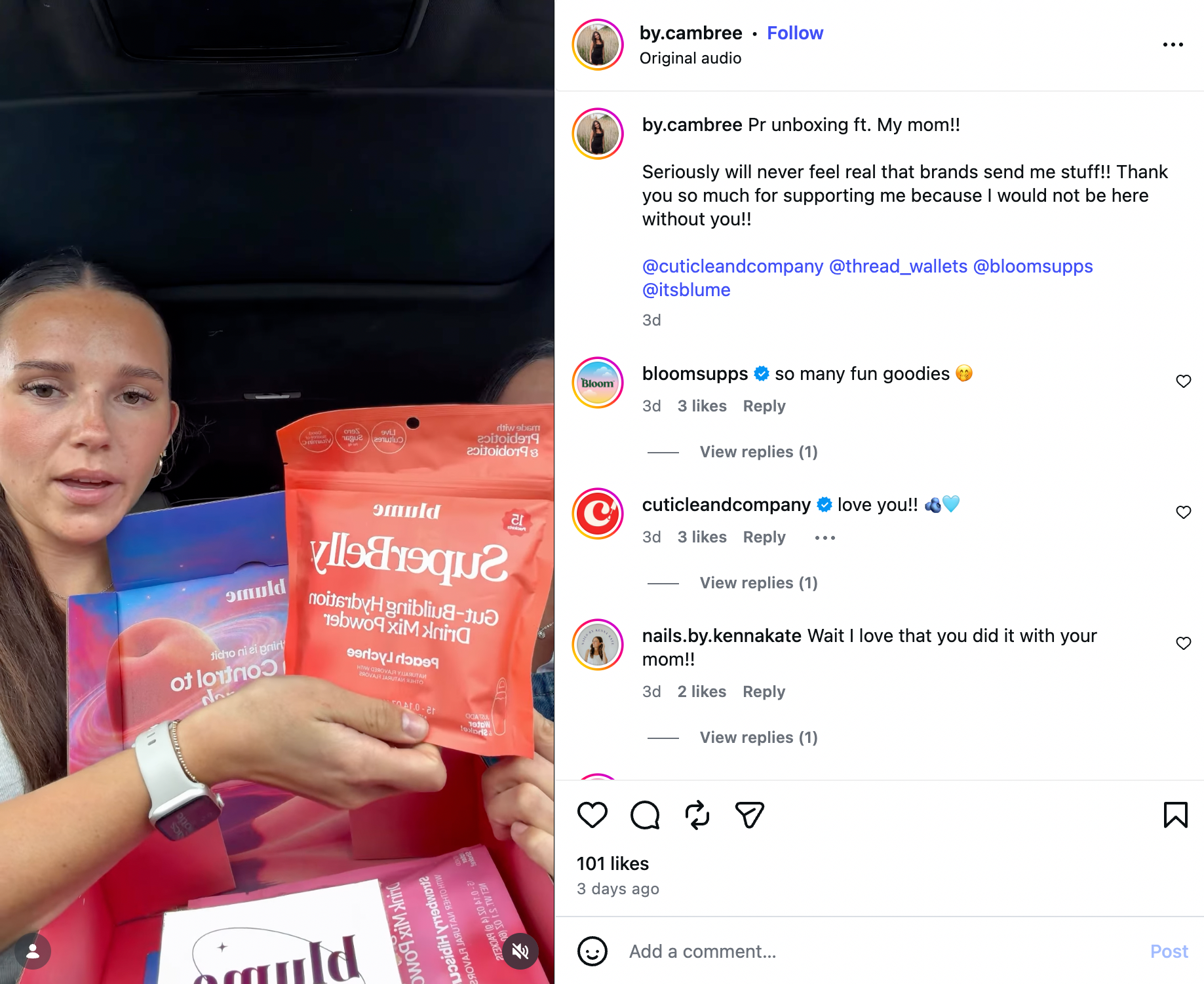
Product seeding involves sending products to creators without committing to a paid partnership upfront.
Many high-performing creator programs follow a simple progression: Seed → Observe → Scale.
Brands send products to creators, observe who creates strong content or drives meaningful engagement, and then invest more in the creators showing the strongest potential.
For example, a skincare brand might send products to 50 creators, receive content from 20, and identify 5 creators worth moving into affiliate or paid partnerships. This initial gifting campaign serves as a low-risk way to evaluate and prioritize future partners.
Pros
- Lower upfront investment
- Generates early performance signals
- Helps identify creators worth deeper partnerships
Cons
- Content is not always guaranteed
- Response rates vary significantly
- Requires consistent sourcing and follow-up
UGC creator partnerships
Best for: Content production and paid media
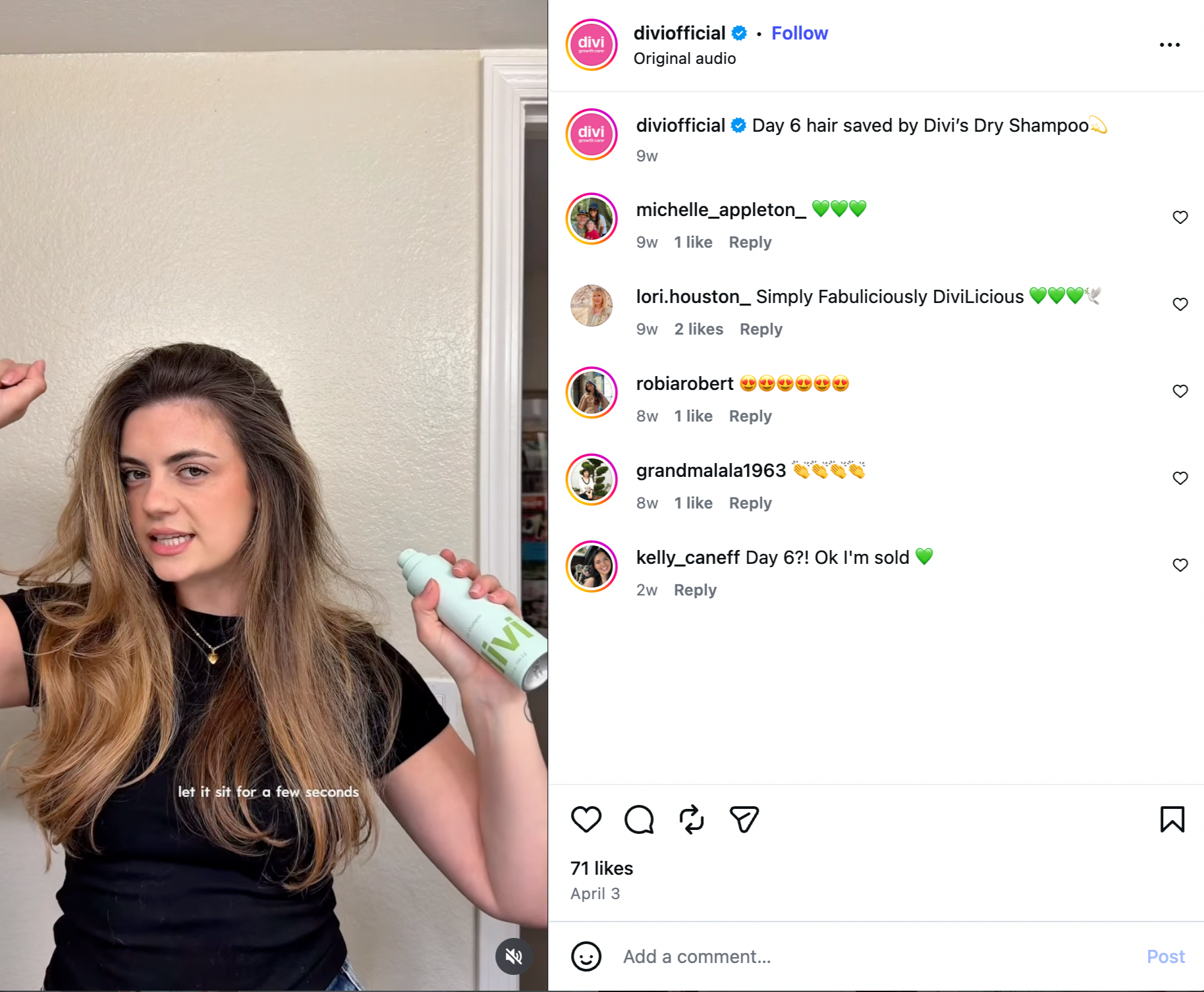
User-generated content (UGC) partnerships focus on producing content rather than providing audience reach.
In these partnerships, creators produce videos, reviews, tutorials, and product demonstrations that brands can use across their marketing channels. The content may appear in paid ads, product pages, email campaigns, SMS flows, and social media.
As paid social becomes increasingly dependent on creative volume, UGC partnerships have become a key source of fresh content.
Pros
- Creates reusable marketing assets
- Supports paid advertising efforts
- Provides a steady stream of new creatives
Cons
- Limited organic reach if content isn’t published
- Requires clear briefs and content guidelines
- Content quality varies between creators
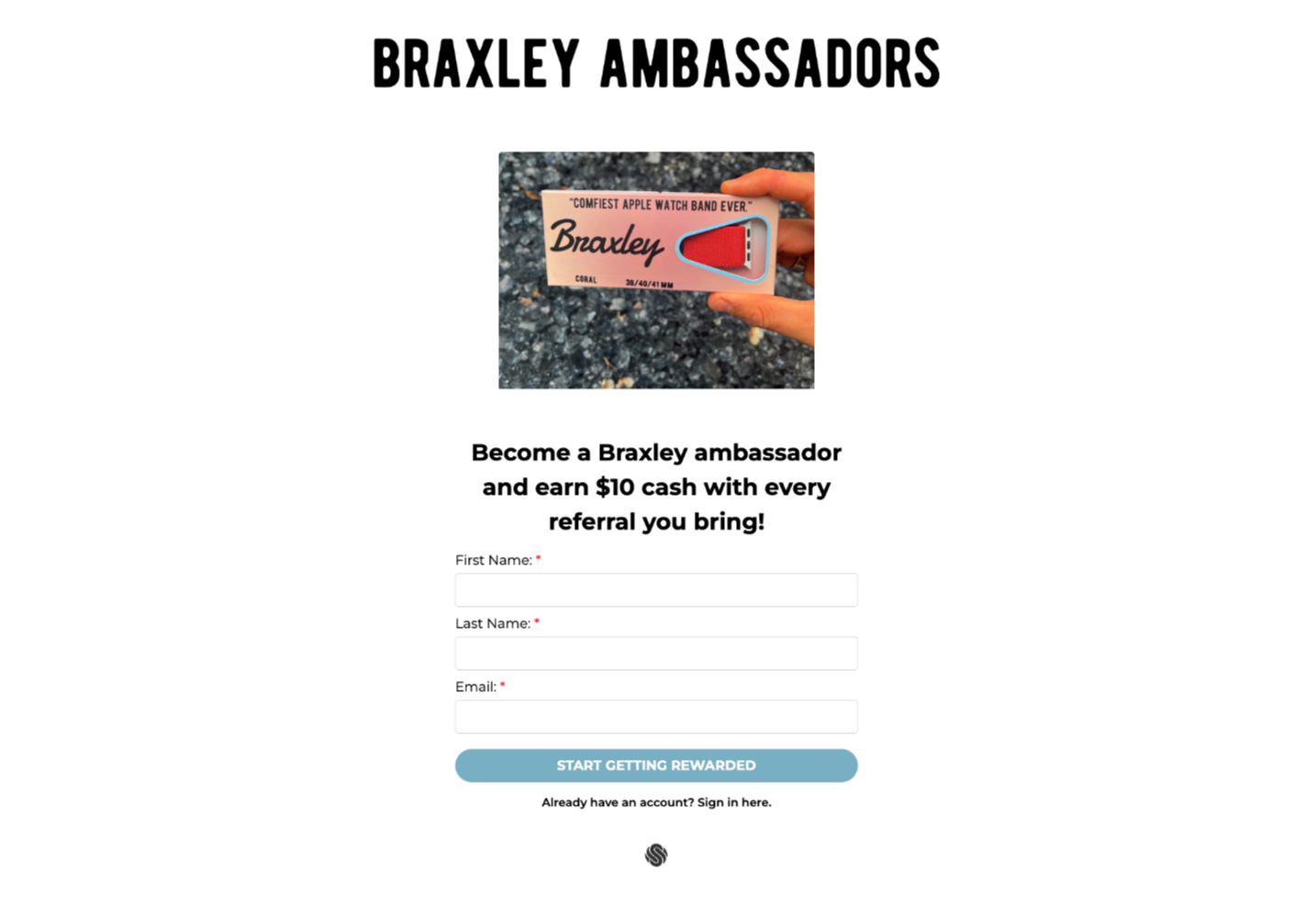
Brand ambassador partnerships
Best for: Long-term creator ecosystems
Brand ambassadors work with brands over an extended period rather than through isolated campaigns.
These relationships often include recurring content, affiliate commissions, product launches, exclusive incentives, and ongoing collaboration.
Since audiences see repeated endorsements over time, ambassador programs often generate stronger trust and deeper creator relationships.
Pros
- Stronger creator relationships
- Consistent content production
- Greater trust with audiences over time
Cons
- Requires ongoing investment
- Takes time to build
- Success depends on creator retention
Which creator partnership model should brands choose?
Each partnership model serves a different purpose. Some help brands reach new audiences, some focus on generating content, and others are designed to drive measurable sales or support long-term creator relationships.
The best choice depends on the outcome you're trying to achieve. Here's a quick way to think about it:
Most ecommerce brands eventually combine several models as their creator campaigns mature.
A common progression looks like this:
- Start with product gifting to identify creators who genuinely connect with the product.
- Move top performers into affiliate partnerships where commissions are tied to measurable sales.
- Develop long-term ambassador relationships with creators who consistently deliver results.
- Repurpose high-performing creator content across paid ads, product pages, email campaigns, and social channels.
Over time, content production, customer acquisition, and creator relationships begin reinforcing one another, creating a scalable creator ecosystem that supports long-term growth.
How to build a creator marketing strategy that drives growth
Successful creator programs don't start with outreach. They start with a clear understanding of what the business needs to accomplish through creator marketing.
Once that foundation is in place, brands can build systems for sourcing creators, producing content, measuring performance, and expanding the partnerships that drive results.
Below is a detailed breakdown of how you build a creator marketing strategy that drives growth:
Step 1: Define what creator marketing should do for your business
Creator marketing can support several business objectives, but each goal requires a different strategy, creator mix, and measurement framework.
For example, a brand focused on TikTok Shop growth will evaluate creators differently than a brand focused on generating UGC for paid advertising.
Common goals include:
- Generating more UGC
- Improving return on ad spend (ROAS)
- Increasing TikTok Shop gross merchandise value (GMV)
- Acquiring new customers
- Increasing content volume
- Building brand awareness
Before recruiting creators, define the primary outcome you're trying to influence. The metrics that matter depend on what success looks like for the program.
A clear objective makes every decision that follows easier, from creator selection to performance measurement.
Step 2: Find creators who fit your brand
Finding creators with a huge follower count is easy. But sourcing creators who can genuinely influence your target customer is much harder.
That's why creator selection is one of the most important decisions in any creator marketing strategy. The creators you recruit influence content quality, audience relevance, and program performance.
When evaluating creators, focus on:
- Audience relevance
- Product fit
- Content quality
- Platform-native content behavior
Step 3: Build a system for developing creator relationships
The strongest creator programs treat creator recruitment as an ongoing process rather than a one-time campaign task.
Every week, new creators enter the pipeline, new content gets tested, and new partnerships emerge. The highest-performing creators move into deeper relationships with the brand.
A typical workflow looks like this:
- Recruit creators.
- Send products.
- Test content.
- Measure performance.
- Re-engage top performers.
- Expand successful creators into affiliate, ambassador, or paid partnerships.
Over time, this creates a repeatable system that continuously introduces new creators while strengthening relationships with proven partners.
Step 4: Give creators direction without scripting them
Once you've identified the right creators, the next challenge is helping them create content that aligns with your goals without making it feel like an advertisement.
Many brands either provide almost no guidance or try to control every detail of the content. Both approaches create problems.
Creators need enough context to understand the objective of the partnership and enough flexibility to communicate in a way that resonates with their audience.
A strong creator brief should answer five questions:
- What is the product? Provide key product information, unique selling points, and important features.
- Who is the target customer? Explain who the product is designed for and what problem it solves. This helps creators frame the product in a way that feels relevant to their audience.
- What action should the content drive? Different campaigns require different outcomes.
- Which talking points are non-negotiable? Share required claims, product benefits, disclosures, and compliance requirements that must appear in the content.
- What does successful content look like? Include examples of previous creator content that performed well.
At the same time, avoid scripting content line by line. Creators understand how their audience consumes content, which hooks capture attention, and which formats feel natural on the platform. Giving them room to adapt the message often leads to stronger engagement and more authentic content.
Step 5: Turn creator content into a performance system
The value of creator content extends far beyond the original post. Brands that generate the strongest returns distribute creator content across multiple channels and customer touchpoints.
Common uses include:
- Paid ads
- Product detail pages (PDPs)
- Email campaigns
- SMS campaigns
- Landing pages
For example, a creator publishes a product review that generates strong engagement. Instead of leaving that content on Instagram or TikTok, the brand can feature it on the product page, include it in abandonment flows, test it in paid ads, and use it to support future launches.

One piece of content now contributes to multiple revenue-generating channels.
Over time, patterns begin to emerge. Certain hooks attract attention. Certain product demonstrations drive clicks. Certain creators consistently communicate the product's value more effectively than others.
This is where creator marketing becomes more than content creation. It becomes a learning system that continuously improves performance.
Step 6: Measure performance and double down on what works
Once your creator program is running, the goal shifts from generating more content to generating better outcomes.
Some of the most common creator marketing metrics include:
- Hook rate: How effectively the content captures attention in the first few seconds.
- CTR (Click-Through Rate): How often viewers take action after seeing the content.
- CPA (Cost Per Acquisition): The cost of acquiring a customer through creator-driven campaigns.
- Revenue generated: The direct sales attributed to a creator or piece of content.
- Creator retention: How many high-performing creators continue working with your brand over time.
- Cost per usable asset: The cost of generating content that can be reused across ads, product pages, and other channels.
It's also important to separate creator performance from content performance. When evaluating creators, look for signals that indicate a strong long-term partnership:
- Consistently high-quality content
- Reliable communication and turnaround times
- Strong audience alignment
- Positive sales performance across multiple campaigns
When evaluating content, focus on the asset itself:
- Which hooks stop people from scrolling?
- Which product demonstrations drive clicks?
- Which messaging angles generate conversions?
- Which formats perform best across paid and organic channels?
For example, a creator might produce a single video that performs well in paid ads, while another creator might consistently deliver strong content across multiple campaigns.
Looking at both creator performance and content performance independently helps brands make better decisions about where to invest additional budget and resources.
Creator marketing tools that ecommerce brands use
As creator programs grow, spreadsheets, DMs, and manual tracking quickly become difficult to manage. Most brands eventually invest in specialized tools to help them discover diverse creators, manage partnerships, and measure performance more efficiently.
The right tool category depends on where the biggest bottleneck exists in your program.
Creator discovery
Finding creators is often the most time-consuming part of creator marketing. Teams need to identify relevant creators, evaluate audience fit, collect contact information, and manage outreach before a partnership even begins.
Popular creator discovery tools include:
- Creator Search: Uses Meta's Creator Marketplace API to help brands find creators, analyze audience insights, discover lookalike creators, and automate outreach from a single platform.
- Meta Creator Marketplace: Meta's native creator discovery platform for Instagram and Facebook partnerships.
- TikTok Creator Marketplace: TikTok's official platform for discovering and collaborating with creators.
These tools work best when you're actively recruiting creators and need a more consistent sourcing process.
UGC marketplaces
Some brands prioritize content production over creator reach. UGC marketplaces connect brands with creators who specialize in producing short-form videos, product demonstrations, testimonials, and other marketing assets.
Popular UGC marketplaces include:
- Billo: Connects brands with creators who produce ready-to-use video content for ads, social media, and ecommerce marketing.
- Insense: Helps brands source UGC creators and manage content production for paid social and creator campaigns.
- Minisocial: Focuses on product seeding and creator gifting programs that generate authentic content and social proof.
These platforms can help generate content quickly, especially when the primary goal is supporting paid media, product pages, or lifecycle marketing campaigns.
Affiliate & creator management
As creator programs mature, brands need systems for managing affiliate links, commissions, gifting campaigns, payouts, creator communication, and performance tracking.
Popular affiliate and creator management tools include:
- Social Snowball: Helps ecommerce brands manage affiliate programs, gifting campaigns, creator tracking, automated payouts, and TikTok Shop creator activity from a single platform.
- GRIN: Provides creator relationship management tools for recruiting creators, managing partnerships, tracking performance, and organizing campaign workflows.
These platforms help reduce the manual work involved in scaling creator partnerships and affiliate programs.
Analytics & tracking
Once creators start driving traffic, content, and sales, brands need visibility into what is actually working. Tools in this category help measure creator performance, attribute revenue, and understand how creator marketing contributes to overall business growth.
Popular tools include:
- Triple Whale: Provides attribution, analytics, and revenue tracking across paid media, creator marketing, and ecommerce channels.
- Hootsuite: Helps brands monitor social media performance, track engagement, and manage content across multiple platforms.
- Google Analytics: Tracks website traffic, user behavior, and conversion data to help measure the impact of creator-driven campaigns.
The best creator marketing tools combine all four functions: sourcing creators, generating content, managing partnerships, and measuring results. As the program grows, each layer helps teams make better decisions and scale creator marketing more efficiently.
Ready to build a creator marketing system?
The most successful creator programs aren't built around one-off campaigns. They're built around systems that consistently attract creators, generate content, build trust, and drive customer acquisition.
Over time, the strongest brands create a self-reinforcing system where creator partnerships produce content, content improves marketing performance, and performance helps identify creators worth investing in long term.
Building that kind of program requires more than finding creators and sending products. It requires a repeatable process for creator discovery, relationship management, content tracking, affiliate partnerships, performance measurement, and ongoing optimization.
Social Snowball helps ecommerce brands bring these workflows into one place by combining creator discovery, affiliate management, gifting campaigns, content tracking, TikTok Shop integrations, and automated payouts.