How do you convince people to trust a product they've never heard of?
That's the challenge many emerging brands face when building creator programs, especially in categories where customers need more than a quick recommendation before they're willing to buy.
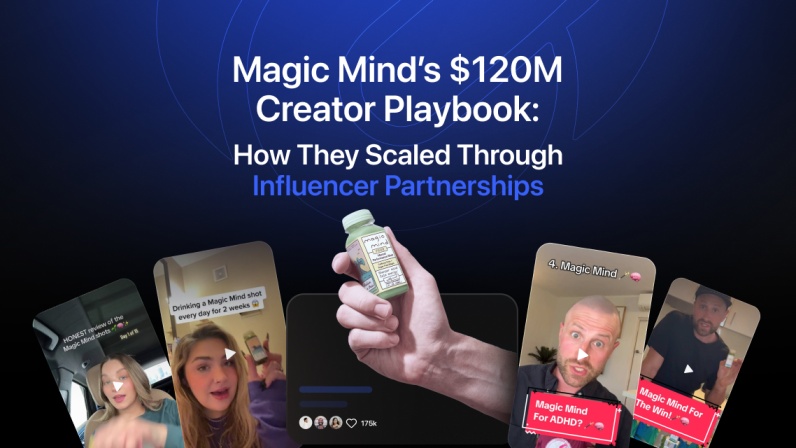
When Magic Mind, a brand selling mental performance supplements, started investing in creator partnerships, the team took a very different approach than most brands. Instead of relying on a handful of large influencers, they focused on micro creators, long-form content, and building creator momentum gradually over time.
As the program grew, they also rebuilt their internal systems to support creator partnerships at scale.
That approach helped turn creator marketing into a major growth channel as Magic Mind scaled from roughly $1M to more than $120M in revenue.
This breakdown explores the key creator, content, and operational lessons behind that growth.
Start with micro creators to build trust
Magic Mind knew trust would be the biggest barrier to growth.
The brand was still relatively unknown, with fewer than 10,000 Instagram followers at the time, and it was selling a product that required customers to believe it was both effective and safe before they were willing to try it.
"When you're a small brand, even when you have amazing founders behind it, we still had very low clout as a brand. We had under 10K followers on Instagram, and we had a product that people had to believe was good for them and safe. Trust is not something you can just generate from copy."
— Sebastian Borza, Founder of Nv.social, and Influencer Marketing Manager at Magic Mind
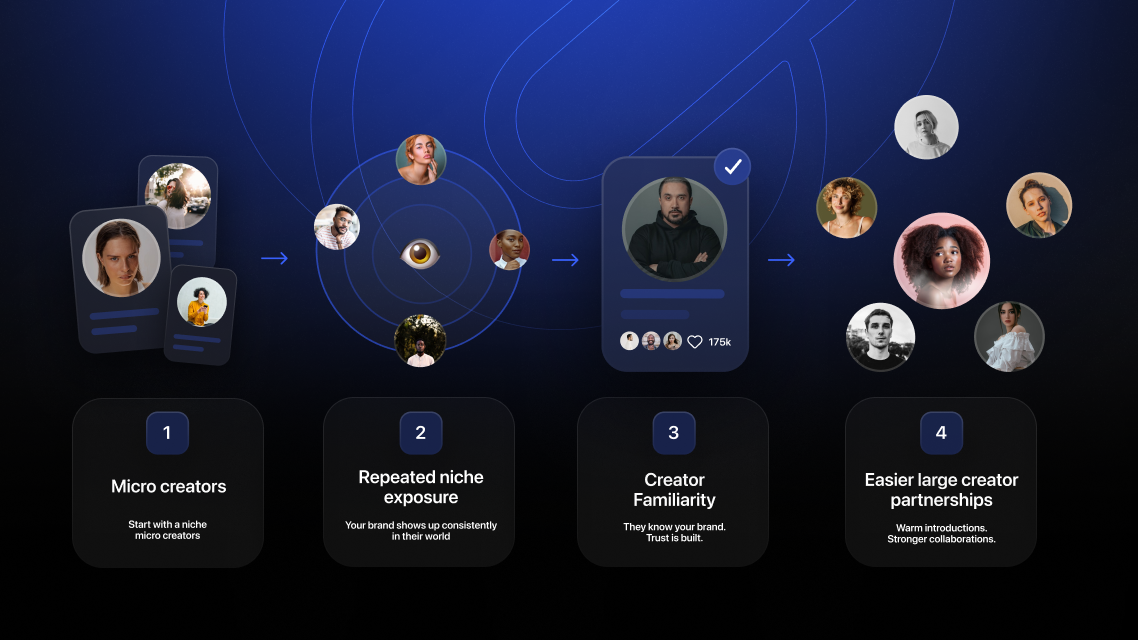
Rather than trying to accelerate credibility through a handful of large creators, the team focused on building trust one audience at a time.
They started by partnering with micro and mid-sized creators across productivity, wellness, and self-improvement niches. These creators often had smaller audiences, but they also had stronger relationships with their communities and more opportunities to explain how the product fit into their routines.
That approach helped Magic Mind establish credibility gradually while creating a foundation the team could build on as their creator partnerships grew.
Why long-form content became the strategy
Magic Mind's creator strategy was also shaped by the type of content they prioritized.
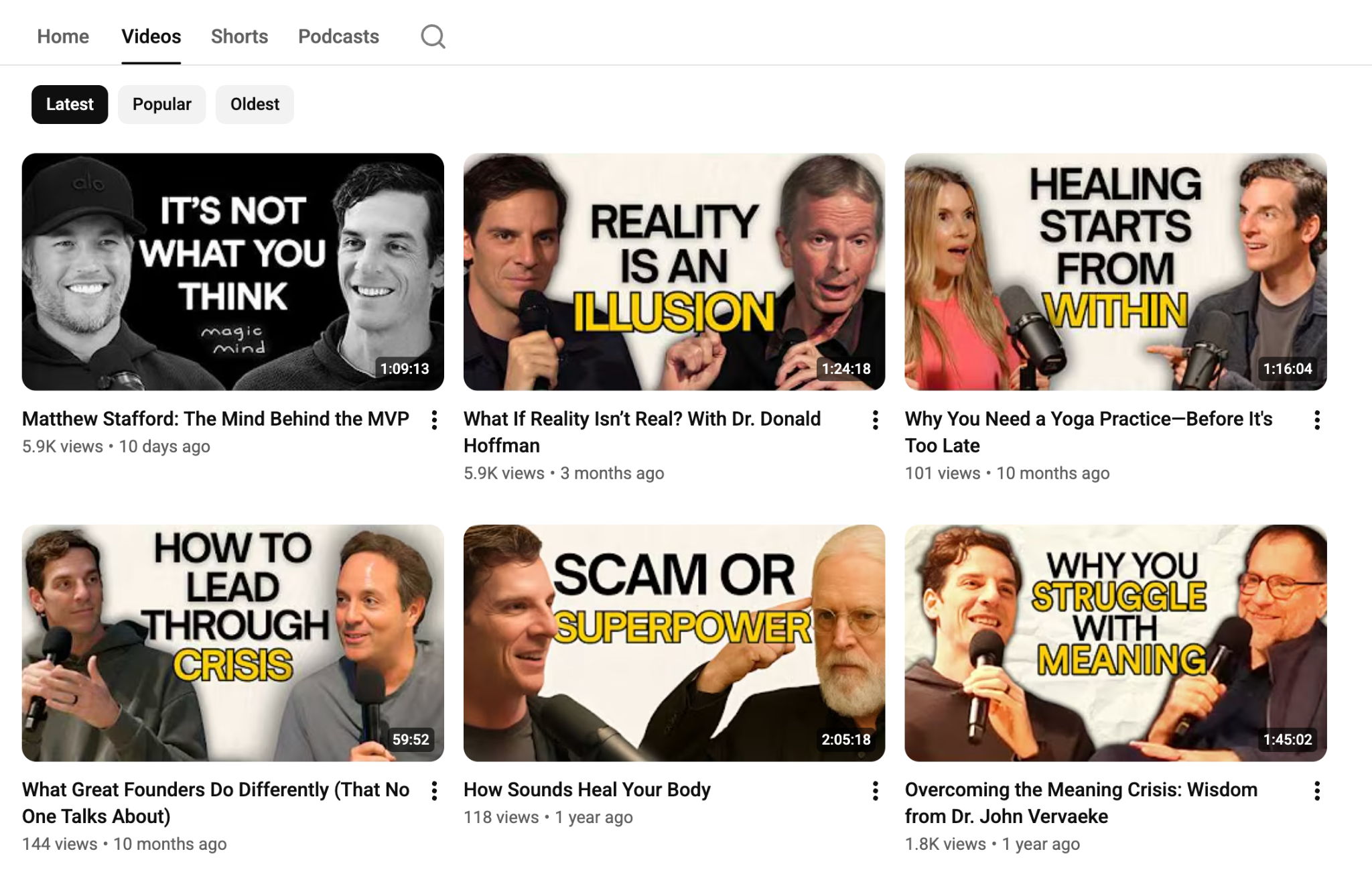
Instead of focusing heavily on Instagram or TikTok, the team leaned into long-form YouTube integrations. The product needed more than a quick mention. Affiliate creators needed enough time to explain how they used it, share their routines, and add context around the recommendation.
That extra context made the content feel much more natural and credible, especially in a category where trust directly impacts conversion. Instead of optimizing purely for quick reach alone, the team focused on education, familiarity, and repeated exposure.
"We started from the bottom and worked with as many small, micro, and medium-sized creators as we could. Unlike most brands at the time, we did very little Instagram and almost no TikTok in the beginning. We focused on long-format integrations because they gave us more room to explain the value of the product and create trust."
— Sebastian Borza, Founder of Nv.social, and Influencer Marketing Manager at Magic Mind
Familiarity made future creator growth easier
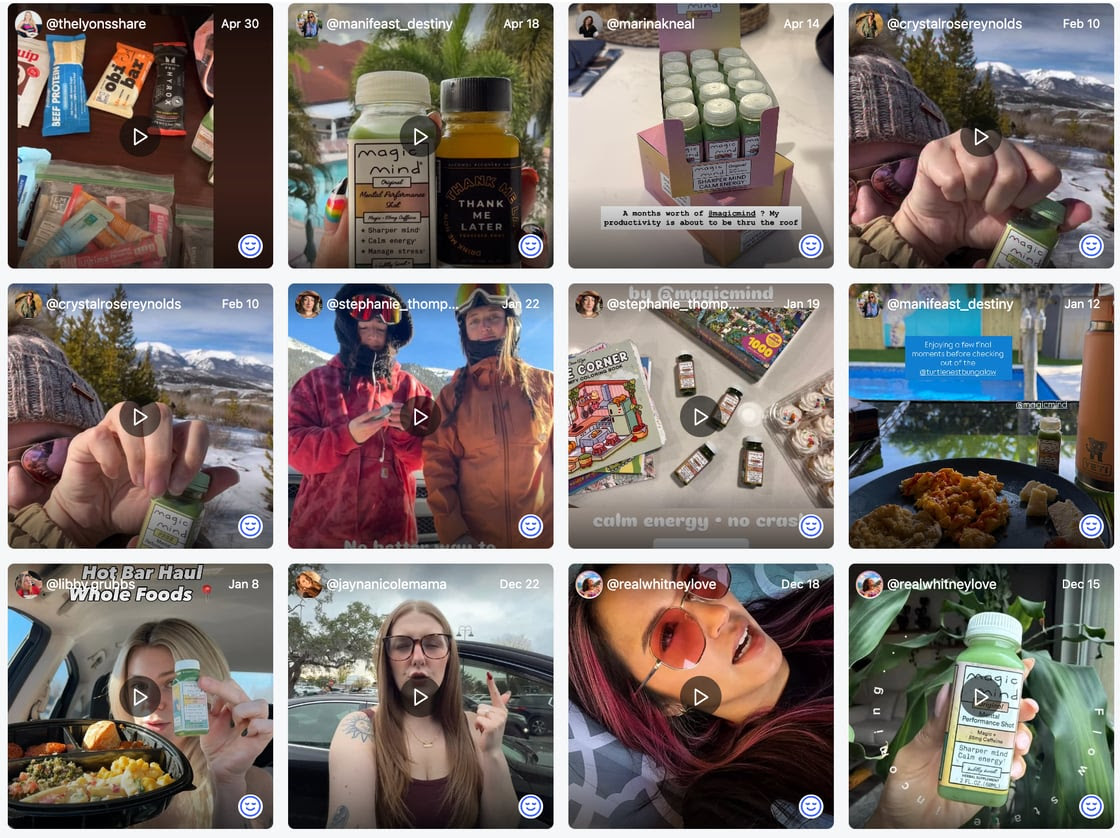
Working with smaller creators also helped Magic Mind slowly build recognition within creator communities themselves.
As more creators consistently spoke about the product, the brand became more recognizable across productivity, wellness, and self-improvement communities. That made future creator outreach easier because many creators had already encountered the product through someone they followed.
Over time, the conversation shifted from “Who is this brand?” to “I’ve already seen Magic Mind before.”
That familiarity reduced friction during creator recruitment and gave the team a stronger foundation to scale partnerships over time.
Build operational systems before scaling creators
As Magic Mind’s creator program started growing, the biggest challenge stopped being creator acquisition. It became operations.
What started as a small team managing a handful of partnerships eventually grew into a 37-person creator organization. Somewhere along the way, the original operating model stopped working.
In the early days, each creator manager handled everything:
- Creator sourcing
- Outreach
- Negotiations
- Onboarding
- Content coordination
- Relationship management
That structure works when creator volume is low. But as the program expands, complexity grows much faster than most brands expect.
"You would assume that if one person can handle 50 creators, then scaling to 500 creators just means hiring 10 people. It doesn't work like that. The more people you add, the more complexity increases. You need support roles, systems, and much stronger operational structure."
— Sebastian Borza, Founder of Nv.social, and Influencer Marketing Manager at Magic Mind
The challenge wasn't finding more creators. It was coordinating more people.
As the team grew, creator relationships became tied to individual employees. Campaign knowledge lived in inboxes, conversations, and spreadsheets. If someone left the company, another team member had to inherit creator relationships, campaign history, deliverables, and ongoing negotiations.
How Magic Mind rebuilt the system
To support larger creator volume, Magic Mind restructured the program around specialized roles and clearer ownership.
Instead of having one person manage the entire creator lifecycle, responsibilities were divided across outreach, creator management, campaign operations, and program oversight.
Campaign managers supervised the broader program while smaller teams handled execution across different stages of the creator pipeline.
That shift helped the team scale creator partnerships without relying on individual employees to manually manage every moving part themselves.
Creator programs usually break operationally first
One of the biggest lessons from Magic Mind’s growth is that creator programs usually break operationally before they break financially.
Many brands focus on recruiting more creators while delaying investments in workflow ownership, communication systems, relationship tracking, and campaign visibility.
That works early on, but eventually the operational gaps start slowing growth itself. Magic Mind’s creator program continued to scale because the team treated creator operations as infrastructure, not just campaign management.
Use flexible deal structures across creator partnerships
As Magic Mind’s creator program expanded, the team stopped treating affiliate marketing as a standalone channel.
Instead, affiliate became one tool within a broader creator partnership strategy.
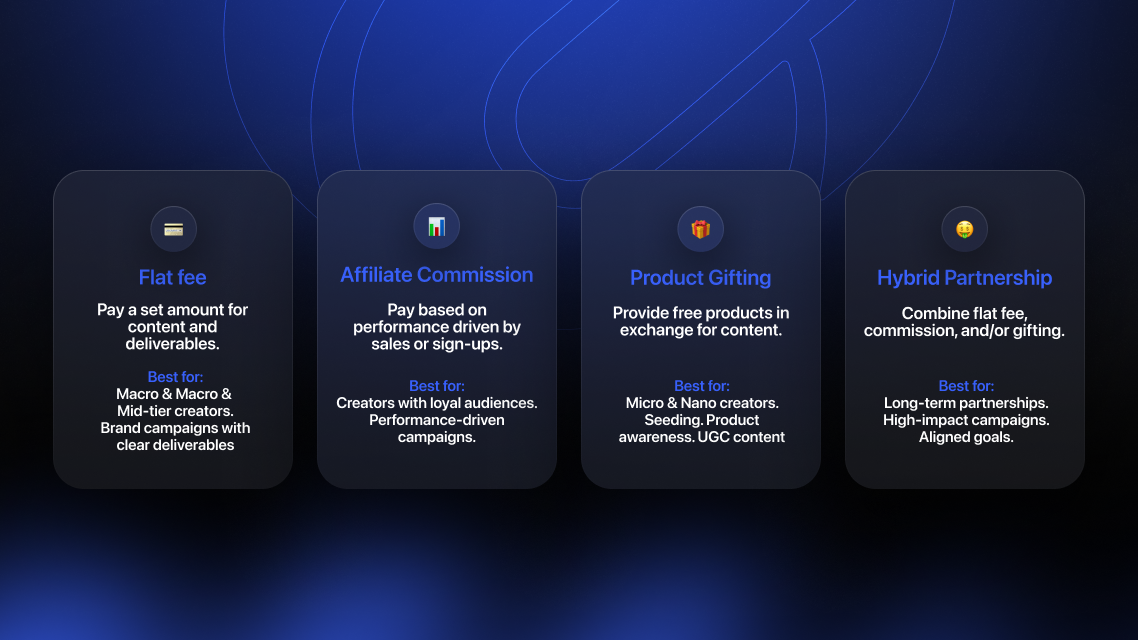
"We've mostly used affiliate as a tool within our partnerships. Sometimes it's a flat fee, sometimes it's affiliate, sometimes it's product barter. The goal is to work with as many creators as we can and find the deal structure that makes sense for both the creator and the brand."
— Sebastian Borza, Founder of Nv.social, and Influencer Marketing Manager at Magic Mind
That gave the team much more flexibility when working with different types of creators.
Different incentives for different creators
Not every creator wanted the same deal structure. Some creators preferred flat fees or affiliate commissions, while others preferred product barter or hybrid partnerships.
Instead of forcing every creator into the same model, the team adjusted compensation based on factors like creator size, content format, growth potential, campaign objectives, and long-term partnership value.
That flexibility helped the team work with a much wider range of creators across different stages of the program.
Affiliate worked best as part of a larger partnership
Magic Mind rarely approached affiliate as an isolated program by itself.
In some partnerships, affiliate commissions created additional upside alongside a flat fee. In others, affiliates helped reduce upfront costs while giving creators a stronger incentive to drive performance. Product gifting helped creators try the product before larger paid collaborations.
The goal wasn't to maximize affiliate-only partnerships. It was to create deal structures that made sense for both sides while allowing the creator program to scale efficiently.
Many brands approach creator compensation too rigidly early on. The strongest creator programs usually evolve around flexibility:
- Different creators create value in different ways
- Different platforms require different economics
- Different stages of growth require different incentives
Magic Mind’s approach gave the team more room to experiment, negotiate, and build creator partnerships that aligned with each creator's strengths instead of forcing everyone into the same model.
Keep creator campaigns fresh to improve retention
Once Magic Mind scaled its creator program, retention became just as important as recruitment.
The challenge was no longer finding creators. It was keeping successful creators engaged long enough to turn them into long-term partners.
"Give creators more interesting campaigns and more interesting things to talk about. If you keep re-signing creators on the same brief for five months, they're going to get bored. When you give them fresh ideas over time, they start coming up with incredible ideas themselves."
— Sebastian Borza, Founder of Nv.social, and Influencer Marketing Manager at Magic Mind
One of the fastest ways to lose creator momentum is to give creators the same campaign brief over and over again.
The creator becomes less excited, the content starts feeling repetitive, and audiences become less responsive to the integration. Over time, performance naturally declines.
Give creators new angles to talk about
Rather than repeating the same campaign month after month, Magic Mind regularly introduced:
- New campaign themes
- Different talking points
- Fresh positioning angles
- New content directions
That gave creators more flexibility in how they talked about the product and helped the partnership feel natural to their audience over time.
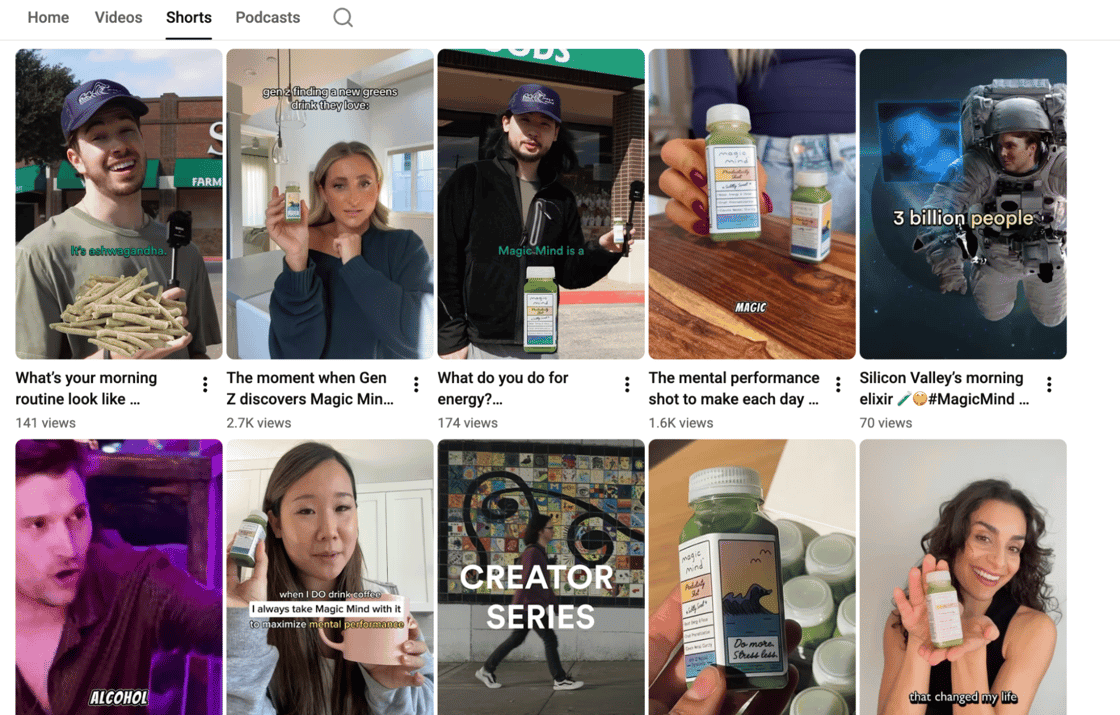
As creators became more familiar with Magic Mind, they also started bringing their own ideas to the table. Instead of relying entirely on brand direction, many creators developed new angles based on their personal experience with the product.
That made the content feel more authentic, varied, and creator-led.
Retention depends on relationship management
The team also invested in maintaining relationships between campaigns instead of only reaching out when they needed content.
That included:
- Replying to stories
- Sending quick DMs
- Maintaining casual conversations
- Staying connected outside active campaigns
Those small interactions helped keep relationships warm and made creators feel like partners rather than one-time vendors.
As the program scaled, Magic Mind also used AI tools and community systems to support relationship management without making communication feel overly transactional.
One of the biggest takeaways from Magic Mind’s retention strategy is that creator relationships need continuous momentum to thrive.
Creators stay engaged when partnerships consistently feel valuable, creative, and collaborative.
The brands that retain creators longest are often the ones that consistently provide new opportunities, fresh ideas, and ongoing communication rather than treating creator relationships as a series of isolated campaigns.
Turn Magic Mind’s playbook into your growth strategy
Magic Mind's growth wasn't driven by a single creator campaign or viral partnership. It came from building a creator program that could scale sustainably over time.
If you're looking to apply the same principles to your own brand, focus on building trust first and scale second.
The core playbook looks like this:
Ready to turn creators into a scalable growth channel?
Magic Mind’s creator strategy focused on building trust early, creating an operational structure before scaling aggressively, and maintaining strong creator relationships as the program grew.
As creator programs expand, managing outreach, onboarding, gifting, tracking, payouts, and creator relationships manually becomes increasingly difficult. The operational complexity grows just as quickly as the creator volume.
That's where Social Snowball helps.
With tools for creator discovery, affiliate tracking, automated payouts, gifting campaigns, creator onboarding, UGC tracking, and program management, brands can build creator programs that scale without adding more manual work.
Whether you're growing an affiliate program, expanding influencer partnerships, or building a creator ecosystem from the ground up, Social Snowball gives your team the infrastructure to manage it all in one place.