
.png)
Most ecommerce teams plan their marketing around campaigns, channels, and funnels.
TikTok Shop runs on a different rhythm.
A product can suddenly have high demand because 50 creators posted it in the same week. A single hook can show up across dozens of videos. A customer can go from seeing a product for the first time to buying it without leaving the app. This is what growth looks like on TikTok Shop.
At the Social Snowball Influencer Marketing Summit, operators spoke in depth about these patterns. Winning brands build creator networks, push out high volumes of content, and pay close attention to what actually drives sales. As that content spreads, it shapes demand across TikTok, DTC, Amazon, and even retail.
This blog breaks down the specific shifts behind that change.
1. Ecommerce is shifting from search to discovery
Brand discovery now starts with content.
People come across products while scrolling. A creator shows how something works, where they use it, or why it solves a problem. That moment creates interest before any search happens.
Nichole Munoz, Co-founder and Head of Marketing at EZ Bombs, saw this firsthand while scaling her brand.
“TikTok is everything… TikTok opened the door for absolutely everything.”
Creator content drives demand at scale, and that demand carries into retail. Products that have gained traction on TikTok start showing up in conversations with Walmart and Amazon.
How discovery actually happens on TikTok
A viewer might save a video, then see the same product from multiple creators. With each exposure, recognition builds, the use case becomes clearer, and the likelihood of purchase increases.
What this changes for brands
The first touchpoint is now content. That means:
- Your product needs to be shown, rather than just listed.
- Creators need to explain and demonstrate it clearly.
- You need enough content to reach people before they show interest.
Growth starts earlier in the journey. Content introduces the product, builds interest, and sets up the purchase before the customer ever looks for it.
2. Creators are becoming the new storefronts
Creators now shape how people experience a product for the first time.
A potential customer doesn’t land on your website first. They watch someone use the product, explain it, and place it in a real situation. That interaction does the job a storefront used to do.
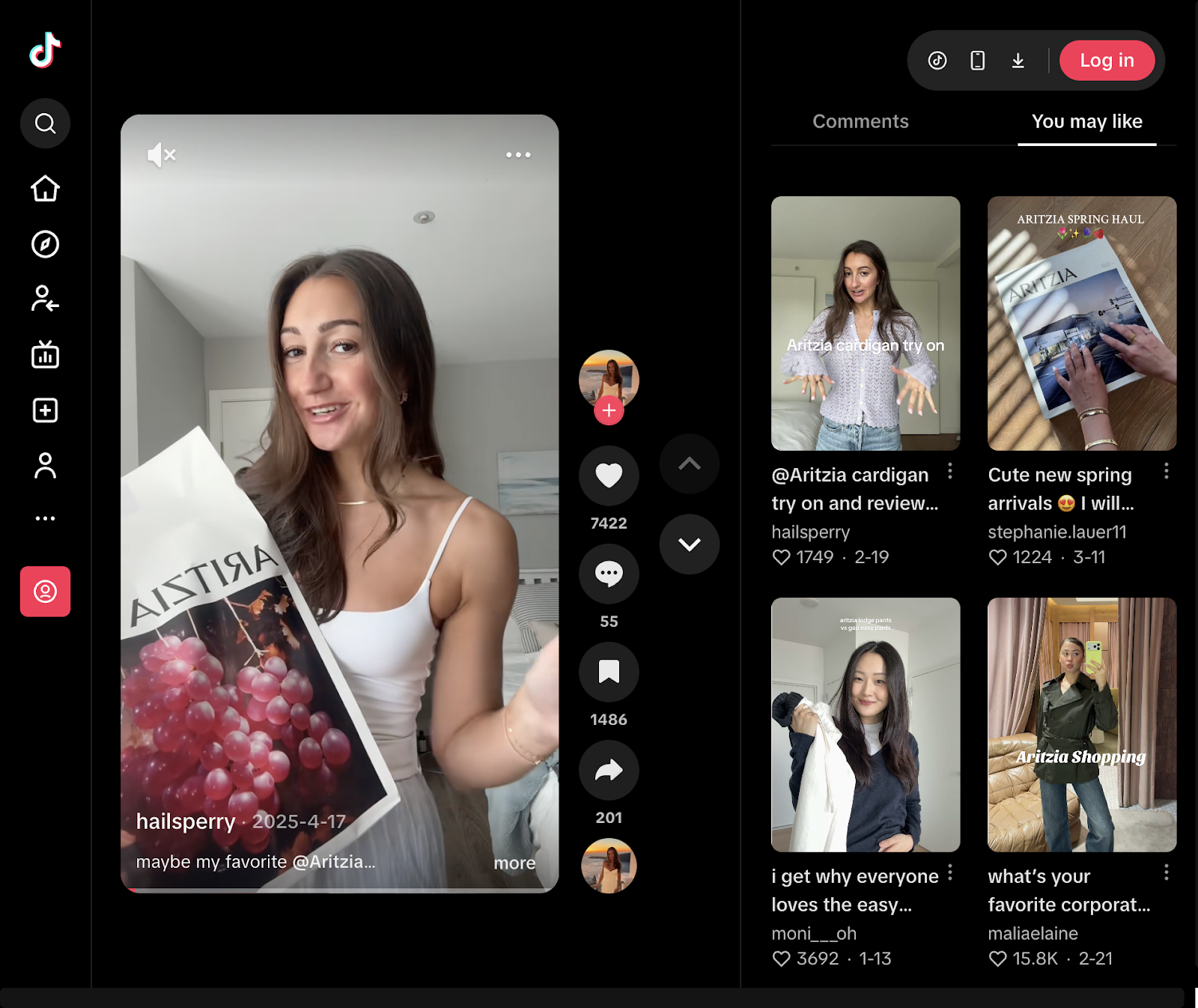
Nik Sharma, CEO of Sharma Brand, pointed to Aritzia as a clear example. He mentioned how the brand shows up across TikTok through creators, while its own account plays a much smaller role. The product is introduced, styled, and explained by different people across feeds.
How creators act like storefronts
Each creator presents the product in a way that fits their audience. That includes showing how it’s used in daily life, explaining why it matters, and answering common questions through content.
For one viewer, the product shows up in a morning routine. For another, it appears in a travel setup. For someone else, it’s part of a night out. Each version adds context.
What this means for your product experience
Your product is now understood through multiple perspectives before someone reaches your site. That means:
- The messaging comes from creators, not just your brand.
- The use cases are shown across different lifestyles.
- The buying decision is formed throuh the content itself.
When creators consistently show your product in real scenarios, they build clarity. By the time someone clicks through, they already know what the product does and how it fits into their life.
3. The funnel is getting compressed into one piece of content
A single video now carries the entire buying journey.
The viewer sees the product, understands how it works, and decides whether it’s worth buying within seconds. The same piece of content introduces the product, builds trust, and drives action.
Nik Sharma described it this way:
“Think of this as a conversion asset. Where can you use more creator content in the funnel?”
One video can move someone from discovery to purchase without needing multiple steps in between.
How one video covers the full journey
The structure is simple and shows up across high-performing user-generated content:
- The opening grabs attention and creates curiosity
- The middle shows the product in use and explains the value
- The ending gives a clear reason to buy
The customer goes through the entire journey in the video. The creator shows how the product works, shares how they use it, and makes the result easy to see. That gives the viewer enough clarity to decide.
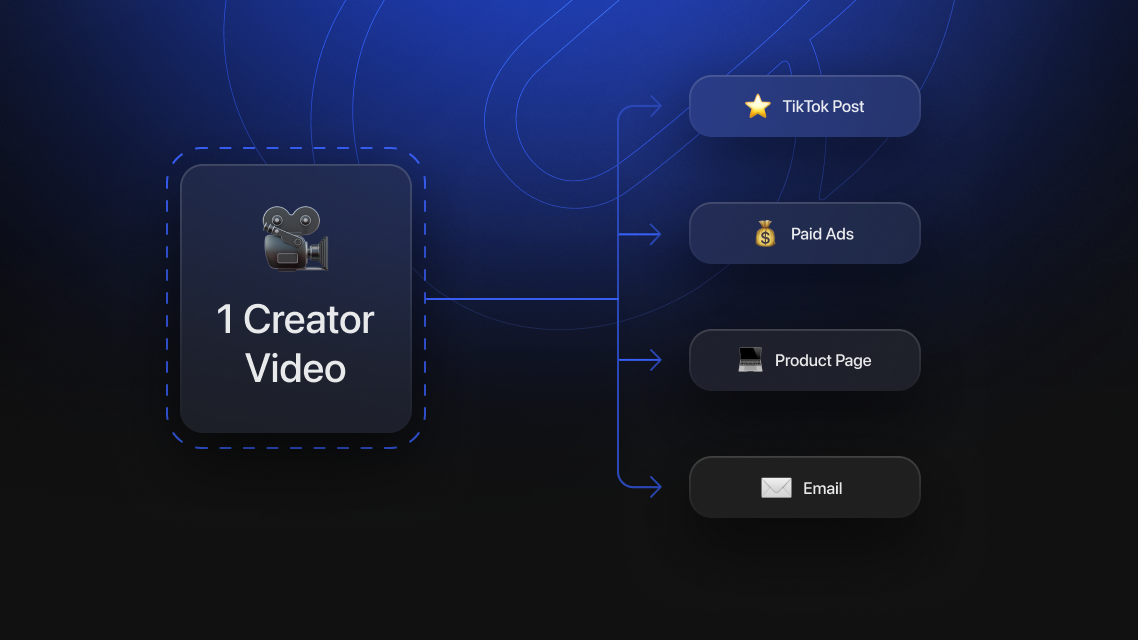
Once a video proves it can convert, it doesn’t stay in one place. The same content is reused across paid ads, product pages, and email campaigns. It becomes part of how the product is presented everywhere.

What this changes for your funnel
The funnel is no longer spread across multiple touchpoints—it’s compressed into a single piece of content.
Each video needs to show what the product does, why it matters, and how it fits into real life.
When that happens, viewers move from discovery to decision much faster.
4. Content volume is replacing campaign-based marketing
Growth on TikTok Shop comes from how much content you can put into the system and how quickly you learn from it.
Each video gives you feedback. Some formats land, and some don’t. When you have enough content coming in, patterns become obvious, and decisions get easier.
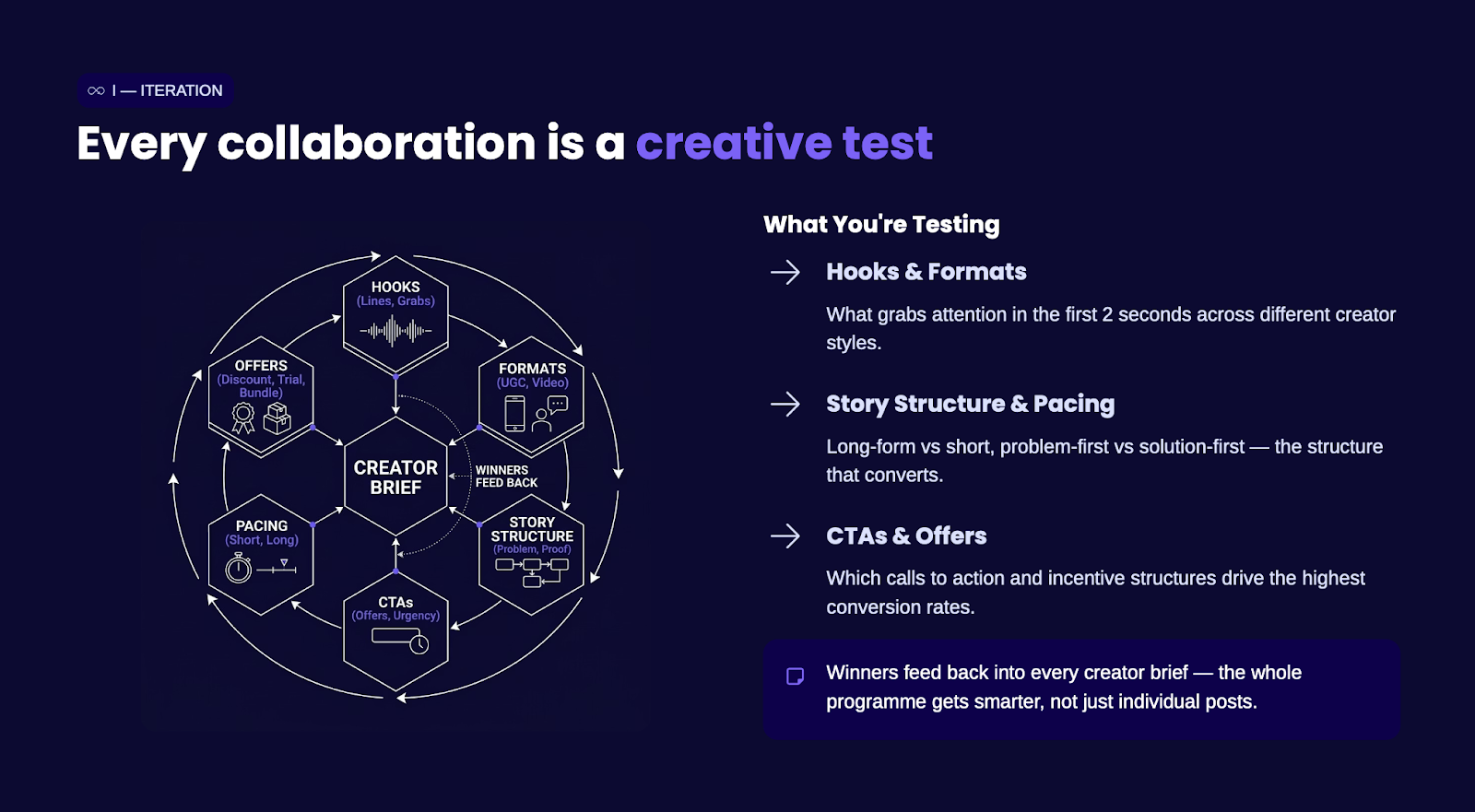
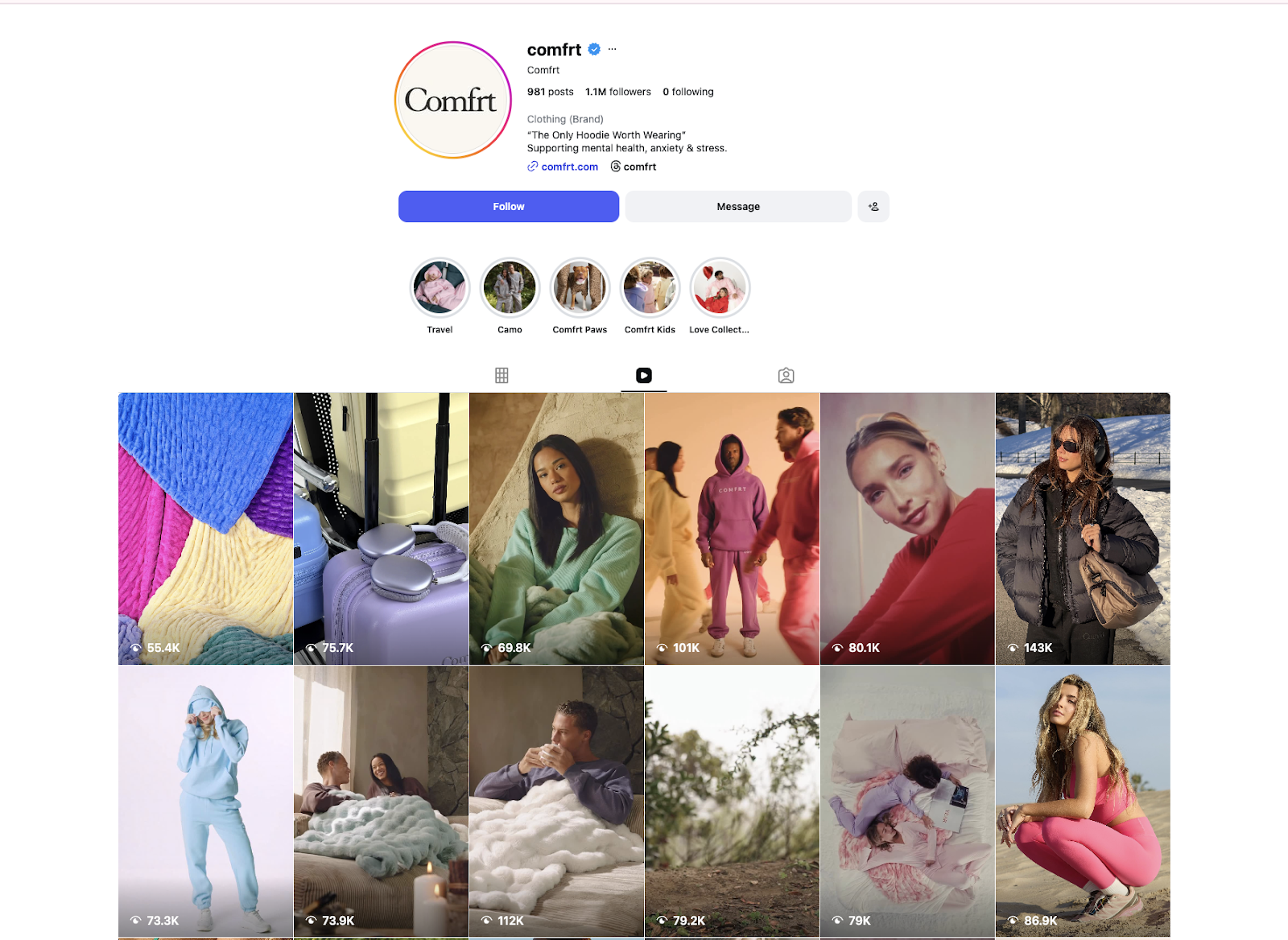
Sambhav Chadha, Co-founder of Augmentum Media, described this clearly while talking about Comfrt. The brand was pushing hundreds of thousands of creatives a week and testing them across different niches. That level of output gave them constant insight into what was working.
What high-volume content actually looks like
High-volume content shows up as a steady stream of creator videos coming in every day. Multiple creators are posting consistently, each testing different hooks and angles while showing the same product in different contexts.
Over time, this creates enough variation to spot clear patterns. At one point, Comfrt had affiliates posting more than 30 videos a day, which gave them the volume needed to quickly identify what was working and scale it.
How this changes how you operate
The creator-led campaign becomes an ongoing system. That means you keep bringing in new creators, ask for multiple variations from each creator, and review performance continuously.
Instead of waiting for a campaign to end, you are constantly learning and adjusting. And with enough volume, strong hooks become clear, winning formats stand out faster, and you know what to scale without guessing.
The more content you generate, the faster you understand what drives sales.
5. Repetition across creators is shaping consumer behavior
People don’t decide after seeing a product once. They decide after seeing it multiple times, from different creators, in slightly different ways.
One video introduces the product. The next reinforces it. A few more make it familiar. At that point, audiences start to understand and relate to the product better
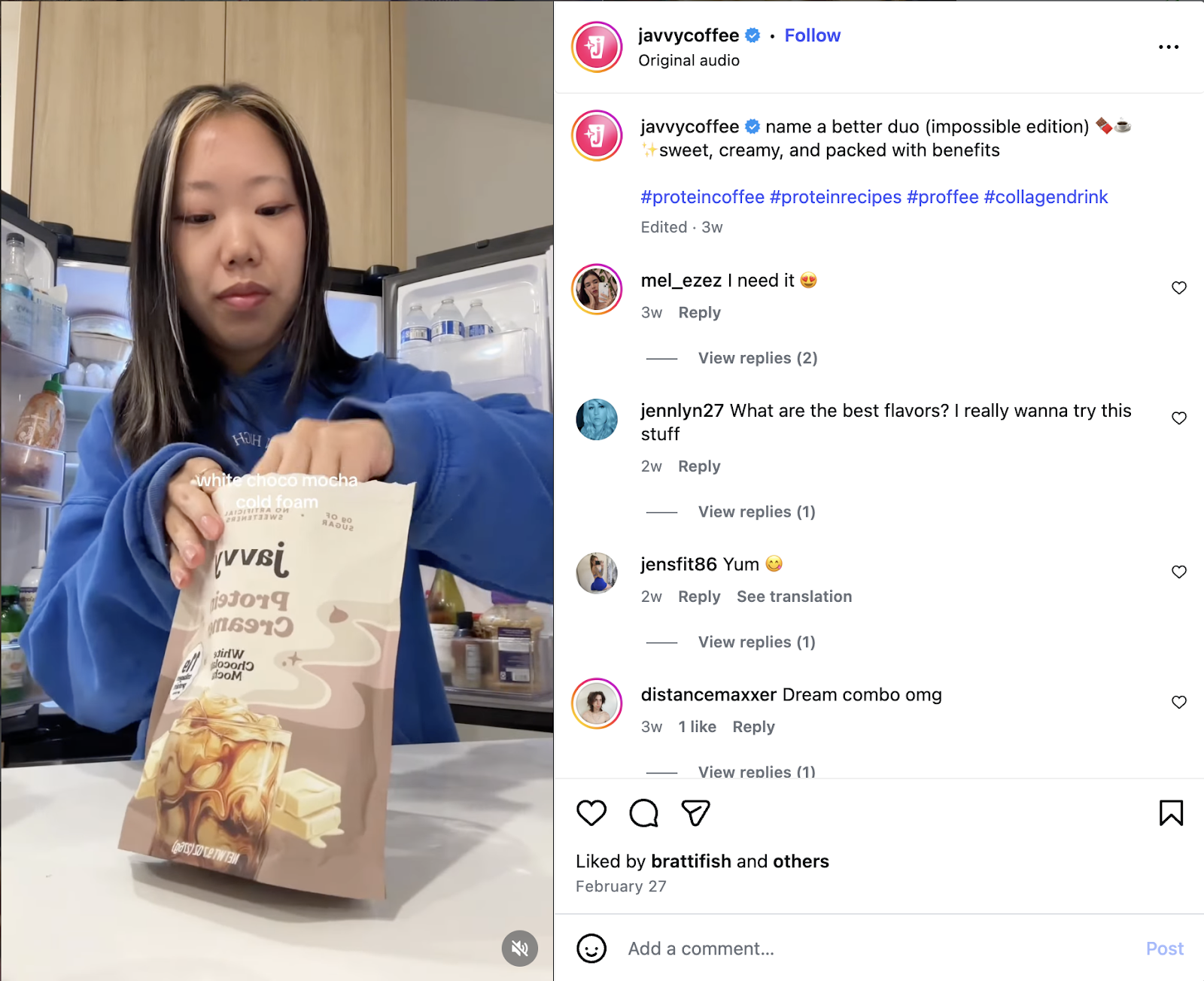
This was the approach that Javvy Coffee took. The brand had hundreds of creators talking about Proffee (protein coffee), each showing it in their own routine. As the same concept kept appearing, viewers started linking the term to a clear use case.
That’s what drives the shift from discovery to recognition.
How repetition builds demand
Each creator adds a layer of clarity.
- One defines the idea.
- One shows how it fits into a routine.
- One highlights a specific benefit.
Together, these videos make the product easier to understand. With Javvy Coffee, Proffee moved from a new concept to something people recognized, which turned into demand.
What this means for your content strategy
You want your product to show up consistently across creators. That looks like:
- Repeating high-performing hooks across creators
- Showing the same use case in different contexts
- Keeping the core message consistent while varying delivery
As more people see the product in familiar ways, it becomes easier to trust and easier to buy.
6. Ecommerce is becoming a creator-driven distribution system
Distribution now sits with creators. They decide which products to promote, how to present them, and how often they show up in feeds. Their choices shape which products gain attention and which ones get ignored.
Tamanna Bawa, Tech Partner Manager at Triple Whale, described this shift clearly when she said,
“TikTok Shop is fundamentally a creator-driven distribution channel.”
How creators control distribution
Creators pick products based on what performs. They look at whether the product converts, whether the commission makes sense, and whether the content is easy to create.
When those factors line up, they keep posting and refining their approach. Strong products get more exposure, high-performing creators increase output, and winning formats spread across the ecosystem.
Distribution compounds through creator behavior, not media spend.
What brands need to set up
When setting up a TikTok Shop affiliate program, your role is to create the conditions that attract and retain creators.
- Set commissions that make the product worth promoting.
- Ensure fulfillment is fast and reliable.
- Share a clear direction on what’s converting.
When creators see results, they stay active. As more creators participate, content volume increases, reach expands, and performance improves without restarting the process.
7. The same content now drives multiple revenue channels
Creator content doesn’t stay in one place. The same video now shows up in multiple places where people decide to buy.
A post starts on TikTok, then shows up in ads, on product pages, and inside lifecycle flows. The message stays the same, but the context changes.
Jeremy Fenderson, Senior Director of Strategy at AdQuadrant, highlighted this when he asked teams to look at:
“What success on TikTok Shop looks like for your D2C brand… Amazon… retail sales.”
How one video expands across channels
A strong piece of content moves through different stages:
- Starts as an affiliate post on TikTok
- Gets reused in paid ads
- Shows up on the product page as proof
- Supports email and retention flows
Each placement reinforces the same idea instead of introducing something new.
Nichole Munoz shared how this worked for EZ Bombs. Creator content drove demand on TikTok Shop, which led to expansion into retail. The same content that drove sales on TikTok built credibility on larger channels like Walmart.
The content created interest first, then carried that demand into new channels.
What this means for your content strategy
Every video has the potential to fulfill more than one goal. That means:
- Create content that clearly explains the product.
- Show real use cases and outcomes that audiences can relate to.
- Reuse high-performing videos across different channels.
When a single piece of content works across touchpoints, it becomes a consistent driver of revenue across your entire ecommerce setup.
8. Relationships and systems are replacing one-off transactions
Creator programs scale when creators stay active and improve over time. That happens when there’s structure behind the relationship.
Clear communication, shared learnings, and consistent support keep creators engaged and producing better content with each iteration. Nichole Munoz spoke about this directly when she said,
“We would not be where we are if it were not for our affiliates.”
How strong creator programs are run
Top brands focus on building and maintaining creator partnerships:
- Keep communication active through WhatsApp or Discord
- Share what content is working so creators can build on it
- Run challenges and incentives to keep output consistent
Creators stay part of the process because they understand what is working and how to improve.
What systems make this work
As the number of creators grows, structure keeps everything running smoothly. You need clear onboarding so creators know how to get started, simple ways to track performance, and fast payouts to keep creators motivated.
These systems reduce friction and help creators stay focused on producing content. That consistency builds momentum. The same creators keep refining what works, and the overall system becomes more effective with each cycle.
Ready to adapt your ecommerce strategy to how products sell on TikTok Shop?
Ecommerce now runs on a different engine. Content introduces the product, creators shape how it’s understood, and a single video can move shoppers from discovery to purchase. As more creators post, repeat ideas, and refine what works, demand builds and spreads across channels.
That’s where execution starts to matter. You need to keep creators active, track what’s driving revenue, and scale the content that’s already working without slowing things down. Platforms like Social Snowball support this by giving you a clean way to manage creators, automate payouts, and track performance across your program.

.avif)


