If you look at how most brands approach user-generated content, the focus is usually on finding the right creators or getting a few strong videos out. The conversations at Social Snowball’s Influencer Marketing Summit took a different turn.
Operators who are actually scaling UGC ads walked through how their teams run it every single week. They shared what their creator content pipelines look like, how many videos they push out, how fast they test, and how quickly they move content into paid.
That’s the system this blog breaks down. You’ll see how teams are structuring creative iteration, sourcing creators who actually sell, and building creator content in a way that it keep producing high-performing ads without slowing down.
The UGC strategy in 2026 runs on an always-on content engine
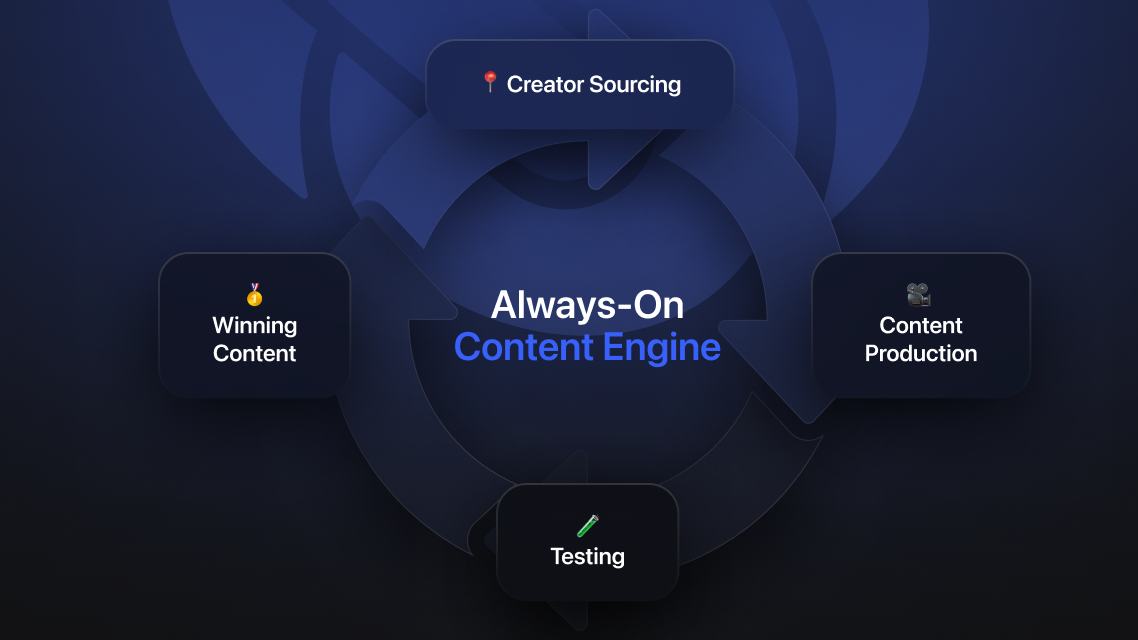
Top brands are moving away from campaign-based user-generated content and building systems that generate creator content consistently.
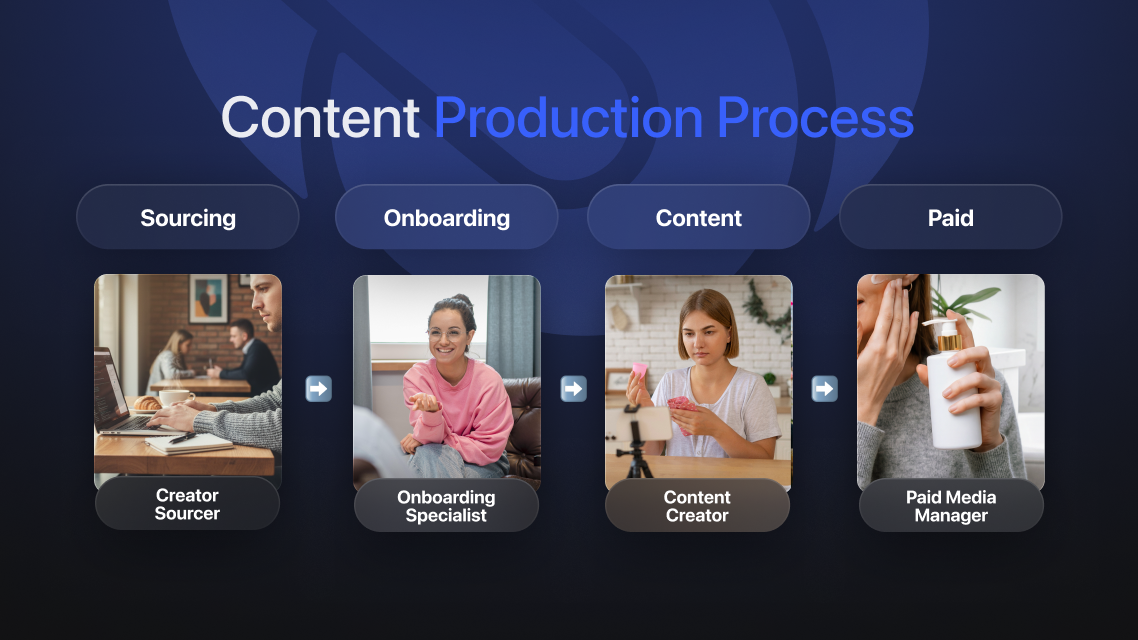
Sebastian Borza, Influencer Marketing Director at Magic Mind, explained that scaling requires structure, and not just more creators. As Magic Mind grew, the team expanded from 3 to 37 people and shifted to specialized roles across creator sourcing, onboarding, and creator management.
“The pipeline of the collaborations is divided into specialized roles and specialized departments.”
This structure supports a higher volume of creator partnerships and keeps production moving as the program grows.
“How can we multiply the number of deals that we make?”
As teams increase creator volume, the next challenge is consistency. Content quality and output become difficult to manage when production depends only on affiliates.
That is where Kelsey Eyers’s (from Collab Collective) approach comes in. She outlined how brands bring more control into the system by working with creators on structured agreements.
“We’re contracting creators for anywhere between 10 and 30 videos.”
With this model, teams can plan content volume and guide how the product is presented.
“That gives us back the control over the ad quality, the content concept, and the deliverables.”
For high-performing teams, UGC increasingly runs through a defined pipeline where creator sourcing, production, and content usage are managed as part of an ongoing system.
Creative iteration is how brands find winning ads
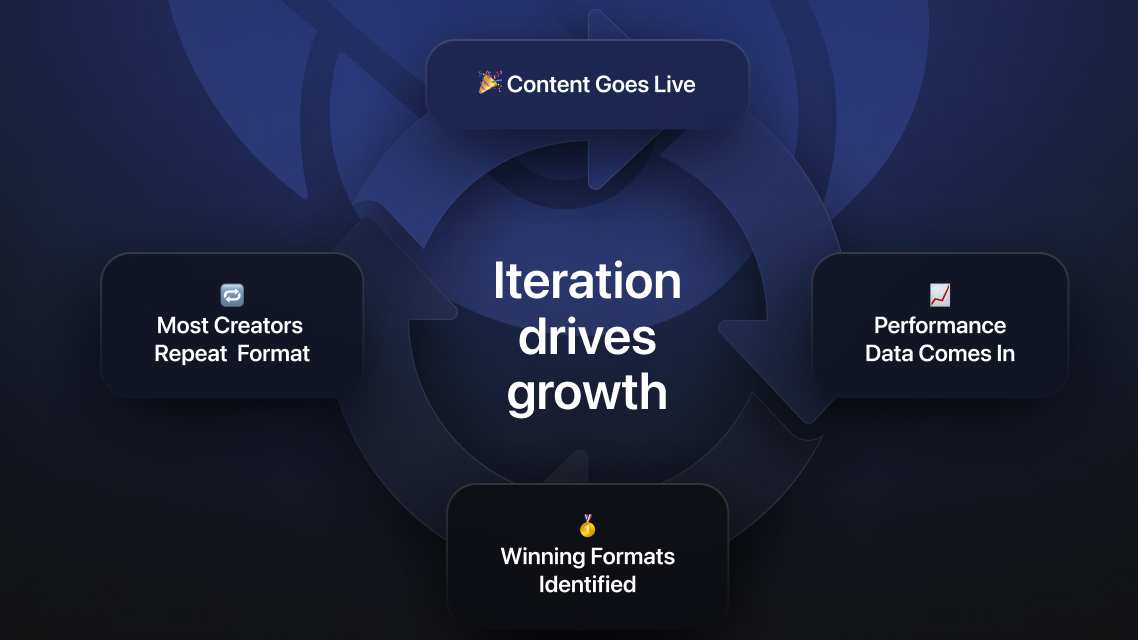
At the summit, one pattern showed up across every high-performing team: they do not rely on a single piece of content. They build systems that produce volume, test quickly, and feed learnings back into production.
As Nik Sharma, CEO of Sharma Brand, explained, creators are driving a growing share of performance for many brands. That only works when teams consistently generate and test new creatives.
Instead of treating each video as a finished asset, teams treat it as a test. Every variation gives you more insight into what holds attention and what drives action.
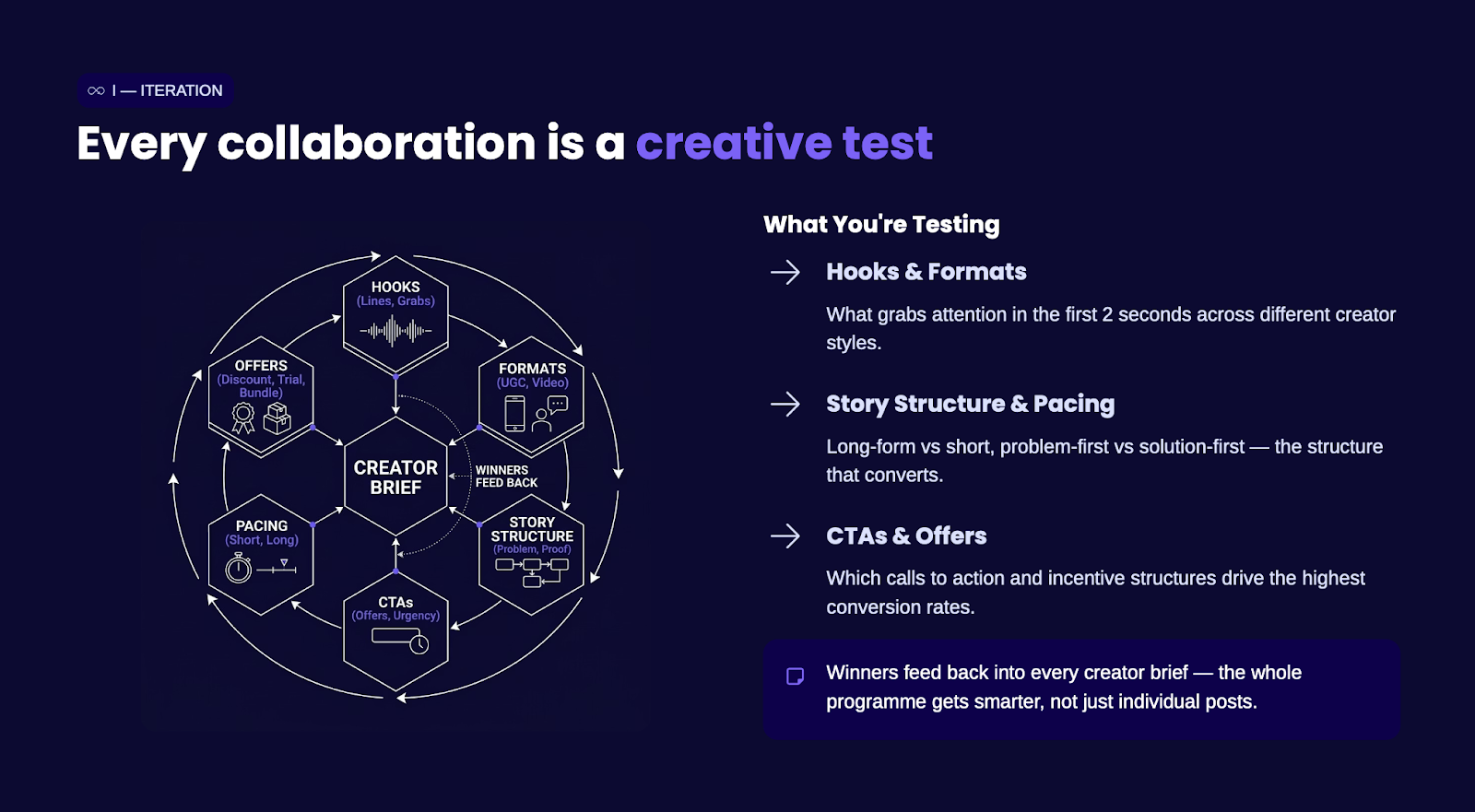
Test hooks and formats as separate variables
High-performing teams do not wait for the next campaign to test new concepts. They build variation into the first round itself.
For a single product or angle, creators produce multiple versions that approach the idea differently. These variations often include:
- A direct problem statement that calls out the pain point
- A clear outcome or result
- A quick demonstration of the product in use
- A simple story that leads into the product
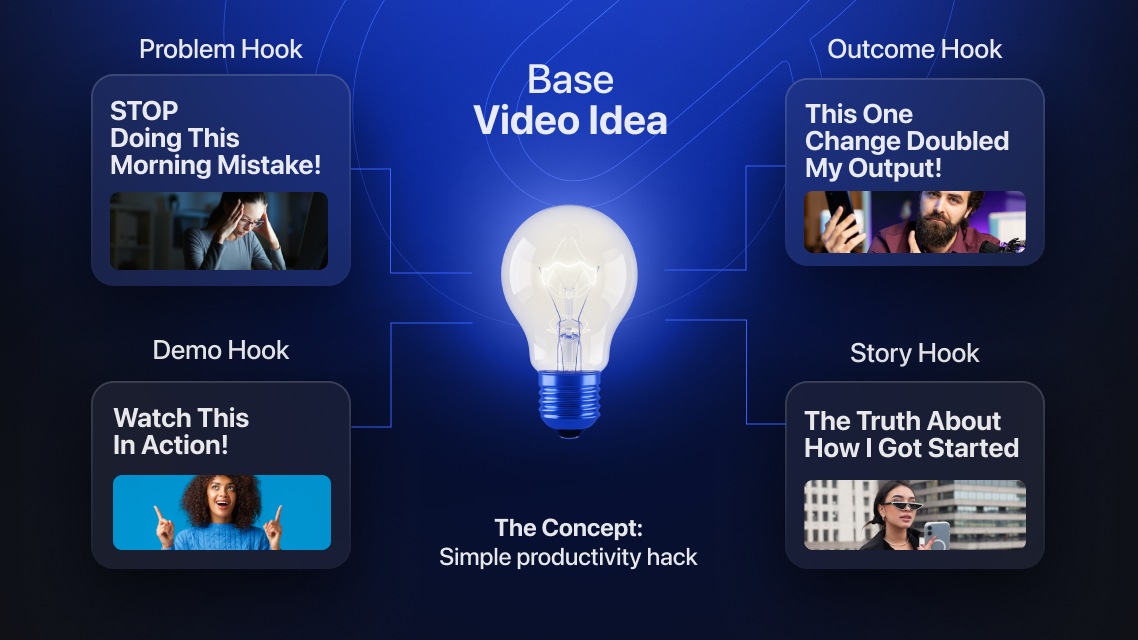
When these go live together, the feedback shows up quickly. Some versions hold attention and drive clicks, while others drop off early. That signal gives the team a clear direction for what to produce next.
Build on what performs, immediately
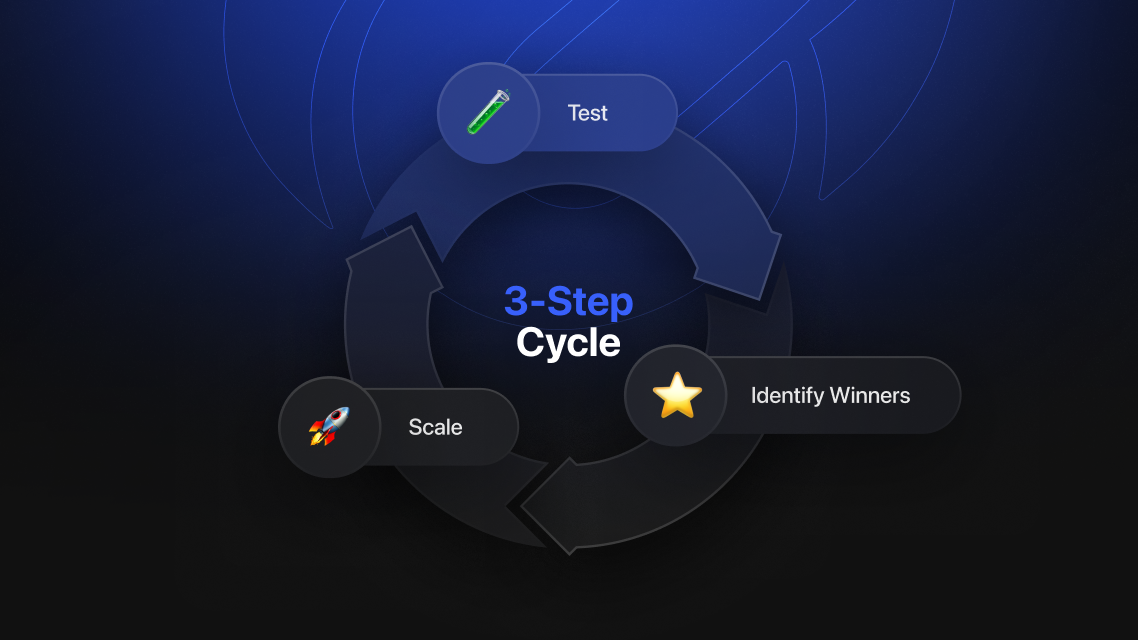
Once patterns start to appear, teams move fast. Robyn Nissim, CEO and Founder of Social Proof Agency, highlighted that consistent creator output builds trust and drives stronger results over time. That consistency also makes it easier for teams to identify what is working.
Teams take those signals and apply them right away:
- Strong concepts get repeated across new creators
- High-performing formats show up again in the next batch
- Variations are converted into paid ads as soon as they prove traction
This keeps production aligned with what is already working instead of guessing what might work next.
Strong creators generate multiple angles that convert
Not every creator performs the same in this workflow. The ones that stand out can approach the same product from different angles and still drive results.
Nichole Munoz, Co-founder and Head of Marketing at EZ Bombs, emphasized working with creators who are consistent and invested in the partnership. These creators show up repeatedly and produce content that fits naturally into their audience.
That consistency allows teams to test multiple approaches through the same creator. Over time, certain formats start to repeat across different people and different videos.
Once those patterns become clear, teams start to treat them as repeatable formats. Each new round of content builds on what has already proven to convert, which increases the chances of producing ads that scale.
Creator sourcing is now precise, data-driven, and customer-led
At the summit, teams made one thing clear: the best creators are not discovered through cold search alone. They are already close to your brand.
As Joshua Cohen, Co-founder and CEO of Pinpoint, explained, the strongest creators are often existing customers who already use and understand the product.
"The best influencers are people who are already using your product, you already know that they love it, they use it on a day-to-day basis, and they're going to speak very authentically about the problem that they're running into, and the solution that your product could be used to solve."
When a creator reflects your buyer, the content connects faster. The way they speak, the situations they show, and the problems they highlight match what your audience already relates to. That alignment shows up in stronger engagement and higher conversion.
Start with your best customers
High-performing teams begin with people who already buy from them. Ben Zettler, Founder of Zettler Digital, described a simple approach: identify who your customer is, then find creators who already look like them.
"The more that you can get real customers involved, the more successful I think you're gonna have as a program."
That leads to creators who use the same language as your buyers, show the product in real-life scenarios, and speak to problems your customers actually face. This creates content that feels relevant from the first frame.
Use performance signals to qualify creators
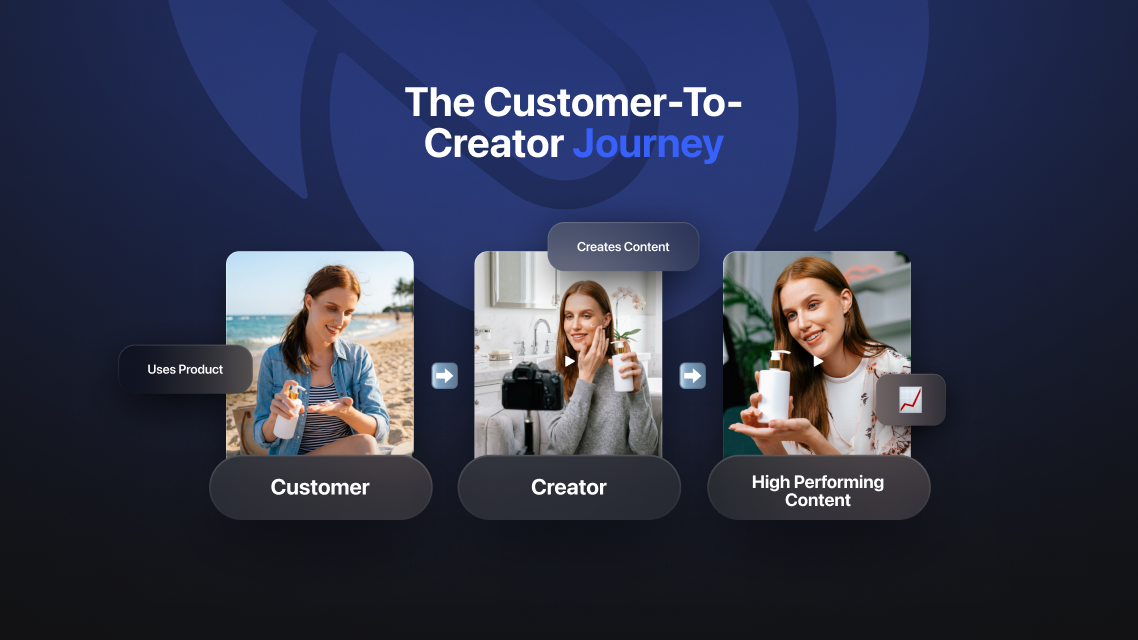
Instead of guessing who might perform, teams look for signals that indicate real alignment. Alex Choi, Senior Brand Manager at AquaTru, shared that many of the strongest creators come from the customer base. These are people who already believe in the product and want to talk about it.
That changes how teams evaluate creators. The focus shifts from surface-level metrics to important KPIs that show:
- Are they already using or talking about similar products?
- Do they create consistently within a specific niche?
- Does their content reflect real usage?
Once teams start evaluating creators this way, the bottleneck becomes clear. It isn’t access to creators. Instead, it’s how quickly you can test and identify the ones who actually convert.
Jeremy Fenderson, Senior Director of Strategy at AdQuadrant, explains:
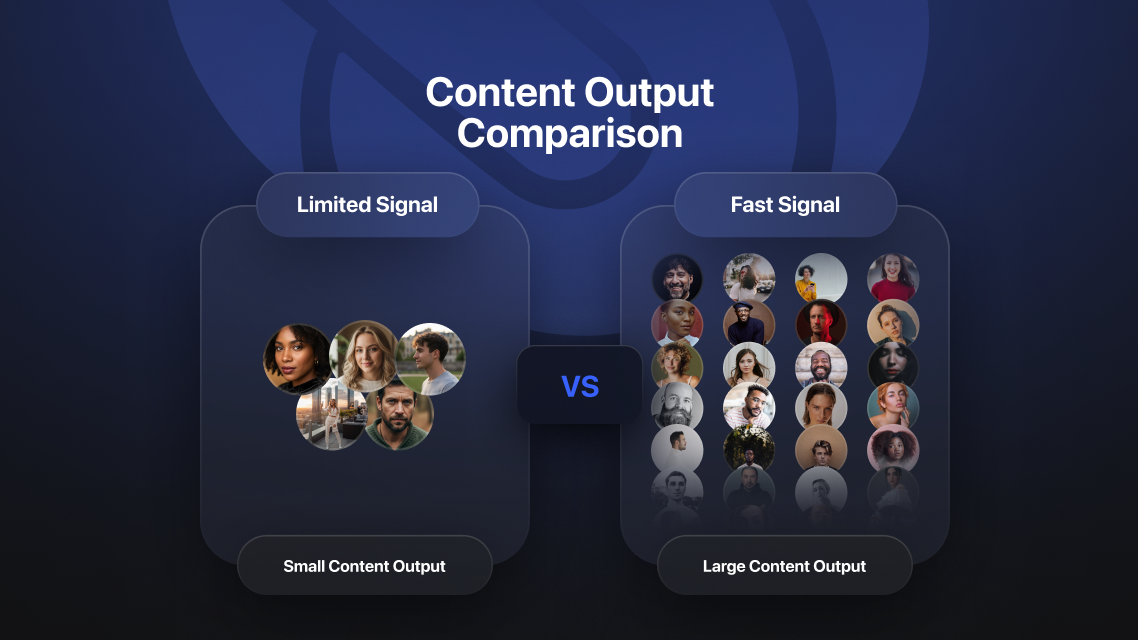
“The losing playbook is 5 creators and polished UGC.”
Having a limited set of creators slows down learning and reduces the amount of signal you can gather. Instead, Fenderson recommends focusing on speed and signal. As he put it,
“The winning playbook is a machine that gets the product into the hands of relevant creators and identifies the converters as fast as possible.”
Build sourcing into a repeatable system
At scale, sourcing becomes continuous. Teams don’t rely on one-off outreach, but on building a pipeline that pulls creators from multiple sources, like existing customers and community members, lookalike profiles based on top performers, and creators already active in the category
New creators enter the pipeline every week. Some produce their first set of content, while others move into ongoing production once they show results. This creates a system where sourcing, testing, and scaling happen together, without slowing down.
Content velocity and feedback loops drive scale
At the summit, teams that were scaling UGC-driven ads consistently had one thing in common: they kept content moving every week and kept testing active at all times.
When content goes live in volume, patterns show up faster. Instead of waiting weeks for results, teams start finding new insights within days. Some videos hold attention across multiple creators, certain formats drive comments and clicks, and a few begin to convert consistently.
That speed changes how decisions get made.
Volume creates enough signal to act on
High-performing teams structure output in a way that each idea gets tested multiple times.
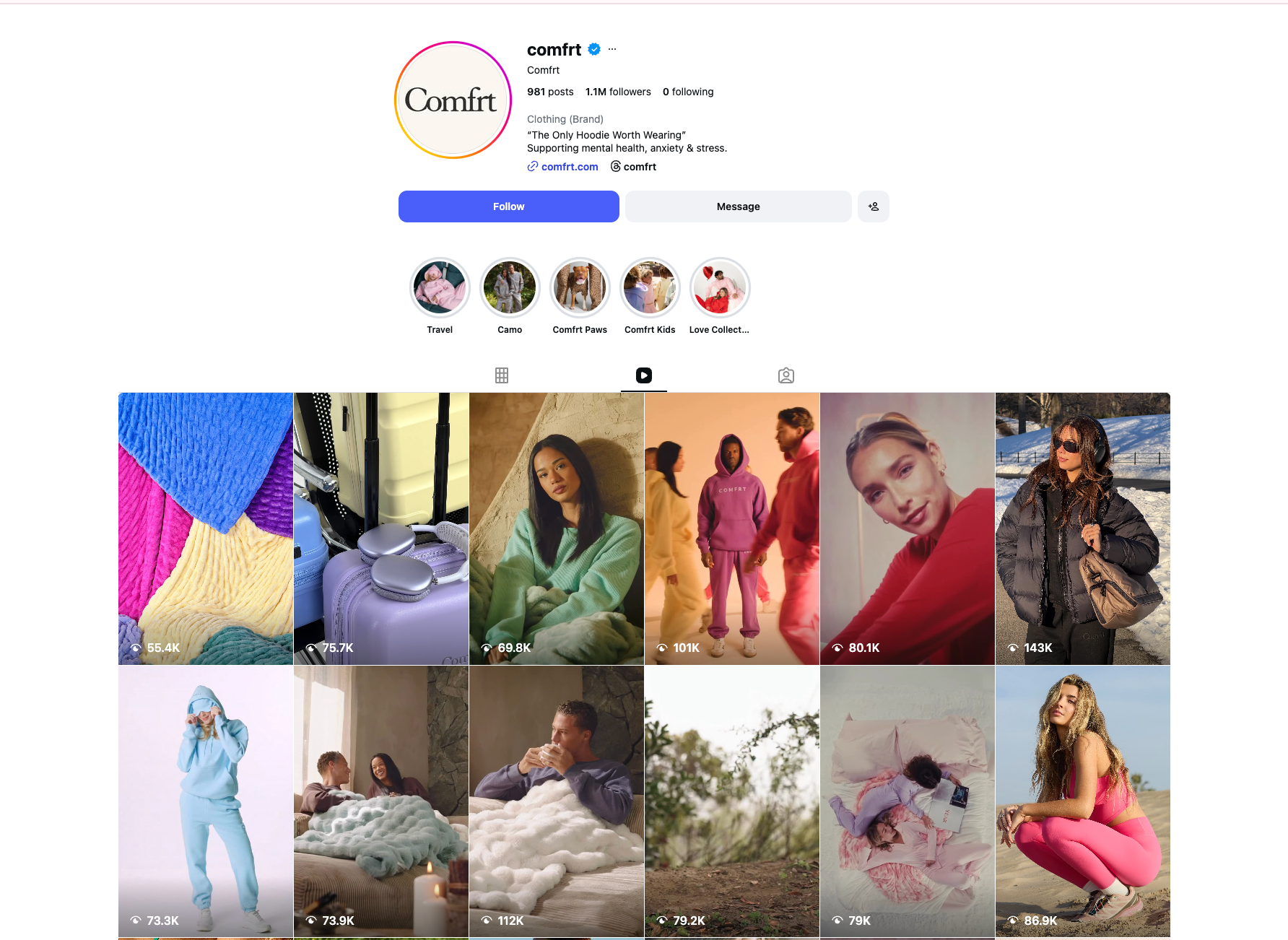
Katelyn Masek, Social and Creator Lead at Genexa (formerly at Ghost), shared an example of Comfrt, a brand running a large creator ecosystem. Their TikTok Shop affiliates were posting 30+ videos per day, with additional content coming from ambassadors and other partners.
That level of output creates constant visibility and faster feedback. Instead of guessing what might work, teams can see it play out in real time.
As programs scale further, this expands. Sambhav Chadha, Co-founder of Augmentum Media, noted that many brands push hundreds to thousands of creatives per week across different niches.
This approach leads to multiple creators testing similar angles at the same time, several videos produced per concept, and content going live in clusters instead of one by one.
With enough volume, it becomes clear what deserves more attention.
Feed winning ideas back into production
Once patterns emerge, teams should move fast. High-performing brands pass learnings back by identifying what hooks and concepts are working and asking more creators to build on them.
That feedback loop moves directly into the next round of content:
- Creators receive updated direction based on top-performing hooks.
- Formats that convert get reproduced in new variations.
- Weaker ideas get dropped quickly.
As this cycle continues, results compound over time. Strong ideas spread across creators, and better creator content replaces weaker ones within the same week.
Turn performance into scale
Once a piece of content proves it can perform, teams shouldn’t wait. Nik Sharma shared that leading brands take content that performs above baseline and put paid spend behind it, often tying payouts to performance.
That creates a clear path: test content at scale, identify what performs, and amplify it through paid. This turns content into a system where output stays high, feedback stays active, and revenue ties directly to what is already working.
Community and paid amplification turn content into revenue
At the summit, experts described a clear shift in how they handle winning content. Once a piece of content proves it can perform, the focus moves to scaling it quickly.
Sambhav Chadha explained that strong programs identify what is working and push those learnings across creators while increasing distribution. That shift depends on speed.
Move winning videos into paid while the momentum is still building
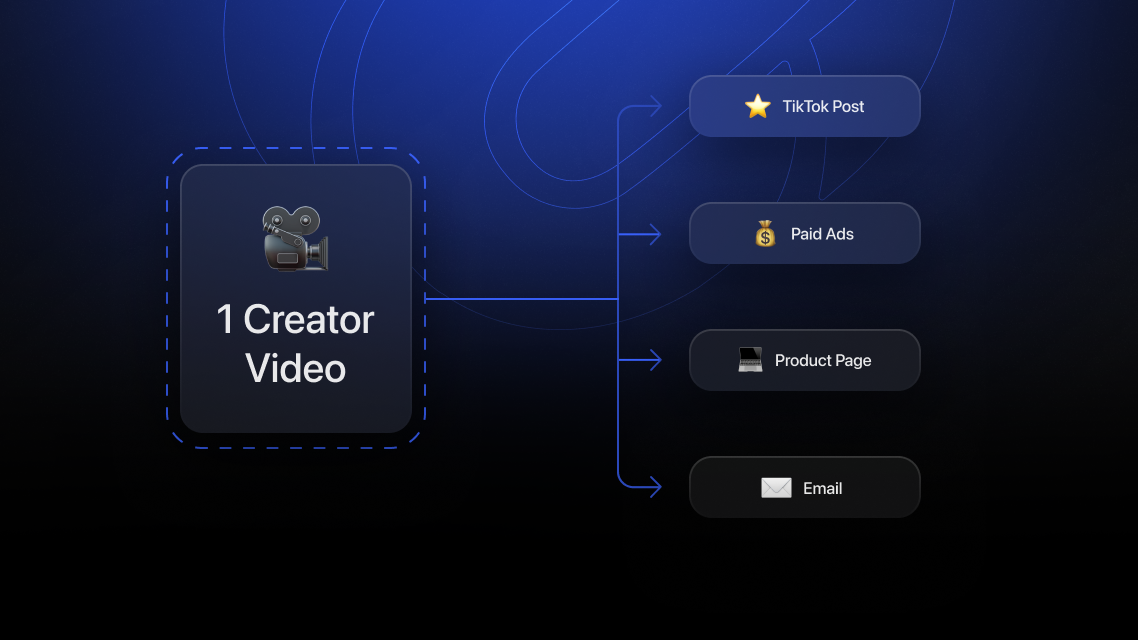
Teams track creator output closely. When a video starts driving consistent engagement or sales, it gets picked up and amplified. Many brands take content that performs above baseline and put paid spend behind it to scale results.
This creates a simple loop: content is tested through creators, high-performing posts are identified, and paid spend expands reach on those posts. The faster this transition happens, the more momentum the content maintains.
Build more from what is already working
Once a format proves it can convert, teams should replicate it. Winning ideas shouldn’t stay isolated. They should be repeated, adapted, and expanded across your creator base:
- New creators recreate the same format with their own style
- Variations test different hooks, pacing, or outcomes
- The same concept shows up consistently across multiple videos
This increases the volume of proven content and strengthens the signal around what actually works, letting you build a larger pool of usable assets without slowing production or resetting your learnings.
Keep strong creators in a steady production loop
As certain creators begin to drive consistent results, they become part of an ongoing system. In the TikTok Shop session, Nichole Munoz, Co-founder and Head of Marketing at EZ Bombs, emphasized working with creators who are consistent and invested in the partnership.
These creators continue producing content on a regular cadence, which allows teams to test new variations faster, build on proven formats, and maintain a reliable flow of high-performing content.
Keep creators aligned to the real context
Content performs best when it reflects real situations.
Creators who already use or understand the product tend to produce content that connects faster with audiences. That context shows up in how the product is presented and how the message is delivered.
When teams align creators, content, and timing, content becomes easier to produce, easier to repeat, and more likely to convert.
Ready to build a UGC system that actually scales in 2026?
The brands that win paid marketing treat UGC as a core acquisition channel. They bring in creators consistently, test content every week, and scale what converts. That is what keeps both content and revenue growing together.
Running this at scale depends on having the right infrastructure in place.
Platforms like Social Snowball support this by handling the operational layer behind your creator program. Customers turn into affiliates automatically after checkout, so your creator pipeline keeps growing without constant outreach. Each creator gets a unique, fraud-protected referral link, which keeps attribution accurate and prevents code leaks.
Payouts, gifting, and communication run from one place, which removes the need for manual tracking. You can also see which creators and videos are driving revenue, letting you make performance-driven decisions.
If you want to run a program where creator content consistently turns into revenue, this is the system to build.