Every ecommerce brand wants its customers to talk about their products.
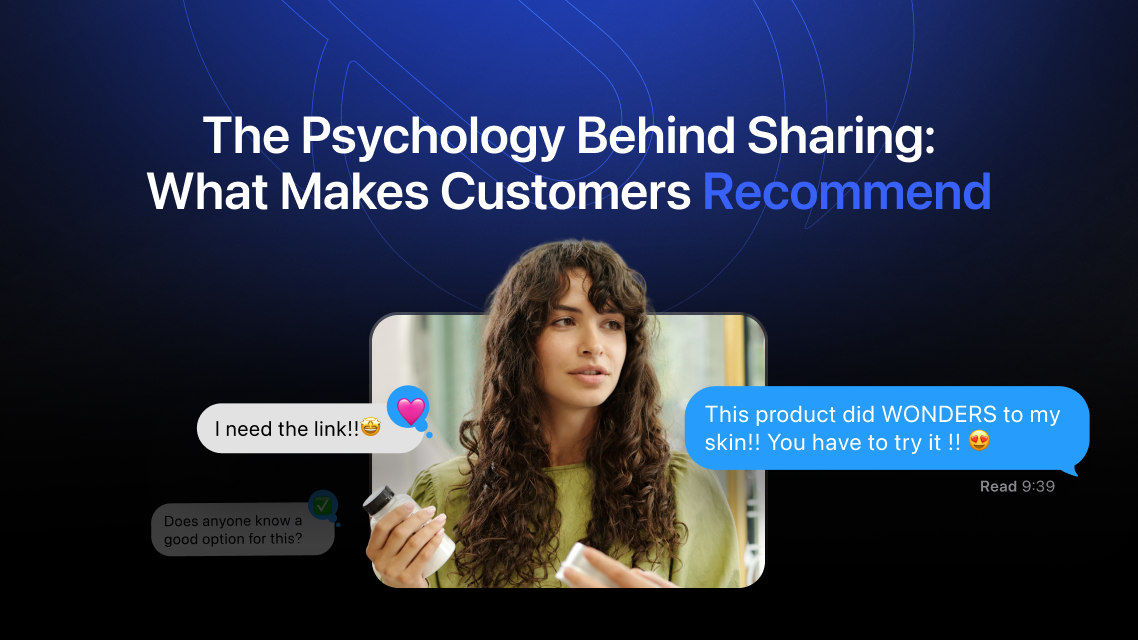
You want people posting unprompted TikToks about your products, sending links to friends, mentioning your brand in group chats, and recommending you when someone asks, “Does anyone know a good option for this?”
But those recommendations don’t come as naturally.
Customers share brands that reflect their identity, solve a problem in a memorable way, or give them something valuable to pass along to other people. In ecommerce, those moments compound quickly because every recommendation carries trust into the buying decision.
Once you start looking at word of mouth through that lens, customer sharing becomes much easier to understand and influence.
In this guide, we’ll break down the psychology behind why customers recommend brands, what drives sharing behavior, and how to turn word of mouth into a repeatable growth system.
Why people recommend products
Most recommendations happen naturally in everyday conversations—when someone asks for advice, mentions a problem, or talks about something they recently discovered.
This is why some products spread quickly through word of mouth while others rarely get mentioned, even when the product itself is strong. The difference usually comes down to how the product makes customers feel and what sharing it signals socially.
Here are some of the biggest reasons customers recommend products.
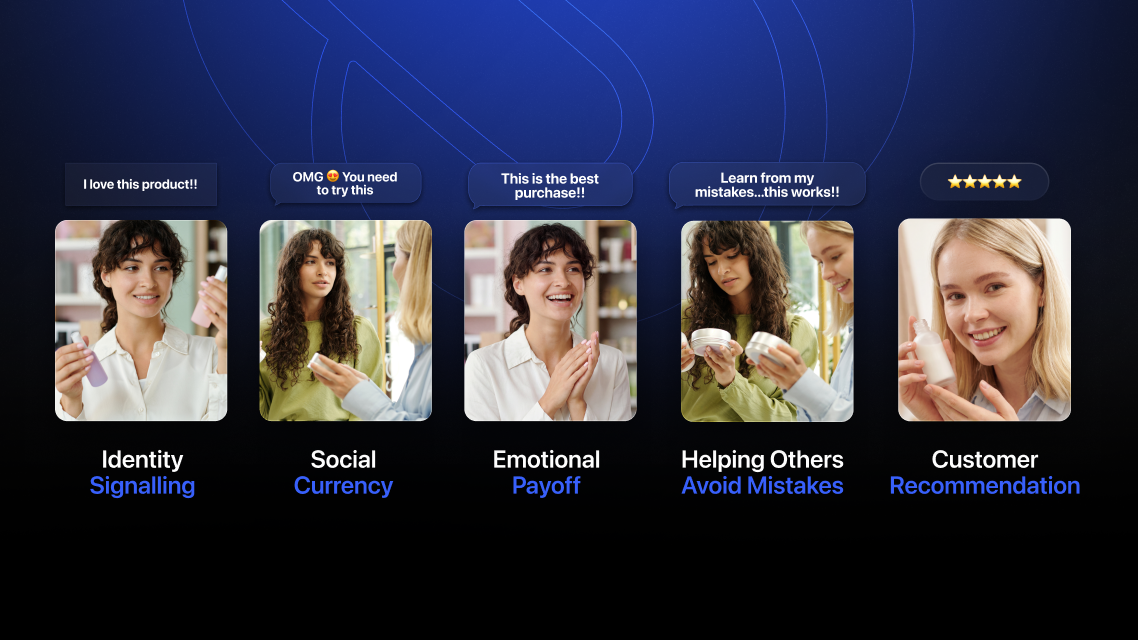
1. Identity signaling: People share products that reflect who they are
Customers often recommend products that align with their values, lifestyle, or interests. For example, a fitness enthusiast might recommend a specific supplement, while an eco-conscious shopper highlights sustainable goods.
In both cases, the recommendation becomes an extension of the customer's identity. This is why brands with clear positioning tend to generate more word of mouth. When people instantly understand who the product is for, it becomes easier to share with others who identify the same way.
2. Social currency: People share products that make them feel useful or informed
Some products get shared because recommending them feels rewarding.
People like discovering something before everyone else and introducing useful products to friends.
This is common with TikTok products, skincare products, wellness brands, niche discoveries, and clever product hacks.
One recommendation quickly turns into screenshots, reposts, and questions like “where did you get this?”
Products that feel novel, useful, or exclusive tend to spread faster because sharing them creates social value.
3. Emotional payoff
Products that feel novel, useful, or exclusive tend to spread faster because sharing them creates social value. The most powerful word-of-mouth often starts with "I honestly didn’t think this would work."
When a product solves a frustrating problem, delivers surprisingly good results, creates a memorable unboxing experience, and exceeds expectations, customers feel a sense of relief, excitement, or surprise. That specific feeling is what they pass on to others.
4. Helping others avoid mistakes: Recommendations reduce risk
Many recommendations come from a practical desire to help others avoid bad purchases. This is especially common in crowded categories like skincare, supplements, or parenting goods, where shoppers face heavy decision fatigue.
A recommendation from someone they trust removes friction because someone else has already tested the product, compared alternatives, and verified that it works. That makes the buying decision feel easier and lower risk.
Why most brands struggle to generate word of mouth
Most brands want customers to talk about their products, but very few intentionally create experiences that make sharing feel natural.
In many cases, the product itself is good. The problem is that nothing in the customer journey actually triggers a conversation. Customers buy the product, use it, and move on without reaching a moment that feels worth sharing with someone else.
Here are some of the biggest reasons word of mouth stalls:
- The product experience feels forgettable: Customers usually talk about products that create a noticeable reaction, whether that’s visible results, standout packaging, fast delivery, or a product solving a frustrating problem better than expected. When the experience feels average, there is usually no strong reason to bring it up in conversation.
- There’s no clear moment to recommend the product: Customers are more likely to share when excitement around the product is naturally high, like right after delivery, during an unboxing moment, or after seeing results. Many brands miss these moments entirely. They never prompt referrals while enthusiasm is still high.
- The brand asks too late: Many brands ask customers to refer new shoppers weeks after purchase, long after customers have stopped thinking about the product. By then, the emotional connection is weaker. Customers are far more likely to share when the experience still feels fresh and relevant.
- The incentive doesn’t feel valuable enough: Customers need a reason that feels worth acting on. Weak discounts or generic rewards rarely motivate sharing. Strong referral programs offer rewards that customers actually value, such as cash, store credit, exclusive perks, or VIP access.
- The sharing process feels inconvenient: Even motivated customers stop when sharing feels difficult. Long signup flows, confusing links, or too many steps create friction that quickly kills momentum. The easier the process feels, the more likely customers are to follow through.
The psychology of when customers are most likely to share
Even happy customers don’t recommend products all the time. Sharing usually happens during specific moments when the product feels emotionally relevant, socially useful, or part of a larger conversation happening around them.
Brands that understand these moments can trigger referrals more naturally.
Peak emotional moments: Customers share when excitement is highest
Customers are most likely to share when excitement around the product is highest.
This often happens right after receiving an order, during an unboxing moment, after seeing visible results, or when the product solves a frustrating problem.
Strong emotional reactions create stories people naturally want to tell others.
For example:
- A skincare customer notices visible improvement after a few weeks and immediately sends the product to a friend.
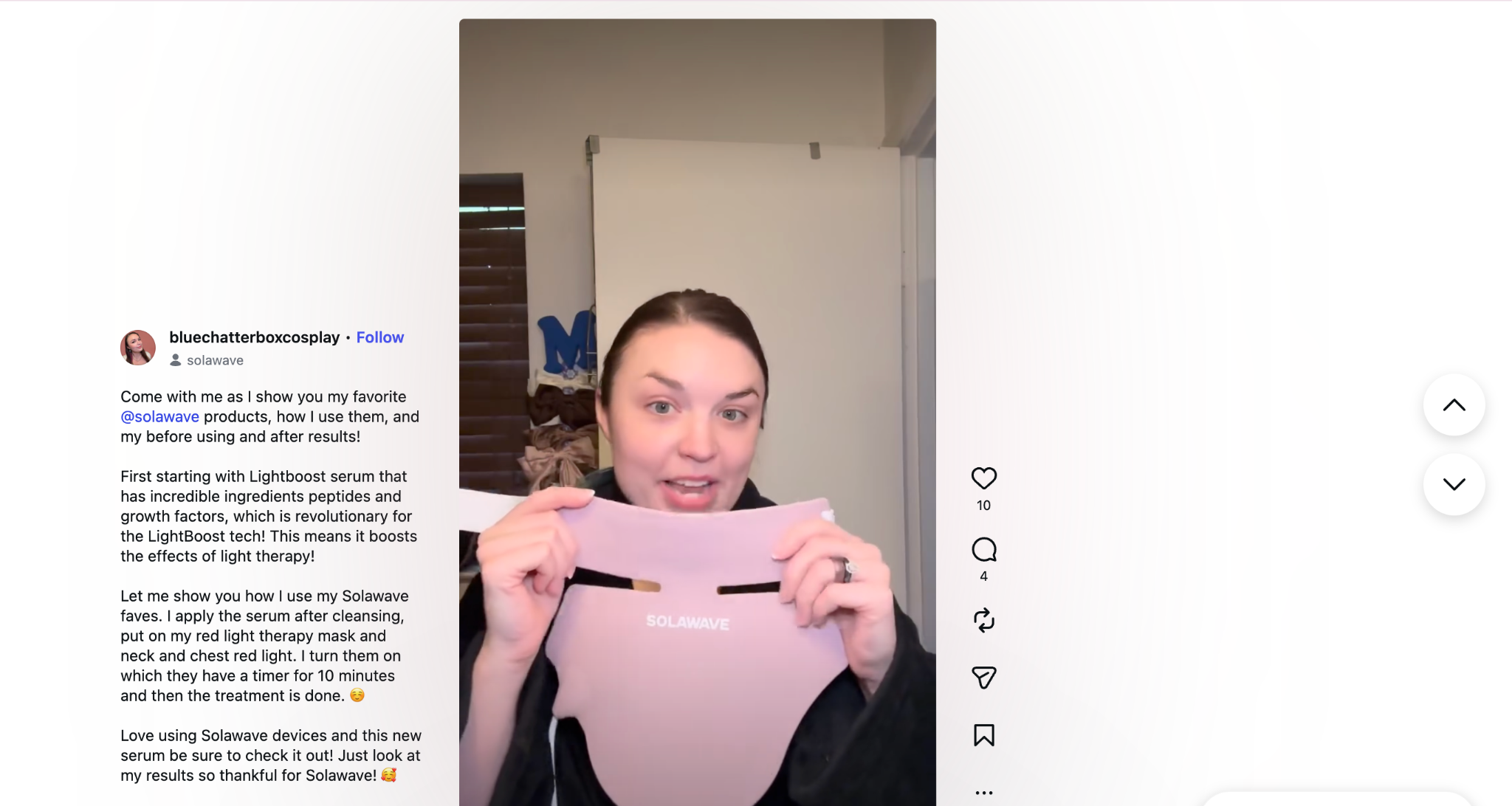
- A supplement customer finally feels a noticeable energy difference after trying multiple products that didn’t work before.
Moments of social relevance: Sharing fits naturally into existing conversations
People often recommend products when the product becomes useful within a conversation or life event already happening around them. Common examples include:
- A friend asking for recommendations.
- Holiday shopping or gifting season
- Weddings or major life events
- Lifestyle changes like starting a fitness routine, moving cities, or becoming a parent
In these situations, the recommendation already fits into the conversation naturally. The customer doesn’t need a separate reason to share it.
Community moments: People share more when others are sharing too
People share more when they see other people sharing too.
Once customers notice creators, friends, or online communities talking about a product, recommending feels more socially normal and validated. That creates a compounding effect where recommendations lead to more visibility, conversations, and referrals.
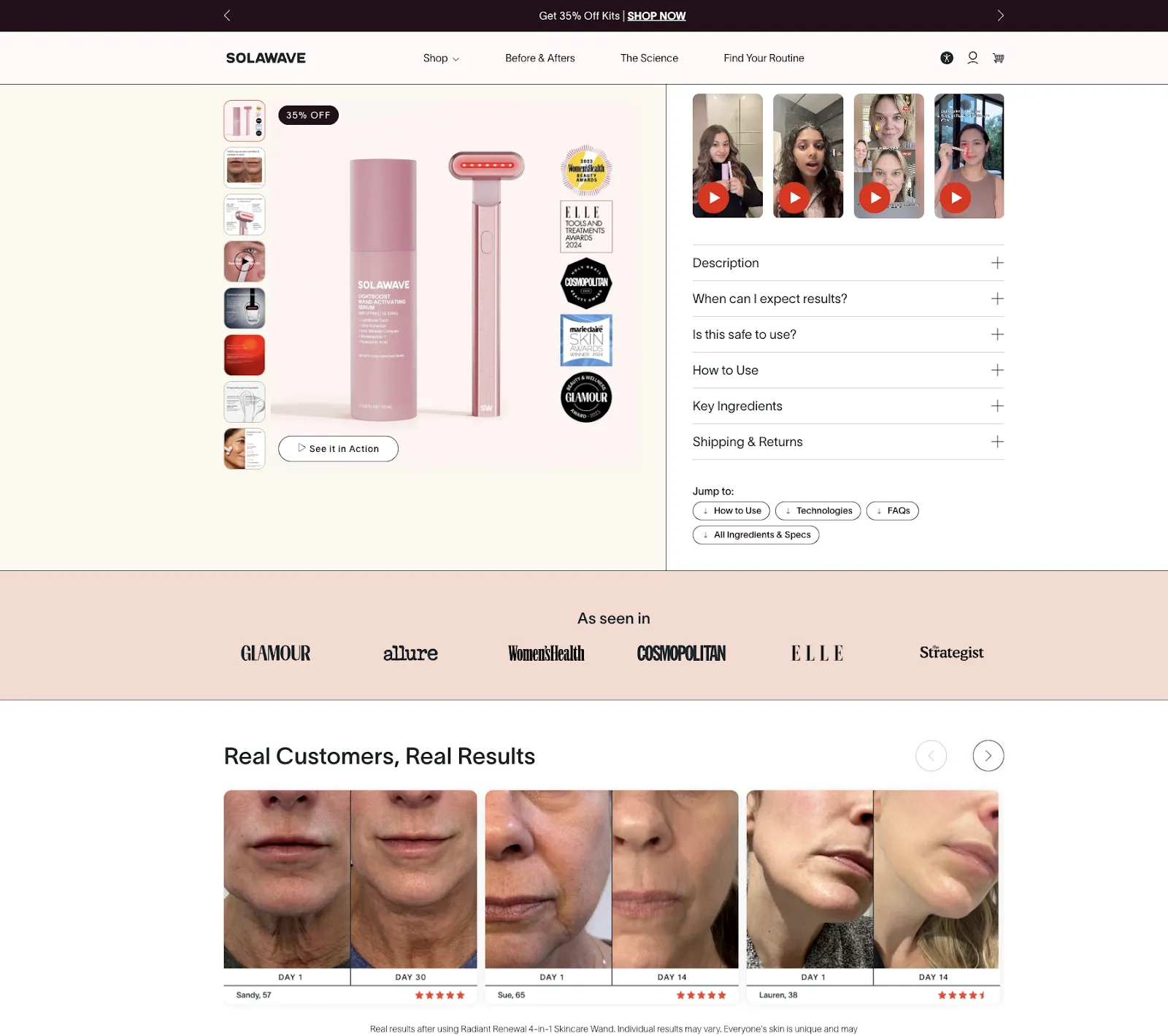
This is one reason TikTok products, customer reviews, creator content, and community-driven brands often spread quickly through word of mouth. Social proof increases confidence around sharing.
How to increase customer sharing
Word of mouth grows faster when sharing feels natural, rewarding, and easy to act on. The brands that consistently generate referrals remove friction from the process and build experiences customers already want to talk about.
Here are a few ways to increase customer sharing more intentionally.
1. Make it easy to recommend
Even excited customers stop sharing when the process feels inconvenient. The easier it is to send a link, copy a code, or share a product with friends, the more likely customers are to follow through. Small friction points add up quickly, especially on mobile.
Here are some simple ways to reduce effort:
- One-click referral links
- Pre-written messages customers can personalize
- Simple discount codes that are easy to remember and share
- SMS or social sharing options built directly into the referral flow
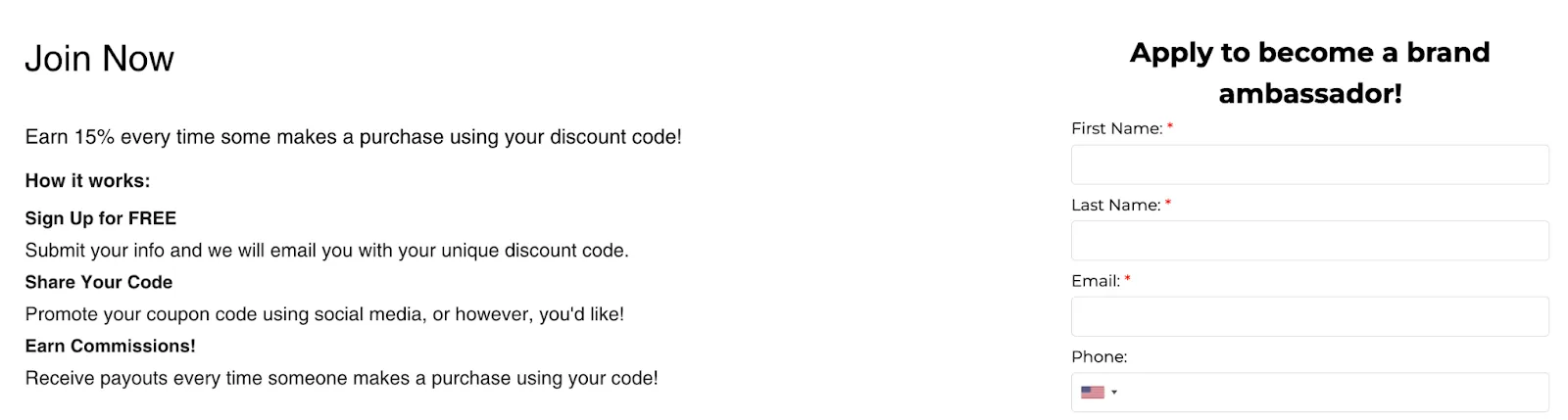
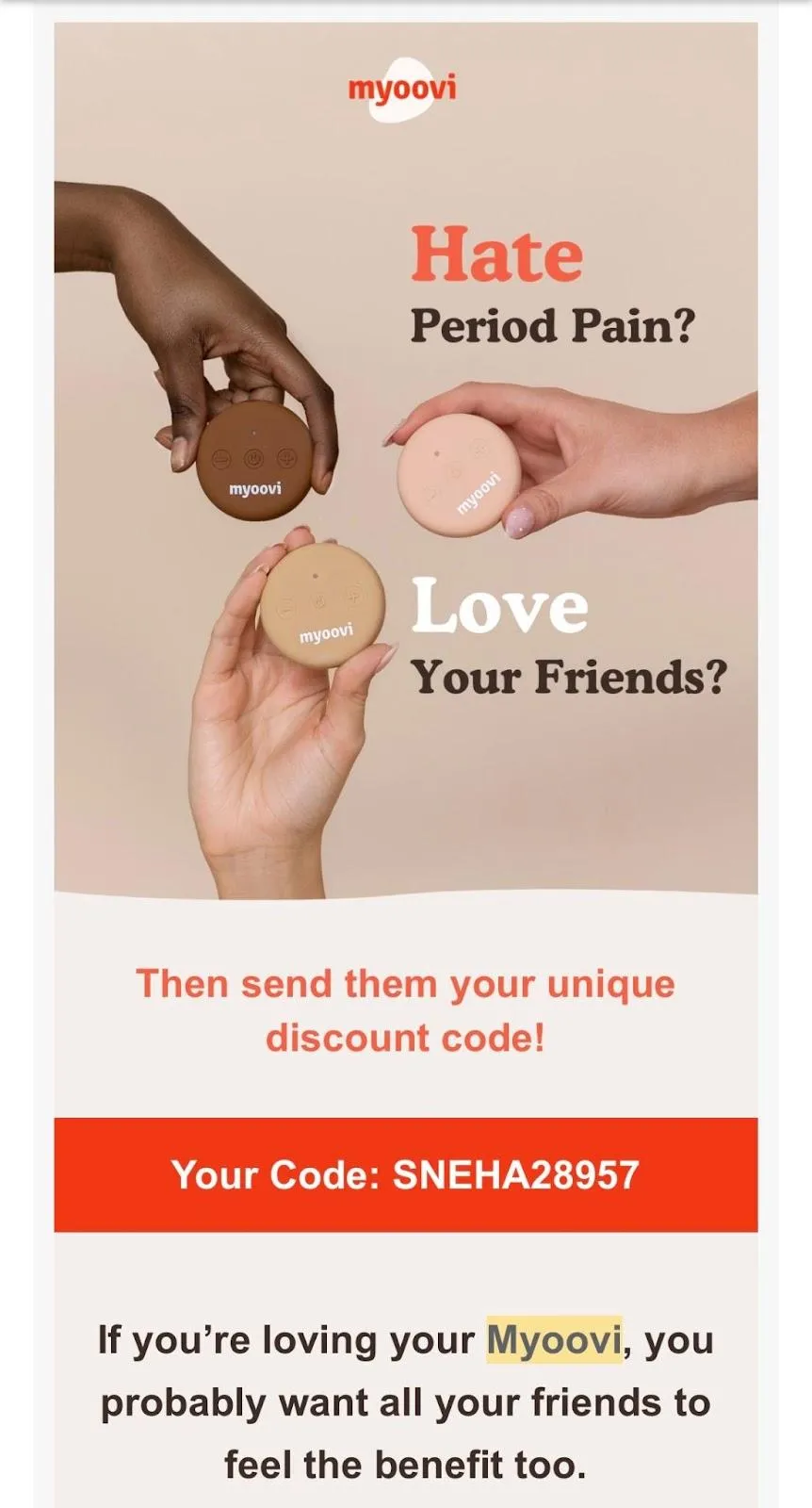
Platforms like Social Snowball automatically generate personalized one-time referral links and discount codes for customers after purchase, making it easier for customers to share immediately without extra setup.

2. Reward sharing without making it feel transactional
Referral incentives work best when they feel aligned with the customer experience.
Good rewards make customers feel recognized for sharing, not like they are participating in a generic referral program.
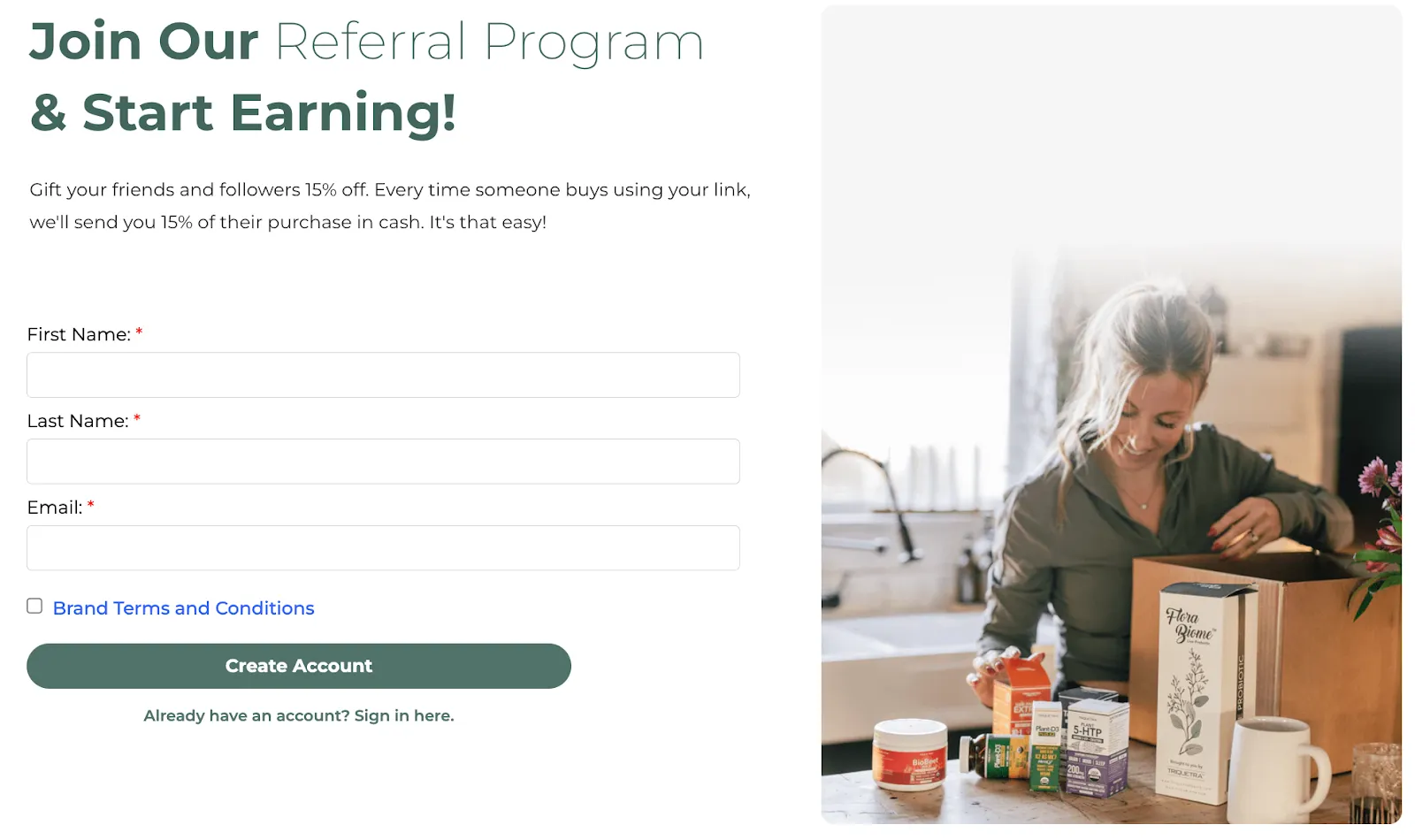
Common referral incentives include cash rewards, store credit, early access, exclusive drops, and VIP perks.
For example:
- “Give $20, Get $20”
- Early access to new launches
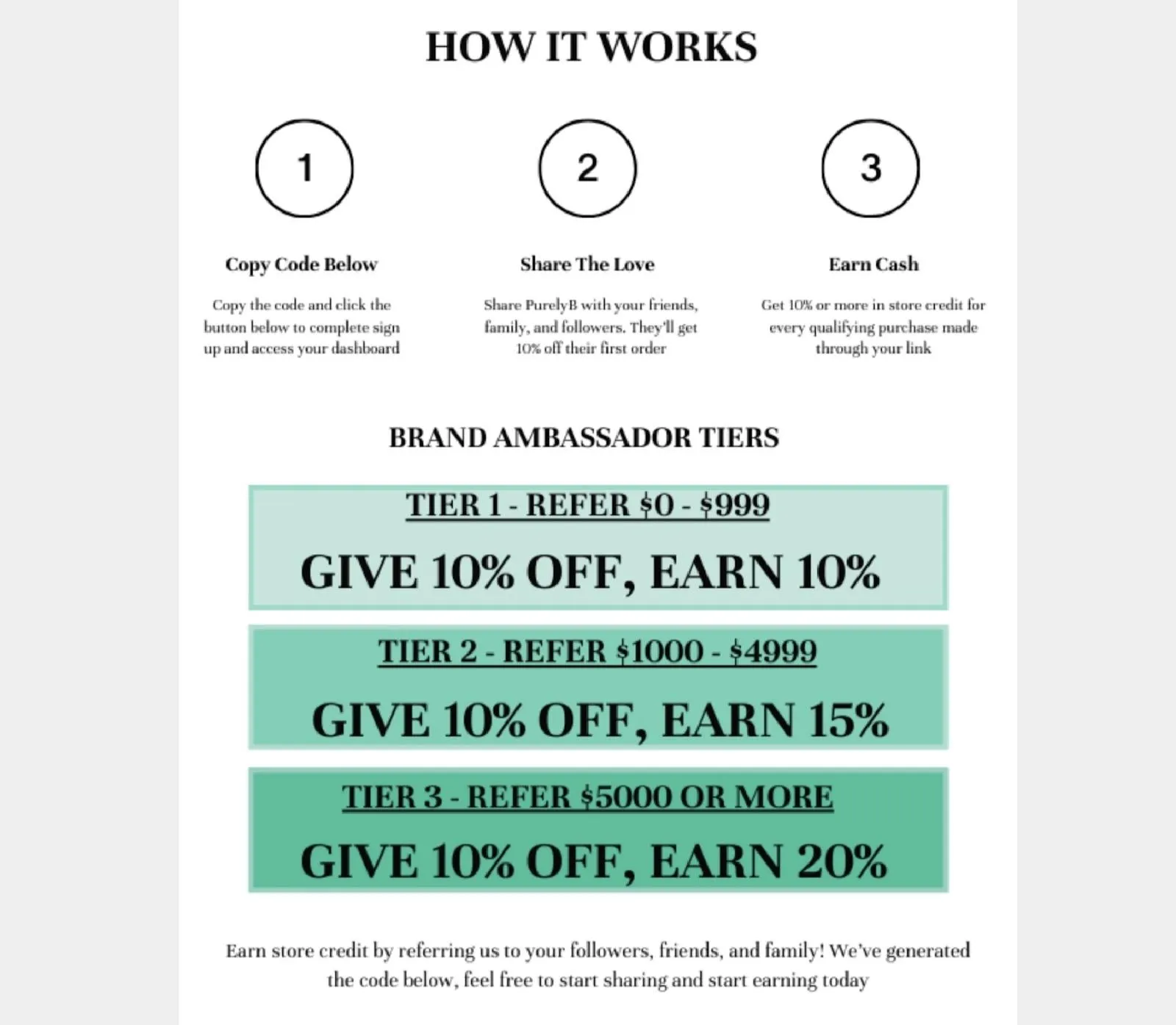
- Tiered rewards for top referrers
- Community perks or VIP status
The strongest programs make sharing feel rewarding while still staying true to the brand experience.
3. Give customers something worth talking about
Customers naturally recommend experiences that feel memorable.
That could be standout packaging, visible product transformation, strong brand positioning, creator-led community experiences, or products solving a frustrating problem better than expected.
A good question to ask internally is: What part of this experience would someone naturally mention to a friend? The strongest word-of-mouth brands usually have a very clear answer to that question.
4. Use identity-based messaging
Customers are more likely to recommend products when they can immediately think of a specific person who would benefit from them.
That’s why referral prompts work better when they feel personal and relevant instead of generic.
For example:
- “Know someone training for their first marathon?”
- “Have a friend trying to improve their sleep routine?”
- “Send this to someone who’s always looking for high-protein snacks.”
These prompts help customers mentally connect the product to someone in their life right away. That usually feels much more natural than a generic “Refer a friend.”
How to operationalize word of mouth
Word of mouth becomes much more predictable once you stop treating it like random customer behavior and start building systems around when people are most likely to share.
Brands that consistently generate referrals usually understand three things clearly:
- Which customer moments create the strongest emotional reactions
- What motivates customers to recommend the product
- How to make sharing feel effortless
Here’s how to turn word of mouth into a repeatable growth system.
Step 1: Identify your highest-share moments
Most customers won’t recommend your brand immediately after checkout. Sharing usually happens after a moment that feels emotionally satisfying or socially relevant.
For example:
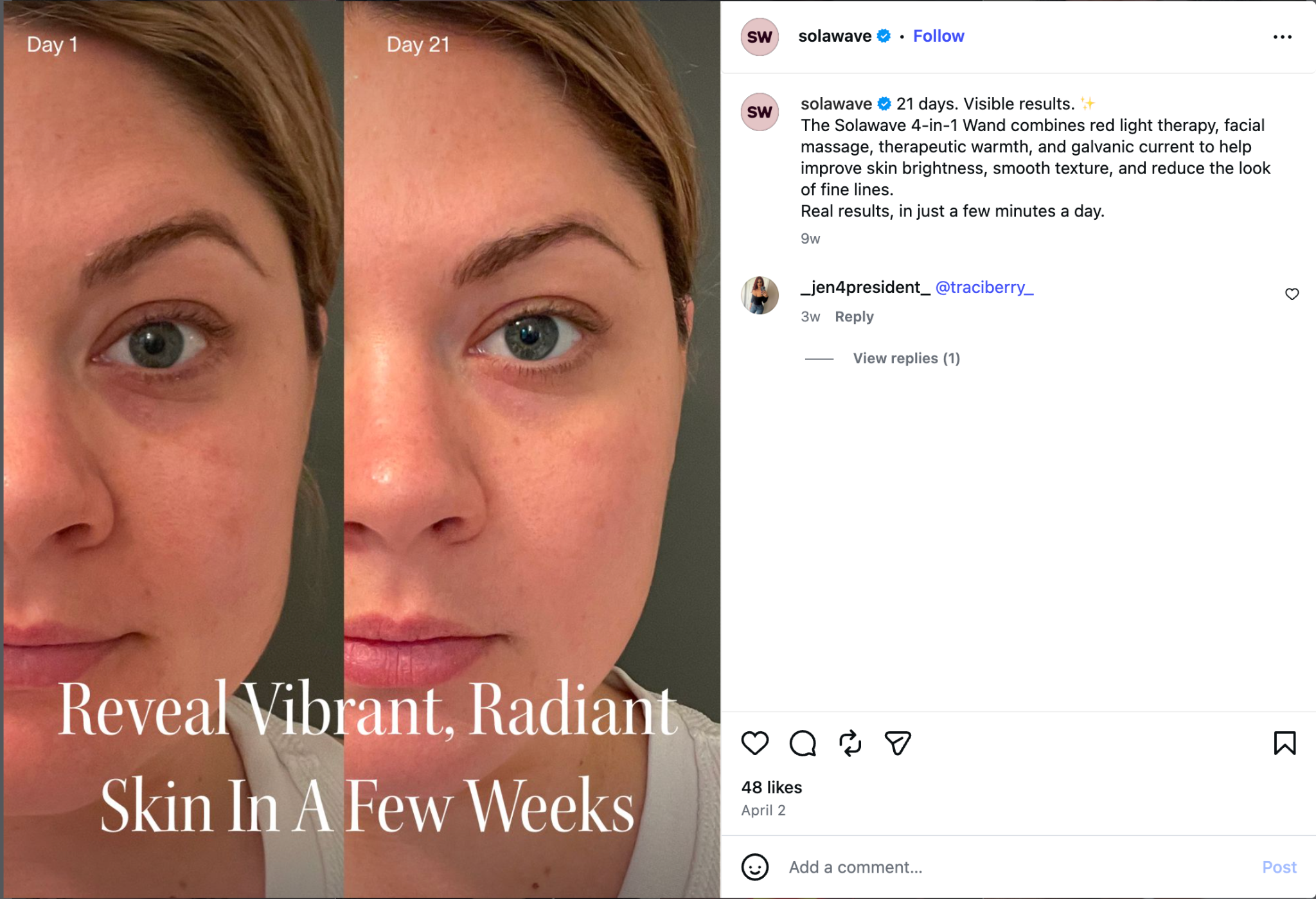
- A skincare customer sees visible improvement after three weeks
- A supplement customer notices better energy during workouts
- A customer receives compliments after using a beauty or fashion product
- Someone successfully solves a frustrating problem they’ve dealt with for months
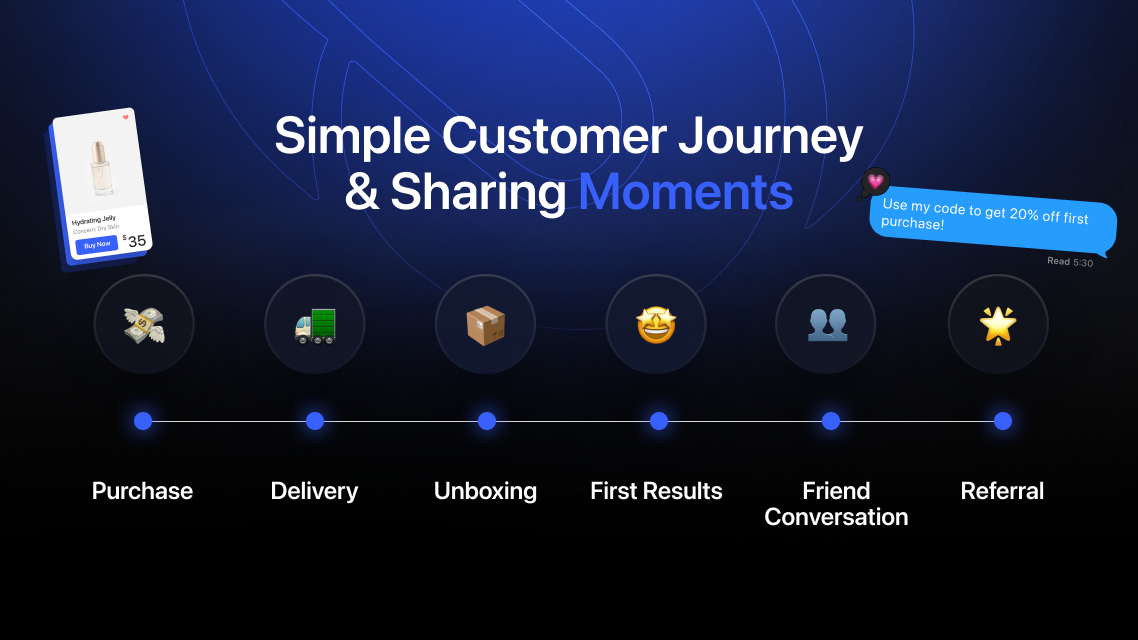
These are the moments where excitement peaks and conversations happen naturally. Map out the stages in your customer journey where this usually occurs, like purchase, delivery, and unboxing, repeat purchase, and subscription renewal.
Once you identify where excitement already exists, you can trigger referral messages at moments when customers naturally feel most motivated to share.
Step 2: Trigger referrals at the right time
Timing has a huge impact on a successful referral marketing strategy.
Many brands ask for referrals too late, after customers have already moved on mentally from the purchase. The strongest referral windows usually happen while customers are actively using the product, talking about it, or seeing results.
A few examples:
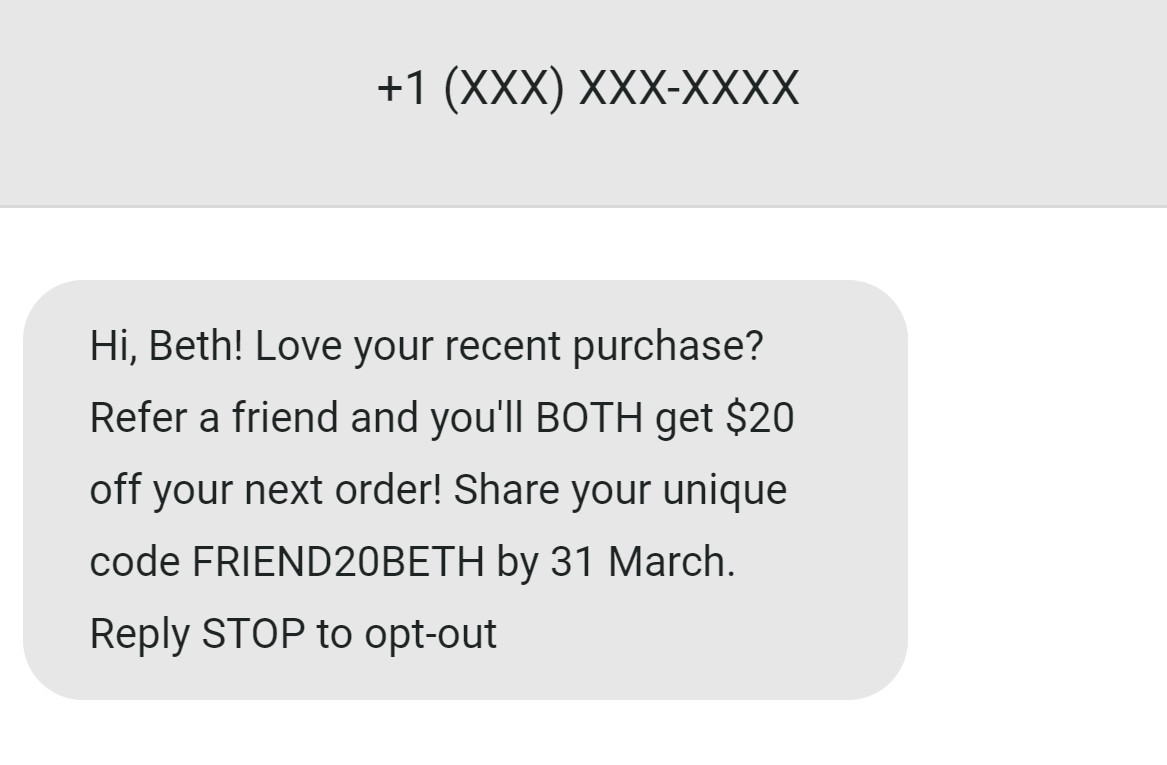
- Send a referral SMS shortly after expected product results
- Trigger refer-a-friend emails after repeat purchases
- Add referral prompts immediately after positive reviews
- Prompt referrals after customers engage with user-generated content (UGC) or community content
For example, a hydration brand might send a referral message seven days after delivery, once customers have had enough time to actually feel the product working. A skincare brand may wait until the average timeline for visible results.
Step 3: Incentivize smartly
Different customers share for different reasons, which means one referral reward rarely works for everyone.
Some customers respond well to direct financial rewards, like cash payouts, store credit, and discounts on future orders. Others care more about recognition or access:
- VIP tiers
- Early product drops
- Exclusive products
- Community perks
- Leaderboards or milestone rewards
This becomes especially important as brands scale creator-led or affiliate-style referral programs. Top customers often continue sharing because rewards compound alongside status, recognition, and ongoing earnings.
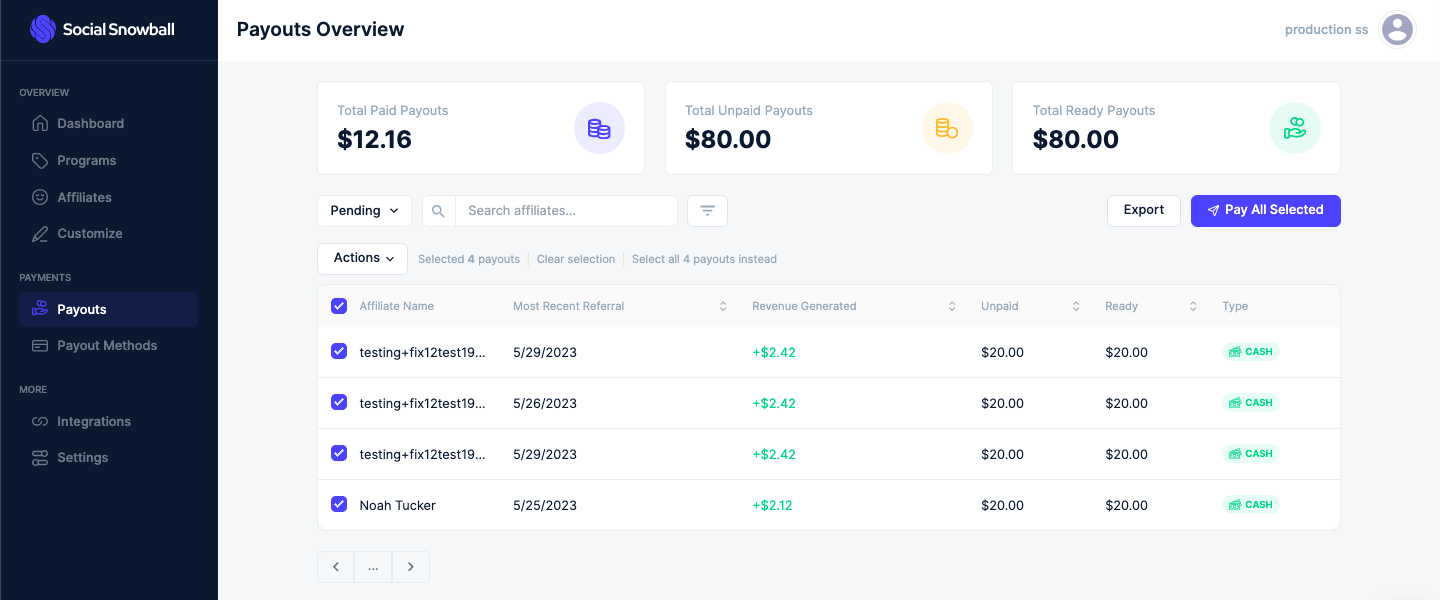
Platforms like Social Snowball help brands test different reward structures, automate payouts, and identify high-performing referrers without adding manual work.
Step 4: Turn top customers into advocates
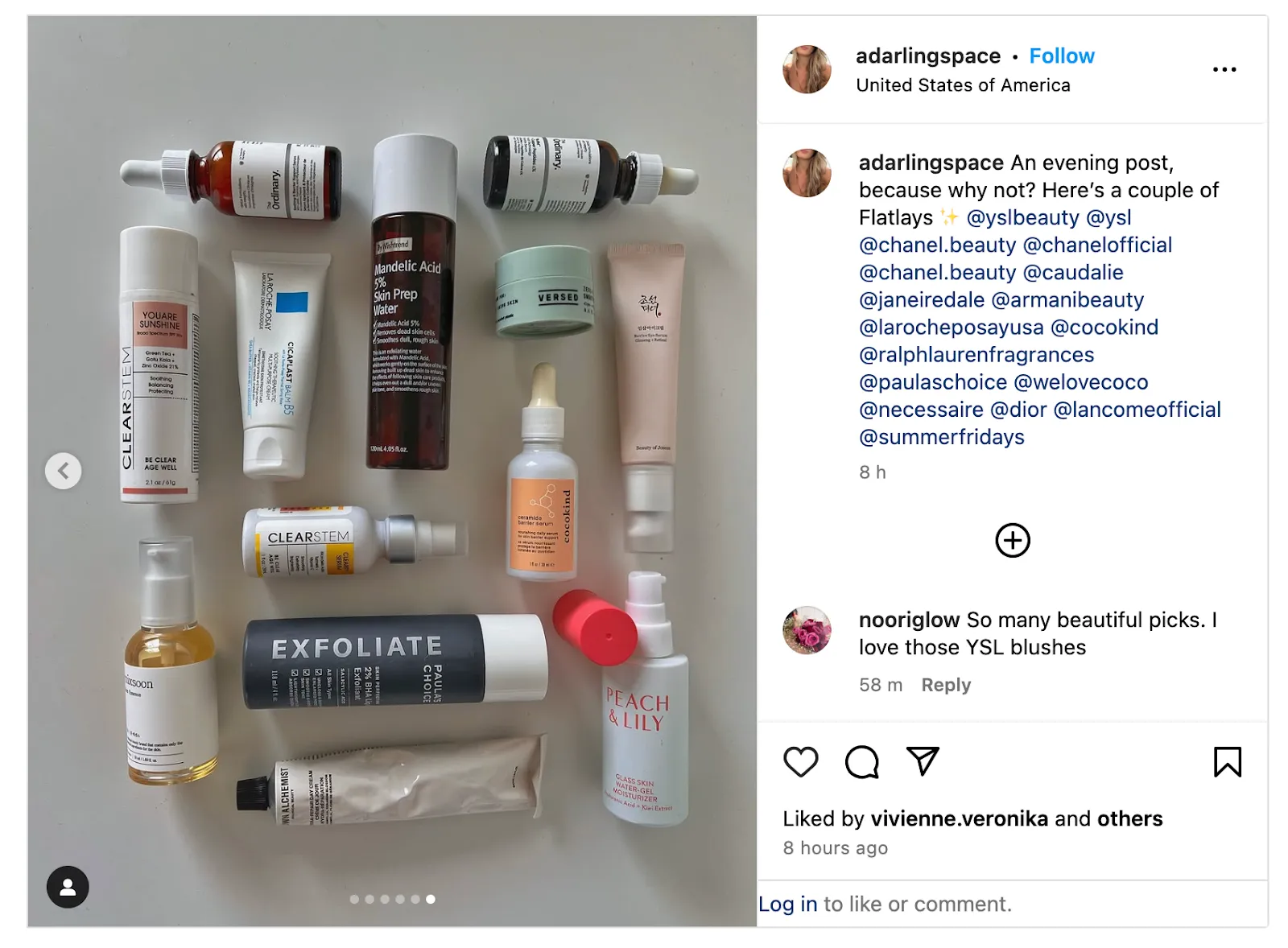
Your best customers usually become your strongest acquisition channel over time. A customer who repeatedly shares your product can often convert into a high-performing affiliate, a creator partner, a long-term ambassador, or a recurring source of UGC and referrals
This is where word of mouth starts compounding beyond one-time recommendations.
For example, many DTC brands now identify repeat referrers early, automatically convert them into affiliates after purchase, and give them personalized links, tiered rewards, or gifting opportunities to increase participation.
Instead of treating referrals as occasional customer behavior, they build systems around advocacy from the beginning. That shift is what turns word of mouth into a scalable acquisition channel instead of a passive outcome that brands hope happens on its own.
Ready to increase customer recommendations?
Word of mouth grows when customers have a strong experience, a clear reason to share, and an easy way to recommend the product to someone else.
Brands that consistently generate referrals usually build systems around those moments intentionally. They trigger sharing while excitement is high, reduce friction in the referral process, and reward customers in ways that feel aligned with the brand experience.
As your program grows, managing referral links, payouts, discount codes, creator relationships, and customer communication manually becomes difficult to scale.
Platforms like Social Snowball help ecommerce brands operationalize word of mouth by automating the entire process, including:
- Post-purchase affiliate activation
- Personalized referral links and discount codes
- Automated payouts and rewards
- Safelinks to prevent coupon code leaks
- Affiliate and influencer tracking
- TikTok Shop attribution
- UGC tracking and creator content management
- Referral and affiliate programs managed from one dashboard