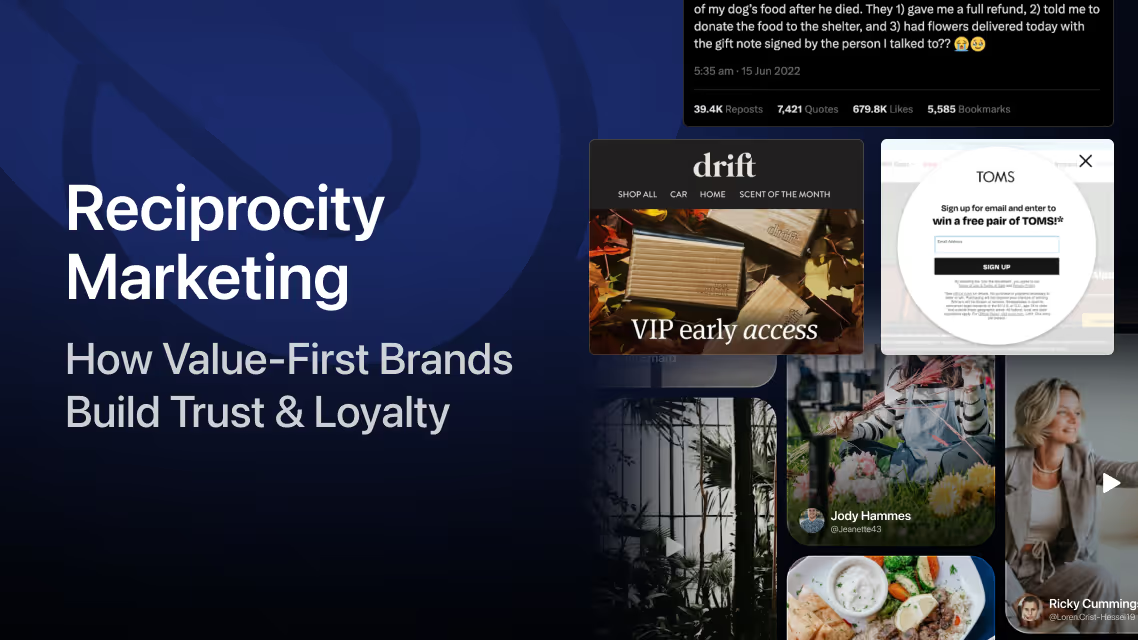
Many ecommerce brands focus their marketing on driving purchases. Ads bring in traffic, product pages push conversions, and promotions encourage customers to check out. The interaction often begins and ends around that transaction.
Brands that build lasting loyalty invest in value before the sale even happens. A customer might discover the brand through a useful tutorial, receive a thoughtful product sample, or join a community that shares tips and experiences. These interactions give customers a reason to trust the brand before they ever reach the checkout page.
This approach is known as reciprocity marketing. It draws on a simple behavioral principle. When people receive something genuinely useful, they are more open to engaging with the person or brand that provided it.
For DTC brands, this value-first strategy often leads to stronger retention, more repeat purchases, and organic word-of-mouth growth.
In this guide, you’ll see how ecommerce brands use reciprocity marketing and how these interactions turn customers into long-term advocates.
What is reciprocity marketing?
Reciprocity marketing is a strategy where you offer meaningful value to customers before asking for a purchase, customer referral, or promotion. The idea is simple: when people receive something useful or generous from a brand, they become more open to engaging with it.
The concept comes from the social norm of reciprocity, a well-documented principle in human psychology. Researchers such as Alvin Gouldner first studied how cooperative behavior develops when one person provides value to another.
Later, persuasion researcher Robert Cialdini highlighted reciprocity as one of the most powerful drivers of human decision-making in his book Influence: The Psychology of Persuasion.
In marketing, the principle of reciprocity works through a simple behavioral pattern. When someone benefits from an experience, resource, or gesture from your brand, they carry that positive impression forward. That familiarity lowers hesitation during the purchase decision and increases the likelihood that they return, engage again, or recommend the brand to others.
Example of reciprocity marketing
A well-known example of reciprocity comes from Dunkin’ Donuts. The company launched a marketing campaign called “Eagles Win, You Win.” Customers in Philadelphia received a free coffee whenever the Philadelphia Eagles won a game, which they could redeem through the Dunkin’ mobile app.
The campaign created a positive interaction with the brand. More than 250,000 customers redeemed free coffee each week, app downloads increased rapidly, and store visits and sales rose after each promotion.

Types of value
Here are some of the most common ways ecommerce brands deliver value to shoppers:
- Free samples: Free samples let customers try a product before committing to a purchase. This works especially well for categories like skincare, supplements, food, or fragrance, where user experience is very important.

- Educational content: Educational resources help customers understand a problem and learn how to solve it. For example, fitness brands share workout plans, skincare companies explain ingredient benefits, and food brands publish recipes.

- Community access: Communities create value through connection and shared experiences. Brands can host private groups on platforms like Discord, Slack, or dedicated forums where customers discuss products, share tips, and interact with the brand team.
- Exceptional customer service: Thoughtful service experiences create lasting relationships. Small gestures, such as handwritten notes, surprise upgrades, or fast replacements for damaged products, show customers that the brand values their experience, which strengthens loyalty over time.

Why reciprocity works in ecommerce?
Reciprocity works because it changes how the relationship between your brand and the customer develops.
Many ecommerce interactions begin and end with a single transaction. The customer discovers a product, decides whether to buy, and the relationship often stops there. Reciprocity marketing introduces value earlier in the journey, which creates familiarity and trust before they decide to purchase.
Over time, the relationship tends to evolve through a sequence like this: value → trust → purchase → advocacy.
Customers first experience something useful from the brand, like a helpful guide, a free resource, a thoughtful service interaction, or access to a community. That experience builds confidence in the brand and the product.
When customers feel informed and comfortable with the brand, the purchase decision becomes easier. Positive product experiences then encourage customers to share the brand with others.
For DTC brands, this value-first approach has several advantages:
- Lower friction during purchase decisions: Customers already understand the product and the brand before they reach the checkout page. This familiarity reduces hesitation and shortens the decision process.
- Higher repeat purchase rates: Positive early interactions make customers more likely to return after the first order. Many value-first initiatives. such as communities, educational content, or loyalty programs, keep customers engaged between purchases.
- Stronger emotional connection to the brand: Customers remember brands that contribute something meaningful to their routines, interests, or communities. These interactions build recognition and loyalty over time.
- More referrals and word-of-mouth growth: Customers who benefit from a brand’s content, community, or experience often share it with friends or on social platforms. These recommendations introduce the brand to new audiences through trusted sources.
Reciprocity marketing works particularly well in ecommerce categories where customers interact with the brand repeatedly. Some common examples include:
- Community-driven brands where customers gather around shared interests such as fitness, beauty, gaming, or hobbies.
- Creator-led brands where audiences already trust the creators behind the product.
- Products with strong repeat behavior, such as supplements, skincare, food, or apparel.
How value-first brands use reciprocity marketing to drive growth
Reciprocity marketing works when value appears throughout the customer journey, and not just at the moment of purchase. Each interaction helps customers understand the product, strengthens customer relationships, and increases the likelihood of repeat purchases and referrals.
Here are several ways ecommerce brands apply reciprocity to support long-term growth.
1. Provide value before the first purchase
The first interaction with a potential customer often influences whether they move forward with a purchase. When peopl receive useful information or experiences early, they gain confidence in the product and the brand behind it.
Value-first content and experiences help customers understand how the product fits into their lives and why it solves a real problem.
A few common approaches include:
- Tutorials and guides that show how the product fits into daily routines
- Educational resources explaining the problem the product solves
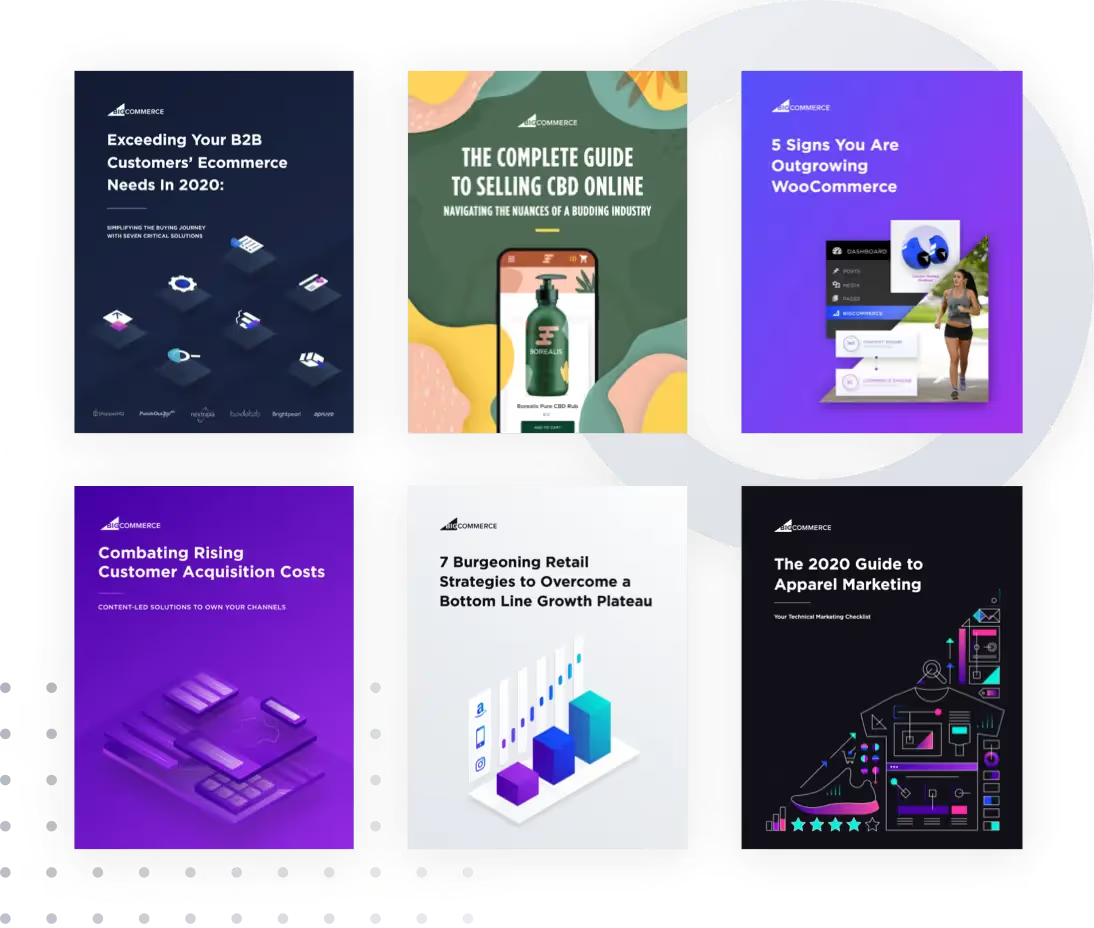
- Free content, sample, or trial offers that let customers test the product before committing.
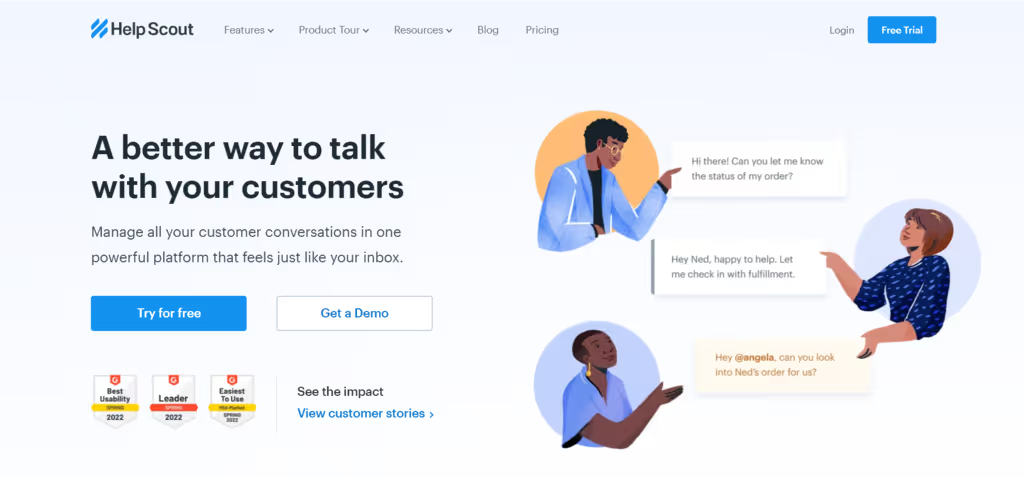
When customers discover valuable content through social media, search, or communities, they enter the buying journey with more context and confidence.
2. Deliver unexpected value after purchase
The moment after a purchase offers a strong opportunity to reinforce brand loyalty. Small gestures that customers did not anticipate often leave a lasting impression.
Unexpected value creates positive experiences that encourage customers to return and engage again. Some examples are:
- Unexpected gifts or product samples included in orders
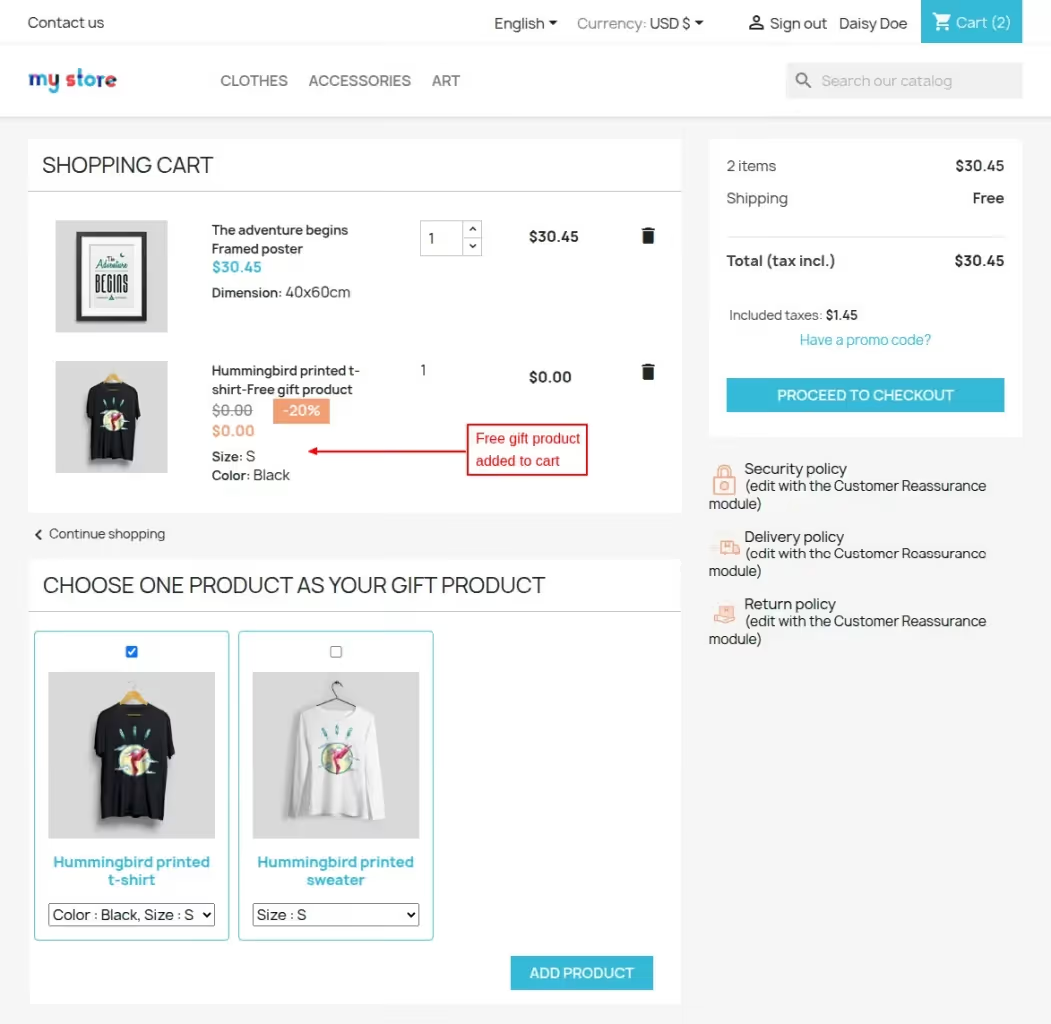
- Bonus loyalty points added to a customer’s account
- Early access to upcoming product launches

These experiences strengthen emotional connections with the brand and contribute to higher customer retention over time.
3. Offer insider access instead of discounts
Customers often respond strongly to experiences that make them feel involved with the brand. Access to exclusive moments or communities can deepen brand loyalty and increase engagement.
Brands frequently create these opportunities through:
- Early access to new products or launches.

- Private product drops for loyal customers.
- VIP communities or events where customers interact with the brand team and other customers.
Community-driven interactions increase customer engagement and encourage members to share their experiences publicly, which contributes to social proof and word-of-mouth marketing growth.
4. Turn customers into advocates by incentivizing referrals
Referral programs are one of the clearest examples of reciprocity in ecommerce. Customers receive recognition or rewards for recommending the brand to friends, while new customers discover the product through trusted recommendations.
This structure creates value for both sides:
- Existing customers receive rewards or perks for sharing the brand
- New customers receive a trusted recommendation and often an introductory offer
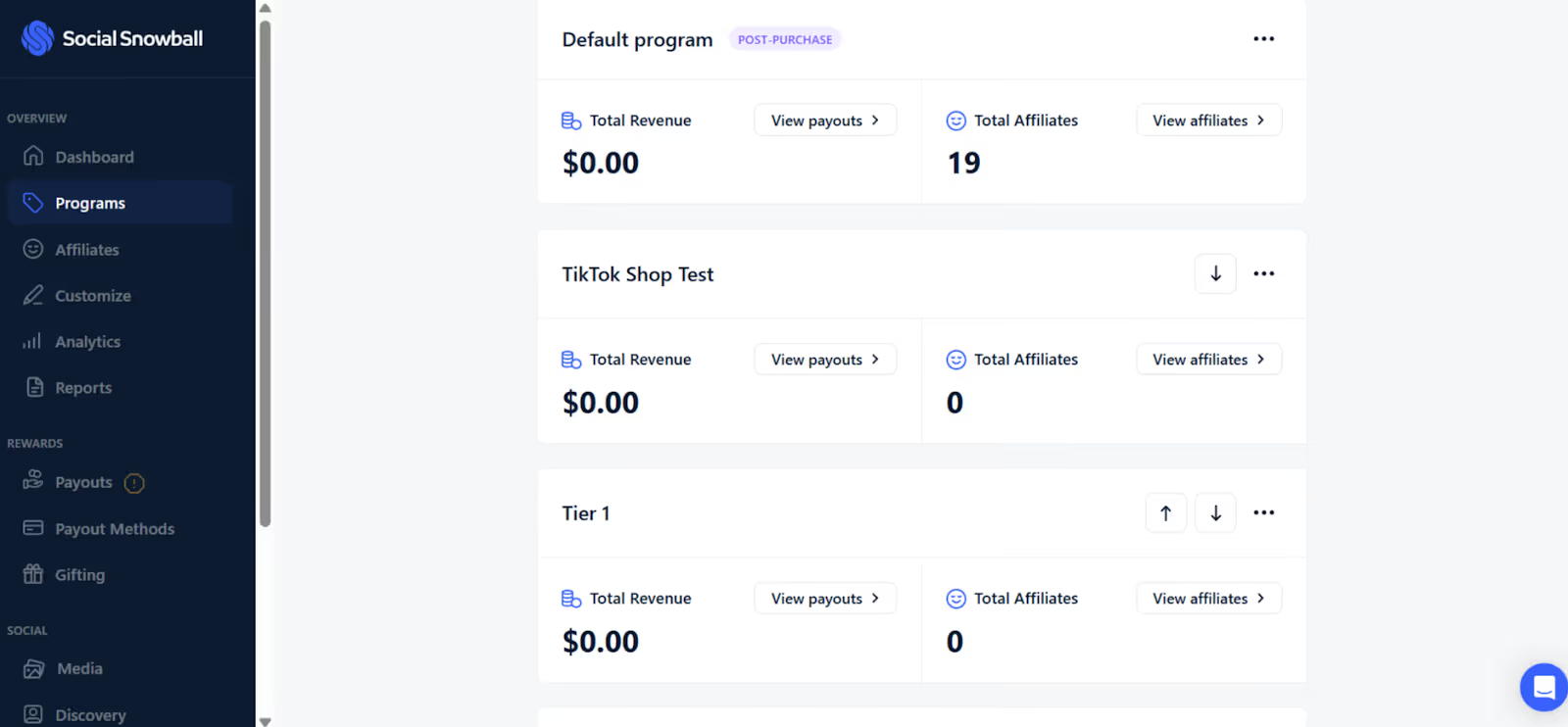
Social Snowball helps brands run these programs at scale. It automates referral tracking, assigns unique links to participants, and manages rewards so brands can turn loyal customers into consistent growth channels.
5. Reward loyalty with structured incentives
Structured incentives give customers a reason to stay engaged with your brand after the first purchase. When customers see consistent recognition for their participation, they are more likely to return, recommend the brand, and continue interacting with it.
These programs support repeat purchases, strengthen customer loyalty, and increase customer lifetime value as customers stay active with the brand over time.
Many ecommerce brands run loyalty programs through platforms like Smile.io, Yotpo Loyalty, or LoyaltyLion, which automate reward tracking and program management.
Some common structures to design a loyalty program are:
- Points earned from purchases or referrals
- Tier-based rewards that unlock additional perks for repeat buyers
- Exclusive benefits for long-term customers, such as early access or special offers
6. Create content that educates or entertains
Content can deliver value long before a customer reaches the checkout page. When your brand consistently shares useful or engaging material, you stay visible in customers’ daily lives and help them understand how the product fits into their routines.
Many DTC brands use content marketing to build trust and continuously engage with customers. A few common educational content formats are:
- Product tutorials or routines that show how customers use the product in real situations.

- Founder stories or behind-the-scenes content that give customers insight into the brand.

- Lifestyle or problem-solving content related to the product category.
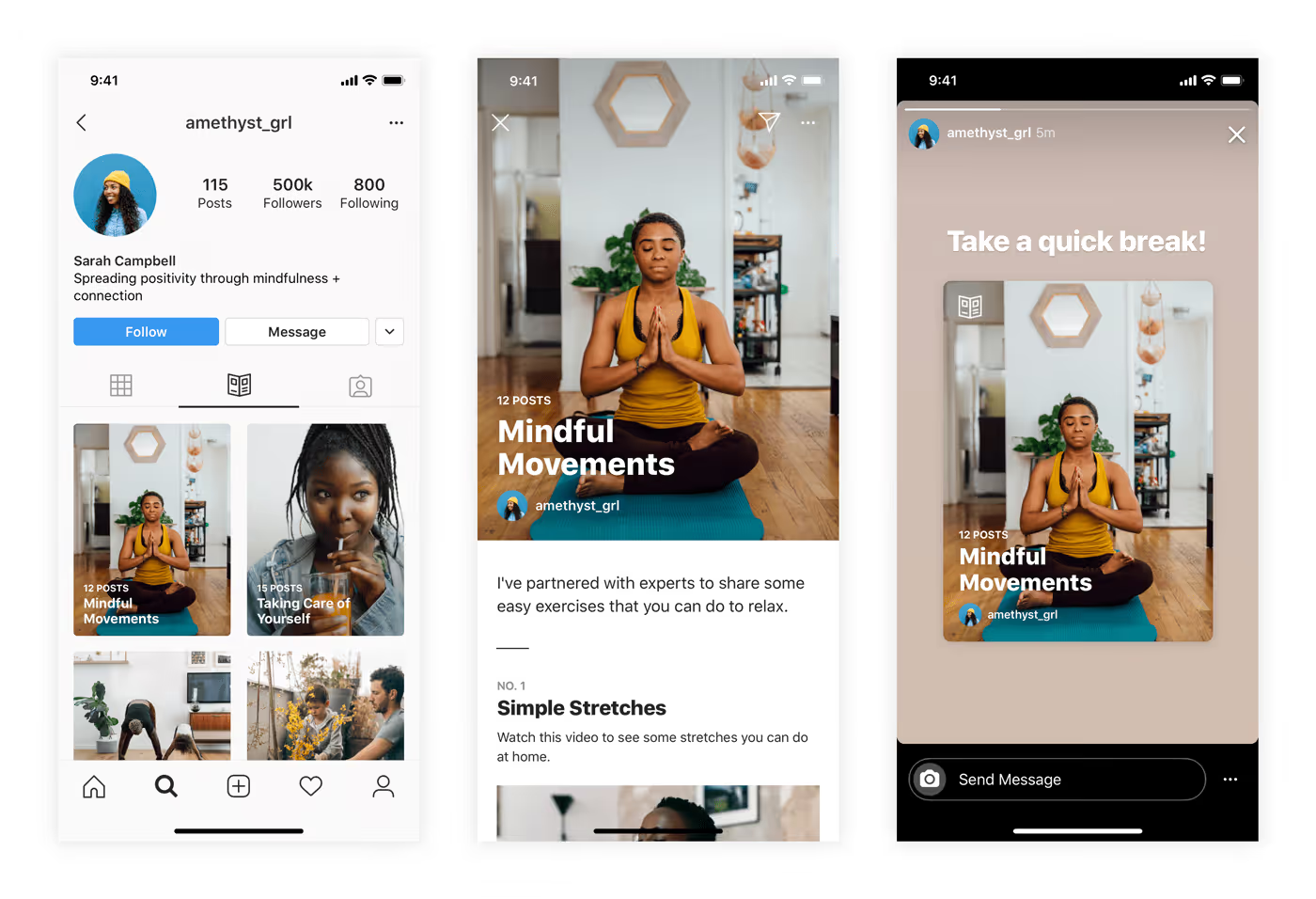
Helpful content builds familiarity with the brand and often becomes the first touchpoint that brings potential customers into the buying journey.
7. Deliver exceptional customer service
Customer service plays an important role in reciprocity marketing because every support interaction shapes the customer’s experience with the brand.
Thoughtful service interactions leave a lasting impression and contribute to stronger customer loyalty. Customers who feel supported are more likely to return for repeat purchases and recommend the brand to others.
Strong service experiences usually involve:
- Fast, thoughtful responses to customer questions or concerns
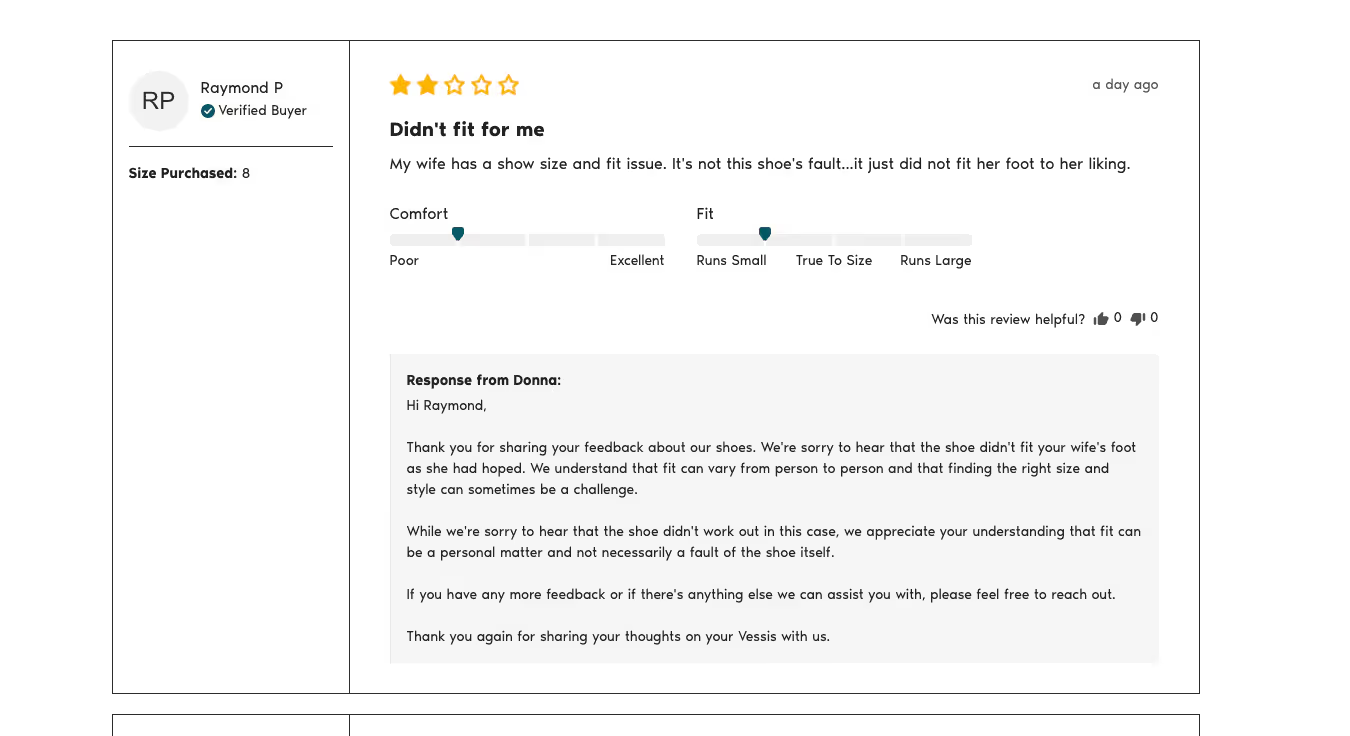
- Easy returns or replacements when something goes wrong
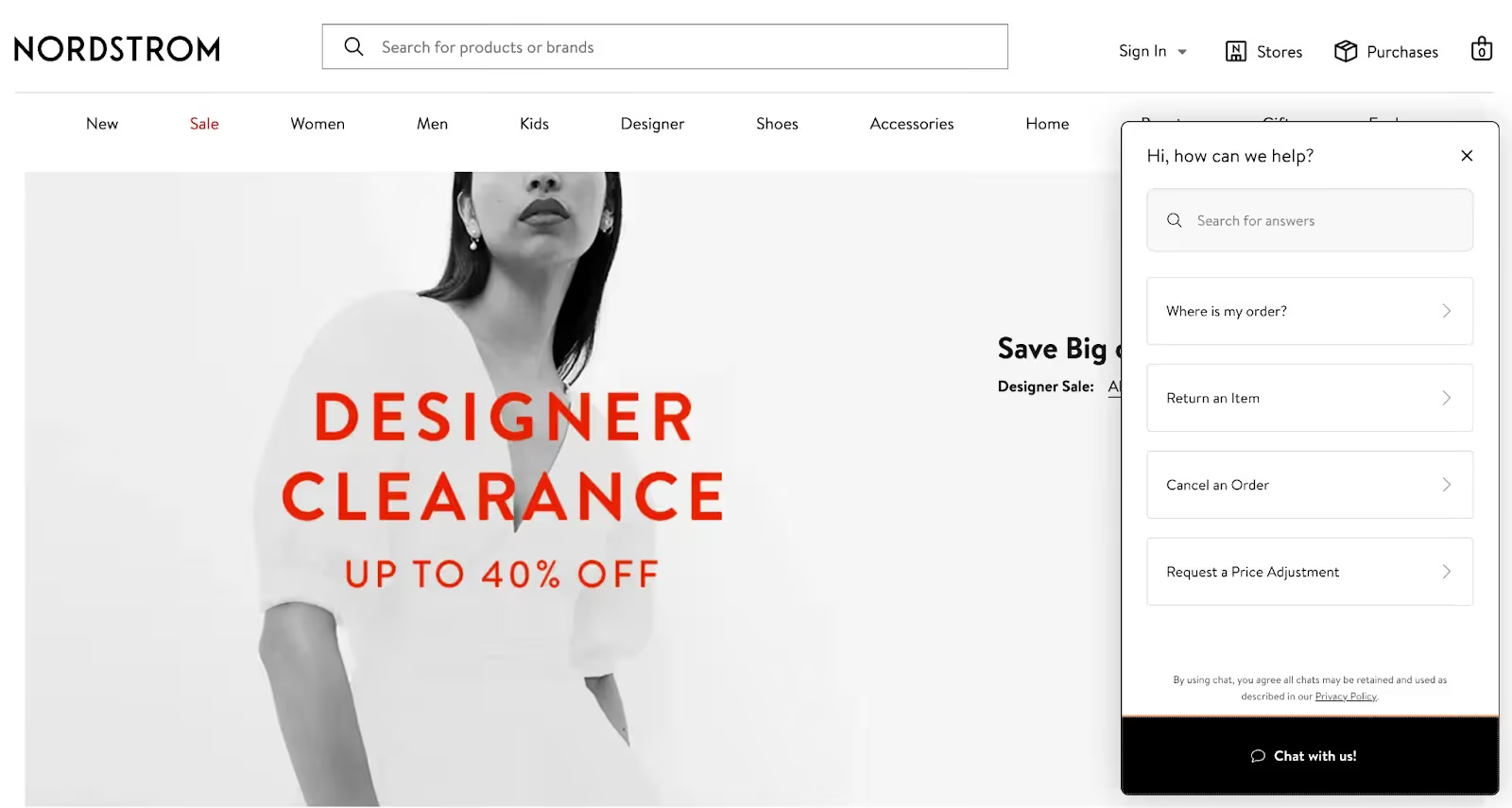
- Proactive communication that keeps customers informed about their orders
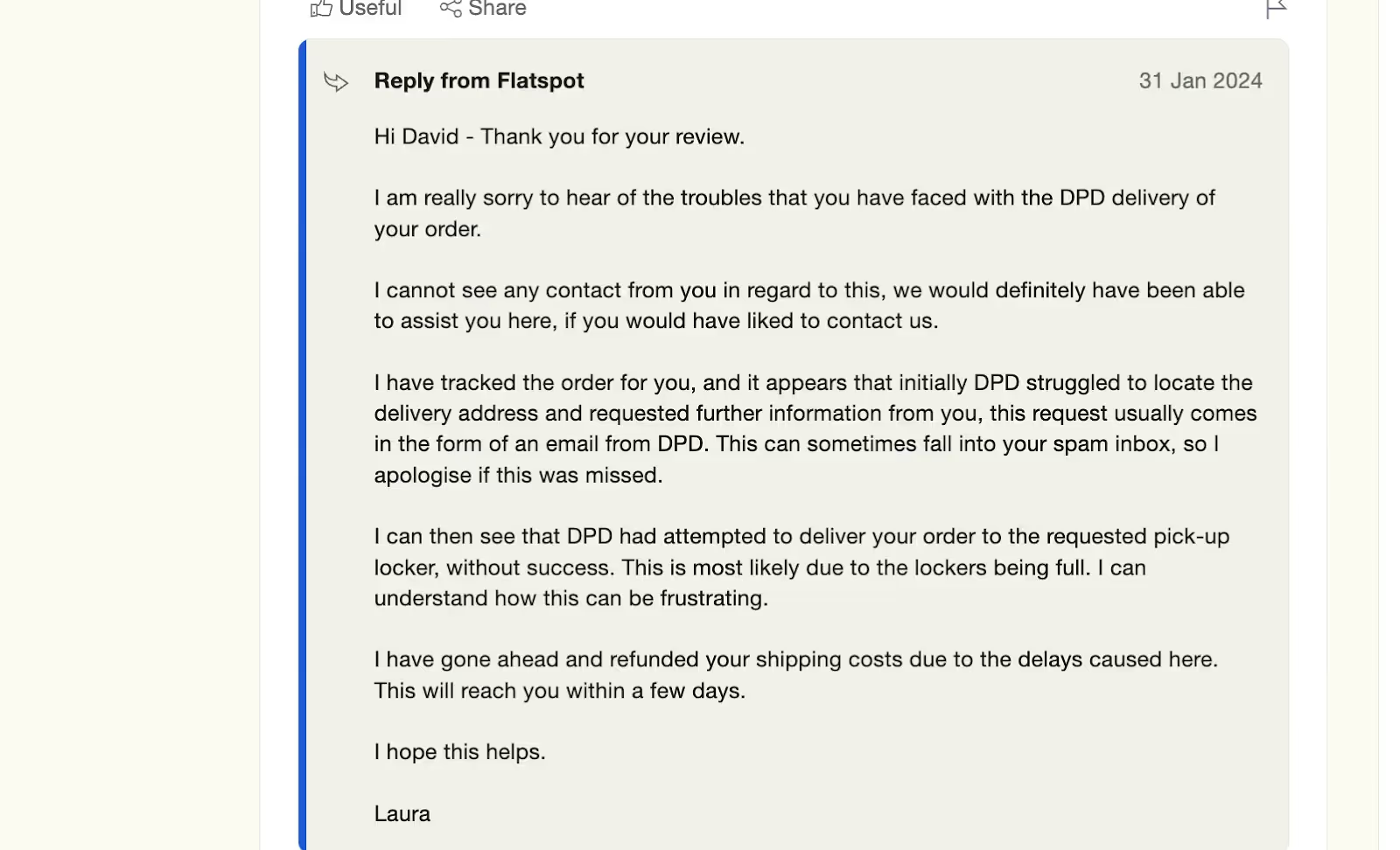
- Small gestures, such as handwritten notes or surprise upgrades

These interactions create positive experiences that strengthen customer relationships over time.
8. Create communities that reward participation
Community-driven brands often build reciprocity by giving customers a place to interact with the brand and with each other. These spaces allow customers to share experiences, exchange advice, and participate in the brand’s growth.
When customers feel involved in the community, they often develop stronger brand loyalty and advocate for the brand publicly.
A few ways of creating an engaged customer community are:
- Private Discord or Slack groups where customers discuss products and share tips.
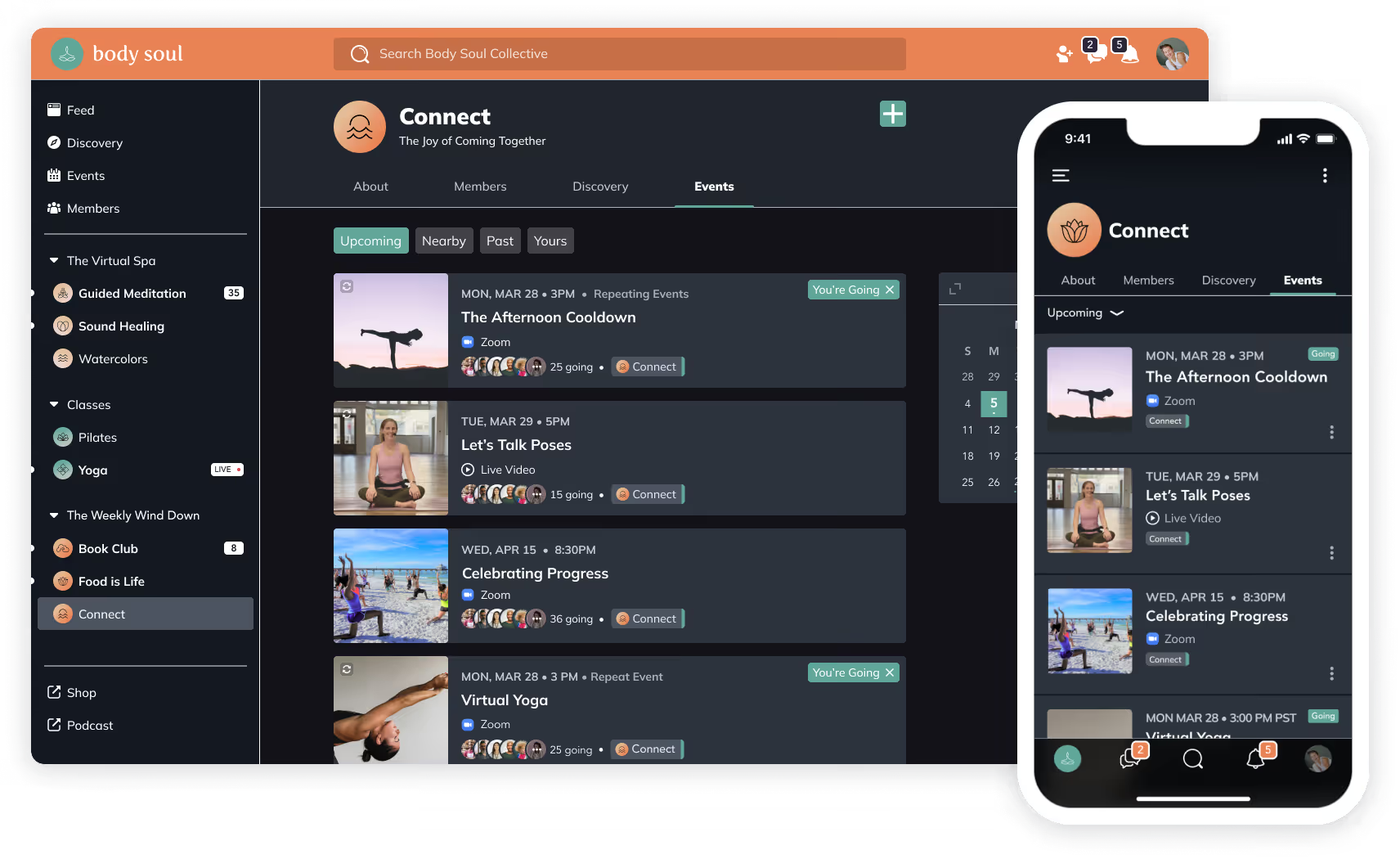
- Creator communities where influencers and customers collaborate with the brand.
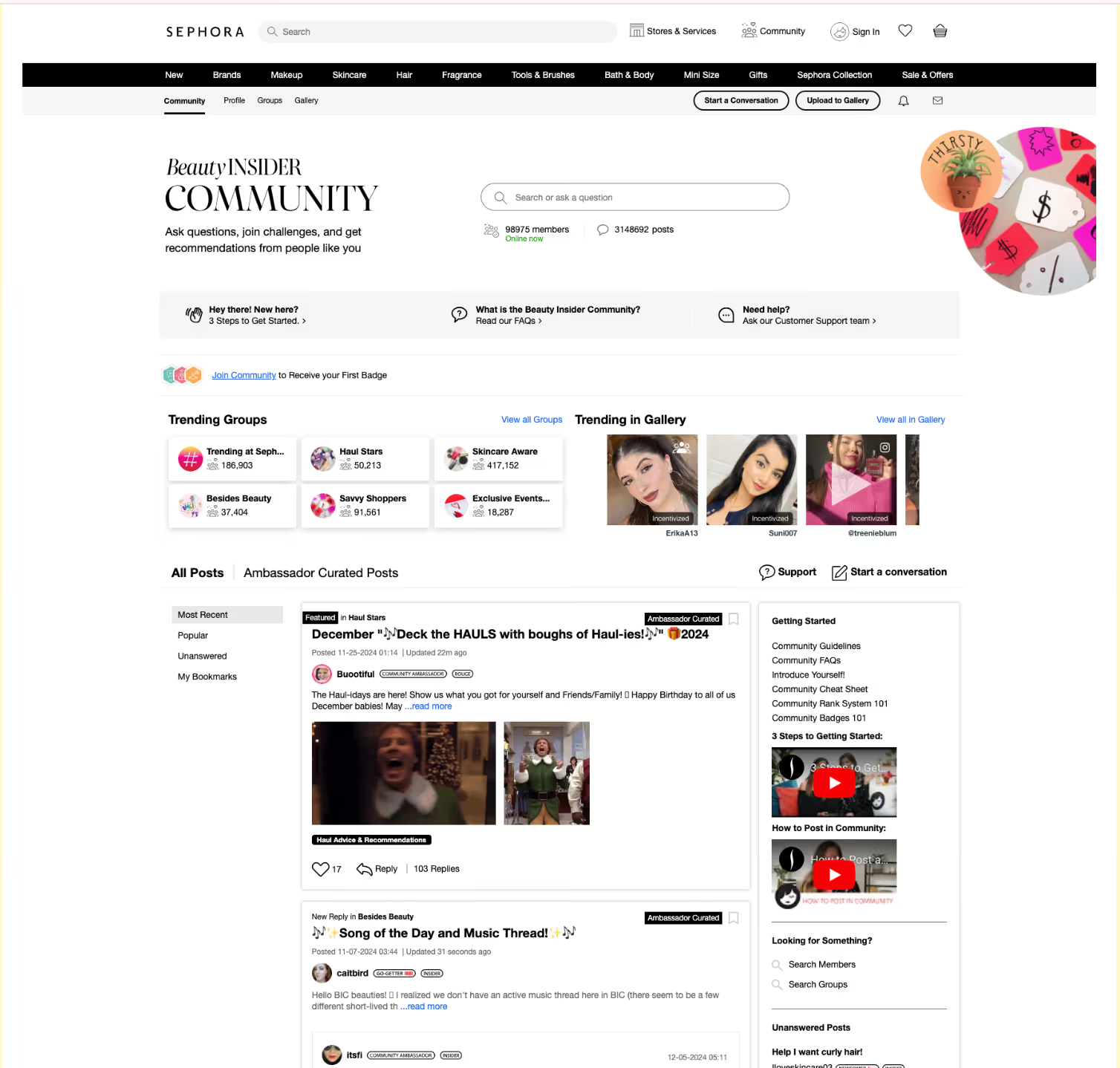
- Customer ambassador programs that reward active members for promoting the brand.
Common mistakes in reciprocity marketing
Reciprocity marketing works when the value you give customers feels useful, thoughtful, and connected to the relationship you’re building. When the strategy becomes too transactional, the effect weakens and customers treat the interaction like a short-term promotion.
Here are some common mistakes brands make when leveraging reciprocity in their marketing strategy.
Treating rewards as the primary motivator
If the interaction revolves only around rewards or incentives, customers engage for the perk rather than the brand itself.
Strong reciprocity comes from experiences that create real value (helpful content, thoughtful customer service, or a community) where customers feel involved. These signals make people want to stay connected and support the brand over time, rather than participate only when a reward is offered.
Offering only discounts instead of meaningful value
Discounts can drive quick purchases, but they rarely create lasting engagement. Value-first strategies work best when customers gain something that improves their experience with the product or the brand.
Educational resources, product samples, insider access, or community experiences give customers a reason to stay involved beyond a one-time promotion.
Giving value without clear next steps
Reciprocity has a positive impact when customers understand how to continue engaging with the brand after receiving the value.
For instance, a helpful guide can lead to a product recommendation. A free sample can include a follow-up offer for the full-size product. A community interaction can introduce members to upcoming product launches or loyalty programs.
Clear next steps help customers move naturally from engagement to purchase, turning value-first interactions into sustained growth.
Asking for referrals too early in the relationship
Referrals are more effective once customers have experienced the product and developed confidence in the brand. Early value interactions, such as helpful content, community participation, or a strong first product experience, build the trust that makes customers comfortable recommending the brand to others.
Referrals are more effective once customers have experienced the product and developed confidence in the brand.
Measuring the impact of your strategy
Reciprocity marketing strengthens customer relationships over time, so you need metrics that capture long-term consumer behavior, not just immediate sales. Tracking the right indicators helps you understand whether the value you provide is translating into loyalty, engagement, and advocacy.
Focus on the following metrics:
- Repeat purchase rate: This metric shows how often customers return to buy again after their first order. If your reciprocity marketing efforts, such as helpful content, community engagement, or thoughtful post-purchase experiences, are working, you should see more customers coming back for additional purchases.
- Referral participation: Referral participation measures how many customers actively recommend your brand through referral programs or affiliate links. A higher participation rate indicates that customers feel confident introducing the brand to friends and their networks.
- Customer lifetime value (LTV): Customer lifetime value measures the total revenue a customer generates over the entire relationship with your brand. Value-first interactions often lead to long-term relationships, which increases the overall revenue each customer contributes.
- Engagement with value-driven initiatives: Monitor how customers interact with the value you provide. This can include content views, community activity, product tutorial engagement, or participation in loyalty programs. Consistent engagement signals that customers find your resources useful.
- Referral-to-conversion rate: This metric measures how often referred visitors become customers. When reciprocity-driven experiences build strong trust, recommendations from existing customers tend to convert at higher rates.
In 2026, consumers are choosing value-first brands
Customers stay loyal to brands that feel useful to their experience. Helpful resources, thoughtful service, and community interactions build familiarity with the brand before the customer decides to purchase. Over time, these value-first interactions lead to repeat purchases and organic recommendations.
Referral marketing strengthens this dynamic. Customers receive recognition or rewards for introducing the brand to others, while new buyers discover the product through trusted recommendations. This exchange reinforces the reciprocity loop and turns satisfied customers into advocates.
Platforms like Social Snowball help ecommerce brands turn this behavior into a scalable system. The platform automates referral and affiliate programs by assigning unique tracking links, managing rewards, and connecting referrals directly to revenue. Instead of manually managing recommendations, brands can create a structured program where customers, creators, and affiliates actively participate in growth.

.png)