Word of mouth has always been one of the most effective growth channels available to brands.
In ecommerce, companies invest heavily in creators, ambassadors, affiliates, and referral programs because people trust recommendations from other people far more than traditional brand messaging.
The same dynamic exists inside organizations.
Employees often have the potential to become a company's most credible advocates, but many employee advocacy programs struggle to gain traction.
Why?
According to creator economy expert Lia Haberman, most brands are approaching employee advocacy the wrong way.
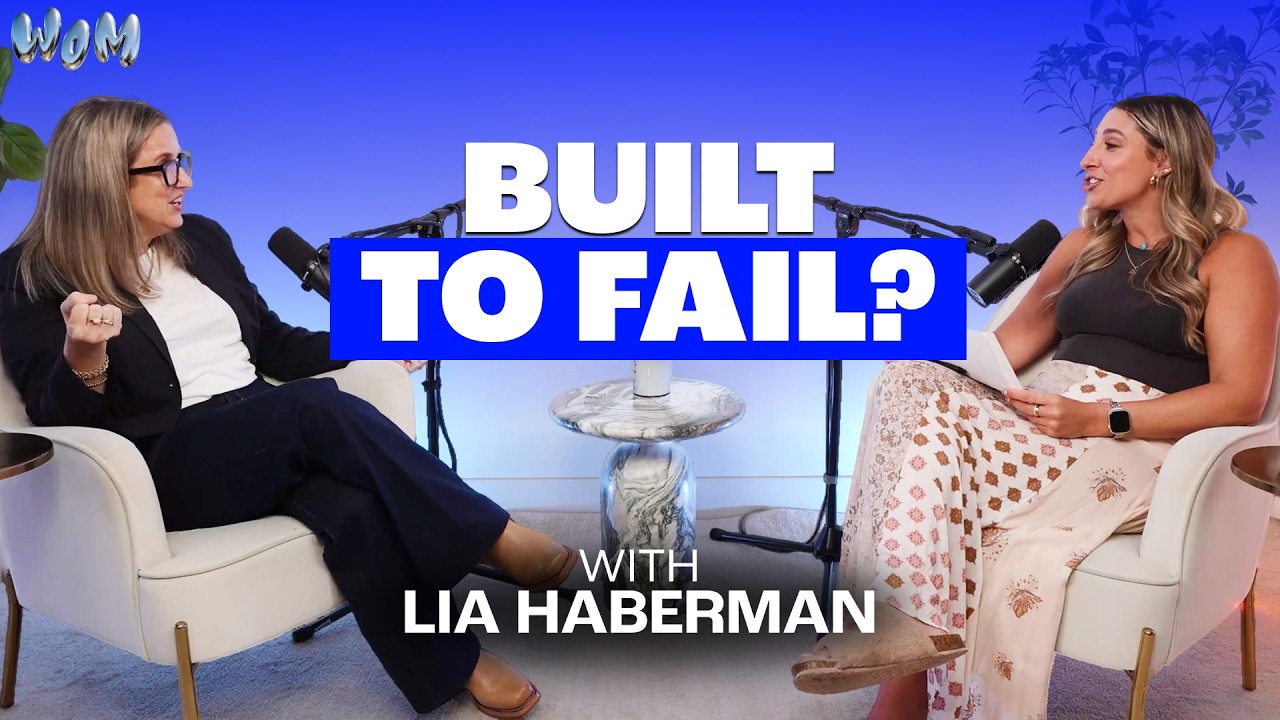
In an episode of the Word of Mouth podcast by us @Social Snowball, our host Robyn Nissim sat down with Lia Haberman to discuss why employee advocacy programs fail, how brands should think about employee-generated content, the rise of corporate creators, and what employees actually need before they'll advocate for a company online.
Haberman advises companies like Google and Robert Half on social media strategy and employee advocacy. She also publishes a newsletter read by more than 50,000 marketers, creators, and business leaders.
Let’s dive in.
1. Why are brands still getting employee advocacy wrong?
I recently saw a study that found the number one thing people want from brands is human-generated content. There's definitely a disconnect there.
I've been working with a lot of companies on employee advocacy programs, and one thing I've noticed is that these initiatives are often run by HR or communications teams. Their primary responsibility isn't marketing the brand or understanding how content performs on social media.
[Video to add - https://youtube.com/shorts/eaCM8UCqK0k?si=k3DHoSatc36O3u9H]
They're thinking about legal liability, reputational liability, and compliance. They're not necessarily thinking about whether people want to share something, how audiences engage with content, or what actually performs on LinkedIn.
That's where I see a lot of programs struggle.
The people managing these programs aren't always the same people who live and breathe social media every day. That's why the most successful employee advocacy programs tend to be cross-functional. You need HR involved. You need legal involved. But you also need marketing and social teams helping shape the strategy.
2. What's the first thing companies should focus on before launching an employee advocacy program?
The number one thing is creating a culture that people feel proud of and want to share.
Most employees aren't getting paid to post on LinkedIn. They're not being compensated to spend their free time creating content on behalf of their company. So if you're asking people to do that, they need to feel really good about what they're representing.
Employees need to feel seen, heard, and supported. They need to feel like they're contributing to something worthwhile.
Their reputations are on the line too.
If people don't genuinely feel good about the company they're working for, no amount of software or process is going to fix that. Once you've built that foundation, then you can start thinking about platforms, workflows, and tactics.
3. Why do so many employees feel uncomfortable posting online?
One of the statistics I often reference is that 41% of employees don't feel equipped to advocate for their company online.
My theory is that many of the people running employee advocacy programs aren't social media experts themselves. They may not know how to create short-form video. They may not understand hooks, storytelling, audience retention, or content strategy.
So we end up asking employees to do something without actually teaching them how.
That's why training is such an important part of any advocacy program.
The companies I'm working with are investing in workshops, social audits, one-on-one coaching sessions, and content training. We're talking about everything from lighting and video production to emotional resilience and overcoming the fear of posting.
Because the reality is that when you start posting online, it can feel like you're talking to crickets.
The hardest part is getting started and continuing long enough to build momentum.
One thing I teach my students at UCLA Extension is to focus on commenting before posting. Find conversations that matter to you and contribute thoughtfully. Don't leave comments like "great post" or "love this."
- Add value.
- Ask questions.
- Share perspectives.
- Challenge ideas respectfully.
LinkedIn rewards conversation, and thoughtful comments often lead to profile visits, connections, and opportunities long before someone starts creating their own content.
4. How should brands think about employees who already have an audience?
The best-case scenario is when you already have people inside your company who have built an audience online.
Maybe they're active on LinkedIn. Maybe they already have influence within a niche community. Maybe people already trust their opinions.
The mistake many companies make is treating those people as liabilities instead of assets.
If someone is already building credibility online, that's an opportunity.
- Support them.
- Give them resources.
- Provide training.
- Help them grow even further.
You're not trying to control them. You're trying to empower them.
One of the biggest mindset shifts I think companies need to make is recognizing that these people already have a platform, whether your company participates in that journey or not.
5. What can brands learn from examples like Staples Baddie and Mary the Siren?
I think those examples show how much the conversation has evolved.
When Miri the Siren was creating content while working at Chick-fil-A, the company didn't really know how to handle it. We saw something similar with a Sherwin-Williams employee who built a following talking about paint before eventually launching his own company.
Today, brands seem much more aware of the opportunity.
Look at Staples Baddie. The company has embraced her content rather than trying to shut it down.
That doesn't mean companies should give employees unlimited freedom without any guidance. But I do think brands need to evaluate people individually and ask whether they're helping the company, representing the brand well, and creating value.
If the answer is yes, then invest in them.
- Bring in experts.
- Offer training.
- Create support systems.
- Give them opportunities to grow.
The employees who have already built credibility online are often the least likely people to damage their reputation or the company's reputation because they understand what's at stake.
6. Should employee advocates be compensated?
Absolutely, I'm always going to advocate for compensating people for their work.
That compensation doesn't always need to be financial. It could be additional training, mentorship, access to conferences, visibility, career opportunities, or other meaningful benefits.
But companies need to remember something important: If this is a volunteer initiative, you get what you pay for.
Once someone becomes a recognizable face of your brand and starts creating measurable value, there should be some form of recognition or reward attached to that effort.
At the end of the day, people are investing their time, their expertise, and often their personal brand into helping your company succeed.
That has value.
7. If a VP of Marketing wanted to launch a program tomorrow, what are the first three steps?
First, create a culture that people actually want to share.
I see a lot of companies build employee advocacy programs without ever checking whether employees want to participate or feel comfortable participating.
Second, figure out the platform and infrastructure you're going to use. There needs to be a system that supports the program.
Third, invest in training.
If 41% of employees don't feel equipped to advocate online, then training isn't optional. It's essential.
Give people resources. Share social media best practices. Bring in experts if you don't have that expertise internally. Help employees feel confident before asking them to create content.
One additional thing I'd add is accountability.
I spoke with someone who built an employee advocacy program using a Slack channel. Every week, there were check-ins, content ideas, encouragement, and opportunities for employees to share what they had posted.
That sense of community matters. People are far more likely to participate when they see their peers participating too.
[Video to add here: https://youtube.com/shorts/plGAV5RM-MM?si=aMmD3yT44j-q5bvw]
8. What's the biggest mistake companies make in the first 90 days?
I know I've said this several times already, but it's still the biggest issue.
Companies don't provide enough incentive for employees. And when I say incentive, I don't necessarily mean money. There just needs to be a reason people want to participate.
Maybe it's personal branding support. Maybe it's professional development. Maybe it's social media training. Maybe it's increased visibility within the company.
But employees need to understand what's in it for them.
Too many programs are built around what the company wants without considering what employees get in return.
In my opinion, that's the fastest way to kill an advocacy program.
You can have the best process, the best technology, and the most organized plan in the world. But if employees aren't encouraged, incentivized, and trained to participate, it falls flat.
If they're not posting, the program dies.
9. How involved should legal and compliance teams be?
They absolutely need to be involved.
There are important questions around content ownership, usage rights, permissions, and redistribution that need to be addressed.
For example, if an employee creates content, can the company repost it? How long can they use it? Who owns it?
These are all legitimate questions.
One of the best resources inside many organizations is actually the influencer marketing team because they're already familiar with content rights, creator agreements, and usage terms.
A lot of the same principles apply here.
10. Do employee posts need approval before they go live?
No, in fact, I think that's one of the biggest mistakes companies make.
You really do not want to be prescriptive. The best-performing employee content is content that employees rewrite and personalize themselves.
If seventy people from the same company all post the exact same thing, you've defeated the entire purpose of employee advocacy.
What companies should provide are assets, guidelines, talking points, and context. Then employees should take ownership of the content and adapt it to their own voice and experiences.
That's what creates authenticity and performs.
11. What does great employee-generated content actually look like?
Even for something like a product launch, I would still encourage personalization.
Provide photos, videos, suggested messaging, but let people tell their own story.
Maybe an engineer shares what it took to build the product, a designer talks about the challenges they solved, or a sales representative shares customer feedback they've heard leading up to launch.
The more personal the story becomes, the more interesting the content becomes.
People connect with experiences, not corporate copy.
12. Is LinkedIn still the biggest opportunity for employee-generated content?
Absolutely, I think LinkedIn is still one of the most overlooked platforms, especially for B2C brands. There are entire categories of people spending time there that many brands simply aren't speaking to.
What's interesting is that work-adjacent content performs extremely well.
It doesn't always have to be directly about your product. It can be about conference experiences, career growth, professional challenges, workplace culture, or industry trends.
Those conversations create connection, and connection creates opportunity.
13. How do personal brands create opportunities?
One of my favorite examples is a partnership I did with The RealReal.
For years, I'd been talking online about what people wear to conferences, what they pack, and how they present themselves professionally. It wasn't a strategy designed to get a partnership. It was something I genuinely found interesting.
Eventually, that consistent conversation led to an opportunity with a brand that saw an authentic connection.
That's one of the biggest lessons I share with people.
Pick a few things that genuinely matter to you and keep showing up around those topics. You don't need to share every aspect of your life online. You need a few consistent themes that people come to associate with you.
That's how opportunities find you.
14. What happens when employees become creators outside of work?
We're seeing more of this every year.
Five years ago, it was difficult to find employees with traditional jobs who were also creating content and doing brand partnerships.
Today, it's incredibly common.
You'll find people at Google, Amazon, Meta, and countless other companies building audiences and working with brands outside of their day jobs.
As long as there isn't a conflict of interest, I think most companies are becoming much more comfortable with it.
Where things become problematic is when employees start promoting direct competitors. That's where expectations, guidelines, and conversations become important.
15. What responsibility do brands have when employees become more visible online?
Visibility comes with challenges.
The internet can be an incredible place, but it can also be a difficult place. I've seen examples of marketers receiving harassment, threats, and intense criticism for decisions that weren't even theirs to make.
Companies need to recognize that reality.
For executives and public-facing leaders, there should be support systems in place. That can include security resources, mental health resources, coaching, and guidance.
More broadly, companies should create environments where employees feel safe discussing these challenges and setting boundaries when needed.
16. How should brands handle difficult conversations around social media?
I think a lot of problems come from avoiding difficult conversations.
Employees can't meet expectations they don't understand.
Just like managers should provide feedback about someone's performance at work, they should also be willing to discuss how employees represent the company online.
That doesn't mean telling people exactly what to post. It means having open conversations about expectations, company values, best practices, and boundaries.
When people understand what's expected of them, everyone benefits.
17. What happens when an employee advocate leaves?
I get this question all the time. Companies worry that they'll invest in someone, help them build an audience, and then watch them leave.
I think that's the wrong way to think about it.
I always compare employee advocacy programs to television networks. People leave shows. New people join shows. The show continues.
That's why I always say: "Always be casting."
You should constantly be looking for new voices inside the organization, helping people grow, and identifying future advocates. Nobody stays at a company forever.
The goal isn't to build a program around one person. The goal is to build a system that continuously develops new advocates.
[Video to be added: https://youtube.com/shorts/Lhk6QJ8FoM8?si=X3j8nRTkhhxPy4mM]
18. What's one principle you try to live by?
Years ago, I was interviewing for a role, and someone told me they look for people who are nice, smart, and get things done.
That idea stuck with me. I think about it all the time.
Nice. Smart. Get things done.
That's who I try to be. It's also who I enjoy working with. I want to work with people who are kind, capable, motivated, and willing to put in the effort.
That philosophy has stayed with me throughout my career.
Key takeaways for building employee advocacy
Haberman came back to the same idea repeatedly throughout the conversation: employee advocacy works best when people feel supported, equipped, and genuinely excited to participate.
Here are the biggest takeaways:
- Create a culture people actually want to share: If employees do not feel good about the company, no software or process will fix participation.
- Make employee advocacy cross-functional: HR, legal, and marketing all need to be involved because employee advocacy sits between culture, compliance, and content.
- Train people before expecting them to post: Many employees don’t feel equipped to advocate online. Training around content, LinkedIn, video, storytelling, and confidence matters.
- Focus on commenting before posting: Haberman recommends helping employees join conversations first by leaving thoughtful comments and contributing ideas.
- Support employees who already have an audience: If someone is already building credibility online, treat them as an opportunity instead of a liability.
- Provide guidance, not scripts: The best employee content is rewritten and personalized. Give employees assets, talking points, and context, but let them adapt it themselves.
- Personal stories perform better than company messaging: Product launches, workplace experiences, career lessons, and behind-the-scenes moments tend to feel more authentic and interesting.
- Give people a reason to participate: Compensation does not always need to be financial, but there should be something meaningful in return, whether that is visibility, training, mentorship, or career opportunities.
- Create accountability and community: Haberman shared examples of companies using Slack groups, check-ins, and peer encouragement to keep momentum going.
- Involve legal, but do not over-control: Brands need clear expectations around permissions and usage rights without creating approval-heavy processes that kill authenticity.
- Recognize that visibility comes with challenges: Employees becoming more public may need support around boundaries, criticism, and online visibility.
- Always be casting: Employees will eventually leave. Strong programs continuously identify and support new voices instead of relying on one or two visible people.
Great advocacy programs create value for everyone
Employee advocacy is often framed as a content or branding initiative. But one of the clearest lessons from Haberman’s perspective is that it is really a trust system.
People advocate when they feel connected to what they are representing and when participation feels personally valuable to them.
That idea extends far beyond employees.
The strongest advocacy programs do not rely on pressure or scripts. They make participation feel natural, valuable, and worth sharing.
For ecommerce brands, that matters more than ever. Customers trust people more than polished brand messaging, which is why sustainable advocacy drives stronger word-of-mouth growth.
.png)