Affiliate and influencer programs sound simple until you try to scale them.
For many DTC brands, the reality looks like this: manual payouts, coupon code leaks, messy attribution, and a small team spending hours every week just keeping the program running. That friction gets even worse when you sell a complex product that needs education before conversion.
Sleep.me faced all of this while relaunching their business after a major outage.
Instead of rebuilding their affiliate program the old way, they redesigned it around automation, tighter controls, and clearer structure, turning affiliates into a reliable growth channel.
Here’s what that approach delivered:
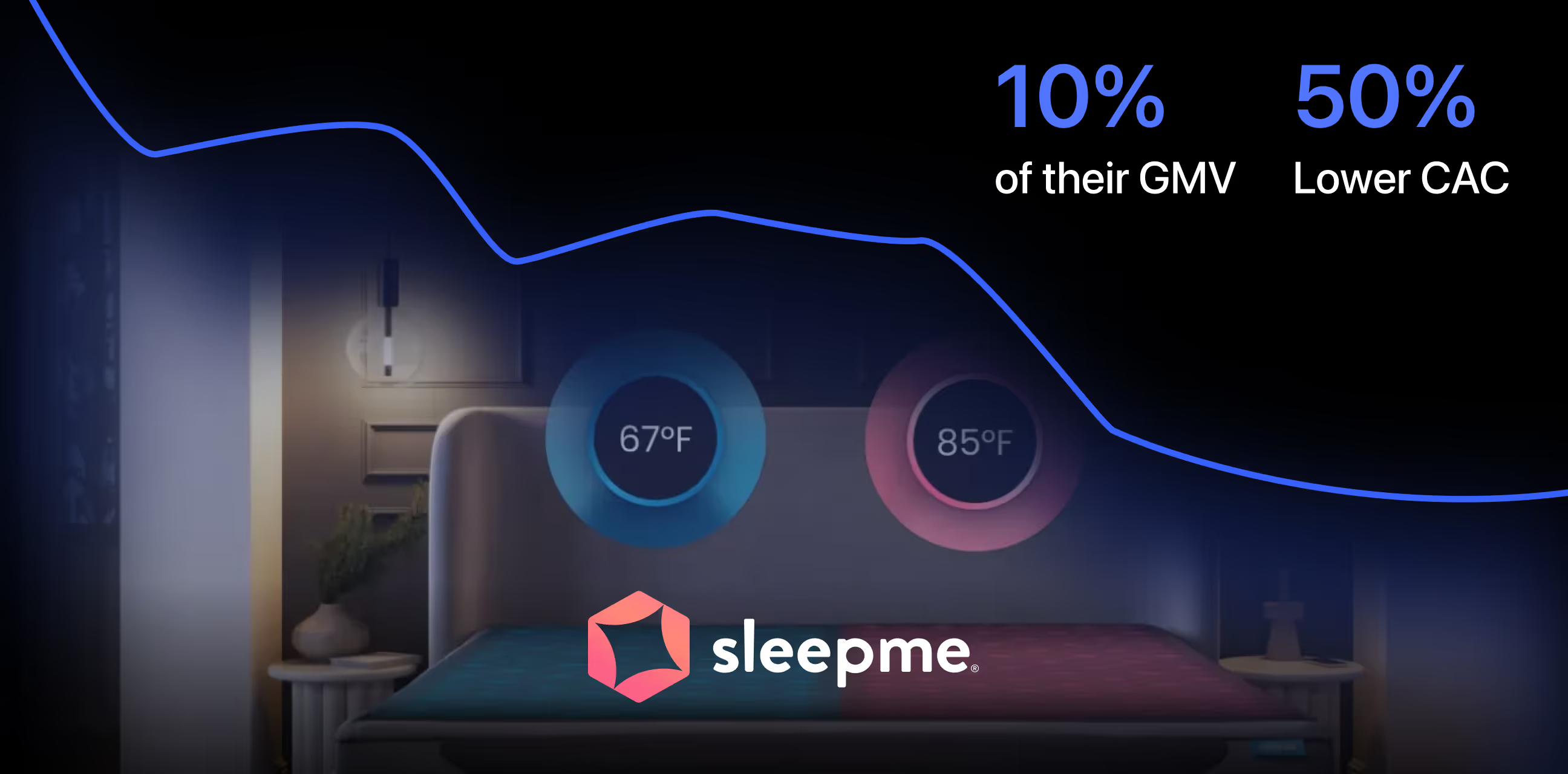
- 10%+ of GMV driven by affiliates and referrals.
- 50% lower CAC compared to paid ads.
- Hours saved every week by removing manual admin.
“When we re-launched our affiliate program, we needed a partner that felt like an extension of our team. Social Snowball gave us that, with top-tier support, driving 10% of our GMV and cutting our CAC by 50%.”
Kate Schiemer, Director of Marketing at Chilipad by Sleep.me
About the brand
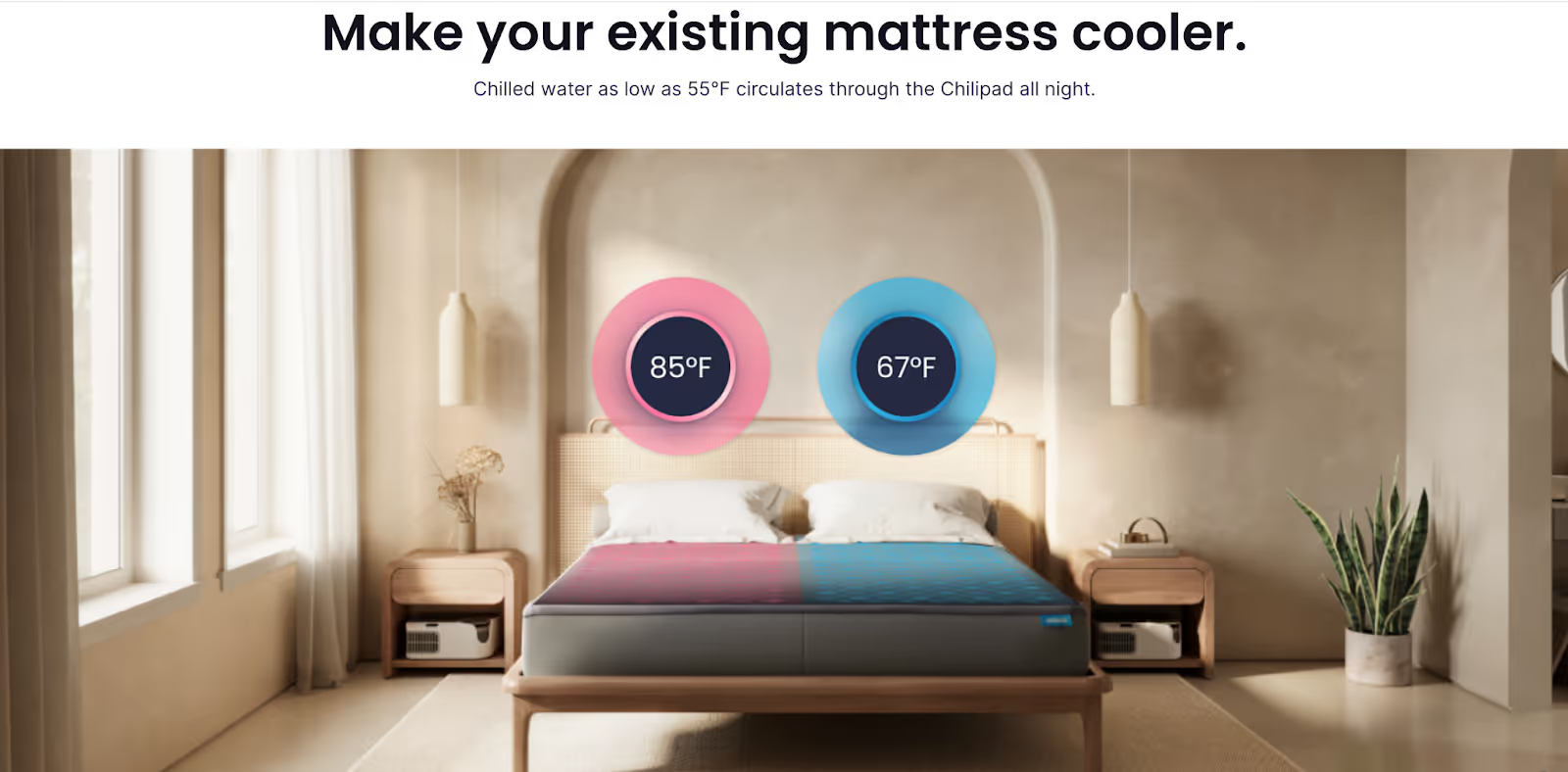
Sleep.me is a sleep technology brand best known for the Chilipad: a temperature-controlled sleep system designed to actively cool or warm your bed throughout the night.
Unlike traditional bedding products, Chilipad isn’t passive. It uses water-based temperature regulation to solve real sleep problems, which means customers need education before they buy.
Challenges: Rebuilding affiliates while selling a product that needs trust
Relaunching an affiliate program is hard on its own. Doing it while rebuilding a business and selling a product that needs education makes it even harder. Sleep.me faced three connected challenges that many DTC brands run into when they try to scale affiliates with a lean team.
Affiliate Operations Took Too Much Time To Manage
Sleep.me had run their affiliate program for years, but the tools they previously used required constant hands-on work.
Daily management meant dealing with:
- Slow setups and integrations
- Manual workflows for tracking and payouts
- Platforms that felt heavy for a lean team
"It took forever to integrate... we needed to find partners that felt like an extension of our team."
As the brand relaunched, time spent managing systems directly competed with time spent rebuilding demand. The affiliate program had to become lighter to operate before it could scale.
Discount control and attribution were hard to maintain
The program relied on static coupon codes for affiliate promotions.
Once those codes circulated beyond their original audience, Sleep.me lost clarity on where sales were coming from and how discounts were being applied. Margin protection became harder, and the team had to spend time reviewing performance manually.
As the business reset, the affiliate program needed tighter control without adding oversight work.
The product required explanation to convert
Chilipad is a technical product that customers rarely understand at first glance.
"We sell a product that’s confusing. It’s like, what the hell is this thing? Is it a mattress? Is it sheets? It’s a product that takes explanation."
Buyers needed context around:
- Why sleep temperature affects recovery and performance
- How active temperature control works throughout the night
- What makes the product different from cooling fabrics or passive solutions
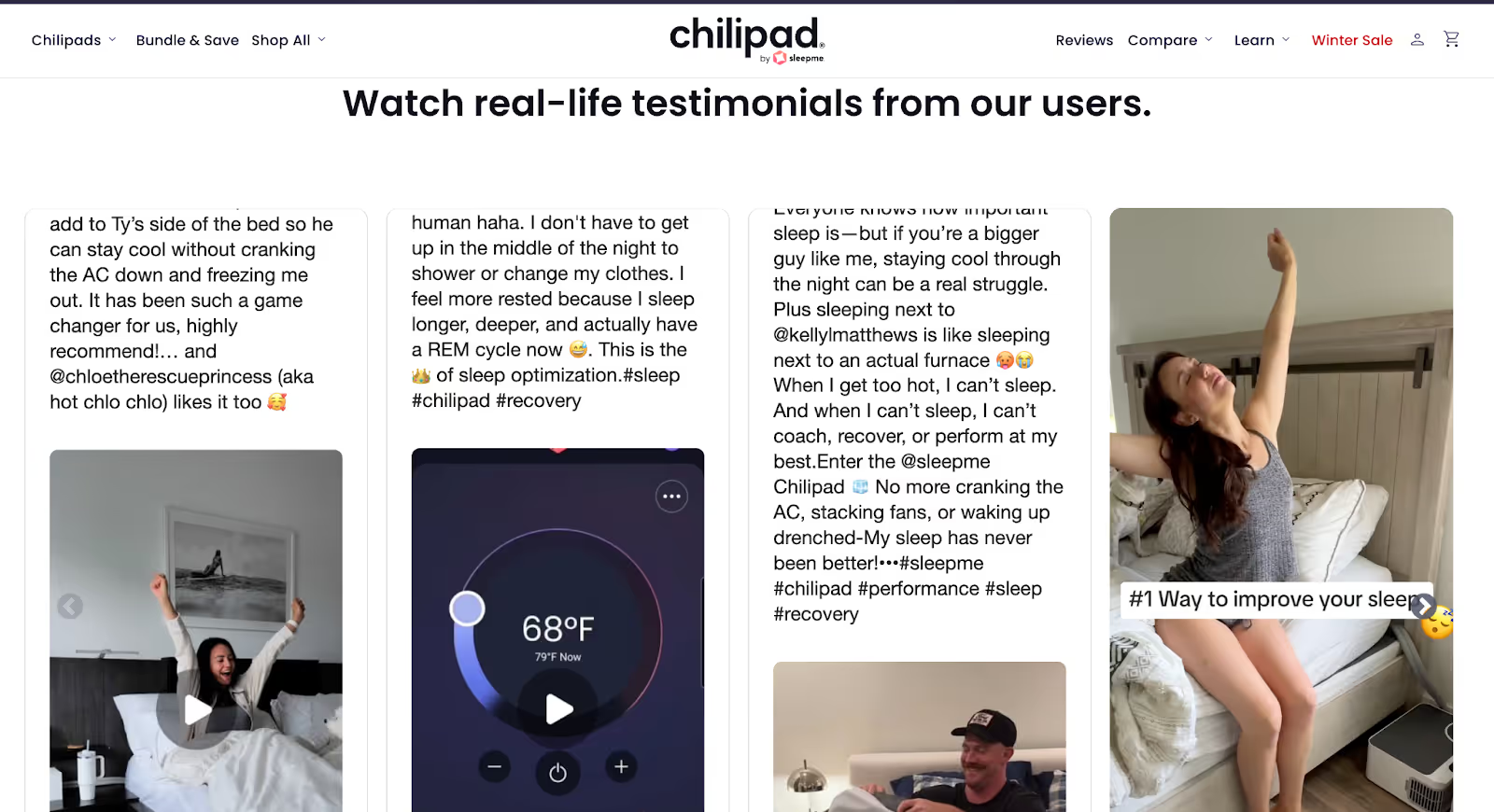
Affiliates played an important role in educating buyers. But that role only worked if the program provided clarity and structure, rather than creating friction.
Solution: Building an affiliate system that scales without manual work
Sleep.me rebuilt its affiliate program by focusing on execution first. Every decision was designed to reduce admin load, protect margins, and help affiliates sell a complex product with confidence.
Here’s how the system was put together.
1. Structuring affiliates around how they actually drive sales
You get better results when you stop treating all affiliates the same.
Sleep.me organized partners based on how they publish and distribute content. Some affiliates drive sales through newsletters. Others focus on social platforms. Many run podcasts, YouTube channels, and email lists at the same time.
By grouping affiliates around their real media mix, Sleep.me could:
- Set clear expectations for promotion
- Assign commission tiers that match effort and reach
- Review performance in a way that makes sense for each partner
Sleep.me anchored the program with a 6% base commission and introduced an 8% VIP tier for top performers. The rates stayed sustainable because the average order value supported meaningful payouts without inflating acquisition costs.
This structure gave affiliates clarity and gave the internal team a clean way to manage growth.

2. Protecting discounts with controlled, single-use links
Discount control was rebuilt from the ground up.
Instead of handing out reusable codes, Sleep.me shifted to trackable affiliate links that generate a single-use discount code at click. Every shopper receives a unique code tied to that session.
This approach solved three problems at once:
- Discounts stayed with the intended audience
- Attribution stayed clean
- Margins stayed protected without manual monitoring
Affiliates still promoted a strong offer, but the brand no longer had to manage code leaks or audit coupon sites.
"We used to deal with code leaks and manual payouts, which took up so much time. With Safelinks and Trolley, it’s been life-changing. We’re saving hours every week and can focus on strategy rather than chasing down payments or dealing with lost codes."
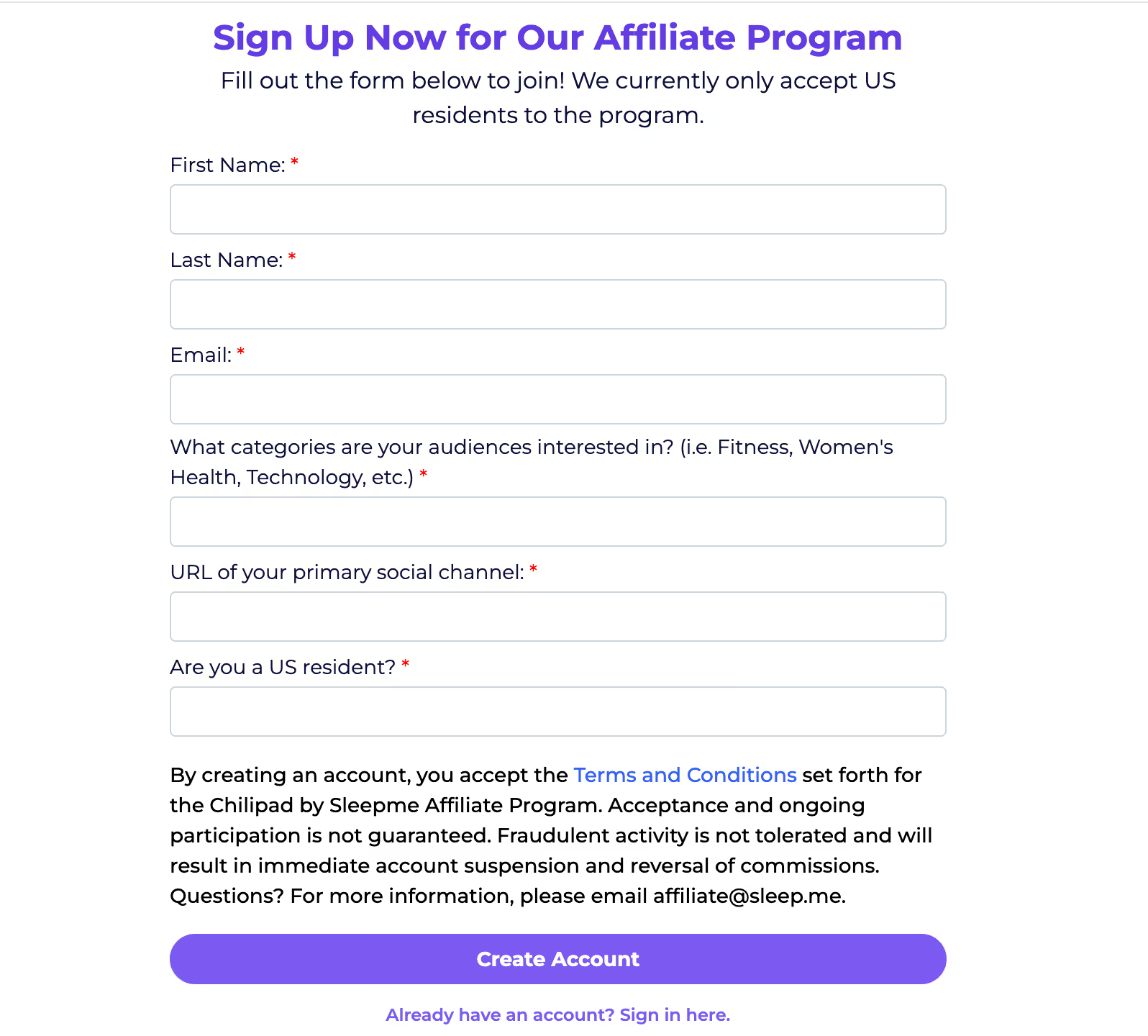
3. Automating affiliate communication through Klaviyo
With a small team, consistency matters more than volume. Sleep.me set up automated email flows in Klaviyo that handled the most common affiliate touchpoints— program onboarding, deal explanations, seasonal updates, and creative guidance
"We have dynamic flows in Klaviyo and send monthly campaigns where we share what's coming up, creative assets, and tips. It’s really about having open communication, answering their questions before they ask."
Affiliates also received monthly campaign emails that outlined what was coming up, what angles were working, and which assets to use.
This removed guesswork. Affiliates knew how to position the product and when to promote it. The team avoided one-off follow-ups and repetitive questions.
4. Cleaning up payouts and returns before scaling
Payouts are where affiliate programs quietly break.
Sleep.me automated payouts on a fixed schedule and aligned commission eligibility with their 30-night trial window. Commissions were paid only after the return period passed, with buffer time for shipping and setup.
This approach:
- Reduced payout disputes
- Reflected real revenue instead of projected revenue
- Removed the need for manual reconciliation every month
Affiliates understood the rules upfront. The brand gained predictable payouts that matched actual performance.
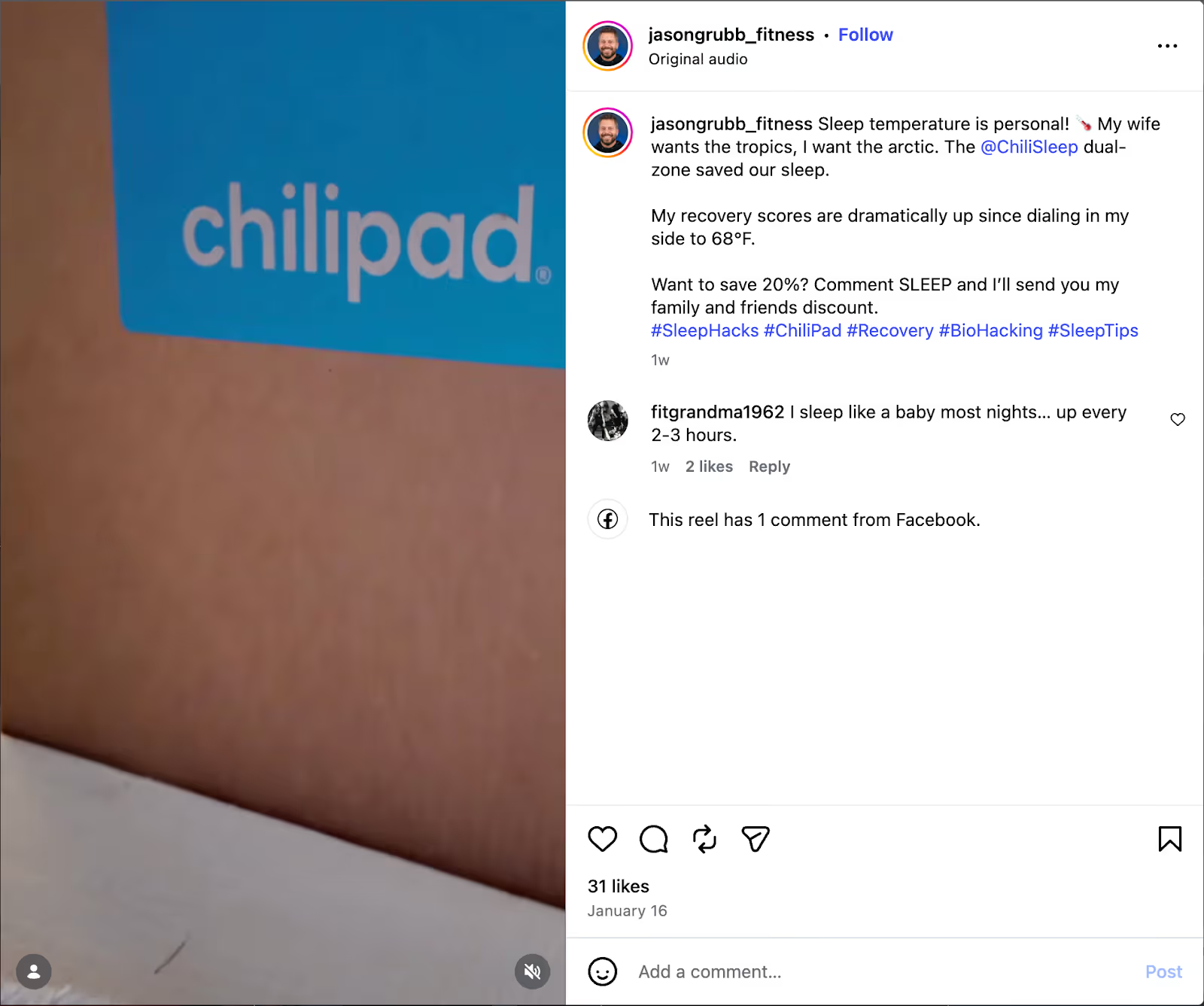
5. Equipping affiliates to explain the product clearly
Since the product requires education, enablement mattered more than volume. Sleep.me focused on giving affiliates what they needed to sell with confidence:
- A shared asset library
- Proven copy and positioning angles
- Early visibility into upcoming campaigns
"We provide assets, creative ideas, and updates on upcoming campaigns to keep affiliates engaged. We even share creative copy for things like ads we’re running, so they know how to position the product. It’s all about giving them what they need before they ask."
Affiliates were not expected to invent messaging on their own. They were supported with real context from paid campaigns and brand insights.
That support helped affiliates explain the product accurately and convert higher-intent buyers without relying on aggressive discounts.
Why this system worked
The program succeeded because it removed friction for both the brand and its affiliate partners.
Sleep.me reduced internal workload by automating payouts, communication, and attribution. Affiliates got clarity, trust, and tools that make promotion easier.
That balance turned affiliates into a dependable acquisition channel instead of a management burden.
Results: Driving 10% of GMV and a 50% lower CAC from affiliates
After relaunching its affiliate program, Sleep.me turned affiliates into a dependable acquisition channel that scaled without adding operational strain.
Here’s what the team achieved:
- 10%+ of total GMV now comes from affiliates and referrals
"Above 10% of GMV is coming from affiliates and referrals from our re-launched program."
- Affiliate CAC is roughly 50% lower than paid advertising
"Since re-launching our program, our CAC for this program is approximately half of what it was compared to paid ads."
- Hours saved every week by removing manual payouts, coupon monitoring, and admin work
With automated tracking, controlled discounts, and scheduled payouts in place, the program ran cleanly as volume increased. Affiliates drove educated, high-intent buyers, while the internal team focused on strategy instead of maintenance.
Sleep.me now runs a scalable affiliate program with reliable attribution, predictable costs, and systems that scale with the business.
Turn affiliates into a scalable growth channel
Sleep.me’s success came from rebuilding its affiliate program as a system. By automating payouts, tightening discount control, and standardising communication, affiliates became a reliable growth channel instead of an operational burden.