Most affiliate and referral programs recruit the wrong customers. That’s not because the offer is bad or the email didn't land, but because the recruitment process treats every customer like a potential advocate.
The results are predictable.
A few enthusiastic customers convert. Most ignore the email. A handful sign up but never share. And the ones who do share aren't always the ones you'd have picked.
There's a better way to build the roster, and it starts before the invite ever goes out.
Your post-purchase survey already tells you which customers are most likely to become effective advocates. It captures the language they use to describe your brand, the reasons they chose you, and the moments that turned them into believers. Read those responses closely, and your recruitment list starts to build itself.
Why your existing customers are your strongest advocate pool
The customers who already know your product are worth more than any cold audience you can reach. They've bought, used, and formed an opinion. If that opinion is positive, they're already telling friends and family, whether you've asked them to or not.
Zero-party data from post-purchase surveys makes that visible. Instead of guessing who might advocate, you're pulling from the customers who've told you directly that they will.
As privacy changes continue to shrink what paid channels can see, customer-led growth channels have become some of the most reliable ways to acquire new buyers.
The question isn't whether your customers are recommending you. Some of them already are. The question is whether you know who, and whether you've given them a way to do it more often.
The problem with recruiting advocates blind
Broad advocacy invitations produce broad results. When every customer gets the same email, the customers who reply are often the ones with the loudest voices, not the ones with the strongest reach or credibility. A one-time buyer who had a mediocre experience but likes free rewards will sign up. A repeat customer who tells everyone about your product but never opens marketing emails might not.
This is why post-purchase feedback matters for advocacy. The customers who describe your brand in specific, enthusiastic terms are demonstrating the exact behavior you want in a referral partner.
They're already selling your product to someone else in their own words. Reading those responses gives you a shortlist grounded in evidence, not enrollment forms.
This is the piece of the workflow most affiliate programs are missing. It's why the same brands keep recruiting the same customers who never convert, and why post-purchase feedback is worth building into your recruitment process from day one.
What post-purchase surveys reveal about advocacy readiness
A well-built post-purchase survey does more than tell you how a customer feels about your product. It captures how they think about it, how they'd describe it, and how likely they are to recommend it.
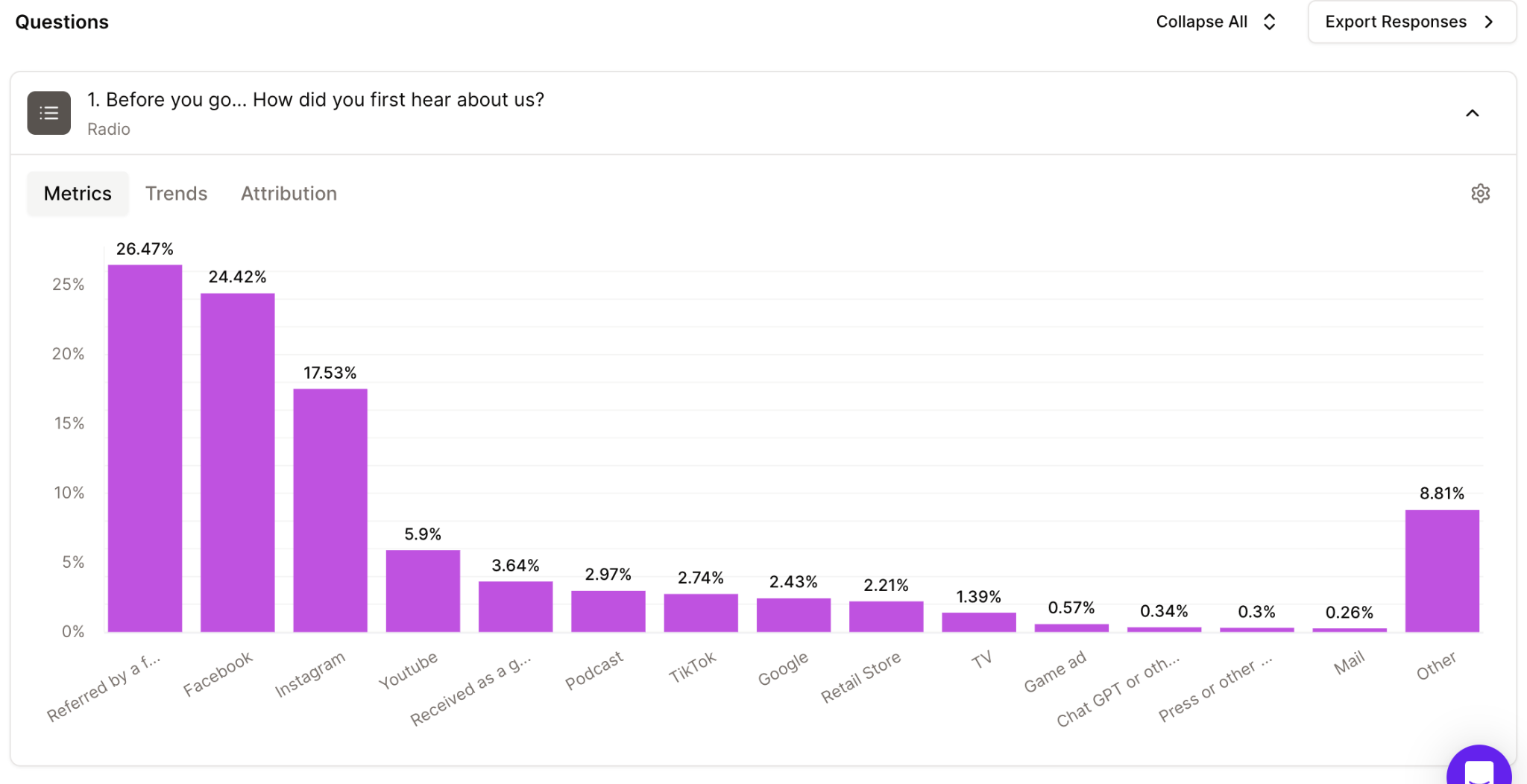
Three things to look for across your responses:
- Language patterns: Which words and phrases keep appearing? Customers who use vivid, personal language when describing your product tend to use that same language when recommending it. The words themselves become source material for referral messaging.
- Consistency of themes: When dozens of customers cite the same reason for buying (a specific benefit, a memorable moment, a quality that stood out), you've found a compelling story around your product. Advocates who share that story do the persuasion work for you.
- Depth of engagement: Customers who take the time to write thoughtful, detailed responses are showing you they care about the exchange. That level of engagement often predicts how willing they'll be to participate in a referral or affiliate program.
5 questions that surface your strongest advocates
The right questions do most of the work. These five, added to your existing post-purchase survey, will highlight the customers most likely to advocate.
1. How likely are you to recommend us to a friend?
The classic NPS question is still the fastest way to segment your customer base by advocacy potential. Customers who answer 9 or 10 are your promoters, and they're statistically more likely to recommend your brand than any other segment.
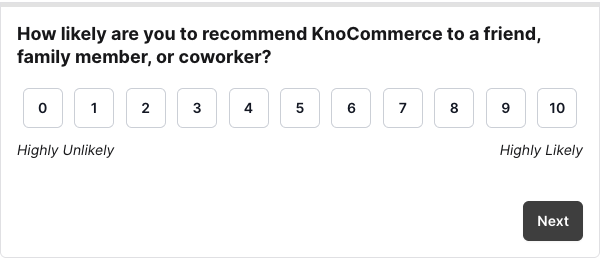
Score alone isn't enough. Pair it with a follow-up asking why. The reasons behind a 9 or 10 are what tell you which advocates will be effective and which will just be enthusiastic.
2. What would you tell a friend about this product?
This one gives you two things at once: a shortlist of customers who can articulate your value clearly, and a bank of customer language you can use in referral messaging, affiliate landing pages, and creator briefs.
Customers who write a paragraph here have internalized your product's value. Customers who write one word aren't necessarily poor advocates, but they'll need more coaching if you want them to share effectively.
3. What almost stopped you from buying?
Advocates aren't only customers who love your product. They're customers who overcame their own doubts to buy it. When they share your product with a friend, they're often addressing the same objections they had themselves.
Reading these responses tells you which advocates are best positioned to speak to which audiences. A customer who was skeptical about price and bought anyway is your ideal advocate for other price-sensitive prospects.
4. Have you already recommended us to someone?
This is the closest thing to a self-identifying advocate. Customers who answer yes are telling you they're already doing the work without any reward. They're the easiest recruits for a referral or affiliate program because you're not asking them to change their behavior. You're asking them to formalize it.
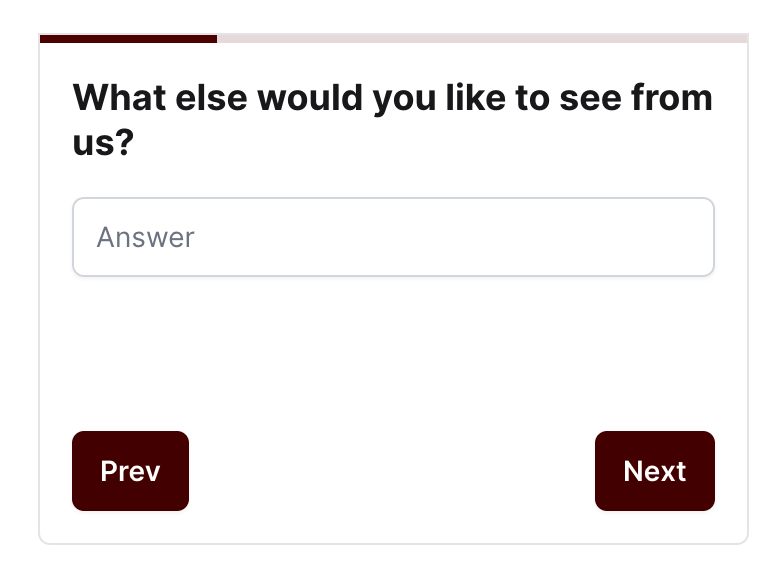
5. What made this purchase stand out?
The answers here reveal the moments customers remember. Those moments are what they share when they talk about your brand later. If the same detail keeps coming up (packaging, unboxing, a specific product feature, the way a support ticket got resolved), you've found the story your brand is already telling.
These customers don't just recommend the product. They describe an experience worth having, which is exactly the kind of story that offers value in user-generated content and creator partnerships.
Turning survey responses into a recruitment list
Once responses start coming in, the work shifts from asking to organizing. A good advocate list has three things in common: the customers on it have expressed intent to recommend, they've bought recently enough that the experience is still fresh, and they've engaged deeply enough to speak about your brand credibly.
A simple way to structure the list:
- Tier 1: Ready to recruit. NPS 9 or 10, thoughtful open-response answers, and a recent purchase. These are your first invitations.
- Tier 2: Nurture first. Positive feedback but shorter responses, or advocacy signals from a purchase more than 60 days old. Warm them up before extending an invite.
- Tier 3: Watch and wait. Passive scores or mixed feedback. Not right for advocacy today, but worth revisiting after their next purchase.
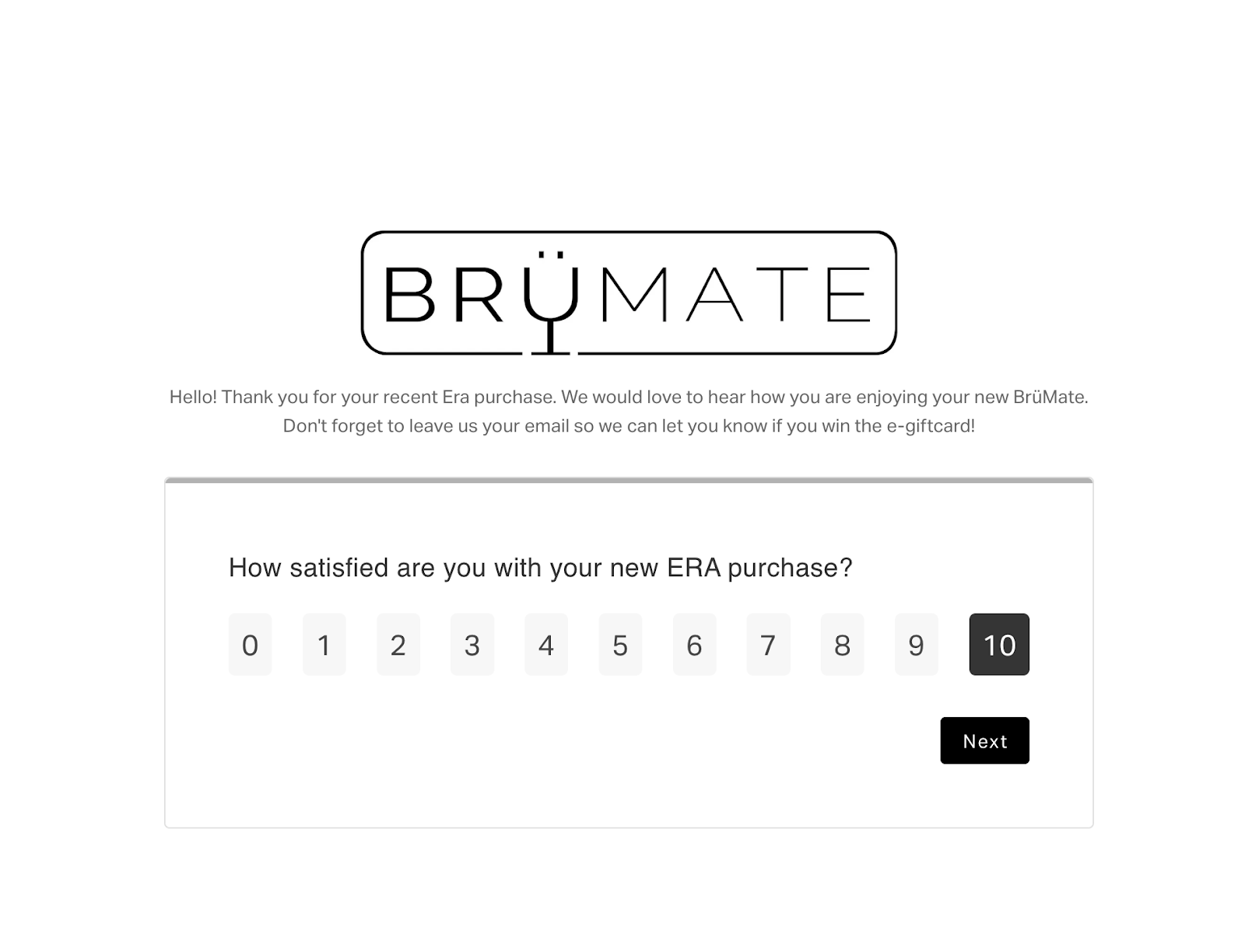
Filtering survey responses by tier gives you a cleaner starting point than broad enrollment ever will. BrüMate used post-purchase survey responses to build the customer segments behind their loyalty program, pulling directly from what buyers said mattered to them.
From advocate list to active program
Identifying advocates gets you a list. Turning that list into a revenue channel is where the second half of the work lives, and it's where post-purchase insight and activation start working together.
Once your survey has surfaced your strongest candidates, Social Snowball moves them into an active referral or affiliate program. Each advocate gets a tracking link, personalized rewards, and a way to earn without leaving your customer experience.
The customers who told you they'd recommend your brand now have a simple way to do it, and you have an effective way to measure what they drive.
That handoff is what makes customer-led growth work at scale. KnoCommerce answers who to invite and why. Social Snowball handles the invitation, the tracking, and the reward. Together they turn advocacy from a one-off campaign into an ongoing channel that compounds with every purchase.
Closing the loop between insight and advocacy
Your best advocates aren't hidden. They're already in your customer list, and they've probably already told you they'd recommend your brand. What's missing is a way to find them and give them something to act on.
Post-purchase surveys close the first half of that gap. Social Snowball closes the second. Together, they turn every purchase into a chance to acquire the next one, without adding to your paid budget.
KnoCommerce helps DTC brands ask the questions that surface their strongest advocates, then push those insights into the tools their teams already use. Paired with Social Snowball, the workflow moves from survey response to advocate activation without missing a step.
Want to see which of your customers are ready to advocate? Book a demo with KnoCommerce.
.avif)
.png)