
What happens after someone’s first purchase decides whether they become a loyal advocate or disappear to the next brand that grabs their attention.
A strong post-purchase experience does three things:
- Drives satisfaction: Customers feel supported, not abandoned after checkout.
- Builds trust: Consistent, helpful communication creates confidence in your brand.
- Creates advocates: Happy customers share, review, and refer without being asked.
Creating this positive experience is based on what your brand does after the sale. When done right, the post-purchase journey becomes one of your most reliable growth channels: higher lifetime value, lower CAC, and more organic acquisition that doesn’t depend on paid ads.
In this guide, you’ll learn how to design a post-purchase experience that goes far beyond a thank-you email and turns new buyers into long-term fans and promoters.
Understanding advocacy
After a purchase, most brands go quiet unless they’re pushing another sale. But due to this, you miss out on activating customers who believe in your product enough to talk about it.
That’s what brand advocacy is. It’s when customers promote your brand out of genuine satisfaction, not incentives. It’s proof that your product delivers what your ads promise.
It can take many forms:
- Reviews and testimonials that build buyer trust.
- User-generated content (UGC) that showcases real experiences.
- Referrals and affiliate shares that bring in measurable revenue.
- Repeat purchases that signal long-term customer satisfaction.
- Community participation (comments, tags, or mentions) that keep your brand visible even when you’re not running ads.
Why advocacy matters
Today, shoppers don’t just buy based on ads. Instead, they buy based on what others say about you. Advocacy builds the kind of trust no campaign can replicate. It compounds over time, creating a growth loop that becomes stronger with every happy customer.
When customers speak for you, three things happen:
- Conversion rates rise because shoppers trust peers more than ads.
- ROI compounds because every referral or UGC post drives more discovery.
- CAC drops and LTV rises because loyal customers repeatedly sell for you.
Stages of the post-purchase lifecycle
Brand advocacy is built with the right customer experience post-purchase. To build this, you need a clear post-purchase lifecycle that helps customers move from first-time buyers to vocal supporters.
A post-purchase lifecycle has five different stages:
1. Onboarding and delight
Advocacy begins with how you make customers feel right after they buy. A smooth, thoughtful onboarding flow (thank-you messages, order tracking, and usage tips) sets the tone.
When buyers feel acknowledged and supported, they’re more likely to share their experience.
2. Education and product success
Customers are vocal about a brand when they see positive results. Educate them on how to get the most from your product through short emails, tutorials, or care guides.
The faster they see value, the faster they build confidence in your brand.
3. Engagement and loyalty
Once customers know and love your product, keep them connected. Feature real stories from your community, share sneak peeks of upcoming drops, or reward repeat buyers with exclusive access.
4. Enable content and referrals
At this stage, make it effortless for customers to advocate. Add a post-purchase CTA that encourages sharing, or use tools like Social Snowball that automatically reward referral activity.
The more you optimize your program and the less friction it has, the more your community contributes to growth.
5. Reward and recognition systems
Finally, close the loop with appreciation. Celebrate top advocates (affiliates, creators, or repeat customers) through tiered rewards, gifting workflows, or simple public recognition.
When advocacy feels seen and valued, it becomes part of your brand’s culture.
The post-purchase customer journey
Online retailers treat the post-purchase phase as a transactional end to the sale. But that’s where you have the most opportunities to drive advocacy and referrals.
Every message, touchpoint, or package that reaches your customer after checkout shapes how they remember your brand and whether they’ll come back, recommend, or advocate.
Here are the key touchpoints to include in your post-purchase journey that actually drive product recommendations:
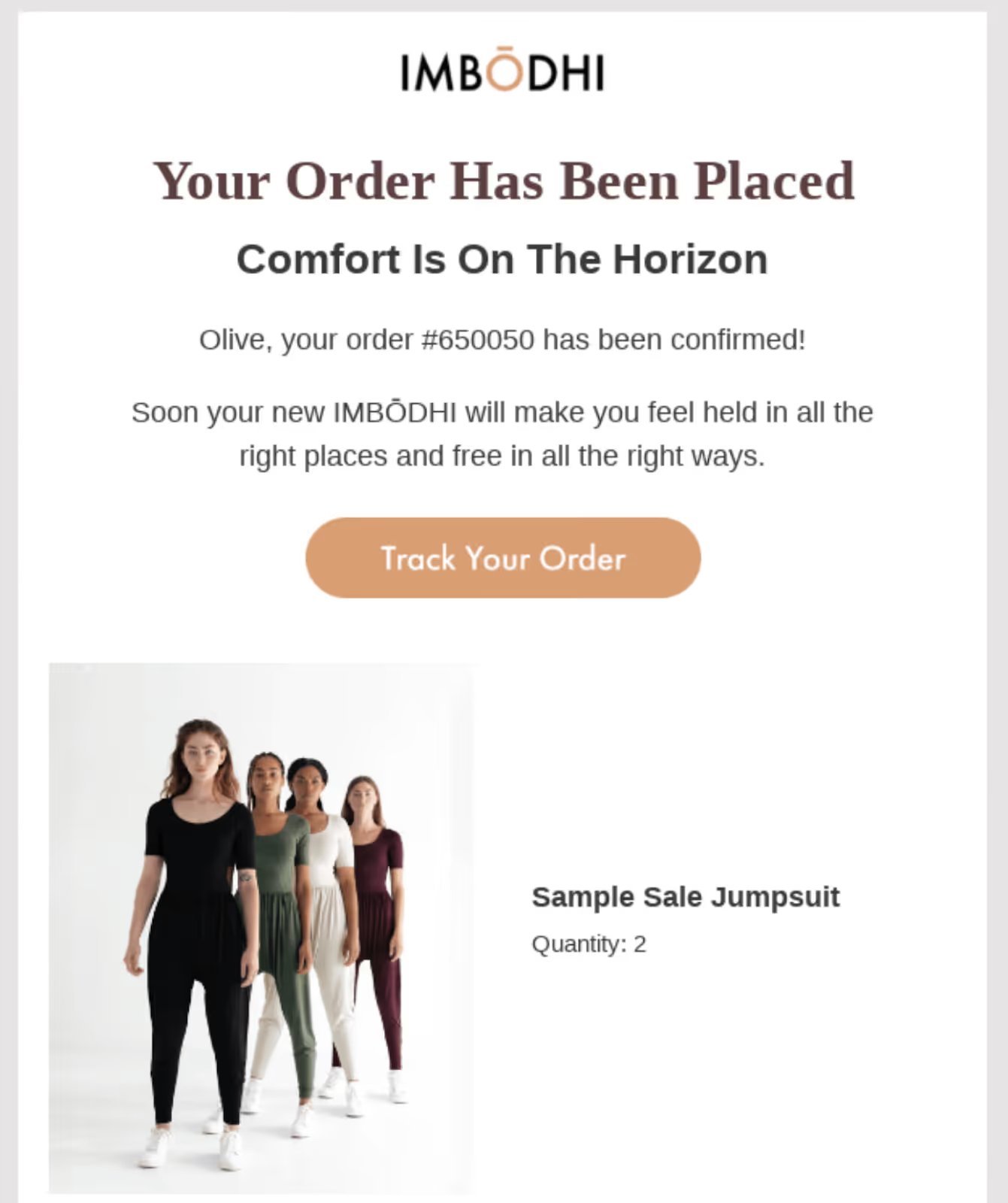
1. Order confirmation email
Your first email after checkout sets expectations. Go beyond a receipt and thank the customer by name, share next steps, and use the email to build a rapport. Use this moment to start a conversation.
2. Unboxing experience
The product experience begins the moment the box arrives. Packaging, presentation, and even the first message they read should reinforce your brand’s promise.
Include a short note, a social tag suggestion, or a simple QR code linking to setup videos or customer loyalty rewards to make the experience worth sharing.
3. SMS check-ins
Text updates and notifications add a human touch. Send shipping updates or quick post-delivery check-ins to ask how things are going.
It’s a light, personal way to show attentiveness and a perfect entry point for customer feedback or referrals later.
4. In-package inserts or QR cards
Printed inserts or QR cards are small but powerful. Use them to guide the next step: scan to join your rewards program, access tutorials, or share their first review.
This turns a physical interaction into a digital connection and simplifies access.
5. Education content
Once the product is in hand, help customers get value from it quickly. Send a short email series with setup tips, FAQs, or best practices.
When existing customers feel confident using your product, they naturally talk about it more.
6. Post-delivery survey & NPS
Check in after they’ve used the product, not immediately after delivery. A one-minute survey or NPS form helps you segment customers by experience:
- High scorers can be routed to review or referral prompts.
- Neutral or low scorers can get a personal follow-up or a troubleshooting guide.
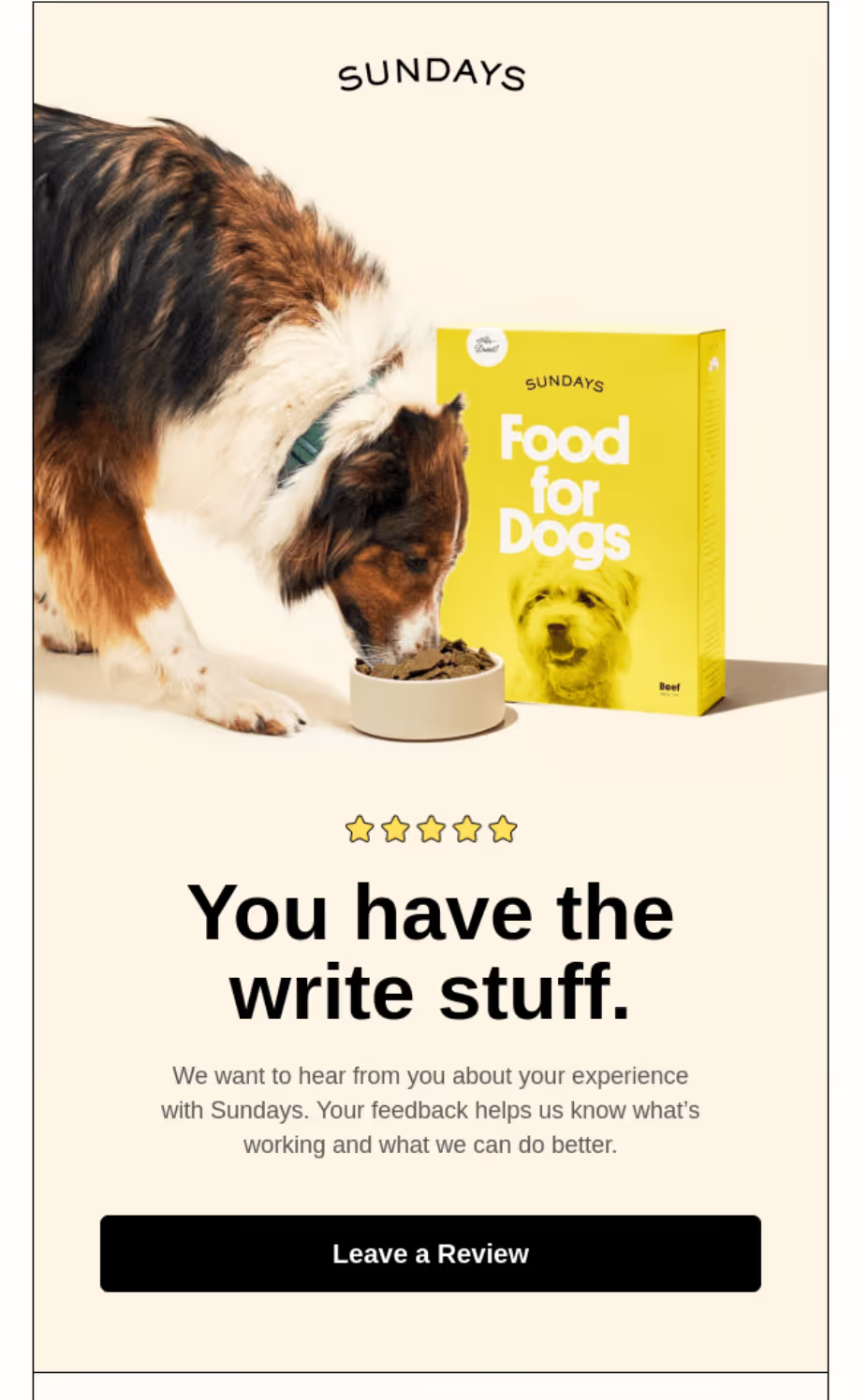
7. Review, UGC, and referral prompts
Ask for reviews right after customers express satisfaction, not weeks later. Encourage UGC by sharing examples of other customers’ posts or offering small rewards for tagged content.
Pair this with unique, fraud-protected codes so you can easily track referrals, capture sales through word-of-mouth, and avoid code leaks.
8. VIP or ambassador invitations
Your most engaged customers are your best marketers. Identify those with high purchase frequency, strong NPS, or active social media mentions, and invite them into exclusive programs.
Offer early access, higher commissions, or gifting opportunities since small recognitions like these deepen advocacy and customer retention.
How to build a positive post-purchase experience
A positive post-purchase experience isn’t built on one great email or one well-timed survey. It’s built on consistency. Each step should move the customer closer to confidence, trust, and advocacy.
Here’s how to design a post-purchase journey that drives a positive experience:
1. Nail the first impression
Your first message after checkout defines how customers perceive your brand. If it feels cold or generic, they’ll tune out before the product even ships.
- Messaging structure: Send a post-purchase email and thank them personally, confirming the purchase, and outlining what happens next.
- Clear expectations: Share timelines, tracking info, and a direct support contact. This prevents anxiety and customer support tickets.
2. Simplify product use
Most churn happens because customers don’t know how to get value from what they bought. Solve that fast.
- Send a delivery confirmation as soon as the product arrives.
- Follow up with quick setup content, like short videos, visual guides, or FAQs.
- Invite them to your community or starter challenge so they see how others use the product.
- Add a proactive support check-in, like “Need help getting started?”. It shows you care before there’s a problem.
3. Keep your return processes simple and quick
Returns are not failures. They’re opportunities to reinforce trust. A smooth, supportive return experience can turn a disappointed buyer into a long-term customer (or even an advocate).
Here’s how to build a positive return experience:
- Offer free returns, if possible.
- State your return policy clearly on your website.
- Make it simple with a clear, self-serve portal.
- Send proactive updates at each stage (initiated, received, and then refunded).
- Collect one quick insight to understand why the return happened.
- Offer alternatives like exchanges, replacements, or bonus credit.
- Re-engage customers afterward with helpful content or a second-chance offer.
4. Collect feedback early
Don’t wait for complaints or returns to find out how their experience went. Early feedback gives you control over the narrative.
- Send a quick post-delivery check-in within a week: Ask one focused question, like “How’s your experience so far?”
- Run a short NPS or sentiment pulse: Keep it frictionless with a click to rate and an optional comment box.
- Segment responses:
- Delighted: Ready for reviews or referral invites.
- Neutral: Nurture with education or engagement content.
- Frustrated: Route to support team immediately.
5. Turn happy buyers into promoters
Once you identify satisfied customers, give them clear, low-effort ways to share.
- Trigger review or testimonial requests while excitement is fresh, not months later.
- Guide them with structure. Provide short prompts like “What made you try us?” or “Who would you recommend it to?”
- Reward UGC creation. Offer loyalty points, small credits, or public features for posts or tagged content.
6. Convert promoters into advocates
Promoters share once, whereas brand advocates share repeatedly because they feel ownership.
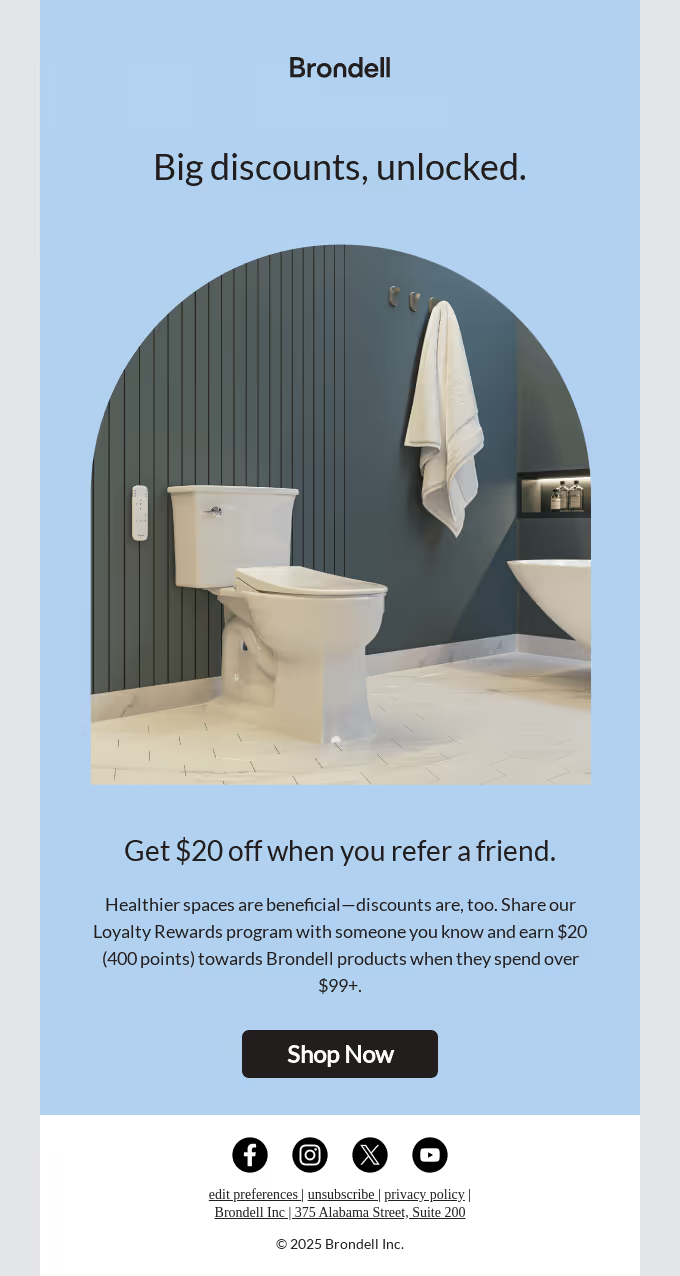
- Invite them to a referral or affiliate program: You can set up automated flows with tools like Social Snowball. This way, customers receive their unique referral link automatically at checkout or post-review.
- Offer community access: Create a private circle for creators, top buyers, or VIPs to interact with your team.
- Add exclusivity: Early product drops, beta testing, or limited perks keep them engaged.
7. Reward advocates
Advocacy grows when recognition feels genuine, so don’t limit rewards to discounts. Instead, build a system that values contribution.
- Tiered perks: VIP access, insider events, or lifetime point multipliers.
- Surprise moments: Free gifts, handwritten notes, or early product previews.
- Monetary incentives: Referral commissions, online store credit, or affiliate payouts.
- Recognition incentives: Leaderboards, brand features, or creator collaborations.
- Close the loop: Ask advocates what motivates them most, and change your rewards accordingly.
8. Increase order value with smart upsells and cross-sells
A strong post-purchase journey doesn’t end with the first transaction. Buyers are most open to discovering complementary products right after they’ve purchased, as long as the recommendations feel helpful, not pushy.
Here’s how to add upsells and cross-sells without hurting trust:
- Recommend complementary products after delivery once customers have used the product.
- Trigger offers based on behavior (views, cart adds, purchase history).
- Frame suggestions as helpful (“Complete your routine”) instead of salesy.
- Add small incentives like store credit or bonus points to drive the next purchase.
Automations & tools
Once your post-purchase journey is mapped out, the next step is to make it run without constant manual effort. The right tools save time and make every touchpoint more consistent, measurable, and personalized.
Here’s how you can automate each part of the journey using proven ecommerce tools.
Email and SMS automation
Use Klaviyo, Kit, or Postscript to automate your post-purchase communication from checkout to retention. Here ae 4 flows to set up using these tools:
- Order and delivery flows: Send personalized order confirmations, delivery updates, and first-use guides automatically.
- Usage and education sequences: Trigger based on product type or delivery date to help customers see value faster.
- Review and referral prompts: Link your NPS or review tools so only satisfied customers receive review or referral requests.
- Re-engagement nudges: Use data triggers, like 30 days post-purchase, product repurchase window, or new product drop, to reactivate inactive buyers.
Review and UGC systems
Use Okendo, Junip, or Yotpo to collect feedback and visual UGC that fuels social proof. These tools automate the process, but the impact is strategic if you connect them to your lifecycle flows. You can use automated review and UGC systems to:
- Trigger review requests automatically after confirmed delivery or a positive NPS score.
- Capture visual UGC (photos or short videos) for your media library and ads.
- Route reviews:
- High ratings: Referral prompts or affiliate invites.
- Negative reviews: Support workflows for recovery.
- Sync review data back to your email system to personalize future communication.
Referral and affiliate automation
Advocacy turns into revenue when it’s trackable, and automation makes that simpler. Platforms like Social Snowball or ReferralCandy automate referral creation, tracking, and payouts. For example, with Social Snowball, you can:
- Auto-enroll customers as affiliates at checkout, assigning them a unique referral link instantly.
- Use fraud-protected links to prevent coupon leaks and protect your margins.
- Run multiple programs (affiliates, influencers, and referrals) from one dashboard.
- Automate payouts in bulk through integrations like Tremendous or Trolley.
- Track UGC and referral data across TikTok Shop, Instagram, and Shopify to measure ROI by creator or channel.
Read and compare the best Shopify affiliate apps.
Community and engagement tools
Automation isn’t limited to email or payouts, but it extends to the community. Tools like Geneva, Discord, or Shopify Collabs make it simple to streamline conversations, feedback, and brand loyalty activities.
Use these engagement tools to:
- Build direct spaces for your top customers, creators, and affiliates.
- Announce exclusive drops or insider campaigns to keep them engaged between purchases.
- Highlight UGC or affiliate milestones to turn recognition into motivation.
- Gather feedback for upcoming products or packaging changes.
Incentive strategy
Brand advocacy doesn’t happen just because customers like your product. It’s when you make sharing worth their time. A clear incentive strategy keeps advocacy consistent by rewarding the post-purchase behaviors that directly impact your ecommerce brand’s growth.
The key is to reward the right actions, rather than every action. Here’s how you can build your incentive strategy:
Reward the right behaviors
Different types of advocacy create different kinds of value. You don’t need to reward everything equally. Instead, focus on the actions that amplify reach, trust, and conversions.
Here’s how to prioritize them:
- User-generated content (UGC): Reward customers who create authentic, shareable content, like product videos, before-and-after photos, or tutorials. UGC has a longer lifespan than ads and builds real credibility.
- Product reviews: Offer small, instant rewards for verified reviews (text, photo, or video). Reviews improve conversion rates and help identify promoters for future campaigns.
- Referrals: Incentivize customers who bring in new buyers. Use unique, one-time referral codes to reward both the referrer and the new customer, ensuring clean attribution and leak-free codes.
- Content collaborations: Partner with loyal customers or affiliates for co-created posts or campaigns. Recognize their contribution with product credit, commissions, or early access. It deepens commitment and generates high-performing content.
- Social sharing: Small rewards for social tags, story mentions, or product shoutouts can trigger organic discovery. When consistent, this builds brand visibility without extra ad spend.
Types of incentives
Besides the reward, the incentive you choose also shapes customer motivation. Mix monetary and experiential rewards to keep engagement high while protecting your margins.
Here are proven types of incentives to test and layer:
- Discounts: Simple and effective for early-stage programs. Use small percentage discounts for first-time advocates or one-off UGC shares.
- Store credit: Keeps value within your ecosystem while giving advocates flexibility on future purchases.
- Points-based rewards: Best for long-term engagement. Award points for different actions (reviews, referrals, and posts), and let customers redeem them for cash value or exclusive products.
- Exclusive access: Give your top advocates early access to new drops, limited products, or private events. The perceived value is often higher than the cost.
- Gifting and tier unlocks: Combine tangible rewards with recognition. Send free products or unlock higher commission tiers as affiliates cross performance milestones.
Personalizing the post-purchase experience
Once your incentives are live, personalization is what separates an efficient program from a forgettable one. The goal is to make every touchpoint feel intentional.
To do that, segment based on what actually drives behavior: who the customer is, what they bought, how much they spent, and how they feel about your brand.
Segment by buyer type, AOV, product category, and sentiment
Start by building segments that reflect real customer behavior, not just purchase history:
- Buyer type: Separate first-time buyers from repeat customers. First-time buyers need reassurance and education, while returning buyers respond better to recognition and loyalty-driven rewards.
- AOV (average order value): High-AOV customers are more likely to value exclusivity over discounts. Invite them into higher tiers or early access programs instead of offering monetary rewards.
- Product category: Tailor education and UGC prompts by product type. A skincare customer expects different follow-up information than someone buying apparel. This keeps communication useful and not templatized.
- Sentiment: Use NPS scores, review tone, or support interactions to gauge sentiment. Tag promoters for referral and ambassador campaigns, and route detractors into recovery flows before asking them to advocate.
Build depth into VIP nurture
Your top 5–10% of customers should never receive the same communication as everyone else. Create a dedicated VIP nurture flow that blends recognition with access.
- Give them exclusive updates or early access drops.
- Highlight them publicly in your community or ambassador content.
- Offer tier-based gifting or commission upgrades through platforms like Social Snowball that tag activity in real-time.
Spot and support emerging ambassadors
Some customers are almost becoming advocates, but haven’t crossed it yet. You can identify them through engagement metrics (review quality, repeat business, or social mentions) and start building customer relationships early.
Create a lightweight flow to activate potential ambassadors:
- A personalized thank-you message for a strong review.
- An early invite to share a product story.
- A surprise store credit or free product for posting organically.
Common mistakes to avoid
Even strong post-purchase programs fail when their timing, rewards, and user experience are misaligned.
Here are the most common pitfalls, and how to avoid them.
- Asking for reviews before the product arrives: Automations that ignore delivery timelines make your brand look disconnected. Wait until confirmed delivery and 3–5 days of usage before triggering review requests. It improves response quality and avoids premature frustration.
- Relying only on discounts: Discounts may close a sale, but rarely build loyalty. Instead of cutting margin, offer value through exclusive access, higher-tier gifting, or product previews. Customers stay longer when they feel elevated, not discounted.
- Ignoring sentiment before referral pushes: If you don’t tag sentiment, you’ll eventually ask unhappy customers to promote you. They will, but not how you want them to. Use NPS or support tagging to ensure only promoters enter referral or affiliate flows.
- Treating advocates like unpaid labor: Advocacy is a collaboration. Pay fairly, recognize publicly, and involve advocates in creative decisions. When people feel like partners, their motivation compounds.
Example timeline
A strong post-purchase experience runs on timing. Send the right message too early, and it feels pushy. Send it too late, and the customer’s excitement fades.
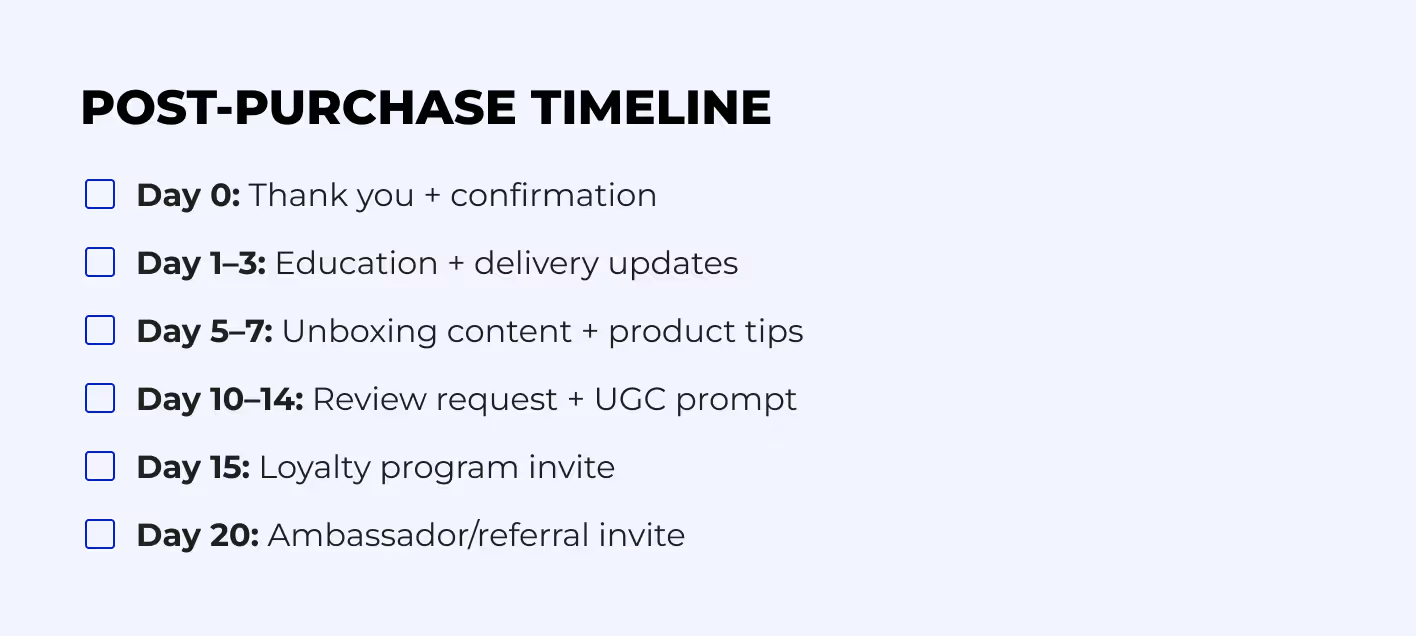
Here’s a sample 3-week timeline that moves a buyer from checkout to satisfaction to advocacy, using simple automation triggers.
- Day 0: Thank you + confirmation: Send a warm, branded confirmation that thanks the buyer and sets customer expectations for delivery and support.
- Day 1–3: Education + delivery updates: Keep momentum high with quick “how to use” content and shipping updates. This helps buyers feel informed before the product arrives.
- Day 5–7: Unboxing content + product tips: Check in once delivery is confirmed. Prompt them to share an unboxing moment or tag your brand, then follow up with simple product tips.
- Day 10–14: Review request + UGC prompt: After a week of use, ask for a review or short video.
- Day 15: Loyalty program invite: Invite happy customers to join your rewards or VIP program. Focus on access and exclusivity, and not discounts.
- Day 20: Ambassador/referral invite: Reach out to promoters with personalized referral or affiliate invites. Use tools like Social Snowball to generate links, track results, and handle payouts automatically.
Ready to deliver a great post-purchase experience?
A great post-purchase experience isn’t about complex flows or clever packaging. It’s about staying close to your customers when most brands go silent.
A strong post-purchase system creates a customer base that sells for you because they actually want to. The simplest way to do that is to turn happy buyers into referrers.
That’s where Social Snowball comes in. It plugs into your Shopify store, automatically turns new buyers into affiliates at checkout, generates unique fraud-protected links for leak-free discounts, and tracks every referral, UGC post, and payout, all in one dashboard.

.avif)


