A common misconception about TikTok Shop is that growth comes from a single viral hit or one big creator.
In reality, the brands scaling consistently are running a completely different system. They continuously bring in creators, produce high volumes of content, and focus on what actually converts.
This came through clearly at the Social Snowball Influencer Marketing Summit. Across panels, operators kept coming back to the same idea: growth on TikTok Shop is driven by repeatable systems.
In this blog, we’ll break down how brands choose the right creators, generate enough content to find what works, and drive consistent revenue from those videos
Why TikTok Shop works: Incentives and structure are different
TikTok Shop is so effective because it aligns incentives across everyone involved in the sale.
Creators pick what they want to promote. They aren’t locked into brand deals or fixed deliverables. If a product sells, they earn, and if it doesn’t, they move on. That simple shift changes how they approach content.
Jordan West, President of Social Commerce Club, said that he “never liked paying influencers a retainer and hoping for the best.” That model optimizes for output. TikTok Shop, on the other hand, focuses on whether that content actually drives purchases.
This shows up in the kind of content you see on the platform. Creators focus on demonstrating the product, explaining why it matters, and showing how it fits into real life. Since the goal is to drive a purchase, the content naturally leans toward clarity and proof.
From the brand side, the role shifts as well. Tamanna Bawa, Tech Partner Manager at Triple Whale, described TikTok Shop as “a creator-driven distribution channel,” where teams need to think “less like a media buyer, and more like a marketplace operator.” That means your job is to create the conditions for creators to promote your product.
This comes down to a few decisions:
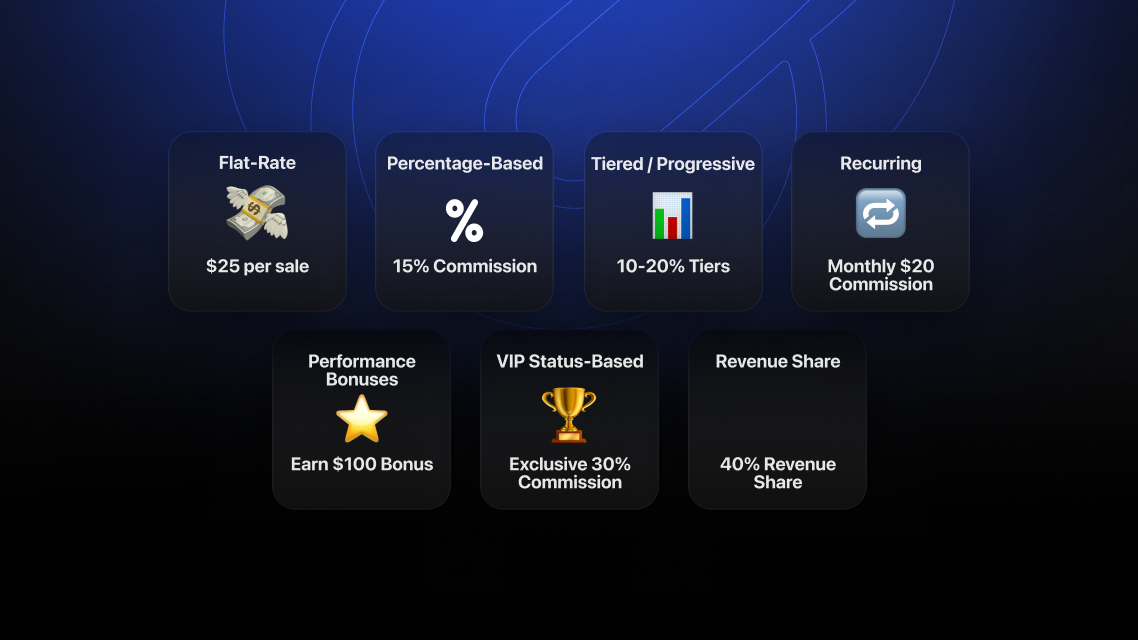
- Set commission rates that make the product worth promoting
- Make sure fulfillment is fast and reliable
- Focus on products that creators can easily explain and demonstrate
When these pieces are in place, creators bring the distribution. They test different ways to present the product, reach different audiences, and generate content at a pace that most teams cannot match internally.
This is why TikTok Shop scales differently. The system rewards products that convert, creators who can sell, and content that drives action.
Start with the right creators, not more creators
Early results on TikTok Shop come from alignment— The creators you bring in shape how your product is understood on the platform. When creator-brand fit is strong, the content feels natural, and the conversion follows.
Myah Christenson, Affiliate & Creator Partnerships Manager at SEEQ advised getting really clear on who that target creator is to avoid sending products to a wide, random pool.
Find creators who already look like your customer, whose audience fits your customer profile, and who can explain the product accurately and with clarity.
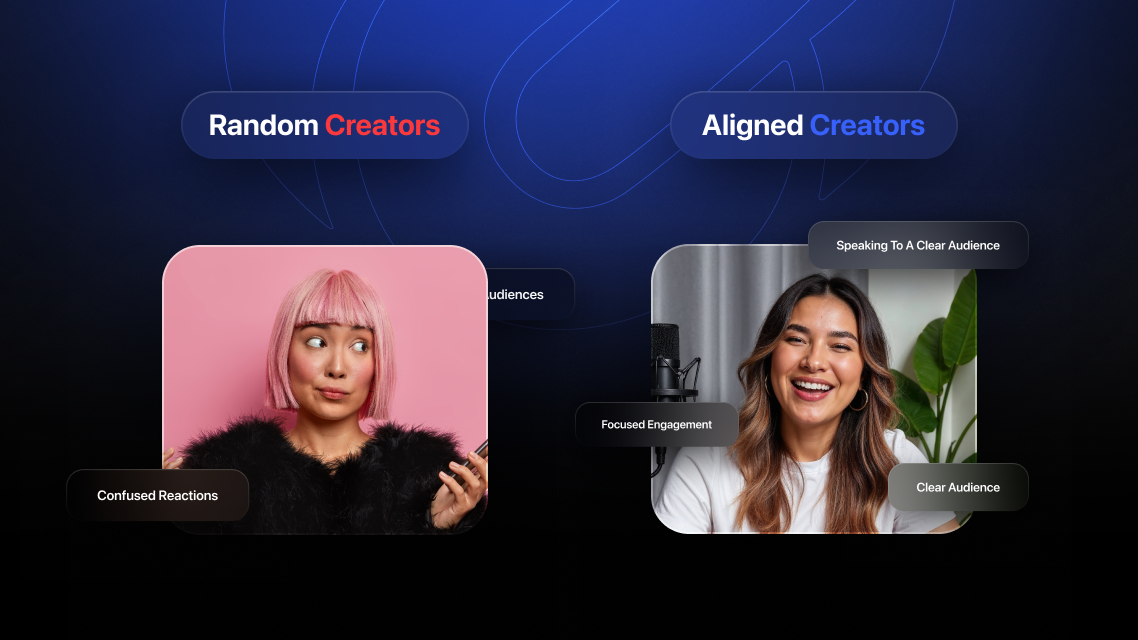
This is where most brands lose momentum. They send their product to a large group, wait for content to surface, and hope something lands. The output comes in, but it lacks consistency. The messaging varies, the audience doesn’t always match, and it becomes hard to tell what is actually working.
Fewer but intentionally chosen creator partnerships give you clearer signals. You can see how the product is being positioned, which angles resonate, and where the gaps are. That makes it easier to guide the next round of content.
Optimize for conversion, not aesthetics
Jeremy Fenderson, Senior Director of Strategy at AdQuadrant, called out another pattern that shows up here. Teams tend to focus on how a creator looks or how polished their content feels.
What matters more is whether they can demonstrate the product in a way that drives action.
“Brands over-index on creator size, aesthetics… and under-index on the ability to demo.”
This changes how you evaluate creators:
- Look at how they explain products, not just how they present themselves
- Pay attention to whether they can make a product feel useful or relevant
- Check if their audience responds with questions, interest, or intent to buy
When you start with the right creators, each piece of content they create offers more value. You get clearer feedback, stronger angles, and a foundation you can actually build on as you scale.
Scale comes from content volume and variation
It’s easier to scale on TikTok Shop when you have enough content to learn from.
Each video gives you a signal. One creator might find an angle that clicks. Another might frame the product differently and get a completely different response. When you have enough of these inputs coming in, patterns start to appear.
This is exactly how brands like Comfrt built momentum. Their creator ecosystem was constantly pushing content. At one point, affiliates alone were posting 30+ videos a day. That volume created a steady flow of ideas, hooks, and formats to test.
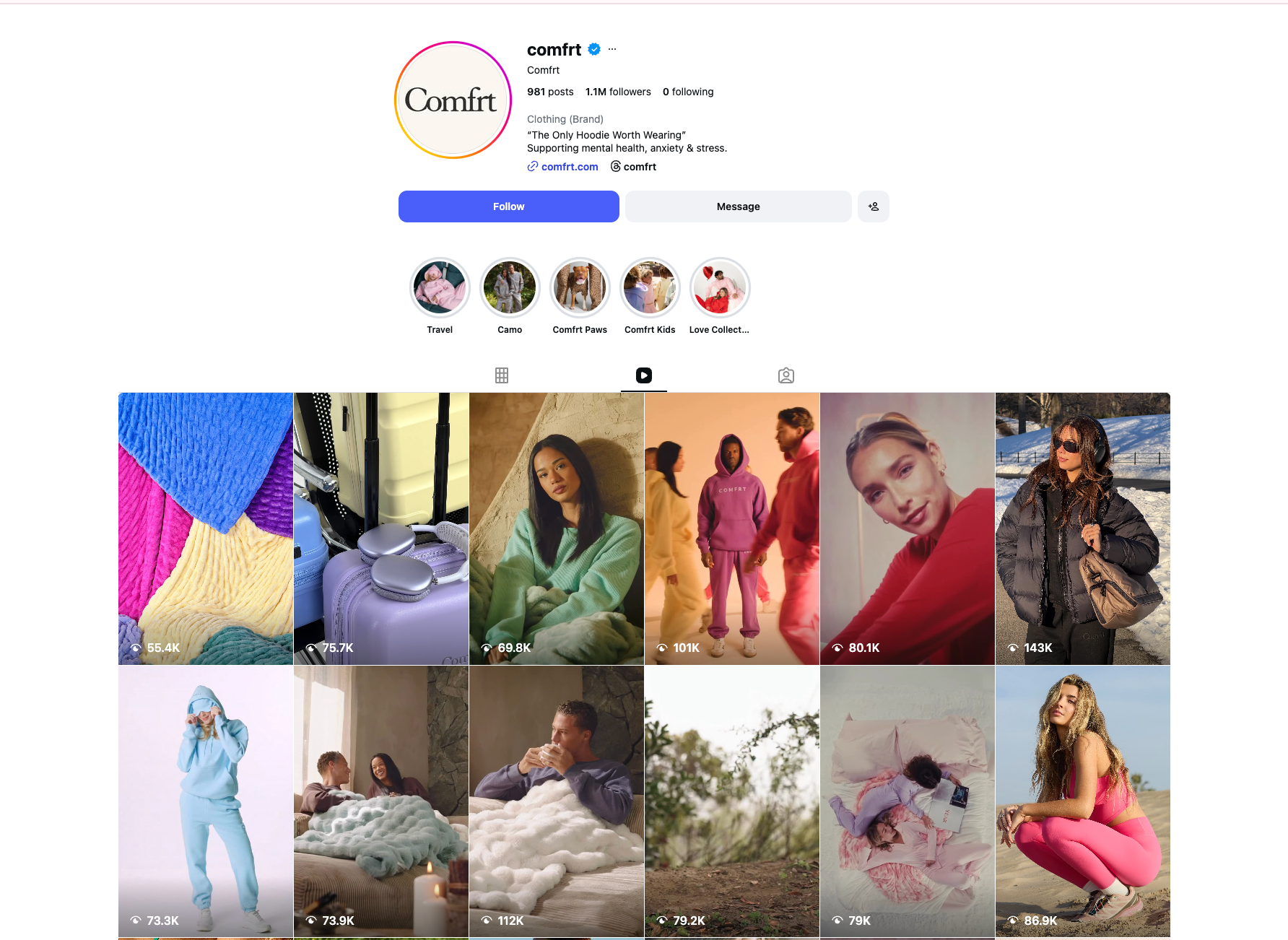
Sambhav Chadha, Co-founder of Augmentum Media, recommended pushing hundreds of creatives a week and testing them across different niches.
That level of output gives you clarity, which is often hard for brands to get this early on. You can see which messages land, which ones fall flat, and where to focus next.
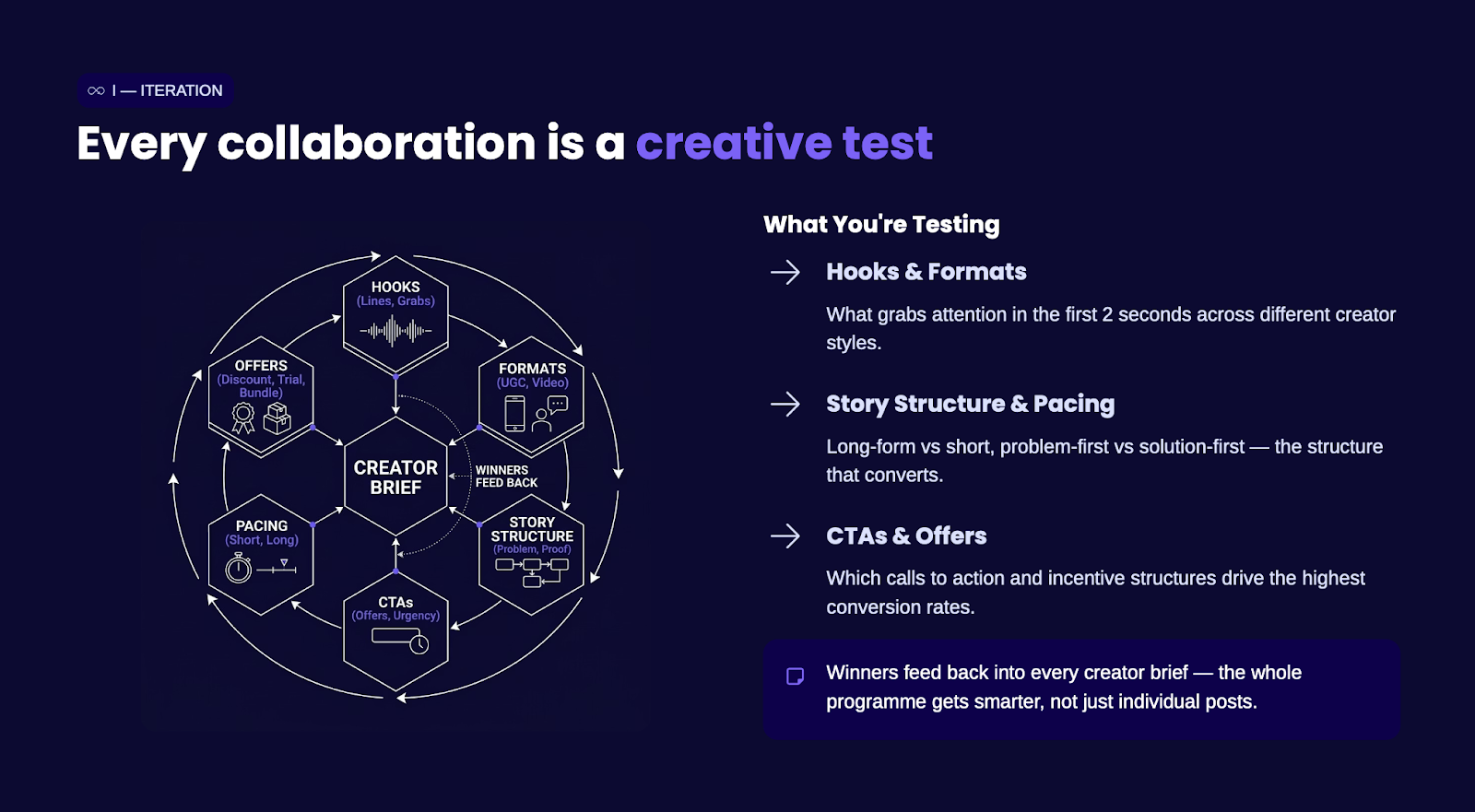
The way you brief creators matters here. Creators should explore different ways to present the product. Different hooks, different scenarios, different entry points.
Jeremy Fenderson pointed out that strong creators can make 3 or 4 angles work rather than deliver a single polished piece. That approach gives you multiple pieces of content from the same creator and insights on what works, which speeds up learning.
When you combine volume with variation, the system starts to move faster:
- More creators bring more perspectives.
- More variations surface stronger hooks.
- Stronger hooks lead to clearer winners.
At that point, scaling becomes a process of building on what already works rather than searching for the next idea.
Winning content is predictable and repeatable
Once you have enough content in circulation, certain patterns start showing up.
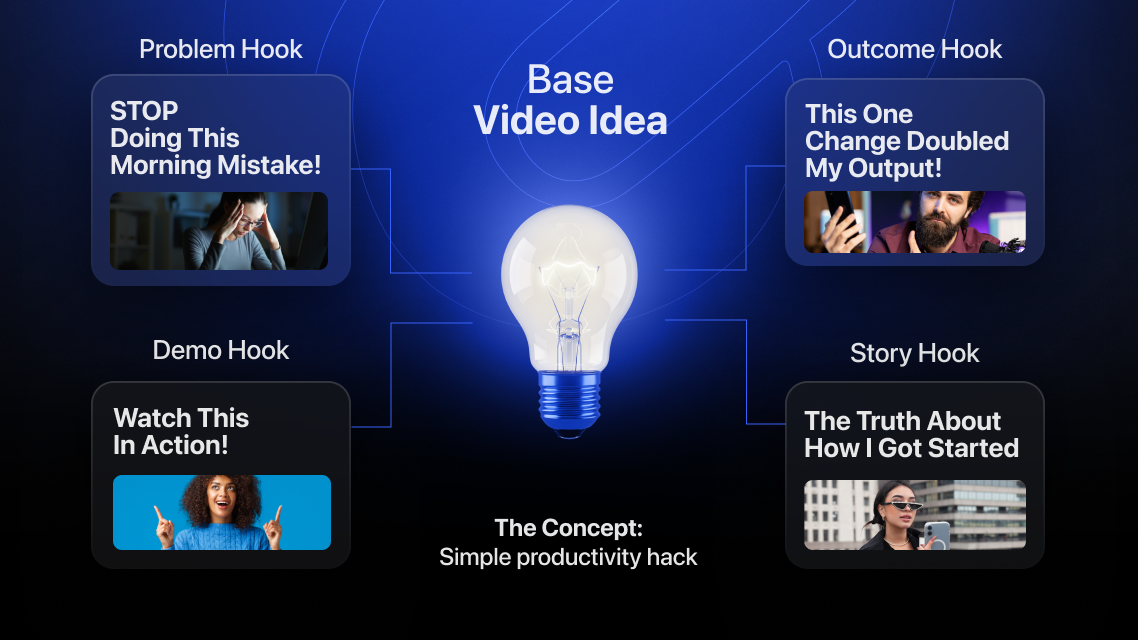
The videos that convert tend to follow a clear structure. They introduce a problem, show how the product fits into that situation, and make the outcome easy to understand.
Some focus on transformation. Others lean into a personal story. While the format changes, the underlying narrative stays consistent.
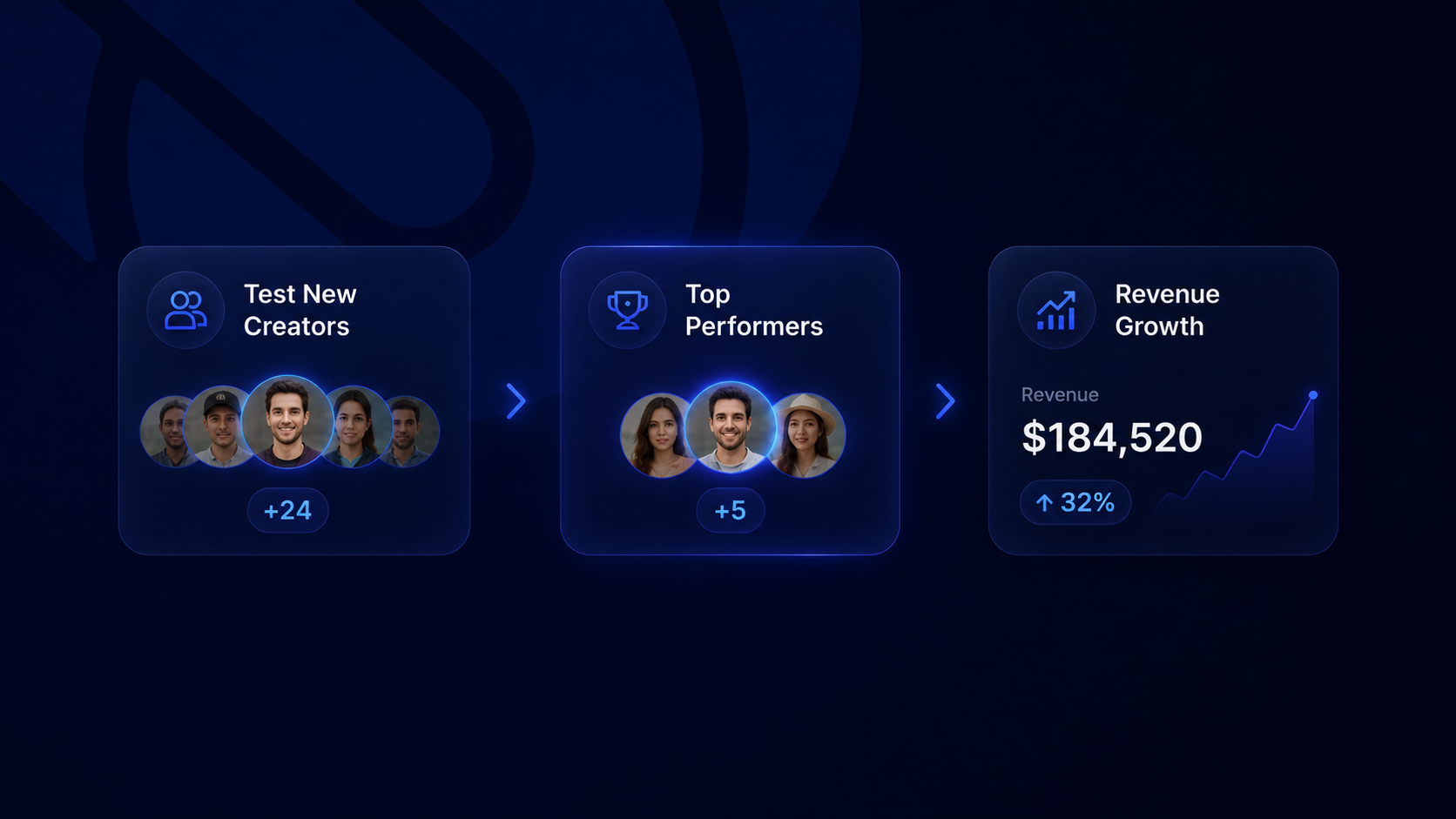
Formats that work
Across the summit, experts pointed to a few winning formats:
- Problem to solution demos
- Before and after transformations
- Story-led explanations that walk through a real use case
These formats work because they help the viewer make a quick decision. The product is placed in context, the benefit is clear, and the next step feels obvious.
Variation across creators strengthens the message
The same product becomes more convincing when it’s shown in different real-life contexts.
One creator wears a hoodie while running errands. Another films a quick “get ready with me”. Someone else styles it for a dinner plan. While the product doesn’t change, the context does. That’s what makes it click for different audiences.
Nik Sharma, CEO of Sharma Brand, pointed to Aritzia as a strong example. Their products show up across TikTok through creators with different styles, aesthetics, and routines. The same piece appears in multiple contexts—styled, worn, and used in different ways. Over time, this gives audiences multiple perspectives of the same product, making it easier to see how it fits their own preferences.
Each video answers a slightly different version of the same question: How would this fit into my day? Would I actually wear this? What does it look like on someone like me?
That’s where the impact builds. People don’t need to imagine the product anymore. They get to see it play out in enough real situations.
Repeat what works, don’t reinvent every time
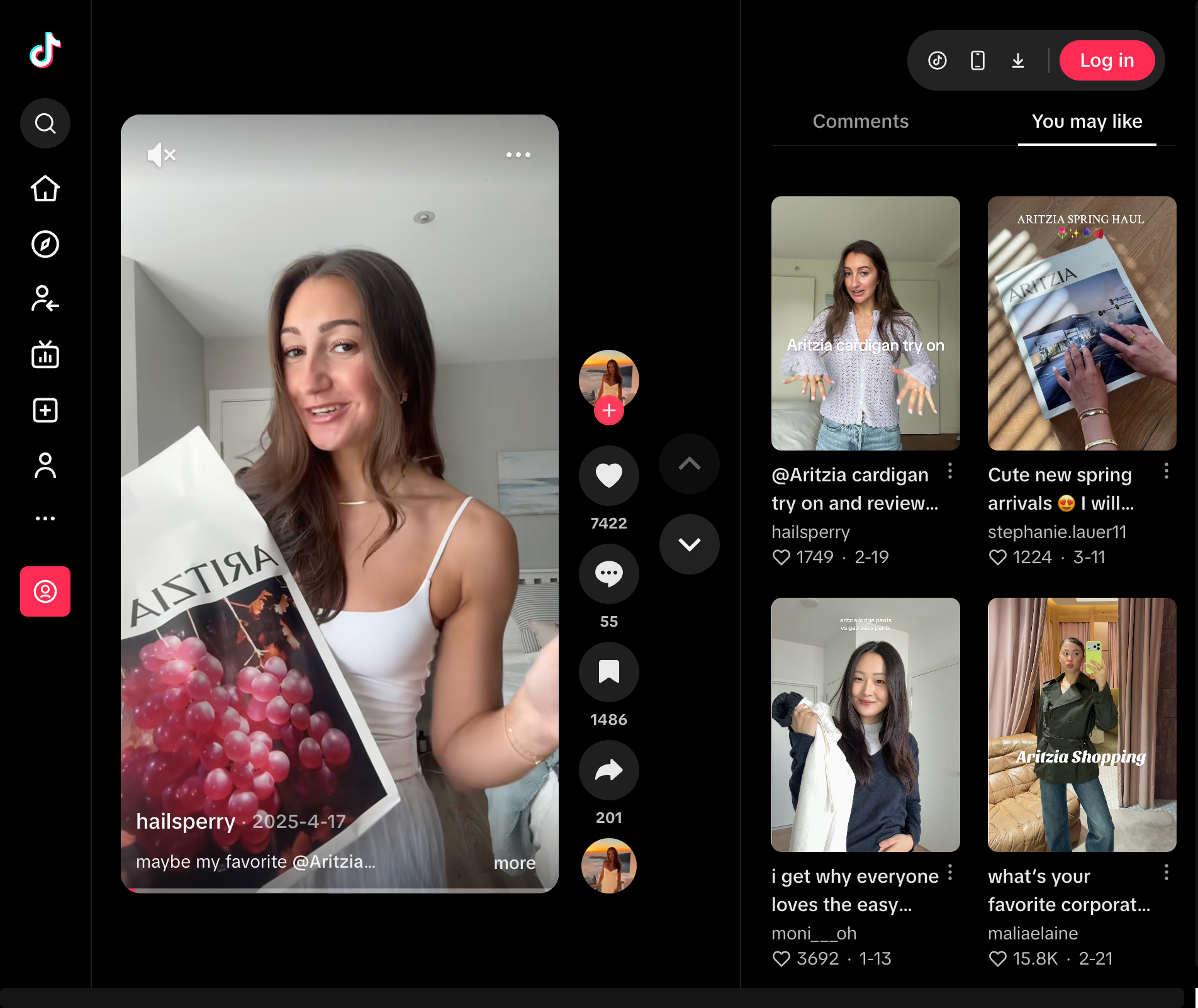
Once you know the formats that drive response, you can brief creators more clearly:
- Show the product in a specific situation
- Focus on a single outcome
- Walk through the experience step by step
This way, you build on patterns that already work and give creators a structure they can adapt in their own way.
How brands turn creator videos into winning ads
Once you have creators consistently sharing content, the goal shifts from creating content to figuring out which content actually drives sales.
Every video gives you a signal. Some get attention, some get saves, and a few start driving consistent conversions. This is what you use to refine your strategy.
Identify what converts
The first step is simple. Watch how the content performs and look for patterns.
Jeremy Fenderson recommends identifying the converters as fast as possible and reallocating your budget into the visible winners. Move quickly once something starts working.
You’ll usually see it in:
- Comments asking where to buy
- Repeat purchases tied to the same video
- Creators coming back to the same angle because it keeps working
Feed learnings back into the system
Once you find a video that converts, break it down. Look at:
- The hook in the first few seconds
- How the product is introduced
- What moment makes the viewer care
Then pass that structure back to other creators.
Sambhav Chadha explained how Comfrt does this. They track what’s working, then share those hooks and concepts across their creator base. More creators produce variations of the same idea, which quickly multiplies output.
“What hooks are working best… asking other creators to create them.”
Instead of starting from scratch each time, you’re building on something that already performs.
Use creator content as a conversion asset across channels
The videos that convert don’t stay on TikTok. Nik Sharma framed this well:
“Think of it [creator content] as a conversion asset.”
The same piece of content can be used in multiple places where people are deciding whether to buy.
You’ll see it show up in paid ads, product pages, and email campaigns. A single video starts as a post and then becomes part of how the product is presented everywhere else.
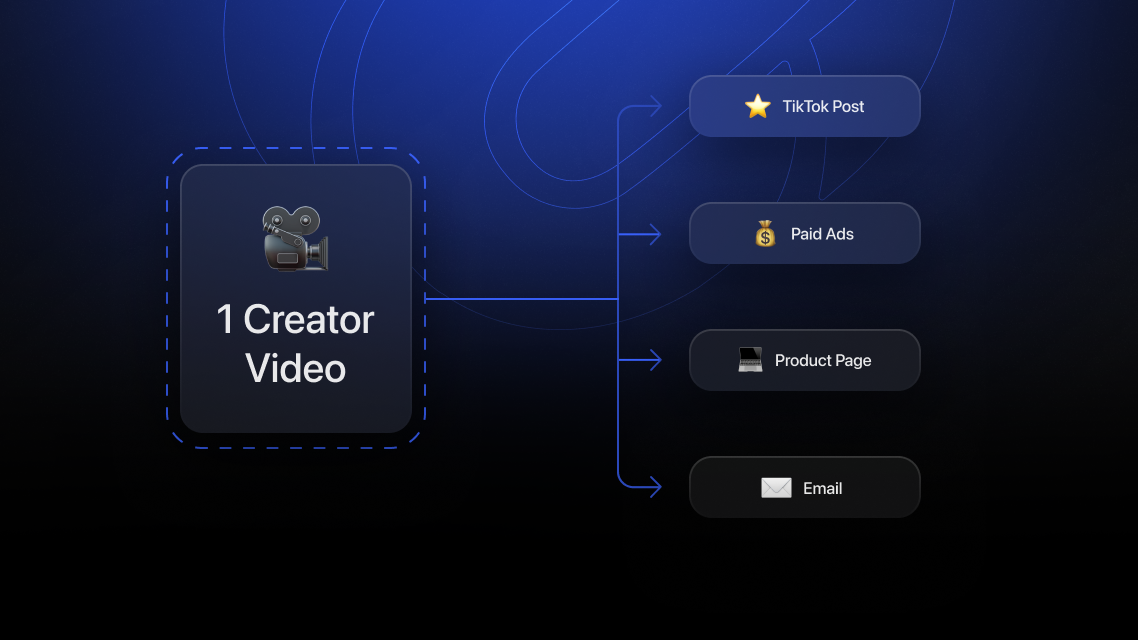
When this system is in place, the process becomes clear:
Creators produce content → strong videos stand out → those videos get reused and expanded → new variations keep improving performance.
That’s how a creator video turns into a winning ad.
Distribution and repetition drive compounding growth
Once you have content that converts, scaling conversions comes from how widely and how often that content shows up.
One strong video can generate sales. But consistent revenue comes from repeating the same winning idea across multiple creators, feeds, and channels. That’s what makes the product recognizable and expected.
Repetition builds recognition and demand
Most people don’t buy after seeing one video. They buy after seeing the same idea multiple times from different sources.
Robyn Nissim, CEO and Founder of Social Proof Agency, shared how Javvy Coffee with “proffee” (protein coffee). Hundreds of creators posted variations of the same concept, each showing it in their own routine.
“You start to see it from person to person to person.”
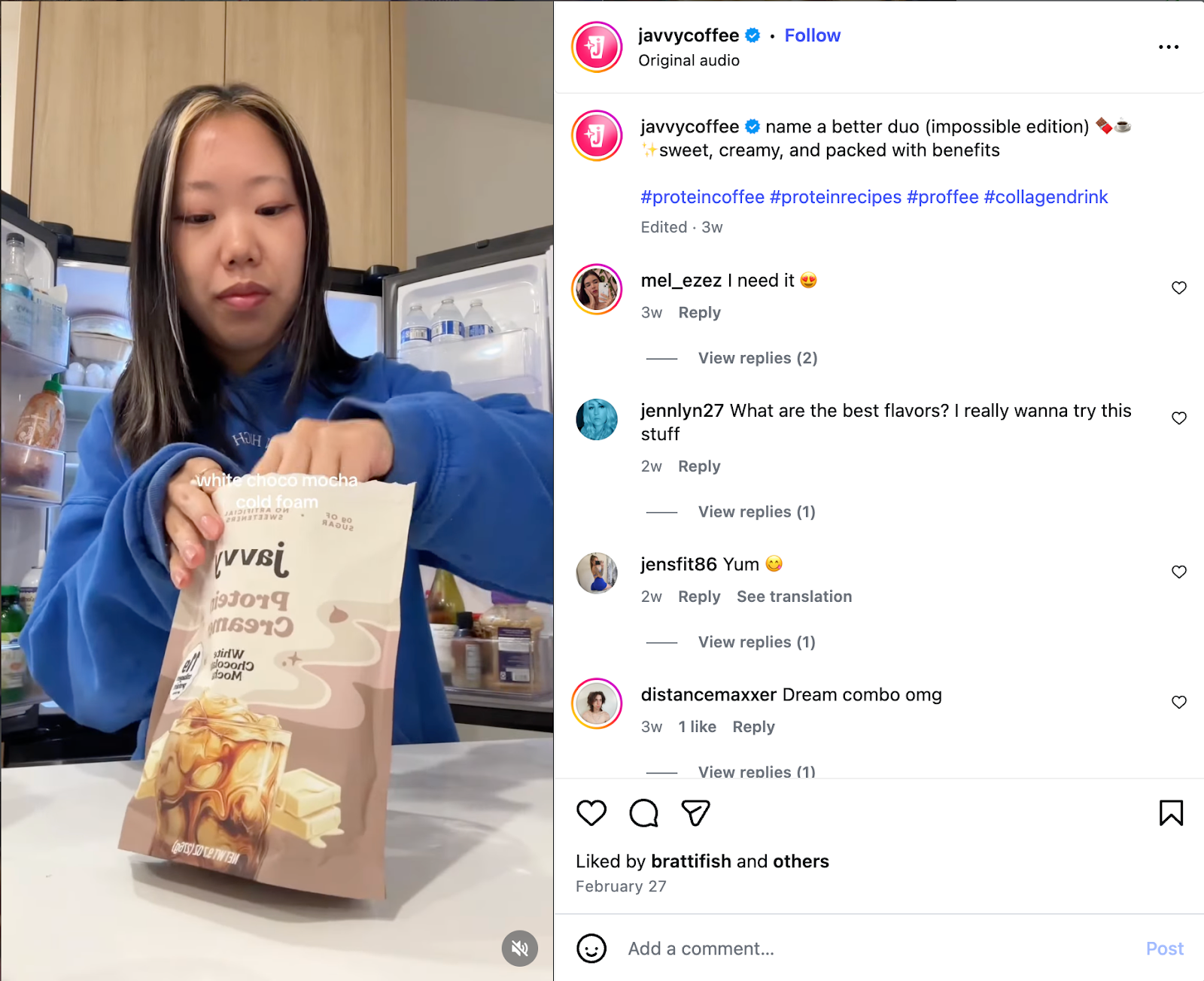
That repetition turned a new concept into something familiar. Viewers could quickly understand what the product was for and how it fit into their routine, which increased purchase intent.
Distribution expands what content can do
Once a piece of content works, it moves beyond the original post.
Nichole Munoz, Co-founder and Head of Marketing at EZ Bombs, explained how their team builds around this. Some creators focus entirely on TikTok Shop. Others are brought into WhatsApp and Discord groups, where they’re guided toward different goals based on the moment the brand is in.
“We’re able to have different challenges and incentivize them to go into Walmart.”
This turns creators into a flexible distribution layer. The same group can support DTC, retail, and new channel expansion without starting from scratch.
Growth comes from showing up consistently
At this stage, you’re not looking for new ideas every day. You need to double down on ideas that already work. That looks like:
- Multiple creators using the same high-performing hooks
- The same product shown across different contexts
- Winning videos reused across ads, PDPs, and lifecycle campaigns
As more people see the product in familiar ways, it becomes easier to trust and buy. This is where growth compounds. The message stays consistent, the reach expands, and the product stays top of mind.
Ready to turn TikTok Shop into a repeatable revenue channel?
Scaling on TikTok Shop comes down to building a system that keeps getting better as it runs. The right creators shape how your product shows up, consistent content reveals what converts, and winning formats get repeated across more creators and channels.
Once that system starts working, the challenge shifts to operations. You need to know which creators are driving sales, reward them fast, and keep new ones coming in without adding more manual work.
Managing this manually breaks fast. Tracking becomes messy, payouts get delayed, and high-performing creators lose momentum.
This is where Social Snowball becomes critical to how the program runs.
It gives you the infrastructure to manage TikTok Shop creators at scale:
- Track performance at the creator level, not just overall sales
- Automatically generate unique, single-use codes with Safelinks to prevent leakage
- Automate payouts so creators get rewarded without delays
- Manage affiliates and creators in one system instead of across tools

.avif)