
Most ecommerce brands spend too much time trying to recruit affiliates and completely overlook the people most likely to promote the brand already: existing customers.
That’s the approach Rob Fraser built at Outway Socks.
As Founder and CEO of Outway Socks, and one of Social Snowball’s earliest customers, Fraser spent years building referral and word-of-mouth systems designed to turn customers into active brand advocates.
In his Social Snowball Academy course, The Ultimate Customer Affiliate Program, Fraser breaks down how Outway Socks activates customers immediately after purchase and turns them into a scalable acquisition channel.
Instead of overcomplicating affiliate growth, Fraser focuses on something much simpler: activating happy customers through referral offers, post-purchase flows, landing pages, and clear incentives.
This guide breaks down the key lessons from Fraser’s course and shows how ecommerce brands can turn customers into high-converting affiliates while building a sustainable word-of-mouth growth engine.
1. Start affiliate recruitment right after checkout
One of the easiest ways to grow your affiliate marketing program is to start with the people who have already bought from you.
"If someone's already come to your store, they've made a purchase. Is there now a way to turn them into an affiliate? Is there a way to turn them into a fan of the brand that has some incentive to go and tell more people about it? There's gonna be pretty much no better time to get a hold of somebody. They've already decided to shop with you."
They’ve already discovered your brand, trusted the product enough to place an order, and completed the purchase. That makes the post-purchase moment one of the highest-intent touchpoints to introduce referrals or affiliate marketing.
"When they get their order confirmation, you should have a little bit there where it talks about the program and the ability to sign up...have a hook like, 'Hey, would you like to earn some rewards by referring your friends?' Maybe at that time, you can promote what the opportunity is."
Fraser recommends using the thank-you page to introduce the affiliate or referral program immediately after purchase.
Instead of treating the order confirmation page like the end of the customer journey, use it as the start of a word-of-mouth loop.
The messaging here should stay short and direct. You don’t need to over-explain the program. You just need to answer three questions quickly:
- What is the offer?
- What does the customer get?
- How do they join?
A simple example could look like a message as simple as “Give 15% off and we’ll send you 15%.”
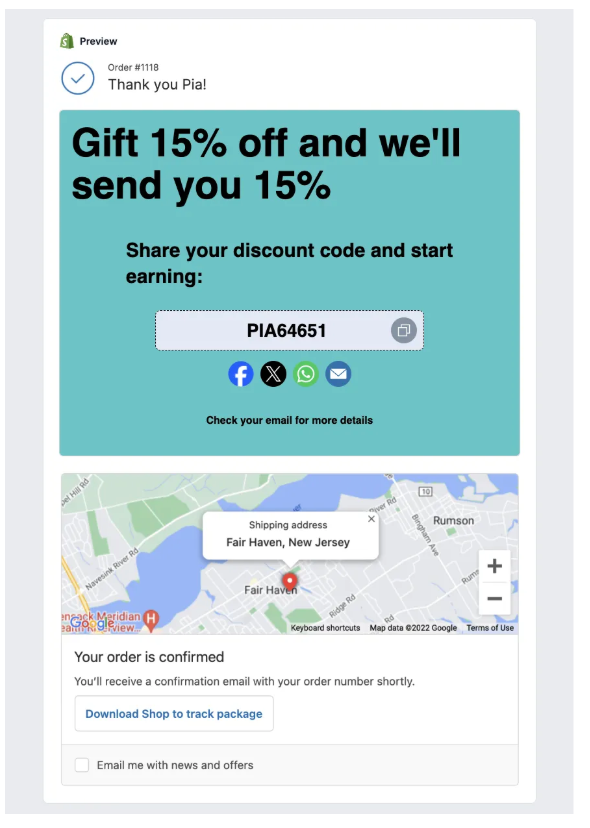
That’s clear, specific, and easy to understand within a few seconds.
Customers are already overloaded with emails, promotions, and notifications. If your thank-you page tries to explain too much, most people will ignore it.
Keep the copy concise, make the reward obvious, and remove friction from signup.
Tools like Social Snowball help brands automate this by letting customers join affiliate programs directly after checkout, reducing extra steps between purchase and participation.
The faster customers can activate and start sharing, the more likely they are to participate.

2. Reinforce the offer through post-purchase emails
Not every customer will notice your referral offer on the thank-you page. Some close the tab immediately after ordering. Others focus on shipping details or look for the confirmation email.
That’s why your post-purchase email flow plays such an important role in affiliate activation.
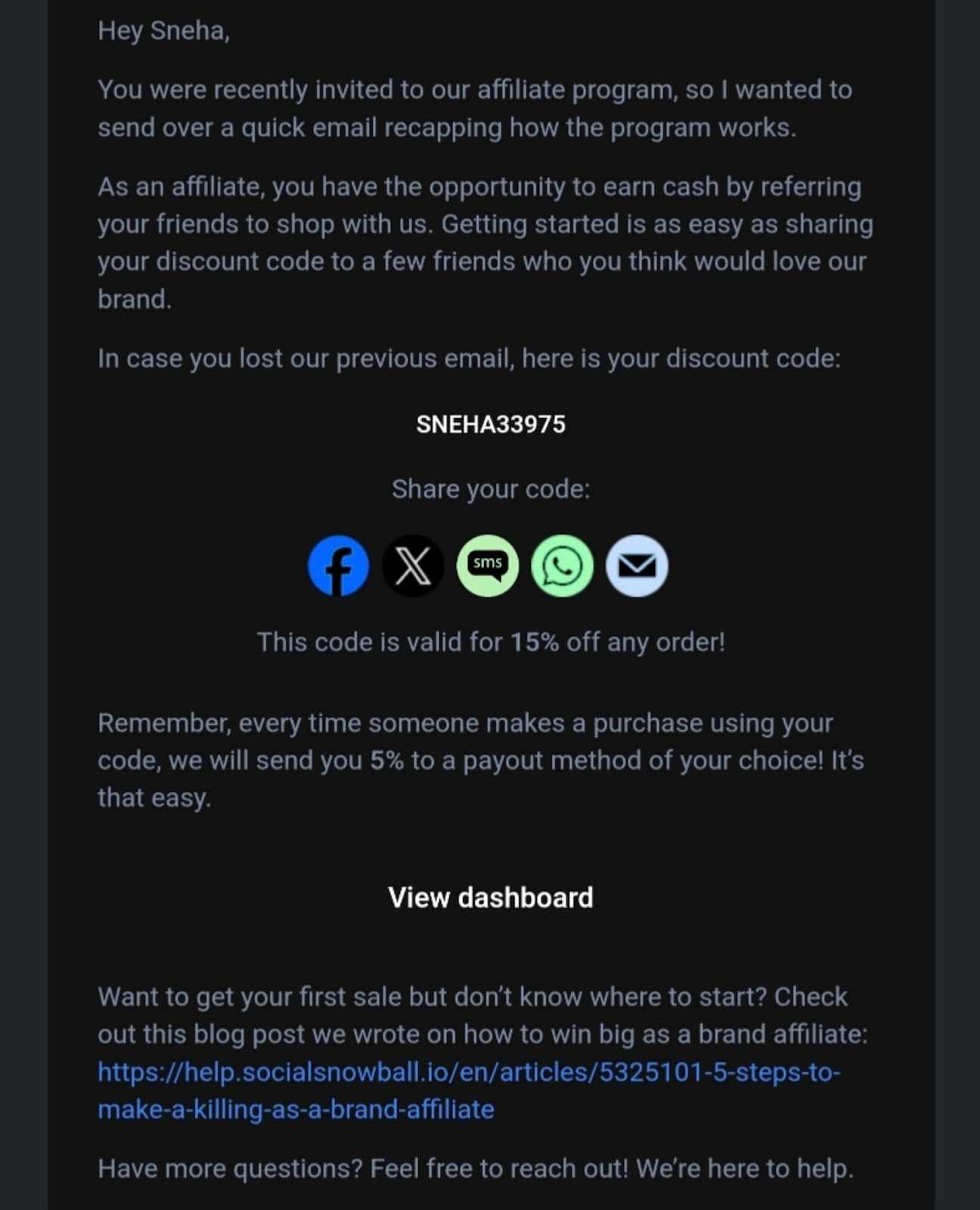
After the order confirmation, follow up with a dedicated email introducing the program more clearly. This gives you more space to explain the value without interrupting the checkout experience.
"Focusing on clarity and reducing friction is super important. What's the value proposition, and how do they get signed up in one or two clicks? People are busy...How do we get them signed up, and how do we make them care super quickly is super important."
Instead of simply announcing that your affiliate program exists, walk customers through why they should care. For example:
- What rewards can they earn?
- What do their friends get?
- How does the process work?
- How quickly can they start?
Fraser emphasizes clarity here for a reason. Participation drops quickly when customers need to figure things out themselves.
If someone has to calculate percentages, search for instructions, or click through multiple steps just to understand the offer, most will stop before signing up.
The strongest affiliate emails feel easy to skim and easy to act on. They usually include:
- A simple explanation of the referral program
- A clear incentive structure
- One primary CTA
- A direct signup affiliate link
- Short supporting copy focused on benefits
You can also make the opportunity feel more natural by framing it around sharing products customers already enjoy instead of simply asking them to “join an affiliate program.”
That feels natural because it matches how referrals actually happen in real life. Customers are already familiar with the product, which means trust is already there. Your job is simply to make sharing feel easy.
3. Create a dedicated affiliate landing page
Your affiliate program shouldn’t only exist inside checkout flows or email campaigns. You also need a permanent place on your website where customers can learn about the program whenever they are ready to join.
"Keep it simple, keep it super clear, make it easy to sign up, make the rewards known. Keep the form super simple, name, email. You can get more information later. Just get them into the funnel. Get them into the program and then go from there."
Fraser recommends building a dedicated affiliate or referral landing page and making it easy to find across your website.
Even simple navigation labels work well:
- Refer a Friend
- Affiliate Program
- Earn Rewards
- Ambassador Program
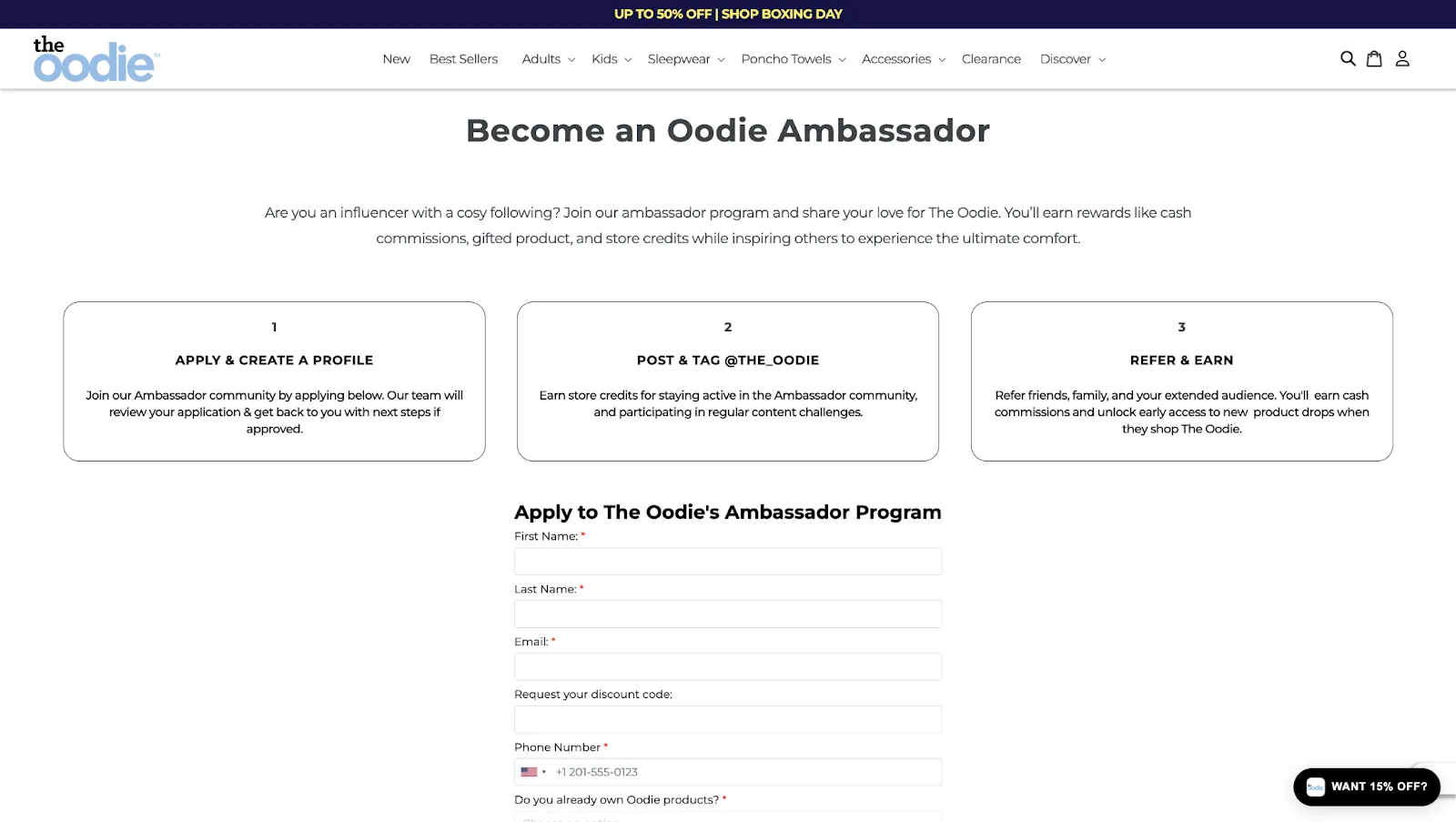
This page becomes your evergreen signup destination. Every touchpoint, including social posts, customer service conversations, email campaigns, SMS, and packaging inserts, can eventually direct people back here.
The goal of the page is straightforward: help someone understand the value and sign up within a few minutes.
You don’t need complicated copy or long explanations. In fact, too much information creates hesitation. Focus on the details customers actually care about:
- A simple overview of the program
- A clear reward structure
- An easy signup form
- Examples of how referrals work
- Social proof or testimonials
- Clear CTA buttons
- Common FAQs
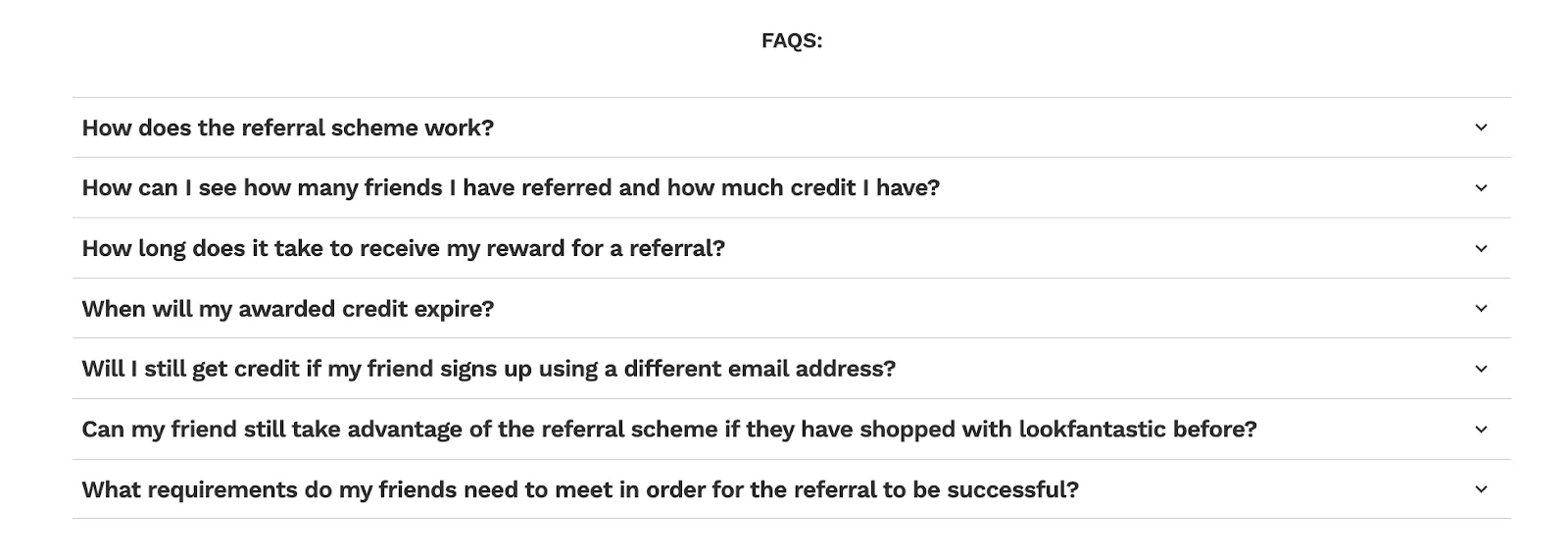
Fraser also points out an important operational detail: keep signup simple. You can always collect more information later.
At this stage, the priority is converting customers into affiliates quickly while intent is still high. If someone has to complete a long application just to join, participation usually drops.
This is where platforms like Social Snowball help streamline the process. Brands can automate affiliate onboarding, referral tracking, and rewards without creating extra friction for customers.
The easier it feels to join, the easier it becomes to turn existing customers into active advocates.
4. Give affiliates ready-to-use creative assets
Most customers are willing to share products they genuinely like. The problem is they often do not know what to post or how to talk about the product.
That’s why Fraser recommends giving affiliates ready-to-use creative assets they can use immediately.
"Anytime you can do some of the heavy lifting for your affiliates to set them up for success, that success is going to be returned back to you. Think about ways that you can give them things to make their job easier, make their promotion clearer, more on brand."
At Outway Socks, the team created branded templates designed specifically for platforms like Instagram Stories, TikTok, and social posts. Some templates even included designated spaces for affiliates to quickly add their referral code or link before sharing.
That small detail matters more than most brands realize.
When customers have to create everything themselves, many never get started. But when you hand them polished, ready-to-use assets, sharing feels much easier.
These assets also help maintain brand consistency across customer-generated posts. Instead of random screenshots or inconsistent messaging, your affiliates share content that already aligns with your positioning, visuals, and campaign messaging.
Useful affiliate creative assets can include:
- Instagram Story templates
- TikTok hooks or scripts
- Product graphics
- Lifestyle photos
- Discount callout templates
- Launch announcements
- Seasonal campaign creatives
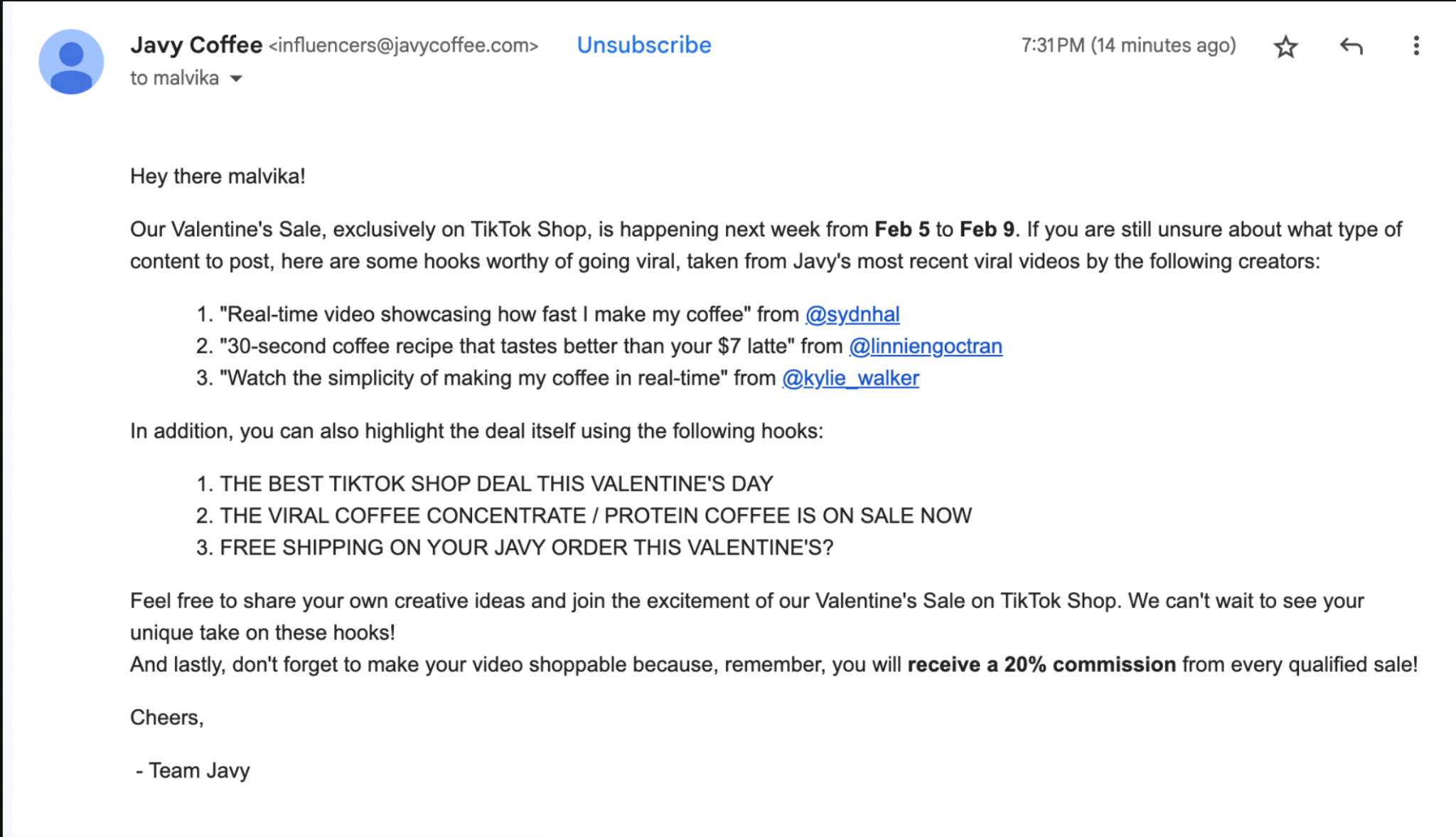
The format matters just as much as the content.
For example, a vertical Instagram Story template with space for a referral code is much easier to use than a generic website banner resized for social.
Fraser’s broader point is simple: the more heavy lifting you remove for affiliates, the easier it becomes for them to promote consistently.
Good affiliates don’t always need more motivation. Often, they just need a clearer starting point.
5. Promote the program across existing channels
One of the biggest mistakes brands make after launching an affiliate program is assuming customers will somehow discover it on their own.
Even strong programs need consistent visibility.
Fraser emphasizes this repeatedly throughout the course: the goal is not aggressive promotion everywhere, but making the program consistently visible across the channels customers already interact with.
The brands that get the most out of customer affiliate programs are usually the ones that integrate them into existing touchpoints instead of treating them like a separate initiative.
Organic social media
Your organic social channels are one of the easiest places to keep your affiliate program top of mind.
This doesn’t mean turning your Instagram or TikTok into a constant stream of “Join our affiliate program” posts. The goal is subtle repetition and visibility over time.
Fraser recommends weaving the program naturally into formats you already use, like Instagram Story highlights, TikTok mentions, Feed posts, and community updates. For example, brands could:
- Share affiliate success stories
- Mention referral rewards during launches
- Add occasional “Earn rewards by sharing” reminders in Stories
- Create a permanent “Referral Program” highlight on Instagram
Each of these touchpoints can direct customers back to your affiliate landing page.
This works especially well because customers are already engaging with your brand socially. Instead of introducing a new behavior, you’re layering the affiliate opportunity into channels they already pay attention to.
If you use Social Snowball, this becomes even easier to operationalise since affiliates already have access to links, discount codes, and rewards that can be shared directly across social platforms.

Email & SMS campaigns
Your existing customer list is one of the fastest ways to activate an affiliate program. When you first launch the program, Fraser recommends sending a dedicated campaign to your entire customer base, explaining it clearly.
Most customers will never know the program exists unless you actively tell them. Your messaging should answer a few simple questions:
- What is the program?
- What can customers earn?
- What do friends receive?
- How does someone join?
- Where can you sign up?
Beyond the launch, continue promoting the program inside existing lifecycle touchpoints such as post-purchase flows, VIP customer campaigns, loyalty emails, product restock notifications, and seasonal promotions.
SMS can also work well here, especially to drive customers directly to your landing page. Since text messages have limited space, keep the messaging short and action-oriented.
For example:
“Love your order? Share it with friends and earn rewards → [link]”
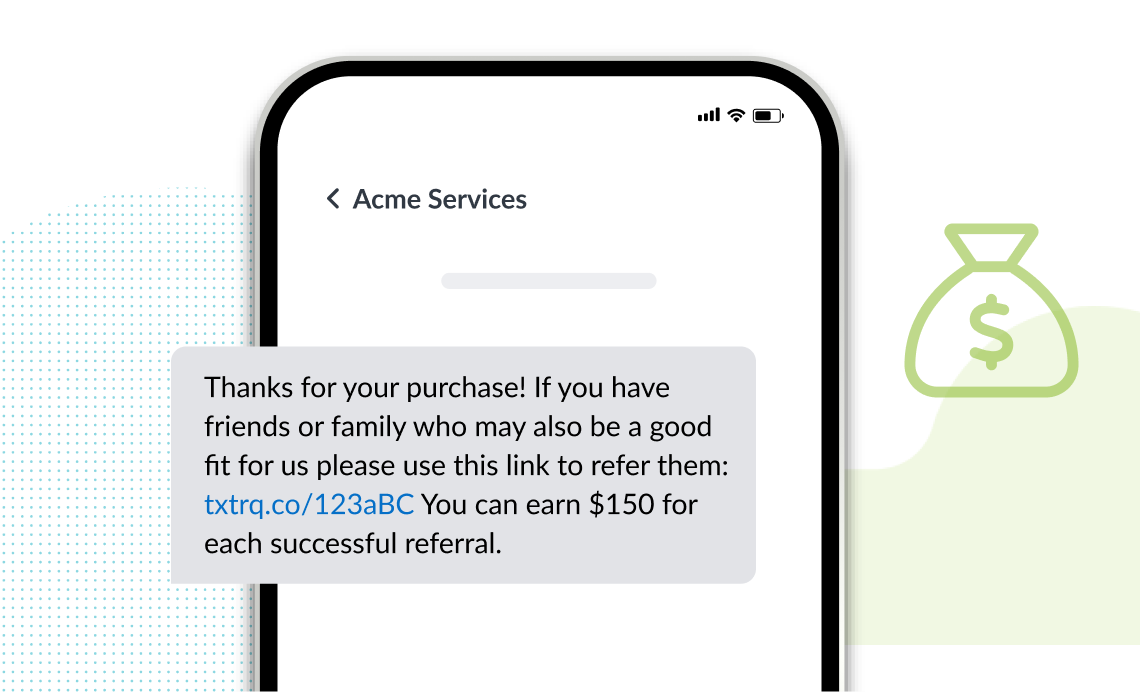
Customer service touchpoints
Customer service is one of the most overlooked affiliate activation channels. According to Fraser, customers who have a genuinely positive experience with support are often the most likely to recommend the brand afterward.
"If someone has a good experience with the brand, they're going to tell one person. If someone has a bad experience, they're going to tell many people. So you're better off to opt for good experiences. When people have good experiences, it's going to incentivize referrals anyway."
That makes support conversations a natural opportunity to introduce your referral program.
Imagine a customer reaches out about an issue and your team resolves it quickly. Once the problem is solved and the customer responds positively, that becomes a strong moment to introduce the program.
Something simple works best:
“Glad we could help. If you’ve been enjoying the brand, we also have a referral program where you can earn rewards by sharing us with friends.”
You’re reaching customers at a moment when trust is already high, and the brand experience feels personal, which makes the referral opportunity feel much more natural and effective.
6. Build a simple incentive structure
Your affiliate program ultimately comes down to one question:
Why should someone share your brand with other people?
If the rewards feel confusing, underwhelming, or difficult to understand, most customers will never participate, even if they genuinely like your product.
That is why Fraser recommends keeping incentives simple from the beginning.
The easier it is for customers to understand what they will earn, the more likely they are to participate confidently.
"We wanted to give some level of certainty. If I'm going to refer this to my friends, how much can I make and why? If you say, 'You're going to get $20 for everyone that you refer that makes a purchase,' it's super clear. I know what I'm getting. I know what to expect. There's no guesswork. There's no math involved."
Most customer affiliate programs usually follow one of two reward models:
- Flat rewards per referral (Earn $20 every time someone places an order)
- Percentage-based commissions (Earn 10% of every sale)
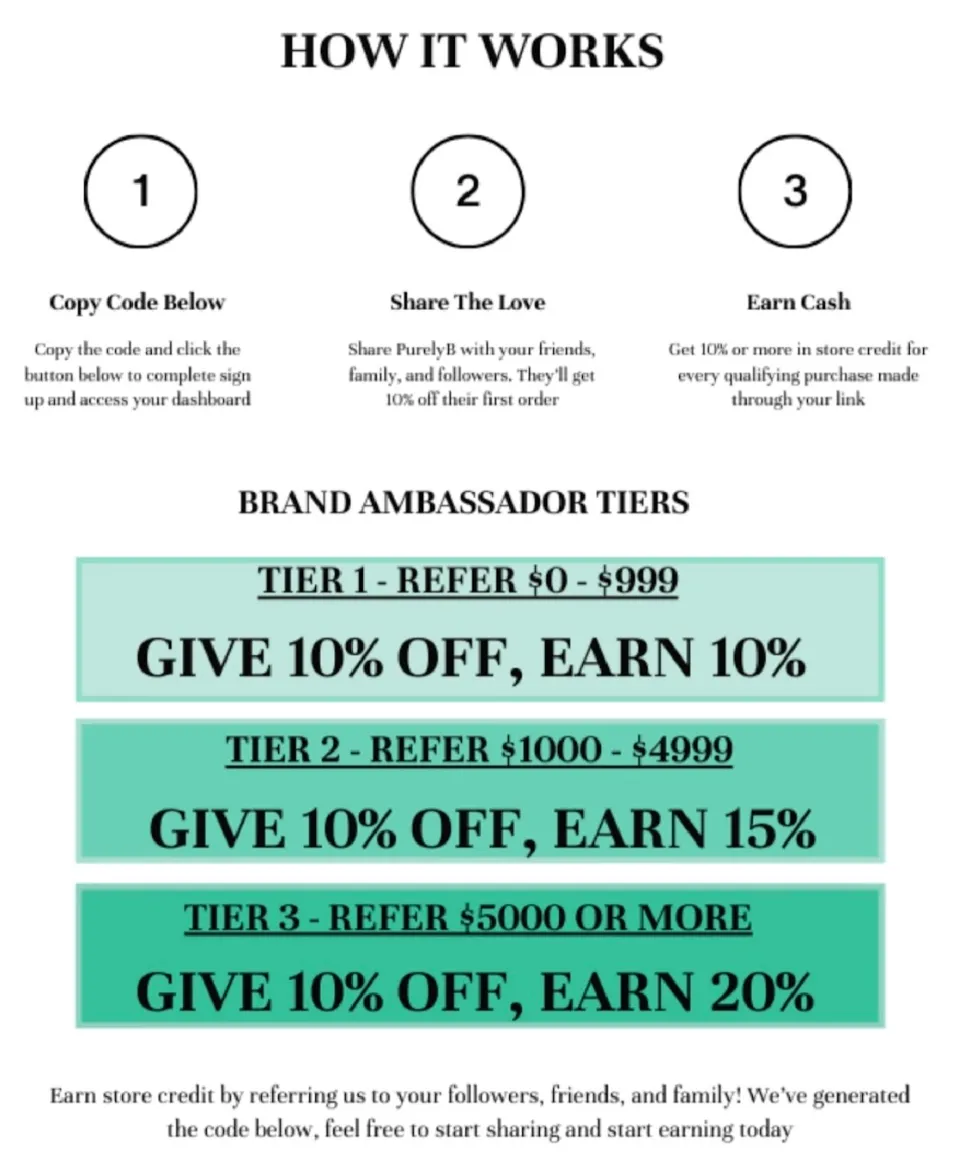
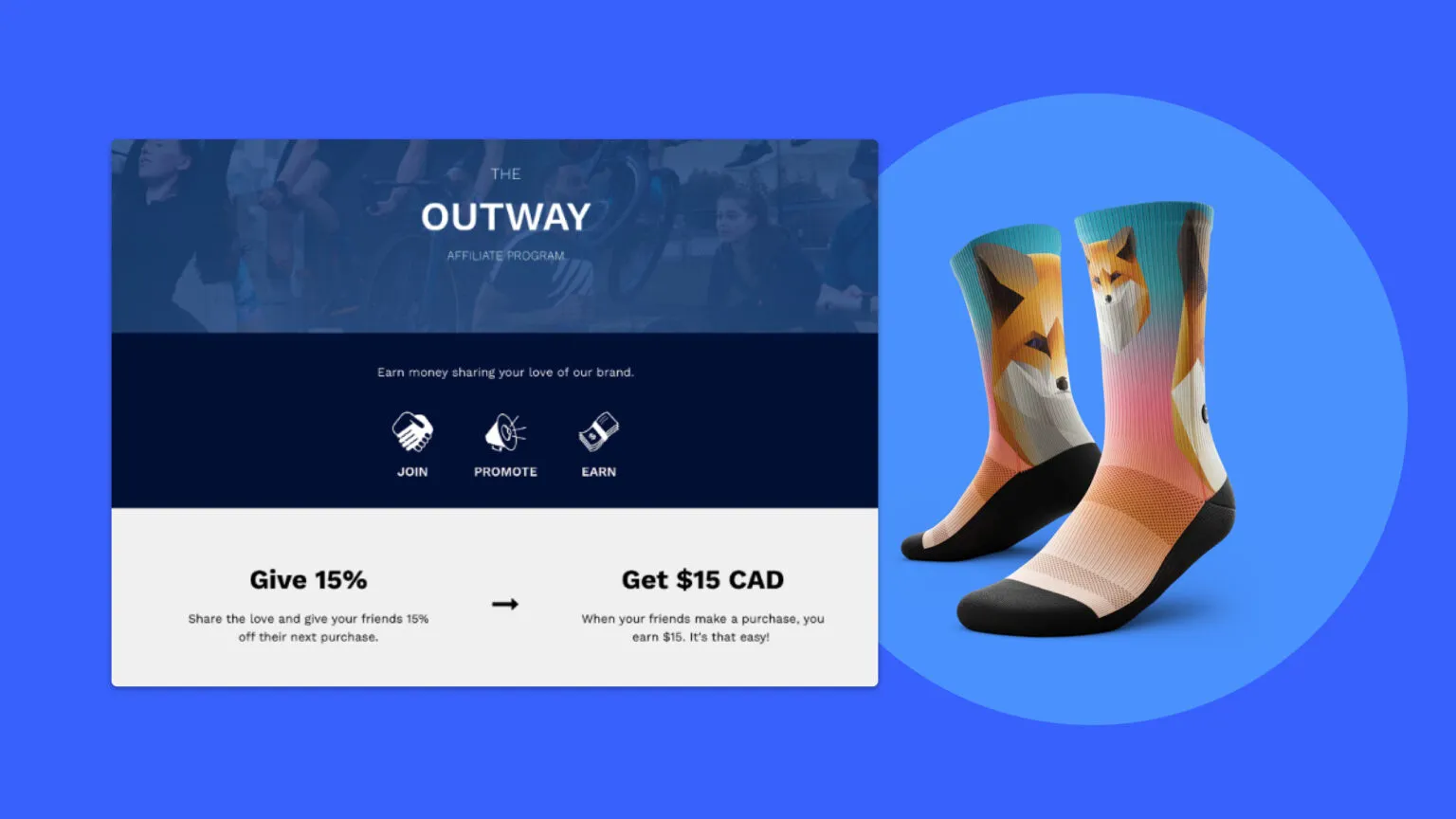
At Outway Socks, Fraser preferred the flat reward structure because customers instantly understood the value.
If someone refers a friend and earns $15 every time, there’s no calculation involved. They immediately know what the reward is worth and what to expect after every successful referral.
You should also think about what feels genuinely motivating for your audience. For example, a low-priced consumable product may benefit from store credits or repeat purchase incentives, while higher-AOV brands may have more flexibility with flat cash rewards.
The broader goal is to create a reward structure that customers can understand within seconds and feel excited to share naturally.
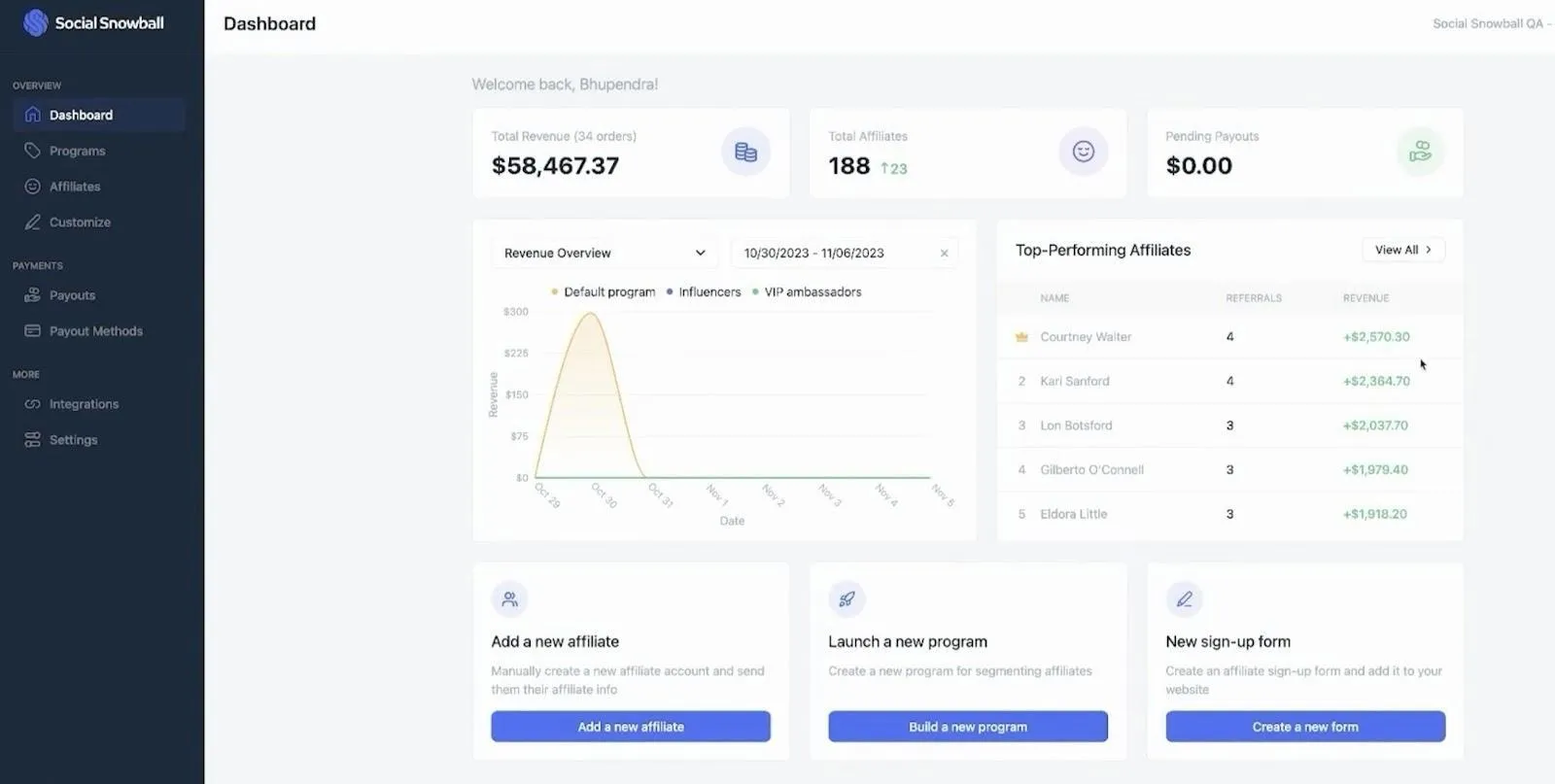
This is where Social Snowball becomes particularly useful for ecommerce brands. Instead of manually managing referral tracking, discount codes, payouts, and affiliate attribution, the platform automates the operational side of customer referrals so you can focus on scaling participation.
7. Structure rewards around CAC
One of the smartest points Fraser makes in the course is that affiliate rewards should not exist separately from your acquisition strategy. You should evaluate referral incentives the same way you evaluate paid customer acquisition costs.
Before deciding what to offer affiliates, calculate how much you already spend to acquire a customer through channels like Meta, Google, TikTok, or influencer campaigns.
"You should look at how much you're willing to pay to acquire a new customer, remembering that referral sales and affiliate sales are high conversion because it's high trust. Someone's already made a purchase, already a fan of the brand telling someone else to buy. It's more likely they're going to purchase versus being served an ad on Facebook."
Then compare that against the total cost of a referral conversion, including affiliate reward, customer discount, and operational costs.
For example, if your average paid acquisition cost is $45 and your referral program costs $25 to acquire a new customer, the economics may already work strongly in your favour.
Referral customers also tend to convert at a higher rate because the recommendation comes from someone they already trust. That trust changes the buying behaviour completely.
A customer discovering your brand through a friend’s recommendation usually arrives with far less skepticism than someone clicking a cold ad for the first time. That often leads to:
- Higher conversion rates
- Lower acquisition costs
- Better customer quality
- Stronger repeat purchase behaviour
That’s why Fraser recommends treating customer affiliate programs as an acquisition channel, not just a loyalty initiative.
Your exact incentive structure will depend on factors like margins, average order value, and customer lifetime value.
But the principle stays the same: The reward should feel meaningful to customers while still making financial sense for the business.
8. Expand beyond digital touchpoints
The strongest affiliate programs don’t rely only on emails and landing pages. Fraser encourages brands to think more broadly about every place customers interact with the brand and how those moments can naturally become referral opportunities.
Sometimes the highest-converting touchpoints happen outside traditional digital marketing channels. For example:
- QR codes inside packaging
- VIP customer groups
- Community events
- Brand meetups
- Product inserts
- Offline activations
Customer affiliate programs work best when they feel embedded into the brand experience rather than treated like a separate marketing campaign.
The more naturally customers encounter referral opportunities across real interactions with your brand, the easier it becomes to build sustainable word-of-mouth growth over time.
Ready to turn your customers into your best affiliate channel?
Customer affiliate programs work best when they feel simple, visible, and easy to participate in. The goal is not just to get more affiliate signups. It’s to build a repeatable word-of-mouth engine powered by people who already trust your brand.
Before you launch or scale your program, make sure you have:
- A clear post-purchase referral flow.
- Simple, easy-to-understand incentives.
- A dedicated affiliate landing page.
- Email, SMS, and social promotion touchpoints.
- Ready-to-use creative assets for affiliates.
- Referral rewards are structured around your CAC goals.
Social Snowball helps ecommerce brands turn these strategies into a scalable acquisition channel by automating customer affiliate signups, referral tracking, rewards, payouts, and attribution, all from a single platform.

.avif)