Influencer discovery directly determines whether an influencer program drives sales or stalls out. When brands choose the wrong creators, they lose time, waste budget, and struggle to turn word-of-mouth into revenue.
Many ecommerce teams still rely on manual discovery. They scroll TikTok or Instagram, track profiles in spreadsheets, and make decisions based on follower count or surface-level engagement. That approach makes it hard to identify creators who actually influence buying decisions.
AI-powered influencer discovery tools change your workflow. These tools use audience alignment, content behavior, and historical performance signals to surface creators who are more likely to convert. Teams spend less time searching and more time activating partners who can drive results.
This guide covers the best AI-powered influencer discovery tools for ecommerce brands, explaining how each one works and which teams they’re best suited for.
Top AI-powered influencer discovery tools for ecommerce brands
Below are influencer discovery tools that stand out because they combine AI-driven discovery with workflows that actually support execution through outreach, activation, and performance tracking.
1. Creator Search by Social Snowball
Best for: Lean to mid-sized, high-growth Shopify brands running performance-focused influencer or affiliate programs that need to source creators at scale.
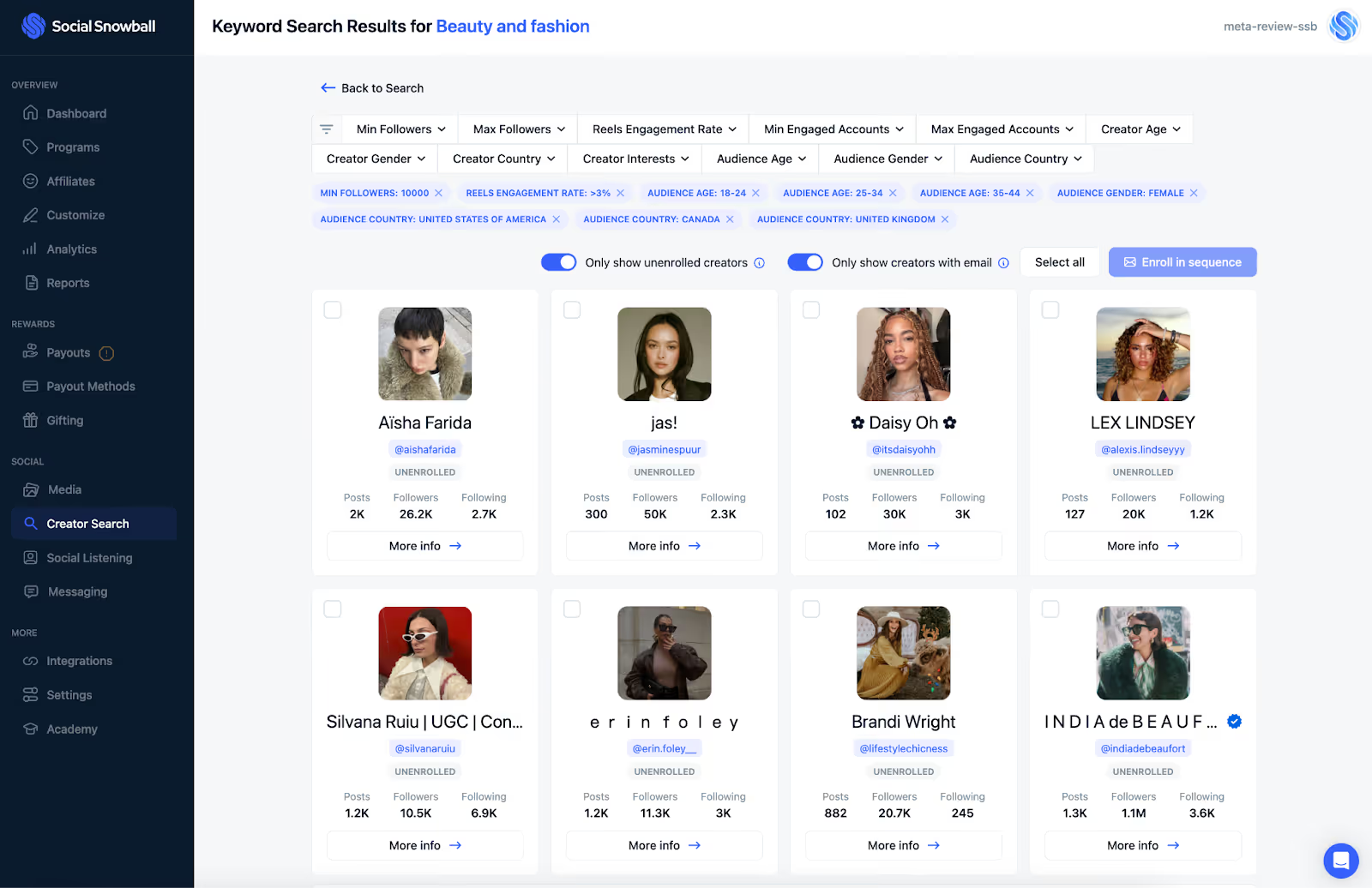
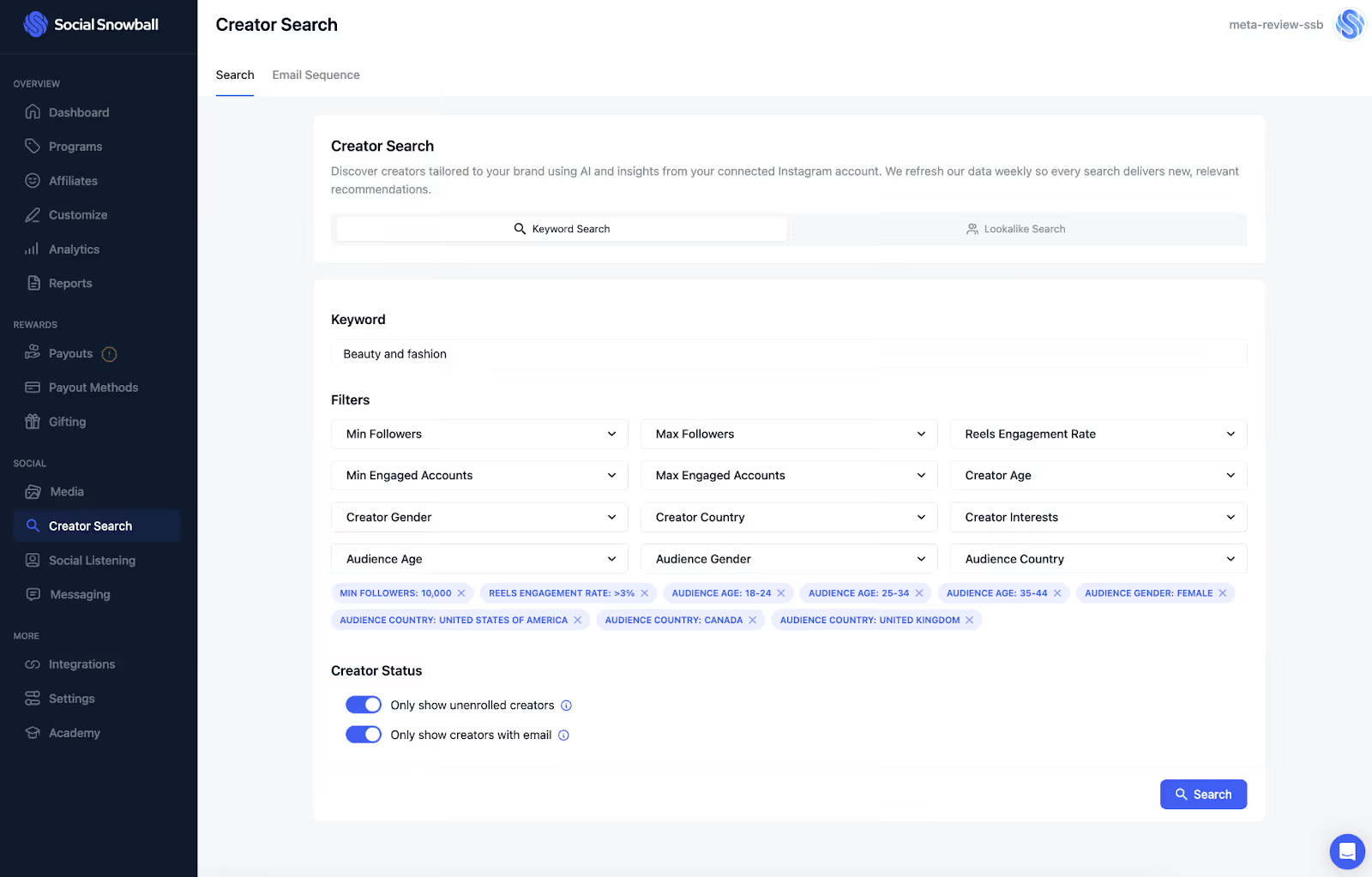
Creator Search is the ultimate creator search engine built for teams running performance-focused influencer marketing programs. Instead of relying on a static influencer database or surface-level metrics, it uses AI to surface creators based on influencer content signals, audience quality, and historical performance indicators tied to buying behavior.
Brands can discover creators in two ways:
- Keyword-based discovery allows you to find the top influencers already talking about relevant problems, routines, or use cases.
- AI lookalikes lets you scale past wins by finding creators who closely match top performers in audience behavior, content style, and engagement patterns.
What sets Creator Search apart is how discovery connects to execution. Once creators are identified, teams can move directly into outreach, onboarding, affiliate activation, and performance tracking within the same workflow.
Since Creator Search runs within Social Snowball, discovery connects directly to affiliate tracking, campaign management, and payouts. That removes operational handoffs and keeps influencer programs focused on revenue, not admin.
Features:
- Discovery through keywords: Use keyword search to find influencers aligned with your niche, buyer intent, and influencer marketing goals.
- AI lookalike engine: Analyze top-performing influencer profiles and show similar creators based on audience behaviour, content themes, engagement rate, and posting patterns.
- Performance-driven filters: Narrow results using follower count, location, content format, audience demographics, audience quality, engagement rate, and past brand partnerships.
- In-depth influencer profiles: Review influencer profiles with audience insights, content history, partnership signals, and quality indicators to identify fake followers early.
- Unified influencer search and outreach: Add creators to outreach lists and launch automated email sequences directly from your influencer search tool, without exporting data.
- End-to-end automated workflows: Take creators from discovery to onboarding with built-in links, fraud-protected codes, campaign briefs, and clear activation steps, without manual handoffs.
- Shopify-native tracking and measurement: Tie creator discovery directly to affiliate tracking, UGC attribution, and real-time performance metrics within your Shopify stack.
Strengths:
- Creator Search lets you find influencers based on relevance and buying influence instead of raw follower count.
- AI lookalikes turn one strong partnership into a repeatable sourcing strategy.
- Discovery, influencer outreach, and activation live in one system, which helps streamline workflows.
- Strong fit for TikTok and Instagram influencer programs tied to ecommerce revenue.
- Reduces time spent vetting creators manually and improves response rates.
Limitations:
- Built primarily for Shopify-based ecommerce teams, which may limit flexibility for non-Shopify setups.
- Optimized for performance-led influencer and affiliate programs, not one-off, awareness-only campaigns.
2. Upfluence
Best for: Mid-sized to large ecommerce brands with dedicated influencer or partnerships teams running structured programs across multiple platforms.
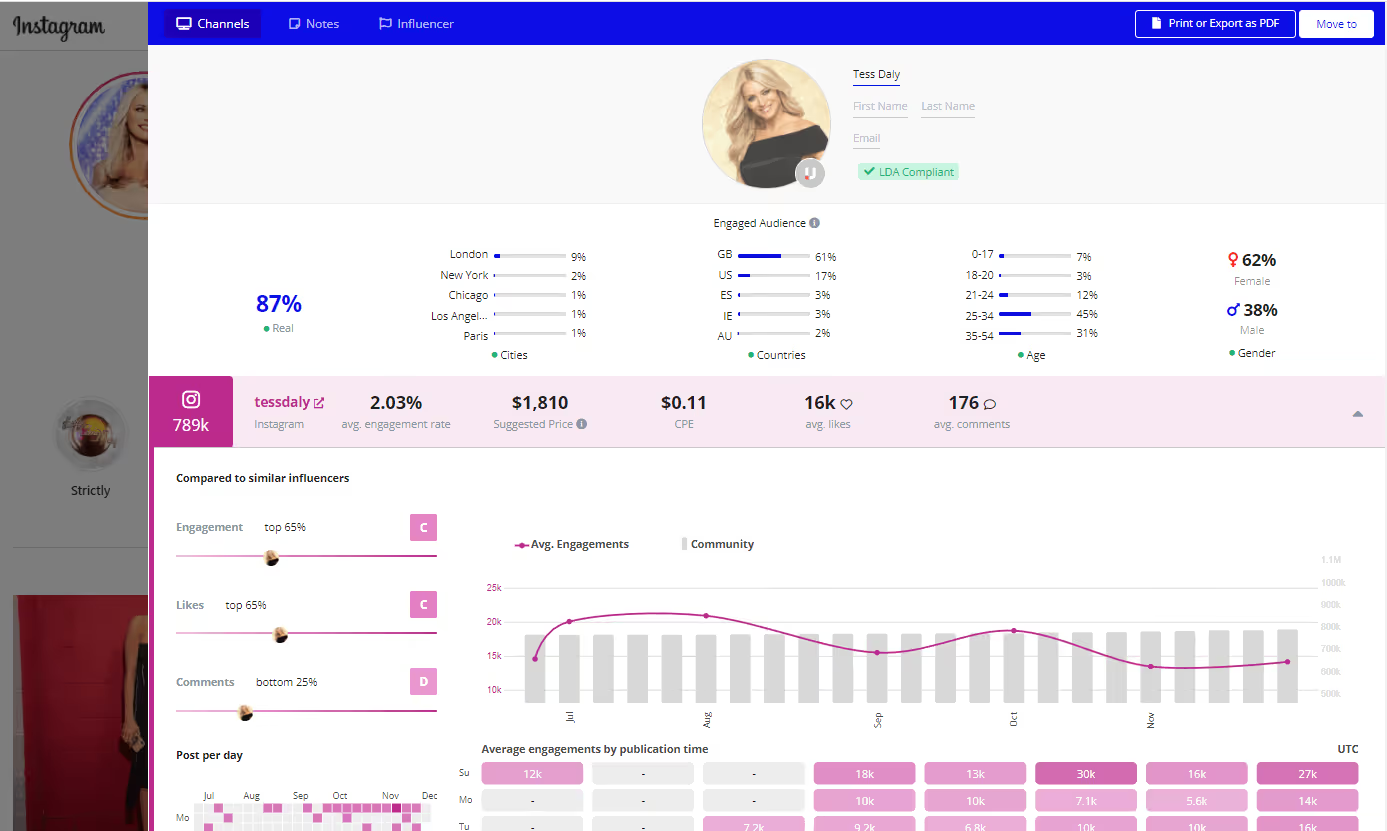
Upfluence is an influencer marketing platform built around large-scale creator discovery and campaign execution. It combines a broad creator database with AI-powered search and social listening to help brands find influencers across TikTok, Instagram, YouTube, Twitch, and blogs.
The platform supports multiple sourcing paths. Teams can proactively search for creators, run inbound application-based campaigns, or identify influential customers who already engage with the brand.
Features:
- AI-powered influencer search (Jaice AI): Use an AI-powered influencer search tool to find influencers based on niche, audience match, content behaviour, and engagement rate, instead of relying only on follower count.
- Large influencer database across platforms: Access millions of influencer profiles across TikTok, Instagram, YouTube, Twitch, and blogs, making it easier to build a broad list of influencers for different campaign types.
- Advanced audience and demographic filtering: Filter creators using audience demographics, audience quality, location, engagement rate, and brand affinity to improve creator fit before outreach.
- AI lookalikes and brand affinity discovery: Use lookalikes to search creators with similar audiences and content styles, or identify influencers who already mention your brand through social listening.
- Campaign management and outreach tools: Manage influencer outreach, email templates, automated follow-ups, approvals, and campaign briefs from a central dashboard.
Strengths:
- A large influencer database makes it easier to find influencers across many platforms.
- Strong audience insights and demographic filters support better creator vetting.
- Flexible discovery methods, including influencer search, lookalikes, and social listening.
Limitations:
- Steep learning curve for smaller teams due to the platform’s depth and breadth.
- Requires ongoing setup and hands-on management, making it better suited for teams with dedicated influencer resources.
- Discovery is database-driven, which can prioritise scale over purchase intent unless workflows are tightly managed.
- Optimised for managed influencer campaigns rather than lean, performance-driven affiliate programs.
- Pricing may be excessive for teams that only need influencer discovery without full campaign execution.
3. GRIN
Best for: Mid-sized to enterprise brands with dedicated influencer marketing teams that run structured influencer programs across multiple social media platforms.
GRIN is a full-scale influencer marketing platform built to support high-volume influencer marketing campaigns from discovery through payment. Its Creator Discovery Suite combines influencer search, social listening, inbound creator applications, and lookalike discovery across Instagram, TikTok, and YouTube. This gives teams multiple sourcing paths depending on how mature and structured their program is.
Features:
- Creator discovery suite: Search for influencers through database search, social listening, inbound creator landing pages, and browser extensions to support different sourcing workflows.
- AI assistant for influencer search (Gia): Use an AI-powered assistant to find influencer profiles based on audience size, content style, brand values, and performance criteria, then move directly into influencer outreach.
- Large influencer database: Access a broad database of creators across Instagram, TikTok, and YouTube with filters for demographics, follower count, engagement rate, and posting frequency.
- Creator and audience lookalikes: Find similar creators based on existing partners by analysing audience demographics, content themes, engagement patterns, and historical performance.
- Audience reports and vetting tools: Review audience quality indicators, demographic breakdowns, and engagement metrics to reduce the risk of fake or low-quality followers.
Strengths:
- Broad discovery options support multiple ways to find influencers.
- Strong audience demographics and engagement rate analysis for vetting creators.
- Well-suited for managing large influencer programs and long-term partnerships.
Limitations:
- Steep learning curve for smaller or lean teams.
- Platform depth can slow workflows without clear internal processes.
- Influencer data accuracy can vary and may require manual validation.
- Reporting and payout workflows are less optimised for performance-led affiliate use cases.
- Ongoing setup and management require dedicated internal ownership.
4. Modash
Best for: Lean to mid-sized Shopify ecommerce teams that want a single platform for influencer discovery, vetting, outreach, tracking, and payments without stitching together multiple tools.
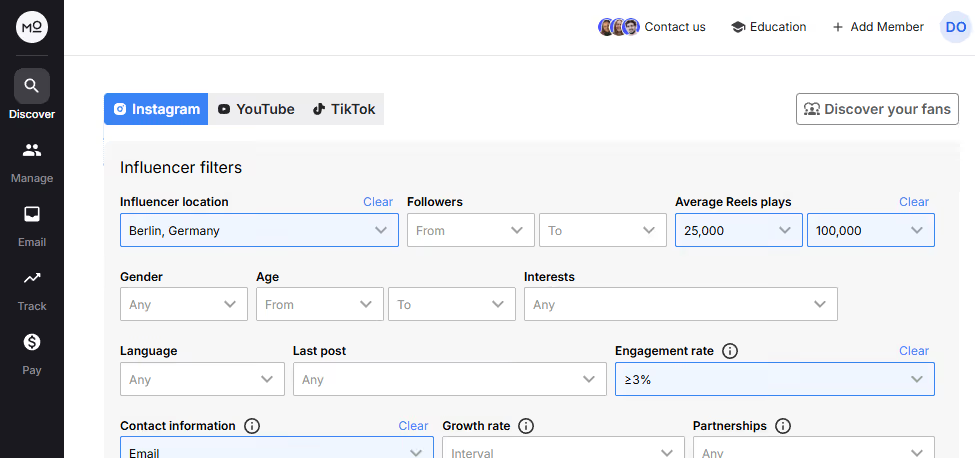
Modash is an end-to-end influencer marketing platform built for ecommerce brands that want strong creator discovery paired with execution. Its AI-powered influencer discovery feature lets you find creators based on content context, visual style, and audience quality, not just keywords or follower count.
With native Shopify support, Modash works best for teams that want influencer discovery closely tied to campaigns, tracking, and payouts, rather than standalone research.
Features:
- AI-powered influencer search: Use natural language queries or images to find influencers by aesthetic, context, and content themes across Instagram, TikTok, and YouTube.
- Large influencer database: Access an influencer database covering public creators with 10k+ followers across supported platforms, with additional standard search down to 1k+ followers.
- Advanced filtering and vetting: Refine influencer search results using follower count, engagement rate, audience demographics, audience quality, location, growth rate, and fake followers detection.
- Visual and contextual lookalikes: Identify similar creators by analysing visual elements, content context, posting behaviour, and aesthetics from existing posts.
- Influencer outreach and relationship management: Connect Gmail or Outlook to manage influencer outreach, follow-ups, internal notes, and creator status from a single interface.
- Global payments and affiliates: Pay creators worldwide, set up affiliate tiers, and let creators choose preferred currencies without manual invoicing.
Strengths:
- Strong AI-powered discovery makes it easier to find niche and visually aligned creators.
- Visual search and lookalikes help uncover relevant influencers that keyword searches miss.
- Solid influencer vetting with clear signals for fake followers and audience quality.
- Covers discovery, outreach, tracking, and payments in one platform.
Limitations:
- Contracting and deliverables management still require external tools that require manual effort.
- Reporting depth for benchmarking and cross-campaign comparisons is limited.
- Interface prioritises function over polish, which may feel utilitarian to some teams.
- Estimated reach metrics (especially for Stories) may need manual validation.
5. Insense
Best for: Ecommerce brands and agencies with small to mid-sized teams that need to scale UGC production and influencer marketing campaigns quickly, without building a large in-house creator or production team.
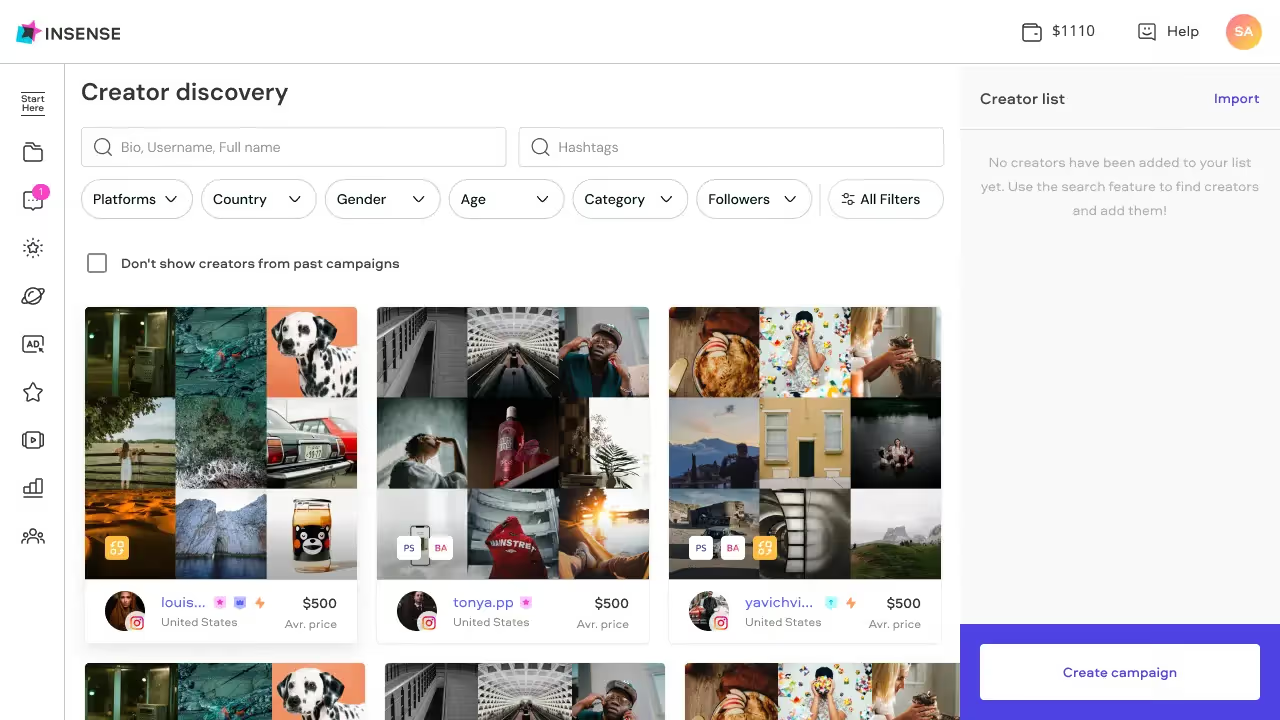
Insense is built around execution. It combines influencer discovery, collaboration, and UGC production into one system, with a strong focus on content output rather than long-term influencer relationship building. You can source creators from a vetted marketplace, manage briefs and approvals, handle payments, and store assets in a central content library.
Features:
- Creator marketplace and outreach: Access a vetted marketplace of 75,000+ influencers and UGC creators, alongside a broader outreach database with millions of creator profiles.
- Advanced creator filtering: Narrow content creators by country, audience demographics, engagement rate, platform, niche, and eligibility for TikTok Shop or Amazon Storefront campaigns.
- In-platform creator communication: Collaborate with creators through built-in chat to review drafts, clarify feedback, and manage revisions without relying on external tools.
- UGC and campaign management dashboard: Track applications, hired creators, content status, approvals, and key performance metrics from a single campaign view.
- Payments and compliance: Handle creator payments through a wallet-based system with built-in protections and clear ownership of commissioned content.
Strengths:
- Strong all-in-one setup for UGC and influencer marketing campaigns.
- Access to vetted creators with clear reviews and performance signals.
- Structured briefs and built-in messaging reduce misalignment with creators.
- Well-suited for product seeding, gifting, and ad-ready UGC at scale.
- Flexible mix of self-serve workflows and managed services.
Limitations:
- Trial plan offers limited access compared to paid tiers.
- Onboarding can take time due to the platform’s breadth.
- Managed-service briefs can feel generic if not closely reviewed.
- Less suited for brands prioritising long-term influencer or affiliate relationships over content production.
6. TikTok Creator Marketplace
Best for: Small to mid-sized ecommerce teams and agencies that want to test and activate creators on TikTok quickly, without building complex workflows or long-term influencer infrastructure.
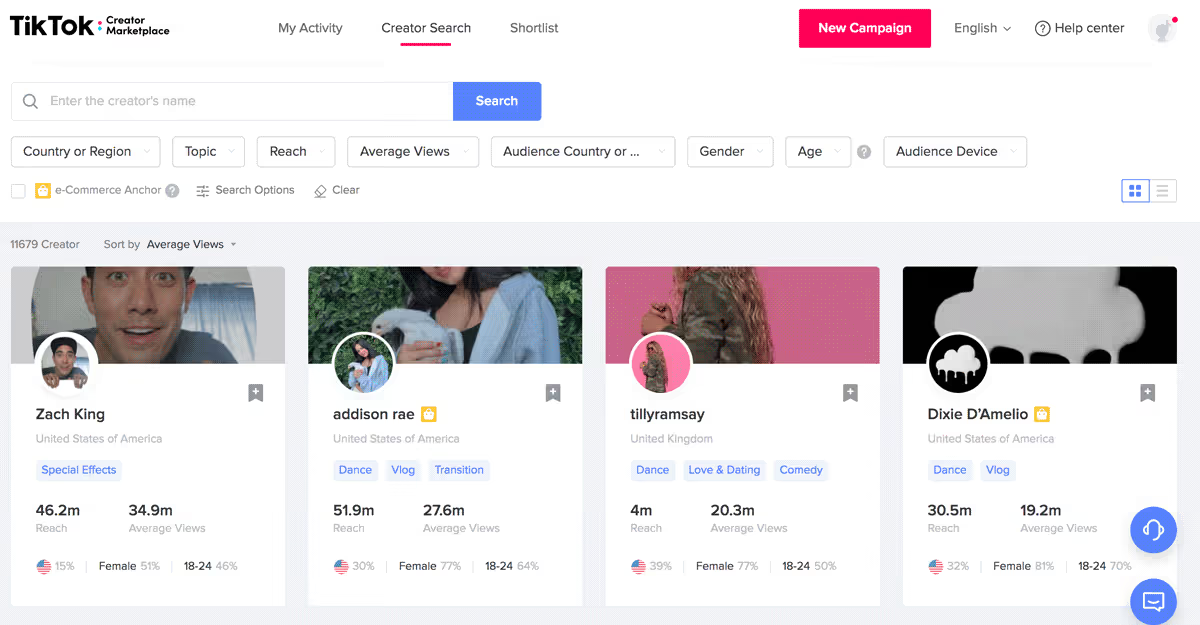
TikTok Creator Marketplace is TikTok’s built-in creator discovery and collaboration platform. It gives you direct access to creators using TikTok’s first-party data, allowing you to discover influencers, send briefs, manage approvals, and review performance without leaving the TikTok ecosystem.
The platform is designed for speed and early validation. Brands can move from discovery to live content quickly, making it effective to test creator formats, validate messaging, and identify which creators drive engagement or sales on TikTok.
Read how you can use TikTok for affiliate marketing.
Features:
- Native creator discovery using first-party data: Search creators by niche, location, audience demographics, average views, engagement rate, and recent performance using TikTok’s internal metrics.
- Verified creator profiles: Review influencer profiles that already meet TikTok’s platform requirements, including content history and prior brand collaborations.
- Structured campaign briefs and approvals: Define objectives, deliverables, timelines, and compensation upfront, then manage submissions and approvals inside a single dashboard.
- Open applications for inbound creator pitches: Publish campaigns that allow creators to apply directly, surfacing creators with clear intent and creative ideas.
- TikTok Shop affiliate program integration: Connect creators to TikTok Shop affiliate links so attribution, commissions, and payouts are handled natively within TikTok.
Strengths:
- Direct access to TikTok’s first-party creator and performance data.
- Fast way to source influencers and launch influencer marketing campaigns on TikTok.
- Strong fit for TikTok Shop, affiliate-driven content, and Spark Ads.
- Structured briefs reduce misalignment during short campaigns.
- Useful for testing creators and content formats quickly.
Limitations:
- Limited relationship management after campaigns end.
- Not built for long-term influencer or affiliate programs.
- Payouts and lifecycle tracking are confined to TikTok’s ecosystem.
- Becomes harder to scale as creator volume grows across multiple channels.
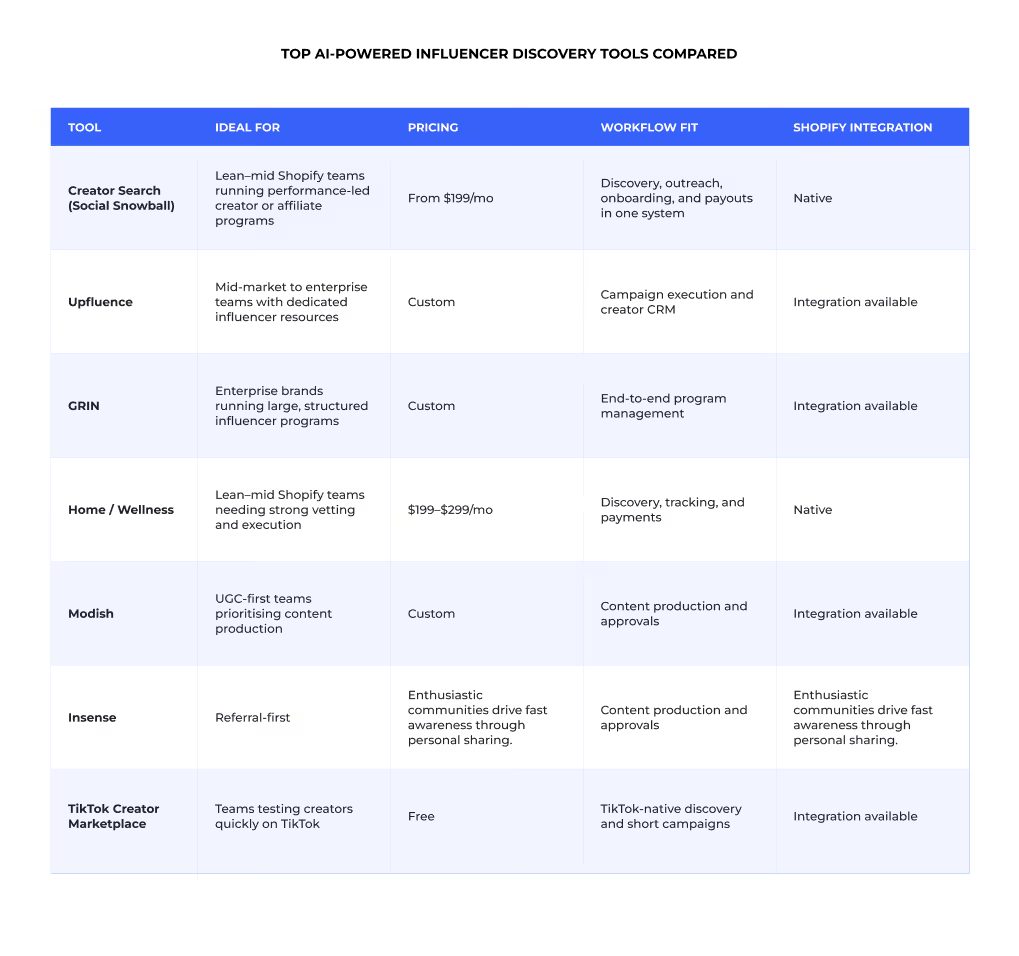
Factors to consider when picking the right tool for your business
Before comparing features or pricing, get clear on how creator discovery fits into your growth engine. The right tool shortens the path from finding relevant creators to seeing revenue. The wrong one adds review cycles, manual work, and slows activation.
Use the factors below to evaluate tools based on how well they support real execution, not how polished the dashboard looks.
1. Ability to align with the primary goal
Start with outcomes, not reach. If your goal is revenue, the tool should surface creators who influence purchase decisions, not just generate views. Look for tools that connect discovery to commerce signals like past referrals, affiliate activity, or shoppable content.
When discovery stops at audience size, the real filtering still falls on your team.
2. Visibility into past performance
A strong discovery tool shows how creators have performed in real campaigns, including sales impact, content output, and consistency. Sales impact, posting consistency, and prior brand work should be visible upfront.
When performance history is clear, vetting becomes faster, letting you confidently pick and activate the best influencers for your brand.
3. Workflow integration
Discovery should move directly into execution. If you need to export lists, assign links manually, or switch tools to onboard creators, friction builds quickly.
The right tool connects discovery to onboarding, tracking, and payouts so creators can go live without operational delays.
4. Discovery capabilities
How creators are identified matters more than how many are available. Strong discovery relies on behavioural and content patterns, audience relevance, and platform activity.
This is especially important on fast-moving platforms like TikTok, where trends and buying behaviour change quickly and databases age fast.
5. Filter capabilities
As volume grows, precision matters. You should be able to narrow creators by platform, region, audience type, content format, and performance indicators.
Granular controls reduce your shortlist to creators worth contacting and eliminate manual cleanup later.
6. Integration with social platforms
Not all integrations work the same way. Some tools only pull public profile data, while others connect deeper into commerce and attribution layers.
With Social Snowball, integrations differ by platform:
- TikTok: Social Snowball connects with TikTok Shop to track creator-driven sales and save shoppable UGC directly into your media library.
- Meta (Instagram): The integration focuses on affiliate tracking, content attribution, and performance measurement rather than native in-app checkout.
7. Pricing and scalability
Pricing needs to hold up as volume increases. Evaluate how costs change as you add creators, increase sales, or expand campaigns.
Scalable tools support growth without forcing constant plan upgrades or manual workarounds that inflate CAC over time.
8. Outreach and activation support
Discovery only creates value when creators actually post. The tool should support outreach, onboarding, link or code assignment, gifting, and rewards.
Faster activation leads to faster feedback, which is essential when testing and scaling creator programs.
Ready to find the right influencers for your ecommerce business?
AI has changed how creator discovery works. You no longer have to rely on manual research or vanity signals to decide who is worth your time. Instead, you can identify creators based on how they influence buying decisions and act on that insight quickly.
The right tool comes down to fit. It should match your goals, your team’s workflow, and how you expect creators to drive revenue. When discovery connects directly to outreach, activation, and measurement, creator partnerships stop feeling experimental and start becoming a repeatable growth channel.
If you’re looking for an AI-powered influencer discovery tool built for performance-led ecommerce teams, Social Snowball may be the right fit. It helps you discover creators, activate them as affiliates, track sales across Shopify and TikTok Shop, and manage payouts, all from one dashboard.

.avif)