
.avif)
Influencer campaigns look easy from the outside. You see brands going viral on TikTok, creators posting glowing reviews, and revenue spikes after a product mention.
But what you don’t see are the vague briefs, the missing usage rights, the tracking links that were never set up, the creators who didn’t convert, and the budget that was spent quickly.
That’s why we spoke with Robyn Nissim. She has built influencer programs for Ulta Beauty and led social at brands like Anastasia Beverly Hills and Alo Yoga. She broke down the five non-negotiables every DTC brand should lock in before they start spending on creators.
If you’re planning your next influencer campaign, go through this guide first.
1. Get crystal clear on your objective
Too many brands start influencer campaigns with a general goal like to increase visibility. That is not specific enough to guide execution. You need a clear outcome tied to a business objective.
Define what you are trying to accomplish with the influencer partnership campaign. Your goal may be to:
- Build brand awareness and expand reach within your target audience.
- Grow your own social accounts by leveraging creator distribution.
- Generate user-generated content because your internal team does not have the production capacity.
- Drive qualified traffic and measurable revenue.
- Test an affiliate structure where creators earn a revenue share based on performance.
Your answer determines everything that follows.
If you need UGC, you must decide whether creators will post the content themselves, deliver assets for your brand to post, or do both. That impacts usage rights and influencer pricing.
If your goal is awareness, you will evaluate saves, shares, and engagement differently than you would for revenue.
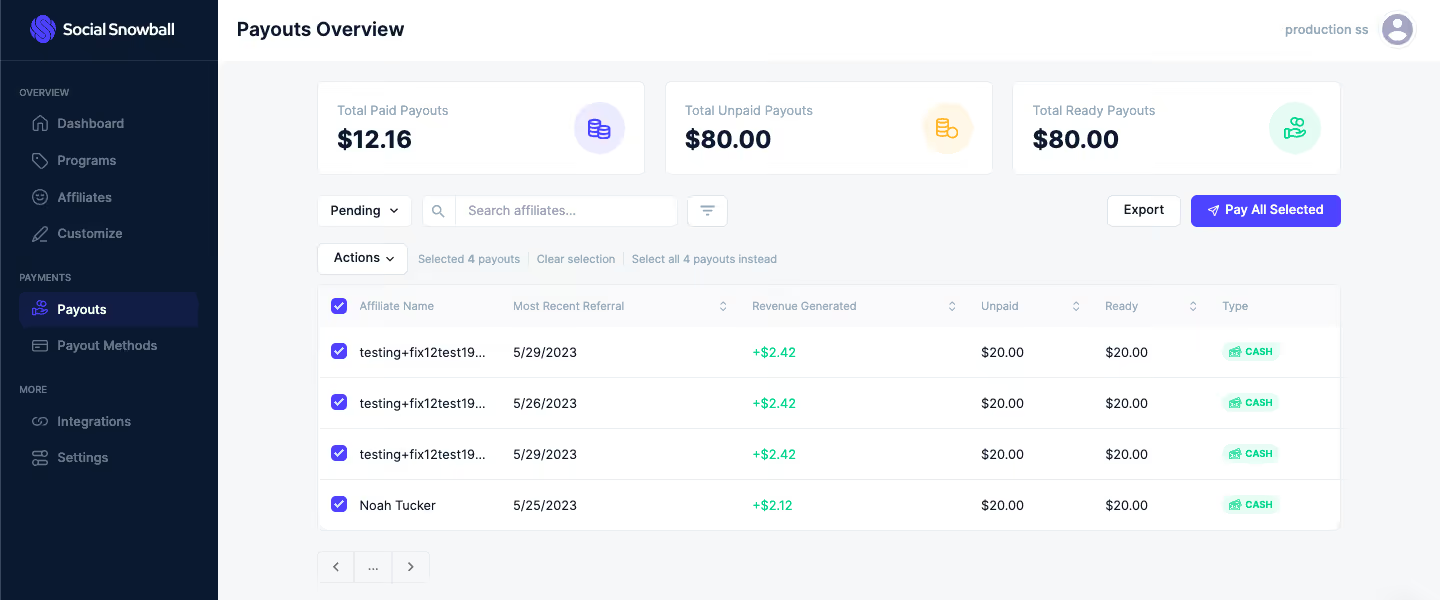
If your goal is revenue, you should structure the campaign as an affiliate program. Platforms like Social Snowball automate affiliate tracking, payouts, and referral attribution, enabling creators to operate as performance partners.
2. Lock in the brass tacks before contracting
Once your objective is defined, convert it into clear contract terms. This step protects your budget and sets operational boundaries.
Most influencer campaign issues stem from unclear agreements, not bad creators. Precision at this stage prevents disputes later.
Define content usage clearly
Start with usage rights.
Specify exactly where the content will live. This may include the creator’s organic channels, your brand’s social accounts, paid advertising, product pages, or email campaigns.
Usage impacts pricing. Organic posting rights are different from paid media rights. Short-term usage differs from extended or perpetual rights. If the duration is not clearly defined in the contract, you do not control how long you can use the content.
State the timeframe explicitly. Document whether usage lasts 30 days, 90 days, 6 months, or longer. Ownership and licensing terms should be written in plain language.
Clarify deliverables in detail
Define execution with specificity.
- If the agreement includes one Instagram post, confirm that it should appear on the main feed.
- If it is a carousel, specify where the product is featured.
- If Stories are included, outline the number of frames and link requirements.
- If TikTok is part of the scope, document the format and posting window.
Small placement details directly affect performance and visibility. Clear documentation removes room for interpretation.
Formalize exclusivity terms
If competitive alignment matters to your brand, document exclusivity in writing.
Specify the category restriction and the timeframe before and after your content goes live. Keep the language precise so both sides understand the boundaries.
Exclusivity is far easier to negotiate before signing than after a conflict arises.
Define the partnership structure
Outline the structure of the collaboration. This will determine compensation, reporting cadence, and evaluation criteria.
Document whether this is a one-off test, a multi-month agreement with recurring deliverables, or a performance-based partnership tied to affiliate commissions.
When these operational details are locked in early, the campaign runs smoothly. When they are not defined properly, small misunderstandings escalate into costly issues.
3. Build the brief that sets creators up to win
Once your contract is finalized, your next priority is clarity in execution.
Your brief should be concise, direct, and complete. A creator should be able to read it once and understand exactly what is expected.
Here’s what your brief should cover.
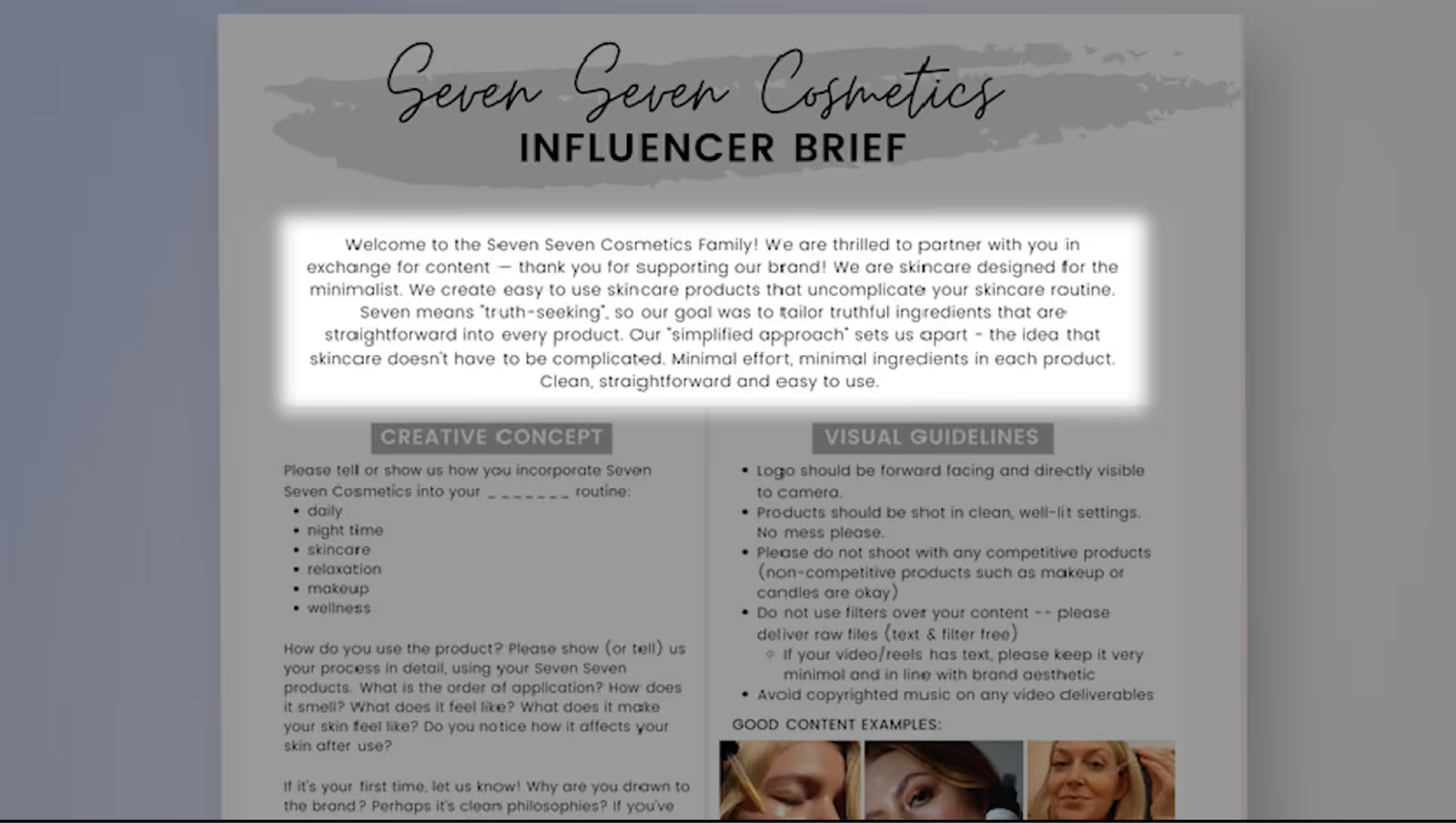
Include top-level brand context
Provide a short description of your brand positioning and tone. Summarize the campaign goal in two to three sentences. This helps the creator understand how the content should feel and the outcome you are aiming for.
Avoid a full brand history and include only what informs the content.
Define the scope of work
List the deliverables clearly. Document the platform, format, number of posts, deadlines, required tags, hashtags, tracking links, and discount codes. Include posting windows and exclusivity timeframes, if applicable.
If performance tracking is required, include the UTM or unique referral links directly in the brief to avoid confusion.
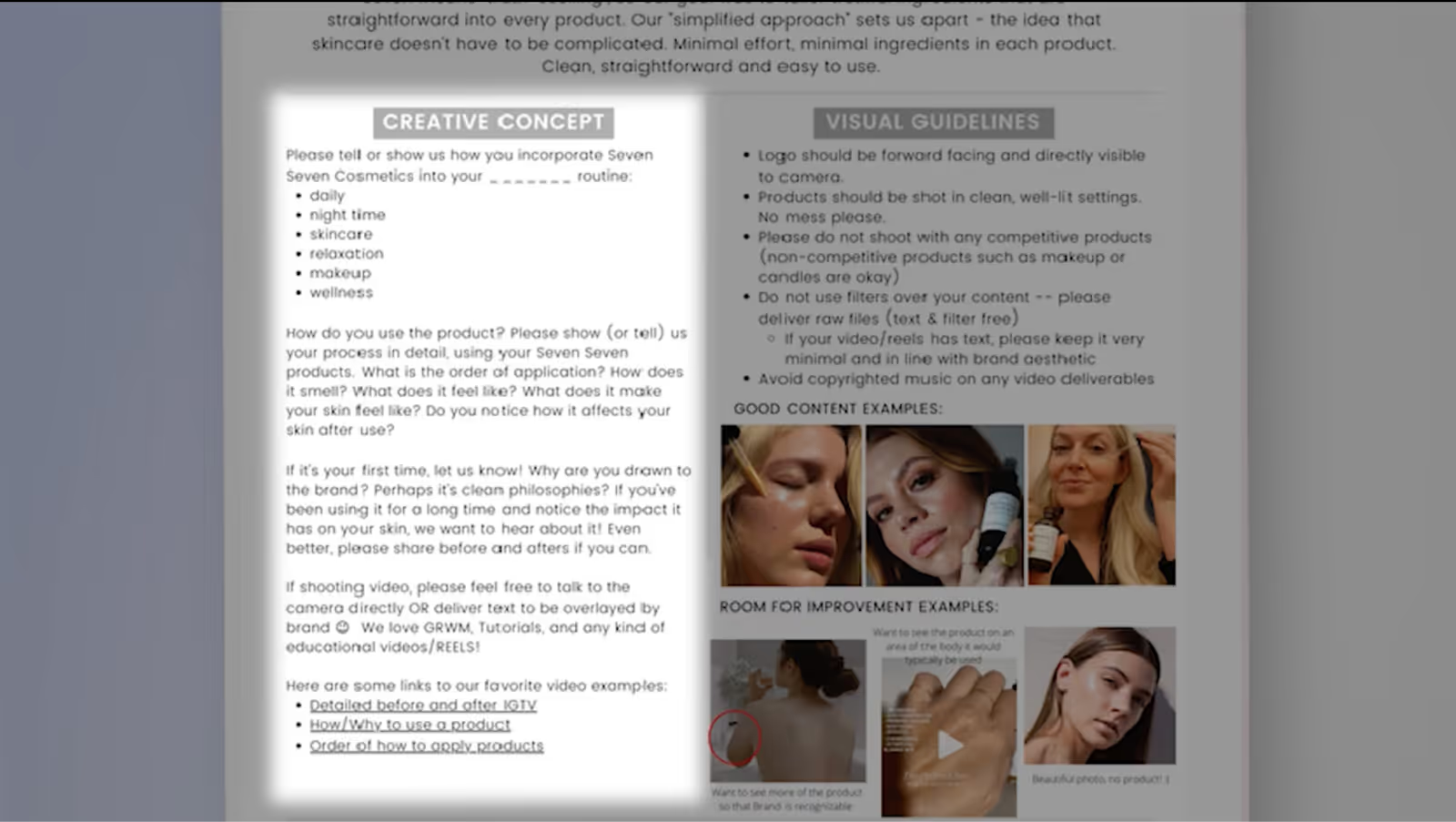
Provide creative direction
Outline visual and execution standards:
- If logo visibility is important, state that it must be clearly visible to the camera.
- If lighting needs to be clean and well-lit, document that requirement.
- If text overlays are required or restricted, define that upfront.
Include examples of approved content and examples of content that do not align with your standards. Showing both sets expectations faster than written explanations alone.
4. Vet creator fit before signing
Before contracts are executed, confirm alignment. This step protects brand reputation and campaign performance. Here are the core areas to review before moving forward.
- Confirm value alignment: Review the creator’s recent content and partnerships. Their tone, lifestyle, and brand associations should align with your product and positioning. A mismatch in values weakens credibility and reduces conversion potential.
- Validate audience alignment: Request audience demographic insights. Confirm gender split, age range, and primary geographic markets. Ensure the audience matches your customer profile and includes regions you actively ship to.
- Run a brand safety check: Conduct a direct search of the creator’s name alongside relevant keywords. Review past content for potential red flags. Use AI tools to scan publicly available information if needed.
5. Define how you’ll measure success before launch
Before content goes live, your tracking needs to be set up and tested. You should already know what metric determines whether this campaign worked. That decision cannot happen after the posts are live. It must be defined during planning.
Nissim recommends evaluating influencer performance across three layers.
Track engagement to understand resonance
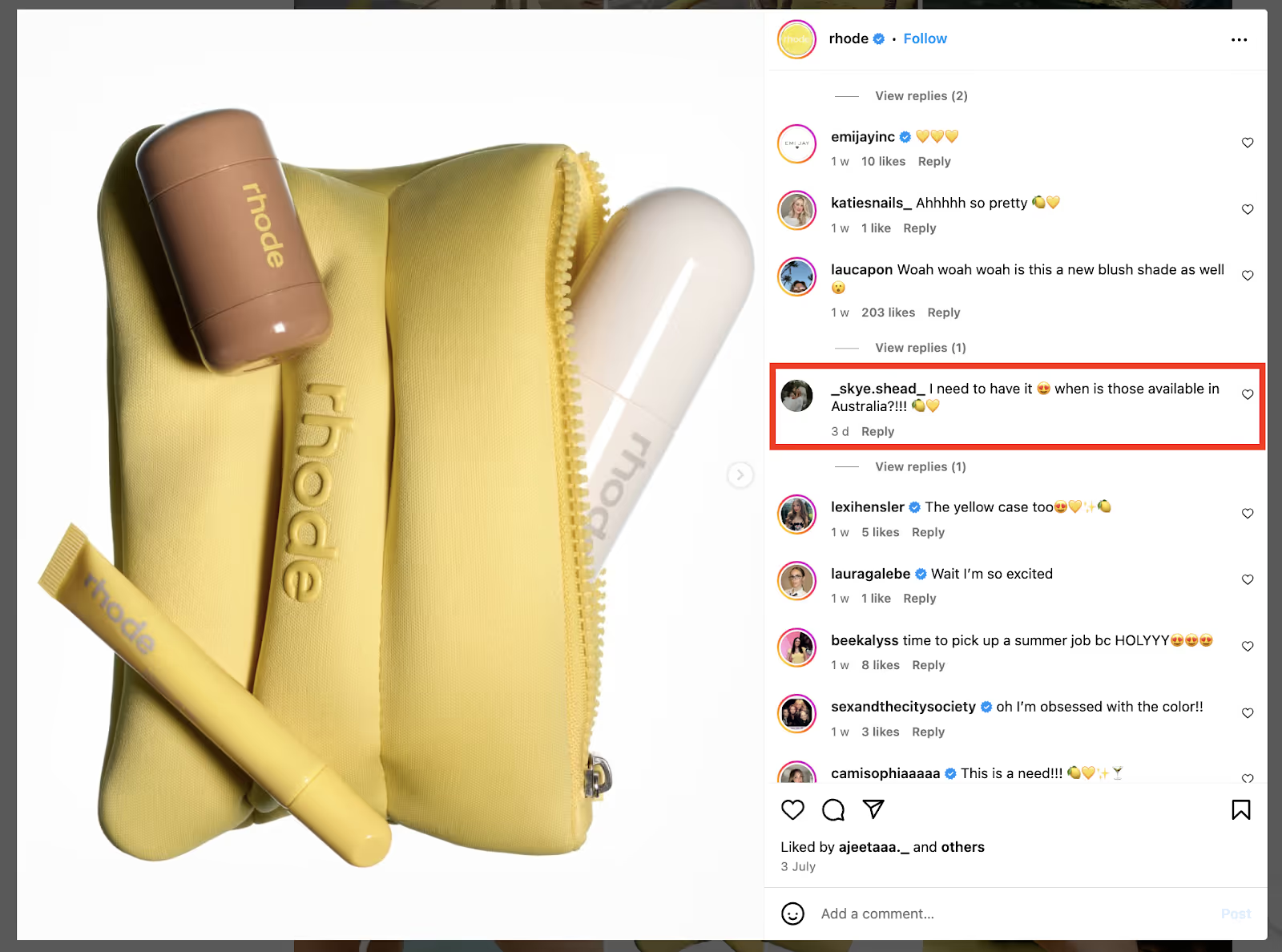
Start with visible engagement signals. Engagement tells you how well the creative partner connects with their audience and whether the message is landing.
Likes, comments, saves, and shares show how the content resonates with the audience.
Saves and shares are particularly useful because they indicate intent. A high number of saves often means the content feels valuable or actionable. Shares suggest the message is strong enough for someone to send it to a friend.
Track clicks to measure intent
Next, track conversions in the form of link clicks.
Every creator should receive a unique UTM or trackable affiliate link. That link should be tested before the campaign begins. You should know exactly where the traffic is landing and how it is tagged inside your analytics platform.
Click data reveals whether the content motivates action. A creator can generate strong engagement and still drive low traffic. That insight helps you refine future creator selection.
Track sales to measure revenue impact
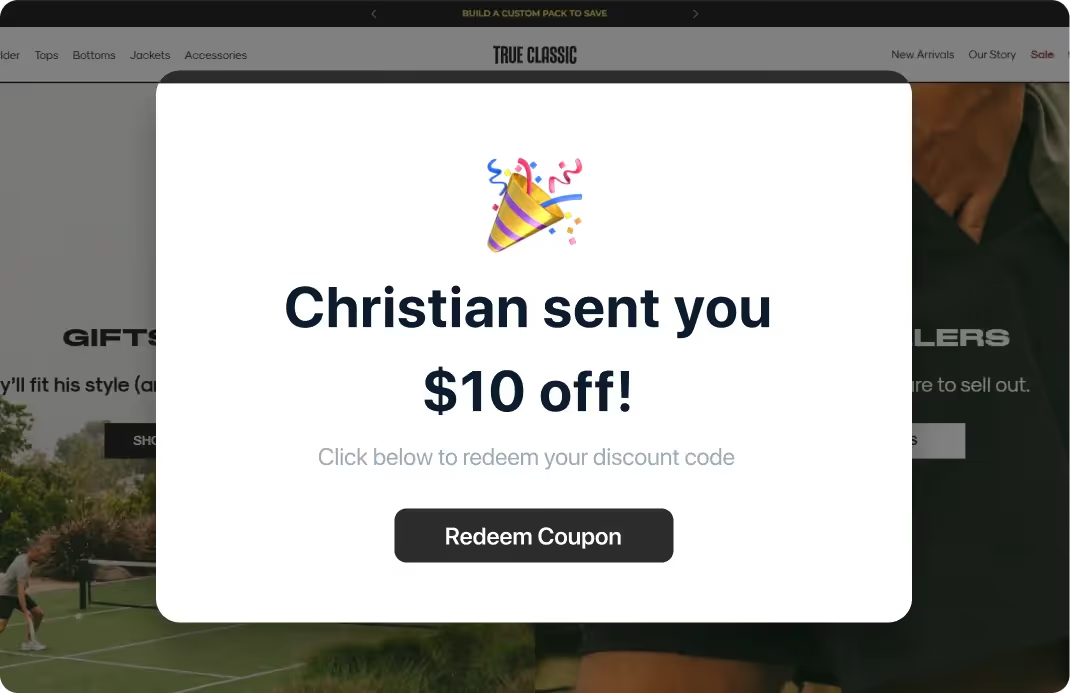
Provide creators with unique discount codes so every purchase can be attributed correctly. Social Snowball’s Safelinks generate a single-use code upon click to prevent coupon site leaks, protecting margin and keeping attribution clean.
This layer shows which creators drive direct revenue and which primarily support awareness.
Over time, you will see patterns. Some creators consistently generate strong engagement. A smaller group drives reliable traffic. An even smaller group drives profitable sales.
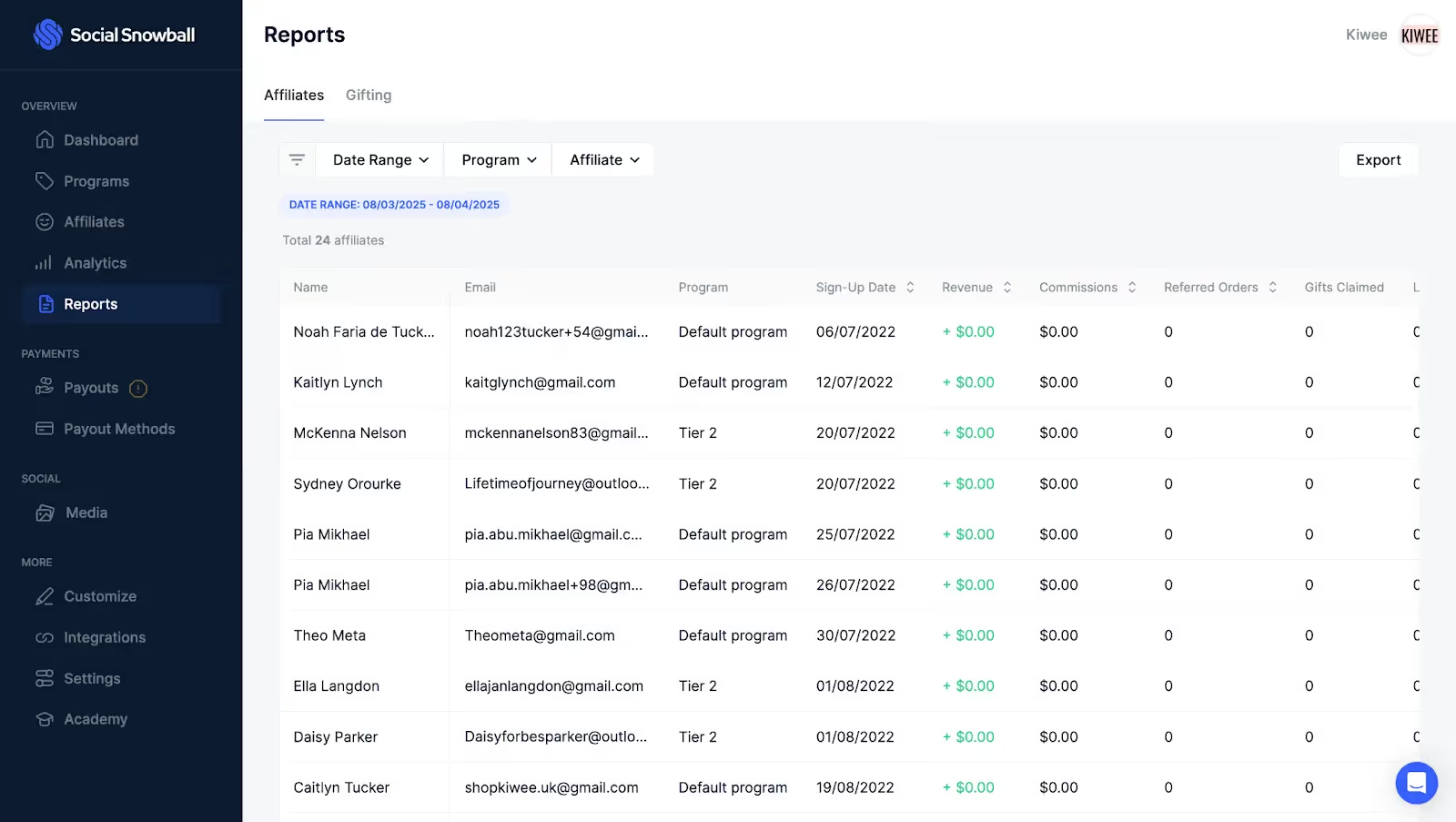
If you want creators to operate as sellers, implement an affiliate structure. Social Snowball allows you to track referral orders, commissions earned, and total revenue generated in one dashboard. That level of visibility removes guesswork and turns influencer marketing into a measurable growth channel.
Ready to launch influencer campaigns with structure and confidence?
Influencer marketing can drive huge growth when you approach it with structure and discipline. Before you invest in creators, make sure you have:
- A clearly defined campaign objective tied to a business outcome
- Usage rights, deliverables, and exclusivity documented in your contract
- A concise, tactical brief that sets creators up to execute properly
- Creators vetted for value alignment, audience fit, and brand safety
- Tracking infrastructure in place for engagement, clicks, and revenue
If you want a deeper breakdown of how to plan, contract, brief, vet, and measure influencer campaigns properly, enroll in Robyn Nissim’s course, “5 Non-Negotiables Before Launching Your Next Influencer Campaign,” within the Social Snowball Academy.

.png)